Why My Cat Won’t Use the Litter Box: Uncover Solutions
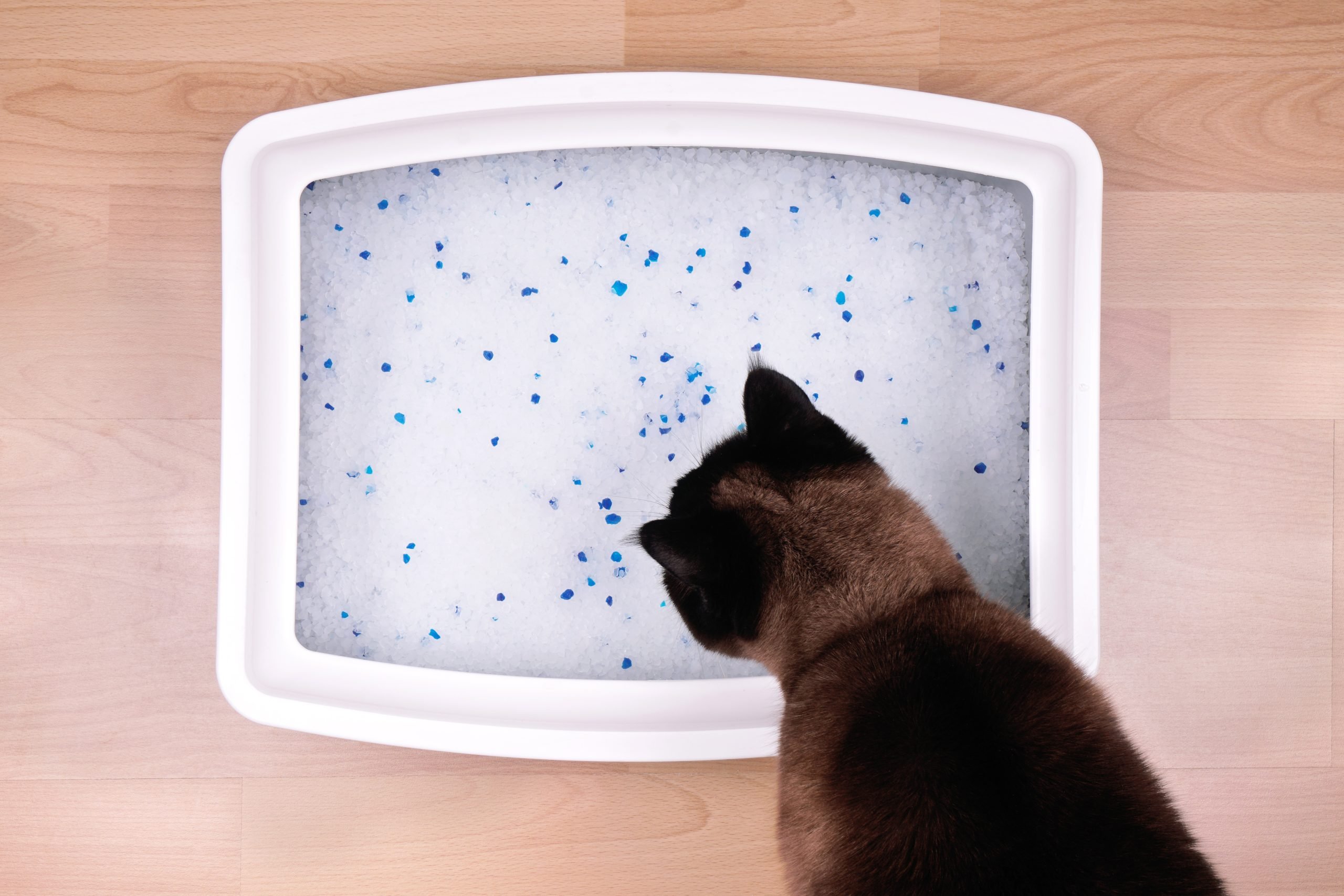
Are you tired of finding little surprises outside your cat’s litter box? You’re not alone.
Many cat owners face the frustrating problem of their feline friends refusing to use the litter box. This can turn your peaceful home into a battleground and leave you feeling helpless. But why does this happen? Understanding the reasons behind this behavior can make all the difference in solving the issue.
We’ll dive into the possible causes and give you practical solutions to help your cat return to their litter box. Let’s turn that frustration into relief and get your kitty back on track. Stay with us to uncover the secrets that can restore harmony to your home.

Credit: www.thesprucepets.com
Common Reasons For Litter Box Avoidance
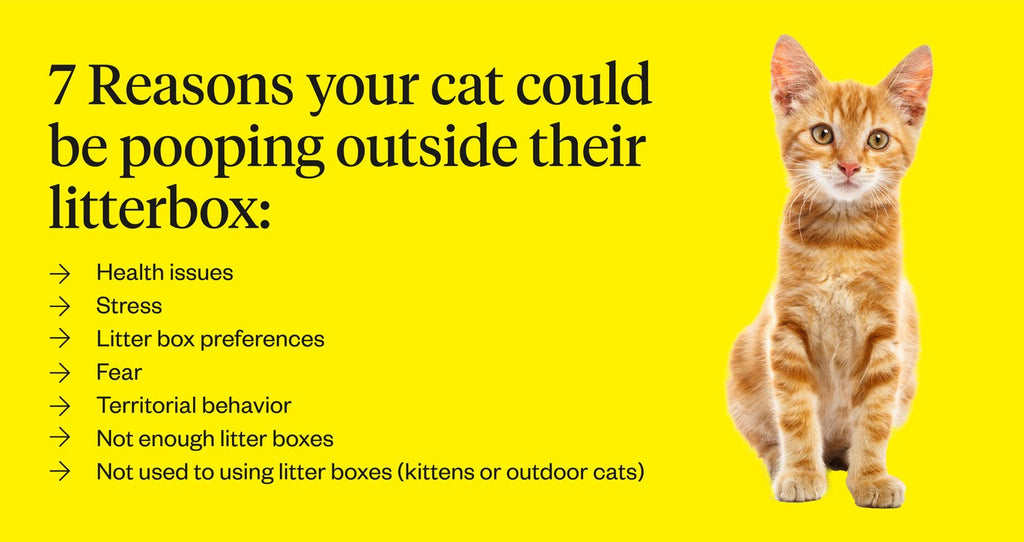
Cats may avoid litter boxes due to dirty conditions or unsuitable locations. Stress or changes in household dynamics can also lead to avoidance. Health issues, such as urinary tract infections, might be contributing factors.
Cats refusing to use their litter box can be a frustrating and puzzling issue for many pet owners. The reasons behind this behavior can vary, but understanding the common causes can help you find solutions. Let’s dive into the most typical reasons why your feline friend might be avoiding their litter box.Health Issues
Cats are notorious for hiding their illnesses. Sometimes, litter box avoidance is their way of signaling that something’s wrong. Urinary tract infections, constipation, or arthritis might make using the litter box painful. Have you noticed your cat yowling or straining while using the box? Such signs may indicate a health problem. A visit to the vet can confirm if medical issues are the root cause.Behavioral Problems
Cats can be finicky creatures, and their behavior often reflects their mood or stress level. Changes in the household, like a new pet or a move, might stress your cat out. This anxiety can lead to litter box avoidance. Remember the time your cat refused the box after you changed the furniture layout? Cats appreciate consistency in their environment. Offering them a sense of stability can help mitigate behavioral issues.Environmental Factors
The environment around the litter box plays a crucial role in whether your cat will use it. Is the box in a noisy or high-traffic area? Cats prefer a quiet, private spot for their business. Consider the type of litter you’re using. Some cats are picky about texture or scent. Switching to a different litter could make all the difference. Have you tried changing the location of the litter box? Ensuring easy access and a comfortable setting can make it more inviting for your cat. Reflect on these insights and ask yourself: Is there something in your cat’s environment that might be causing discomfort? Identifying these factors can pave the way for solutions, ensuring your cat returns to using the litter box happily.
Credit: www.youtube.com
Assessing Your Cat’s Health
Cats sometimes refuse the litter box due to health issues. Check for urinary tract infections or stress. Cleanliness matters too; ensure the box is fresh and accessible.
When your cat suddenly refuses to use the litter box, it might not just be a matter of stubbornness or preference. Sometimes, the root cause lies in your pet’s health. Understanding the connection between your cat’s health and their litter box habits is crucial. Health issues can manifest in unusual ways, and avoiding the litter box is one such sign. It’s important to pay attention to your cat’s behavior and assess their health to ensure their well-being.Signs Of Illness
Is your cat acting differently than usual? Changes in litter box habits can be a red flag. Cats are known to hide their pain, so subtle signs might be the only clues you get. Look for things like changes in appetite, lethargy, or excessive grooming. If your cat cries or seems uncomfortable when trying to use the litter box, this could indicate a urinary tract infection. Digestive problems might also cause them to avoid the box, as they associate it with discomfort. Have you noticed any weight loss or vomiting? These too can be signs that something isn’t right.When To Visit The Vet
When should you call the vet? If your cat has refused to use the litter box for more than a couple of days, it’s time to seek professional help. Immediate attention is necessary if there are other worrying signs like blood in the urine or feces, or if your cat seems to be in pain. Don’t wait until the problem escalates. Early intervention can prevent more serious health issues and ensure your cat’s comfort. I remember when my cat, Whiskers, stopped using the litter box. A quick visit to the vet revealed a bladder infection. Treatment made him comfortable again, and he returned to his normal litter habits. Are you observing any of these signs in your cat? Trust your instincts and consult with your vet. Your attention to your cat’s health can make all the difference in their quality of life.Behavioral Insights
Cats sometimes avoid the litter box due to stress or a dirty box. Medical issues can also be a cause. Observing your cat’s behavior and consulting a vet can help identify the problem. Understanding their needs is key to resolving litter box issues.
Cats are mysterious creatures with unique behaviors. Understanding these behaviors helps address litter box issues. Sometimes, a cat’s reluctance to use the litter box stems from behavioral causes. Recognizing these can lead to effective solutions.Territorial Marking
Cats mark territory to communicate with other cats. This behavior is natural but can lead to litter box avoidance. A cat might urinate outside the box to establish dominance. Neutering or spaying can reduce this behavior. Providing multiple litter boxes can also help. Each cat should have its own space to feel secure.Stress And Anxiety
Stress affects a cat’s behavior significantly. A new environment or pet can cause anxiety. Cats may avoid the litter box when stressed. Loud noises or changes in routine contribute to their stress. Create a calm space for your cat. Use pheromone diffusers to soothe their nerves. Ensure the litter box is in a quiet, private area. `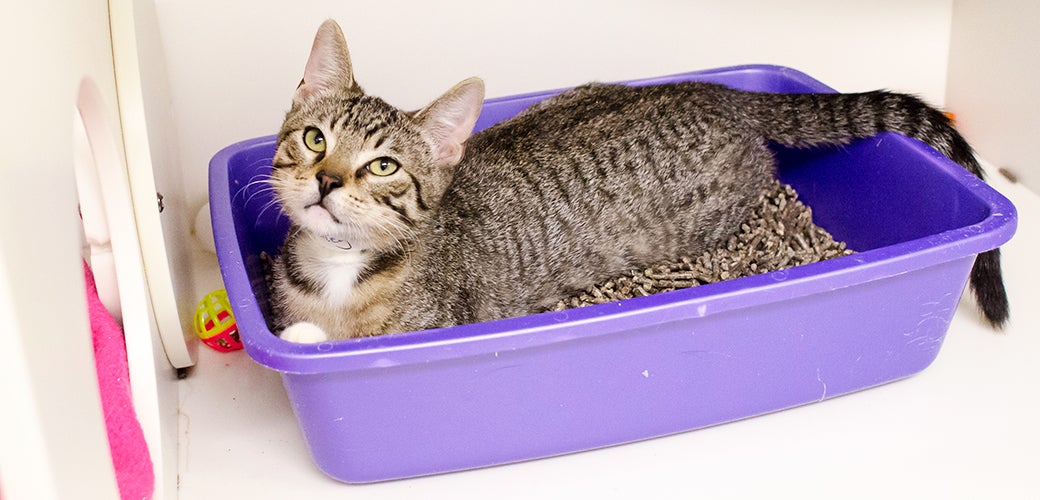
Credit: www.aspca.org
Creating The Perfect Litter Box Environment
Creating the perfect litter box environment can make all the difference in encouraging your cat to use it. Cats are finicky creatures, and sometimes minor tweaks in their litter box setup can lead to major changes in their behavior. If you’ve ever wondered why your furry friend prefers the carpet over the litter box, perhaps it’s time to take a closer look at their bathroom essentials.
Choosing The Right Litter
Have you ever noticed your cat sneezing after a litter box visit? It might be the litter’s fault. Cats have sensitive noses, and the wrong type of litter can be off-putting. Opt for unscented or lightly scented litter to keep your cat comfortable. Some cats prefer clumping litter, as it mimics their natural digging habits. Consider trying different textures, like clay or silica, to find what your cat prefers. A happy cat in the litter box is likely to return again.
Optimal Placement
Location, location, location! It’s not just important in real estate but for your cat’s litter box too. Imagine needing privacy but having to do your business in a high-traffic area. Would you like it? Neither does your cat. Place the litter box in a quiet, easily accessible spot. Avoid areas with loud noises or constant disturbances. If your cat has to pass by a barking dog or a clanging washing machine, they might prefer to go elsewhere.
Think about the paths your cat takes around your home. Is the litter box on the way or out of the way? Ensure it’s in a spot that feels safe and secure for them. You might be surprised how much a little peace and quiet can influence their choice.
Could your cat’s dislike for the litter box be due to its environment? Or perhaps it’s something else? Experiment and observe to find the best solution for both you and your feline friend.
Training Techniques
Cats avoiding the litter box often signal stress or health issues. Training techniques can help solve this problem. Create a comfortable environment and ensure cleanliness to encourage use.
Training your cat to use the litter box can feel like a puzzle, but with the right techniques, you can solve it. Sometimes, cats simply need a bit of guidance and encouragement to get into the habit. Let’s dive into some effective methods to help your feline friend become a litter box pro.Positive Reinforcement
Positive reinforcement is a powerful tool in cat training. Reward your cat with a small treat or a gentle pet whenever they use the litter box correctly. This encourages the behavior you want to see more often. Consistency is key here. Make sure you have treats handy each time they successfully use the box. Over time, your cat will associate the litter box with positive experiences, making it more likely they’ll return to it.Routine Establishment
Cats thrive on routine. Establish a regular schedule for feeding and cleaning the litter box. This predictability helps them feel secure and more likely to use the litter box. If you notice your cat uses the litter box at certain times, try to clean it right before those moments. A clean box is more appealing. Think about your own habits—would you want to use a dirty bathroom? Have you ever considered how your daily routine affects your cat? When you stick to a routine, your cat learns what to expect and where to go when nature calls. Training a cat may require patience, but the rewards are worth it. What other strategies might work for your pet?Managing Multi-cat Households
Cats may avoid the litter box due to stress or territorial disputes. Multiple cats can create tension, leading to litter box refusal. Ensure each cat has its own box to maintain peace and encourage proper use.
Managing a multi-cat household can be challenging. Cats are territorial creatures, and conflicts can arise. Ensuring harmony is essential for a peaceful home. Proper management can prevent litter box issues. Let’s explore some strategies to help your cats coexist peacefully.Addressing Territorial Conflicts
Territorial disputes are common in multi-cat homes. Cats may feel threatened by new housemates. This can lead to litter box avoidance. It’s crucial to provide safe spaces for each cat. Create separate zones where they can retreat. Use vertical space with cat trees or shelves. This gives them a sense of ownership. Observing their behavior can help identify triggers. Address conflicts promptly to prevent escalation.Ensuring Enough Resources
Resource scarcity can cause stress among cats. Each cat needs its own litter box. A general rule is one box per cat, plus one extra. Place them in different locations to reduce competition. Also, provide individual food and water bowls. Cats need their own scratching posts and toys too. This ensures that each cat’s needs are met. Reducing competition can lead to a more harmonious home. By addressing territorial conflicts and ensuring enough resources, you can foster peace. This can encourage your cats to use their litter boxes regularly.Alternative Solutions
Is your cat avoiding the litter box? It can be frustrating. But don’t worry. There are alternative solutions you can try. These solutions might help your furry friend feel comfortable again. Let’s explore some effective methods.
Using Cat Attractants
Cats are creatures of habit. Sometimes, they need a little encouragement. Cat attractants can be helpful. These products have scents cats love. They draw your cat to the litter box naturally. Simply sprinkle the attractant into the litter. Observe your cat’s reaction. Many owners see positive changes quickly.
Exploring Litter Box Options
Not all litter boxes are the same. Size, shape, and style matter. Some cats prefer open boxes. Others like covered ones for privacy. Try different types to find the best fit. Also, consider the location. Cats need a quiet, private spot. The right choice can make a big difference.
Frequently Asked Questions
What To Do With A Cat That Refuses To Use The Litter Box?
Ensure the litter box is clean and accessible. Try changing its location or type. Consult a vet for health issues. Use positive reinforcement when your cat uses the box. Consider pheromone diffusers to reduce stress.
Is It Normal For A Cat To Not Use The Litter Box?
Cats sometimes avoid the litter box due to stress, illness, or dirty conditions. Check for changes in environment, health issues, or litter box cleanliness. Training and vet consultations can help resolve issues. Ensuring a clean, accessible litter box encourages proper use.
What Is The Most Common Reason Cats Stop Using The Litter Box?
Cats often avoid the litter box due to health issues like urinary tract infections. Stress or environmental changes can also affect their behavior. Keeping the litter box clean and in a quiet location can encourage use.
Why Isn’t My Cat Making It To The Litter Box?
Your cat might miss the litter box due to stress, medical issues, or dislike of the litter. Ensure the box is clean, placed in a quiet area, and easily accessible. Consult a vet if the issue persists to rule out health concerns.
Conclusion
Solving litter box issues can be frustrating. Yet, patience is key. Observe your cat’s behavior closely. Try different litter types and box locations. Ensure the box is clean and accessible. Stress or health issues might be the cause. Consult a vet if needed.
A happy cat means a clean home. Each cat is unique. What works for one may not work for another. Finding the right solution takes time. Your efforts will pay off. Keep experimenting and stay positive. Your cat will appreciate it.

Similar Posts