Are Essential Oil Diffusers Bad for Cats? Discover Facts
Are essential oil diffusers bad for cats? If you’re a cat owner and a fan of essential oils, this question might have crossed your mind more than once.
Your feline friend is a beloved member of your family, and the last thing you want is to unknowingly put their health at risk. Imagine the peace of mind you’d feel knowing that your home is both fragrant and safe for your cat.
You’ll uncover the truth about essential oil diffusers and their impact on your furry companion. You’ll learn how to keep your space cozy without compromising on safety. Stay with us as we dive into the facts and myths, so you can make informed choices for your home and your cat’s well-being.

Credit: www.consolata.org
Essential Oils And Cats
Essential oils have gained popularity for their aromatic benefits, but are they safe for your feline friend? Cats are incredibly sensitive creatures, and what might be soothing for you could be harmful to them. Understanding the relationship between essential oils and cats is crucial for their health and happiness.
Common Essential Oils Used
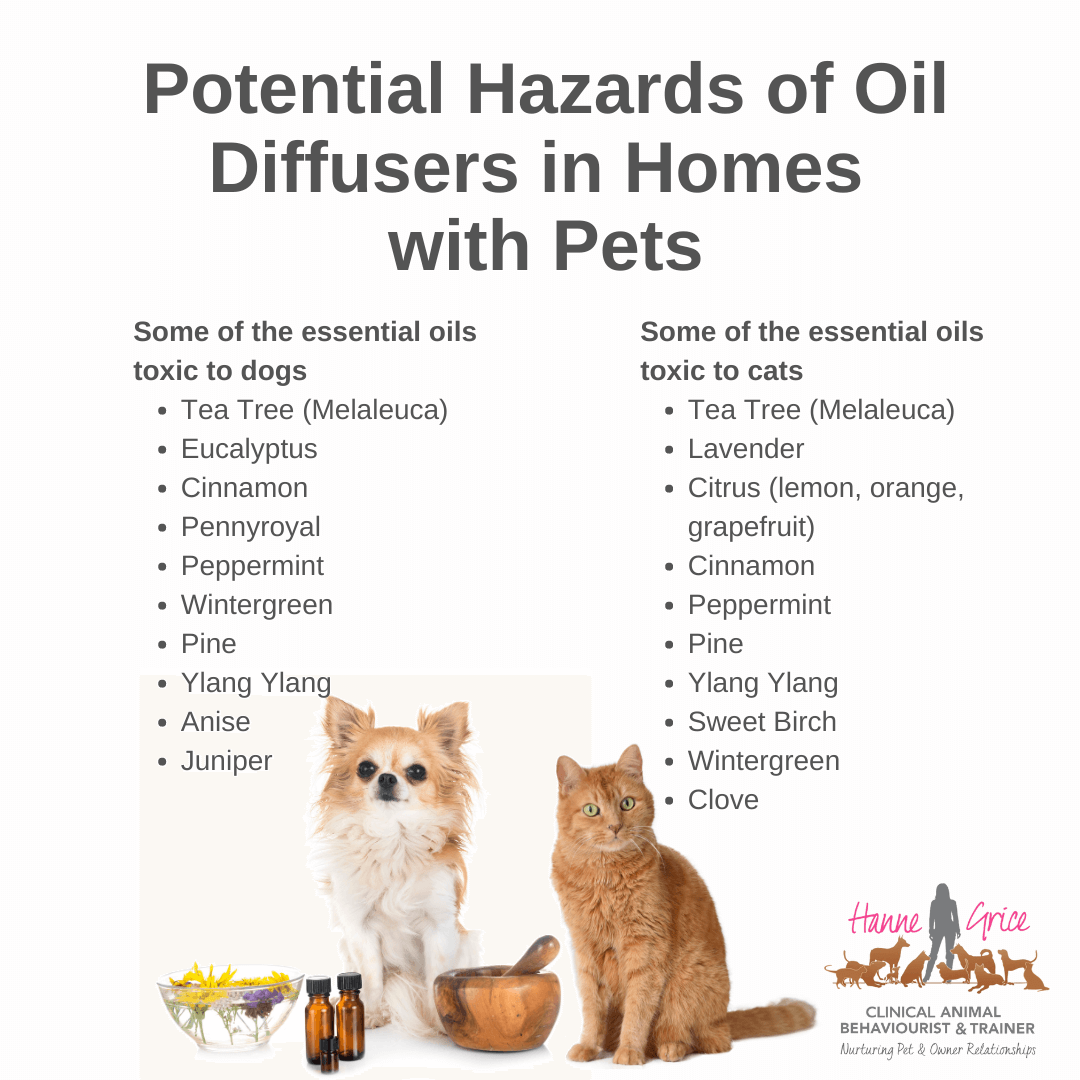
Many people use essential oils like lavender, eucalyptus, and tea tree for relaxation and freshness. Each of these oils serves a different purpose. Lavender is often used to calm the mind, while eucalyptus can clear the airways.
Tea tree oil is popular for its antibacterial properties. However, what many don’t realize is that these oils can be toxic to cats. Your cat’s liver cannot process certain compounds found in these oils, leading to potential health risks.
How Cats React To Essential Oils
Imagine your cat sniffing the air after you start an essential oil diffuser. While you might enjoy the scent, your cat might experience discomfort. Cats lack certain liver enzymes that help in breaking down essential oil compounds. This can lead to symptoms like drooling, vomiting, or even respiratory distress.
Have you ever noticed your cat avoiding a room when the diffuser is on? This could be a silent cry for help. Cats communicate in subtle ways, and avoiding the scented area is one. Pay attention to their behavior around essential oils. It might be telling you more than you realize.
Are you putting your cat at risk without knowing? It’s crucial to research before using essential oils. Consider opting for cat-safe options or limit their exposure. Your furry companion’s health should never be compromised for a pleasant aroma.

Credit: prwe.com
Potential Risks To Cats
Essential oil diffusers can be harmful to cats, posing respiratory issues and potential toxicity. Cats may experience coughing or sneezing if exposed. It’s important to ensure proper ventilation and monitor your cat’s reactions closely.
Potential Risks to Cats When you think of essential oil diffusers, you might imagine a relaxing atmosphere filled with soothing scents. However, these pleasant aromas could pose potential risks to your feline friends. Before you set up your diffuser, it’s important to understand how it might affect your cat’s health.Toxicity Concerns
Certain essential oils can be toxic to cats. Oils like tea tree, lavender, and citrus are popular in diffusers but can be harmful when inhaled by cats. Cats process substances differently from humans, and their liver lacks certain enzymes to break down these compounds. Even a small amount of these oils can lead to health issues. The molecules from the diffuser can linger in the air, creating a constant exposure risk. Have you ever noticed your cat sneezing or scratching more often when the diffuser is on?Symptoms Of Exposure
If your cat is exposed to harmful essential oils, they may show symptoms. Watch out for drooling, vomiting, or difficulty breathing. These signs can indicate that your cat is in distress and needs immediate attention. Your cat might also seem more lethargic or wobbly than usual. Take note if they are avoiding certain rooms where the diffuser is active. These behaviors could be a silent plea for help from your furry companion. Understanding these risks can help you make informed decisions about using essential oil diffusers around your pets. Are the benefits of a fragrant home worth the potential harm to your beloved cat? It’s crucial to weigh these factors carefully for your cat’s well-being.Safe Practices For Pet Owners
Essential oil diffusers can create a calming atmosphere, but pet owners must be cautious. Cats have sensitive systems, and certain oils may pose risks. Understanding safe practices ensures your feline friend’s well-being. Let’s explore how to keep your cat safe while enjoying essential oils at home.
Choosing Pet-friendly Oils
Select oils known for their safety around cats. Lavender, chamomile, and rose are generally considered safe. They offer soothing scents without harmful effects. Avoid oils like eucalyptus, tea tree, and citrus. These can be toxic to cats. Always research and consult your vet before choosing oils.
Proper Diffuser Usage
Use diffusers in open spaces. Ensure good ventilation. This prevents overwhelming your cat with strong scents. Keep diffusers out of reach. Cats may knock them over or ingest oils. Monitor your cat’s behavior. If they show signs of distress, discontinue use immediately.
Alternatives To Essential Oil Diffusers
It’s natural to want your home to smell fresh and inviting. However, if you’re a cat owner, you might worry about the effects of essential oil diffusers on your feline friends. Thankfully, there are safe alternatives that can keep your home smelling pleasant without posing risks to your cat’s health. Let’s explore some of these options.
Other Aromatherapy Options
Consider alternatives like dried flowers or potpourri that can naturally scent your space. These options don’t release volatile compounds into the air, making them safer for cats. Plus, they add a touch of beauty to your decor. Have you ever tried placing lavender sachets in your closet? They smell heavenly and keep your clothes fresh. It’s small changes like these that can make a big impact.
Natural Air Fresheners
If you’re looking for a simple and effective way to freshen up your home, consider simmering spices and citrus peels on the stove. The aroma fills your space with a warm and inviting scent. Have you ever walked into a kitchen filled with the smell of cinnamon and oranges? It’s comforting and safe for your pets. You can also use baking soda or activated charcoal to absorb odors naturally. These methods are not only cat-friendly but also cost-effective.
Making your home smell great doesn’t have to mean compromising your cat’s well-being. Have you found any unique methods to keep your home smelling fresh? Sometimes, the simplest solutions are the safest.
Expert Opinions And Studies
Essential oil diffusers are popular. They create a calming atmosphere. But are they safe for cats? Many pet owners worry about this. Experts have voiced concerns. Studies have investigated these worries. Let’s explore expert opinions and research findings on this topic.
Veterinary Insights
Veterinarians have shared their views on essential oils. Some oils are toxic to cats. Cats have sensitive systems. They lack certain liver enzymes. These enzymes help break down essential oils. Ingesting or inhaling oils can lead to health issues. Symptoms include drooling, vomiting, or even seizures. Experts recommend caution. They advise keeping diffusers out of reach.
Research Findings
Studies have focused on essential oils’ effects. Researchers have tested various oils. Some oils showed harmful effects. Lavender and eucalyptus oils are common in homes. These can cause respiratory problems in cats. Long-term exposure may worsen symptoms. Research suggests monitoring your cat’s behavior. If symptoms appear, stop using the diffuser. It’s better to prevent exposure than treat symptoms.

Credit: www.pinterest.com
Frequently Asked Questions
Can Essential Oils Harm My Cat?
Yes, certain essential oils can be harmful to cats. Cats lack specific liver enzymes needed to metabolize some compounds. Oils like tea tree, eucalyptus, and citrus can be toxic. Always use essential oils with caution around cats and consult a vet if you’re unsure about specific oils.
Are All Diffusers Dangerous For Cats?
Not all diffusers are dangerous, but caution is advised. Passive diffusers, like reed diffusers, may be safer. Active diffusers, like nebulizers, can release more oil into the air. Always ensure the room is well-ventilated and monitor your cat for any adverse reactions.
How Can I Safely Use Essential Oils Around Cats?
To use oils safely, keep diffusers out of your cat’s reach. Ensure rooms are well-ventilated and use oils that are known to be safer for cats. Dilute oils heavily and avoid prolonged exposure. Always observe your cat for any signs of distress or irritation.
What Are Symptoms Of Essential Oil Poisoning In Cats?
Symptoms include drooling, vomiting, difficulty breathing, and lethargy. Cats may also develop tremors or seizures in severe cases. If you suspect your cat has been exposed to toxic essential oils, contact a vet immediately. Early intervention is crucial for your cat’s safety.
Conclusion
Essential oil diffusers can be risky for cats. Choose oils carefully. Some oils harm cats. Always research safe options. Ventilate rooms where diffusers are used. Monitor your cat’s behavior. Look for signs of distress. If unsure, consult your vet. Your cat’s health matters most.
Safety should always be a priority. Keep your home safe and stress-free. With care, diffusers can be used responsibly. Make informed choices for your pet’s well-being. A little caution goes a long way. Protect your feline friend. Your cat deserves a safe environment.

Similar Posts