How to Tell If My Cat Has Anxiety: Signs & Solutions
Do you ever wonder if your feline friend is more than just a little jumpy or shy? Cats, just like humans, can experience anxiety, and it might be affecting their quality of life.
If you’ve noticed changes in your cat’s behavior, you might be seeing signs of anxiety. The good news is, understanding these signs can be the first step in helping your furry companion feel more relaxed and happy. You’ll discover the tell-tale signs of anxiety in cats, how it can manifest in their daily activities, and what you can do to ease their stress.
Keep reading to learn how you can make a difference in your cat’s life and ensure they’re as content as can be. Your cat’s well-being is worth it, and this information could be just what you need to help them thrive.
Recognizing Behavioral Changes
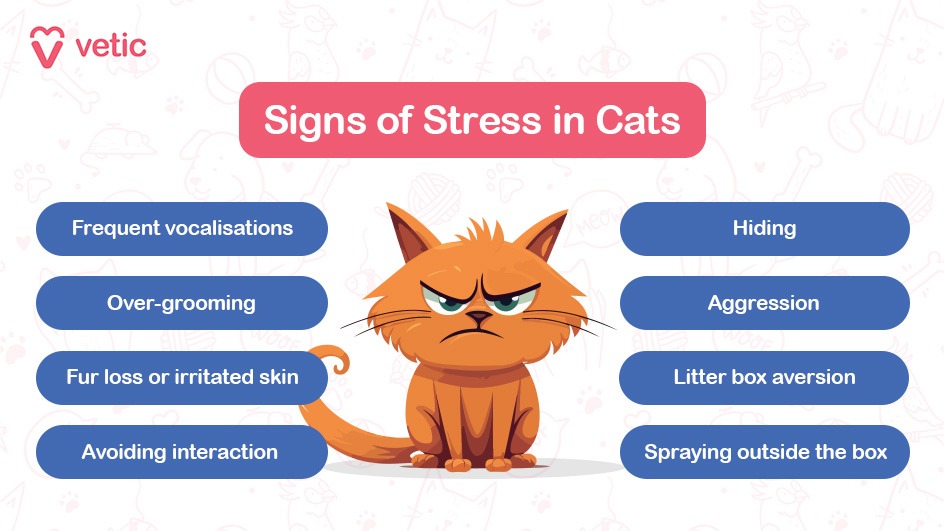
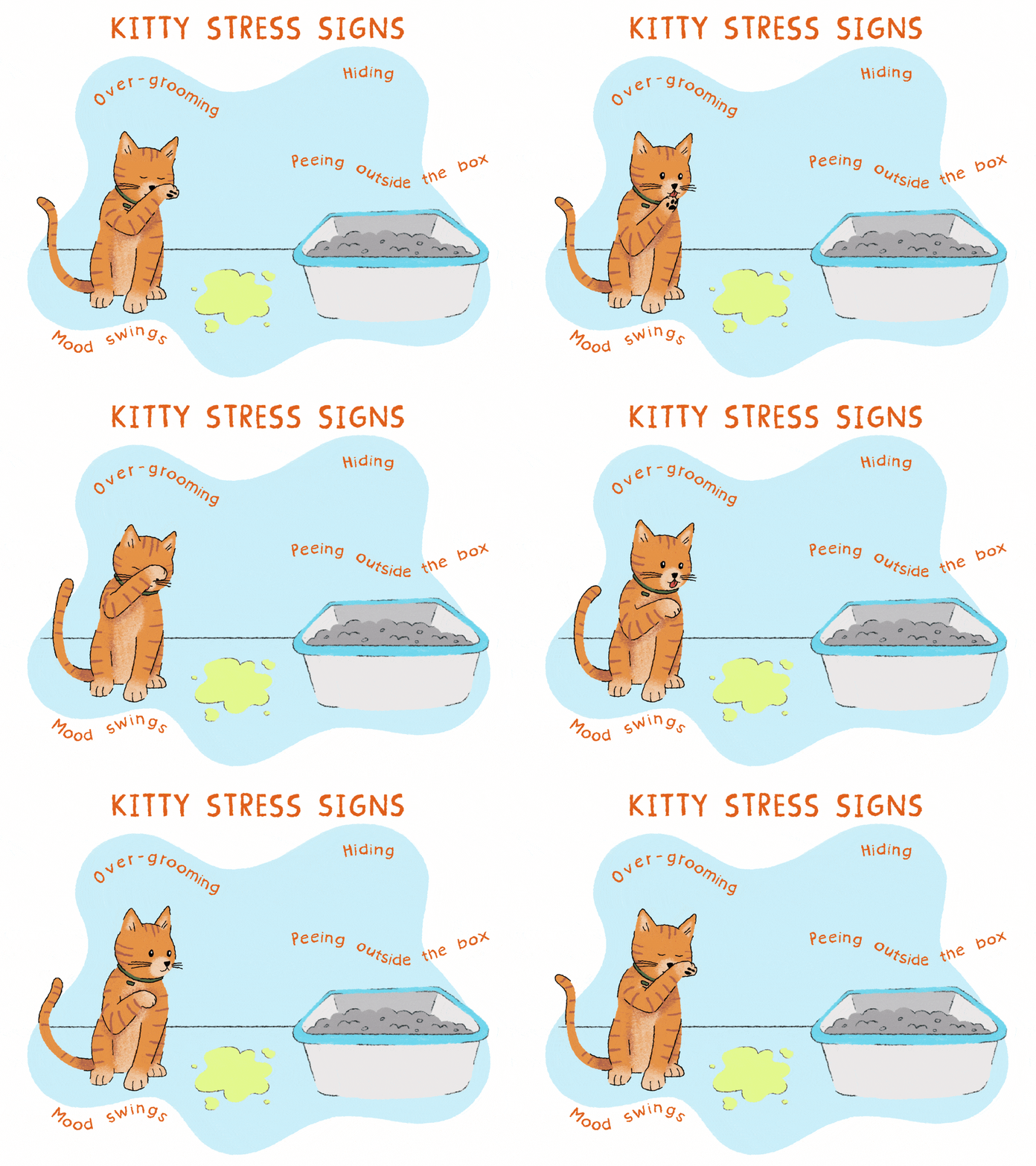
Cats with anxiety often show changes in behavior. Watch for increased hiding, excessive grooming, or aggression. These signs can indicate your cat is stressed or anxious, needing attention or comfort.
Understanding your cat’s behavior is crucial to identifying if they might be experiencing anxiety. Cats, like humans, can exhibit signs of stress through changes in their behavior. Recognizing these changes can help you provide the necessary support to your furry friend. You’ll want to watch for patterns in their actions that deviate from the norm. Could your cat’s recent behavior be a call for help?Excessive Grooming
One of the clearest indicators of anxiety in cats is excessive grooming. If your cat is constantly licking or biting their fur to the point of creating bald spots, they might be stressed. Imagine noticing your cat spending more time grooming than playing or eating. This behavior can be more than just a habit; it might be their way of coping with anxiety.Aggression Or Withdrawal
Have you noticed your cat becoming unusually aggressive or, conversely, hiding away from everyone? These could be signs of anxiety. A cat that suddenly hisses or swats at you might be feeling threatened or stressed. On the flip side, if your once-social kitty is now hiding under the bed, they might be trying to escape from something that’s causing them distress.Altered Sleep Patterns
Pay attention to your cat’s sleep patterns. Cats typically sleep a lot, but a stressed cat might sleep more or less than usual. If your cat is pacing at night or sleeping all day, it could be a sign of anxiety. It’s important to note these changes, as they might indicate that something is amiss in your cat’s environment or routine. Recognizing these behavioral changes is the first step in helping your cat. Have you experienced any of these signs with your cat? Addressing these issues early can make a huge difference in your cat’s well-being.
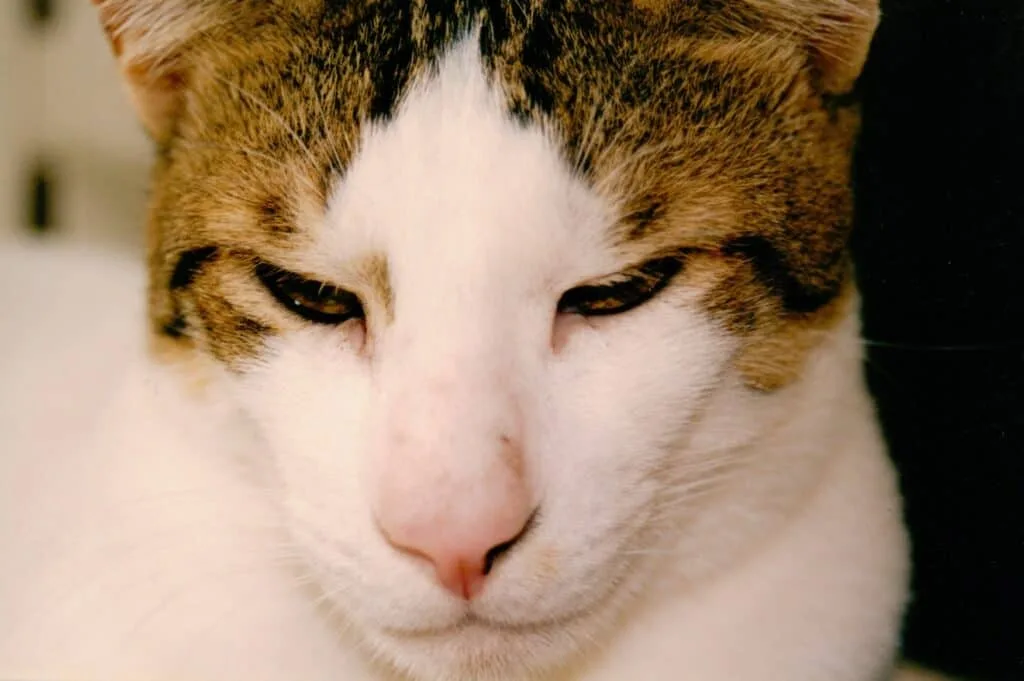
Credit: us.feliway.com
Physical Symptoms Of Anxiety
Understanding the physical symptoms of anxiety in cats is essential. This can help in addressing their needs and ensuring their well-being. Cats, like humans, express anxiety through various physical signs. These signs can be subtle or evident, depending on the cat. Recognizing these symptoms early is crucial for effective care. Below are some common physical symptoms that indicate anxiety in cats.
Loss Of Appetite
A cat with anxiety may not show interest in food. This lack of appetite can be sudden and noticeable. Your cat might refuse even their favorite treats. A change in eating habits is a significant indicator. It reflects their discomfort and stress levels.
Weight Fluctuations
Weight changes often accompany anxiety in cats. A cat might lose weight due to reduced food intake. Some cats may gain weight if they overeat when stressed. Monitoring your cat’s weight is important. It can provide insights into their mental health.
Digestive Issues
An anxious cat might experience digestive problems. Symptoms can include vomiting or diarrhea. These issues often arise unexpectedly. They can be a direct response to stress. If digestive problems persist, it could signal chronic anxiety. Seeking veterinary advice would be beneficial.
Environmental Stressors
Cats can feel anxious due to various environmental stressors. Understanding these stressors is vital. It helps in identifying and reducing your cat’s anxiety. Simple changes in their environment can lead to stress. Pay close attention to these changes. Your cat’s behavior might hold the clues.
Changes In Household Routine
Changes in routine can stress cats. Cats love predictability. A sudden change in feeding times can upset them. Alterations in sleeping areas can also cause distress. Watch for signs like hiding or excessive grooming. These could indicate anxiety.
Introduction Of New Pets Or People
New pets or people can unsettle your cat. Cats are territorial by nature. Introducing new animals can be overwhelming. Even new family members might cause stress. Monitor your cat’s reaction. Look for signs of withdrawal or aggression.
Loud Noises And Disruptions
Loud noises can startle cats. Construction sounds or thunderstorms can be distressing. Frequent disruptions might make them anxious. Observe if they hide or become overly vocal. These behaviors might indicate stress.

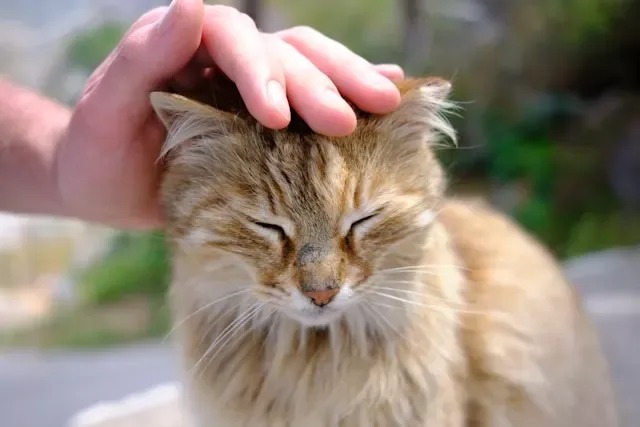
Credit: restorapet.com
Communication Through Body Language
Understanding your cat’s body language can reveal a lot about their emotional state. Cats often express anxiety through subtle physical cues. These cues can be key in identifying stress in your feline friend. Pay close attention to their movements and sounds. These signs can help you understand their feelings and needs better.
Tail Position And Movement
A cat’s tail is a clear indicator of its mood. A fluffed-up tail often signifies fear or anxiety. Rapid tail twitching can mean irritation or stress. If the tail is tucked between the legs, your cat might be feeling anxious. Observe the tail closely to understand their emotional state.
Ear And Eye Signals
Cats communicate a lot through their ears and eyes. Flattened ears often signal fear or stress. Dilated pupils can mean your cat is anxious or scared. Slow blinking might indicate relaxation, while rapid blinking could suggest distress. Watch these signals carefully to gauge your cat’s mood.
Vocalization Patterns
Changes in vocalization can be a sign of anxiety. Excessive meowing or crying might indicate stress or discomfort. A low growl or hiss can signal fear or anxiety. Pay attention to any changes in your cat’s typical sounds. These vocal cues can help identify if your cat is anxious.
Effective Solutions For Cat Anxiety
Detecting cat anxiety involves observing specific behaviors. Excessive grooming, hiding, or aggressive actions may indicate stress. Helping your cat with cozy spaces and interactive toys can ease anxiety.
When your beloved feline friend shows signs of anxiety, it can be distressing for both of you. Recognizing the symptoms is just the first step. The real challenge is finding effective solutions that work for your cat. Luckily, there are several methods you can try, each designed to address different aspects of your cat’s anxiety.Creating A Safe Space
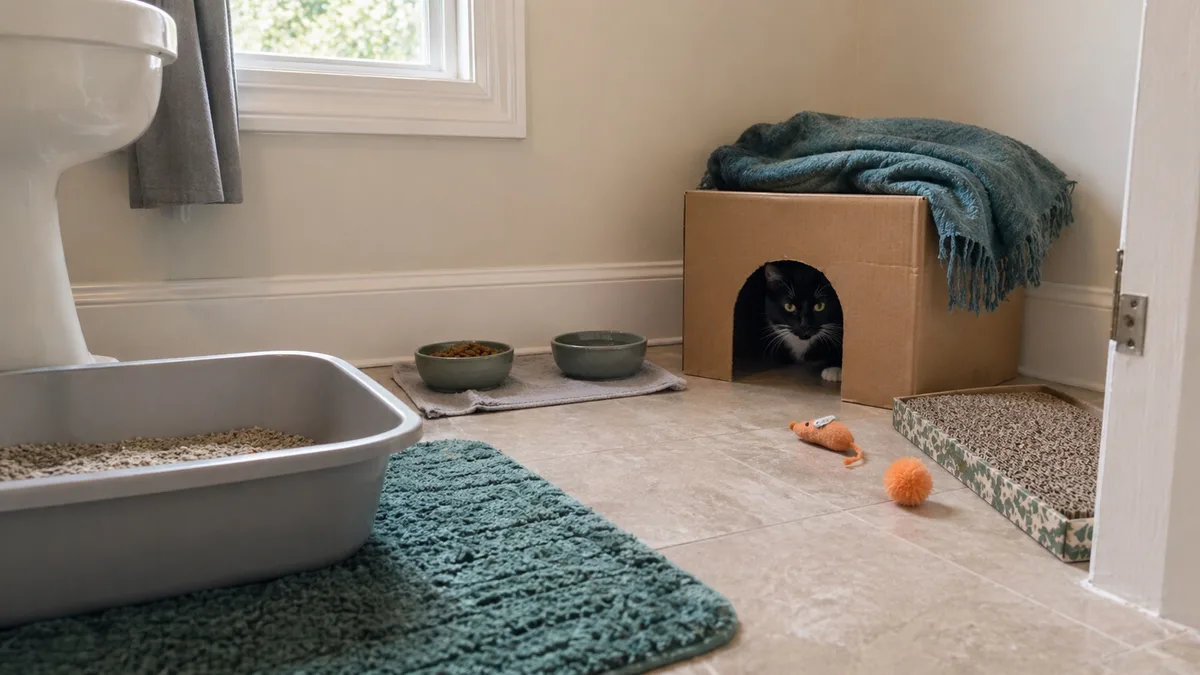
Every cat deserves a sanctuary where they feel secure. Dedicate a quiet corner of your home to your cat. Add a comfy bed and a few toys to make it inviting. Ensure this space is free from loud noises and disturbances. This will allow your cat to retreat and relax when anxiety strikes. Think about times when you needed a moment to yourself. Cats need this too, perhaps even more than we do.Using Calming Products
Calming products can be a game-changer for anxious cats. Consider using pheromone diffusers or sprays. These products mimic natural cat pheromones, creating a calming effect. Herbal supplements can also help. Always consult with a vet to ensure safety and effectiveness. Your cat’s well-being is worth the effort of exploring these options. Imagine the relief when you see your feline companion more relaxed.Engaging In Play And Exercise
Play is not just fun; it’s essential for your cat’s mental health. Schedule regular playtimes with interactive toys. This not only reduces anxiety but also strengthens your bond. Encourage your cat to explore and exercise. Climbing trees or tunnels can stimulate their instincts and reduce stress. Have you ever noticed how a good workout lifts your spirits? Exercise has a similar effect on cats. It’s a simple, yet powerful tool against anxiety. Address your cat’s anxiety with these practical solutions. Each step you take will contribute to a happier, more relaxed feline friend. What will you try first?
Credit: www.richmondvetclinic.ca
Seeking Professional Help
If you’ve noticed signs of anxiety in your cat, seeking professional help is a wise step. Understanding that your cat might need expert intervention can be daunting, but it’s crucial for their well-being. By working with professionals, you can pinpoint the root causes and find effective solutions to ease your cat’s stress.
Consulting A Veterinarian
Your first port of call should be your veterinarian. They can rule out any medical issues that might be causing your cat’s anxiety. Once medical causes are eliminated, the vet can suggest the next steps to address behavioral concerns.
I remember when my cat, Whiskers, started hiding under the bed more than usual. A vet visit revealed she was perfectly healthy but stressed due to a recent house move. Identifying the cause helped us tailor a plan to ease her anxiety.
Behavioral Therapy Options
Behavioral therapy can be an excellent way to help your cat cope with anxiety. Certified animal behaviorists offer structured programs to modify your cat’s reactions to stressors.
Consider techniques like desensitization, which gradually exposes your cat to the source of anxiety in a controlled way. You can also explore clicker training to encourage calm behavior. Have you ever thought about how your own actions might be affecting your cat’s stress levels?
Medication Considerations
In some cases, medication may be necessary to help your cat manage anxiety. Your vet can prescribe medications that can ease severe anxiety symptoms.
However, medication should be considered a last resort and always used in conjunction with behavioral strategies. It’s important to weigh the pros and cons before making a decision. Are you ready to explore all available options before resorting to medication?
Remember, your cat relies on you to advocate for their well-being. Seeking professional help shows you care deeply about your furry friend’s mental health. By taking proactive steps, you can help your cat live a happier, more relaxed life.
Frequently Asked Questions
What Are The Signs Of An Anxious Cat?
Anxious cats may hide often and avoid interactions. They can show excessive grooming or vocalization. Changes in appetite or litter box habits might occur. Increased aggression or clinginess are also signs. Look for tense body posture and dilated pupils.
What Helps Anxiety In Cats Naturally?
Use pheromone diffusers to calm anxious cats naturally. Provide a safe space with cozy bedding and toys. Play soothing music to ease stress. Consider herbal supplements like valerian root or chamomile. Regular playtime and a consistent routine reduce anxiety. Consult a vet for tailored advice.
How Long Does It Take For A Cat To Get Over Stress?
A cat typically takes a few days to a few weeks to recover from stress. The duration depends on factors like the cause of stress, the cat’s personality, and the environment. Provide a calm, safe space and gradual exposure to stressors to help speed up recovery.
Do Cats Suffer With Separation Anxiety?
Yes, cats can experience separation anxiety. Symptoms include excessive meowing, destructive behavior, and changes in litter box habits. Providing stimulating toys and gradual adjustments to alone time can help. Consulting a veterinarian for guidance ensures appropriate support and treatment. Each cat is unique, so understanding your pet’s needs is essential.
Conclusion
Recognizing cat anxiety can improve your pet’s well-being. Watch for signs like excessive grooming, hiding, or aggression. Understanding these behaviors helps you support your cat. Provide a safe, calm environment. Spend quality time with your feline friend. Consult a vet if signs persist.
They can offer guidance and solutions. Remember, every cat is unique. What works for one might not work for another. Patience and observation are key. Your love and care make a difference. With time, you can help your cat feel more secure and happy.

Similar Posts