Can You Give a Cat Benadryl for Anxiety: Safe Solutions

Navigating your cat’s anxiety can feel like solving a complex puzzle. You want nothing more than to see your feline friend calm and content.
You’ve probably heard of Benadryl being used to ease anxiety in some pets, sparking the question: Can you give a cat Benadryl for anxiety? This query might just be the first step towards finding a solution that could make a world of difference for you and your pet.
Imagine the relief of knowing exactly what to do to help your cat feel more at ease. Stick around, and you’ll discover the ins and outs of using Benadryl for your cat’s anxiety, ensuring you make informed decisions for your beloved companion.

Credit: www.singlecare.com
Benadryl For Cats
Caring for a cat involves understanding its needs and behaviors. Anxiety in cats can be challenging for pet owners. Many wonder if Benadryl, a common human medication, can help. Before considering this option, it’s crucial to understand the purpose, uses, and safety concerns of Benadryl for cats.
Purpose And Uses
Benadryl is an antihistamine. It treats allergies in humans. Some pet owners use it for cats’ allergy symptoms. It might help with itching or swelling. But can it calm a cat’s anxiety? This is less clear. Benadryl can cause drowsiness. This might reduce anxiety symptoms. But it’s not a primary treatment for anxiety. Always consult a vet first. They can provide guidance on proper use.
Safety Concerns
Safety is crucial when giving any medication. Benadryl can have side effects. Cats are sensitive to medications. Incorrect doses can be harmful. Side effects include dry mouth and increased heart rate. Some cats may become overly excitable. It’s essential to know your cat’s health history. Pre-existing conditions can affect safety. Always talk to a vet before administering Benadryl. They can help determine if it’s safe for your cat. Testing a small dose under professional guidance is wise.
Credit: thevets.com
Understanding Cat Anxiety
Understanding your cat’s anxiety is crucial for their well-being. Cats, like humans, experience stress. Many factors can trigger anxiety in cats. Recognizing these causes and symptoms can help you manage their stress.
Common Causes
Cats may feel anxious due to various reasons. Changes in their environment top the list. Moving to a new home can unsettle them. Introducing new pets or family members also affects their comfort. Loud noises, like thunderstorms or fireworks, can frighten them. Health issues or pain might make them restless. Each cat’s trigger is unique. Identifying it helps in addressing the anxiety.
Symptoms To Watch
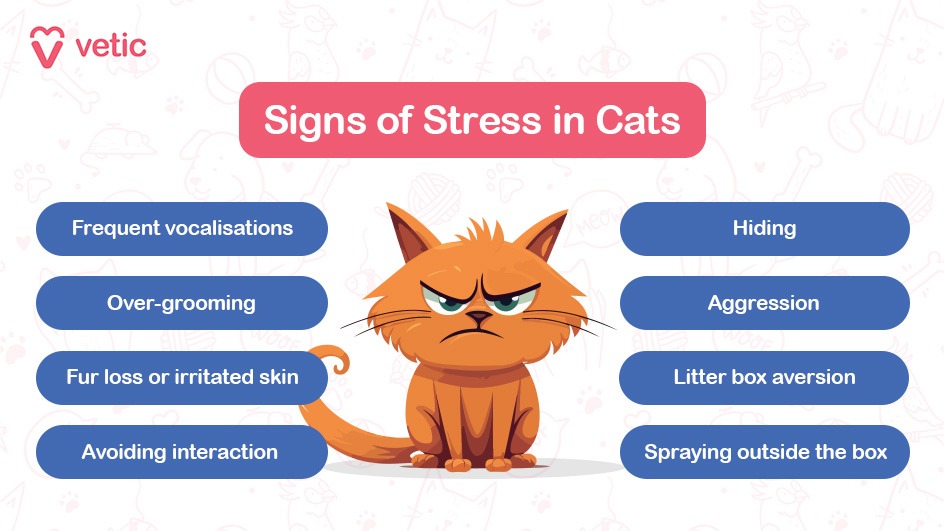
Spotting anxiety in cats requires keen observation. Changes in behavior are key indicators. Cats might hide more often or avoid interaction. Increased aggression or irritability can be signs. Excessive grooming or scratching suggests stress. Appetite changes might occur, either eating more or less. Pay attention to litter box habits. Inappropriate urination or defecation could signal distress. Recognizing these symptoms is the first step in offering relief.
Alternative Anxiety Treatments
Exploring alternative anxiety treatments for cats can be beneficial. Some treatments offer gentle and effective relief. They can improve your cat’s well-being without strong medications. Let’s explore some options available.
Natural Remedies
Natural remedies can soothe your cat. Herbal supplements like chamomile and valerian root may help. These herbs have calming effects. They can be added to your cat’s diet. Pheromone diffusers create a stress-free environment. They mimic natural cat pheromones. This makes your cat feel safe and calm.
Prescription Medications
For severe anxiety, prescription medications may be necessary. Consult your veterinarian for advice. They can prescribe medications like fluoxetine or clomipramine. These medications adjust brain chemicals. They help reduce anxiety symptoms effectively.
Consulting A Veterinarian
Consulting a veterinarian is crucial when considering medication for your cat’s anxiety. Cats react differently to medications like Benadryl. Professional advice ensures your cat’s safety and well-being. A vet can evaluate your cat’s specific needs and suggest suitable solutions.
When To Seek Professional Help
Recognize signs of anxiety in your cat. These include excessive grooming, hiding, or aggression. If these behaviors persist, it’s time to consult a vet. Sudden changes in eating or sleeping patterns also warrant professional advice. A veterinarian can diagnose the root cause of anxiety. This helps in developing an effective treatment plan.
Questions To Ask Your Vet
Prepare questions before visiting the vet. Ask about possible side effects of Benadryl. Inquire about alternative treatments for anxiety. Discuss your cat’s medical history and any allergies. Ask about dosage and duration if medication is recommended. Understanding these details ensures a safe approach to managing your cat’s anxiety.
Monitoring Your Cat’s Health
Monitoring your cat’s health when considering Benadryl for anxiety is crucial. Your furry friend relies on you to notice subtle changes, and your observations can make a world of difference. How will you know if Benadryl is helping, or if it’s causing unwanted effects? This section helps guide you through the process of keeping an eye on your cat’s well-being.
Signs Of Improvement
After administering Benadryl, watch your cat closely for signs of improvement. Is your cat more relaxed than before? Do they seem less jittery and more comfortable in their surroundings? These are positive indicators that the medication might be working.
Also, observe their sleeping patterns. A more restful sleep could mean they’re experiencing less anxiety. Keep track of these changes in a journal; it can be a helpful reference for future vet visits.
Potential Side Effects
While Benadryl can offer relief, it may also come with side effects. Look out for signs of drowsiness that seem excessive. If your cat is unusually lethargic, it might be time to consult your veterinarian.
Other side effects could include dry mouth or urinary retention. Notice if they drink less water or have trouble using the litter box. Recognizing these signs early can prevent more serious health issues.
Do you trust your instincts when it comes to your pet’s health? Your intuition, combined with careful observation, plays a vital role in ensuring your cat’s safety and comfort. Always consult with your vet before making any changes to your cat’s medication routine.

Credit: www.innovetpet.com
Frequently Asked Questions
How Long Will Benadryl Make My Cat Sleepy?
Benadryl typically makes a cat sleepy for 8 to 12 hours. The effect varies based on dosage and individual cat response. Always consult your veterinarian before administering any medication to ensure safety and proper dosage.
How Much Benadryl Can I Give My Cat For Anxiety?
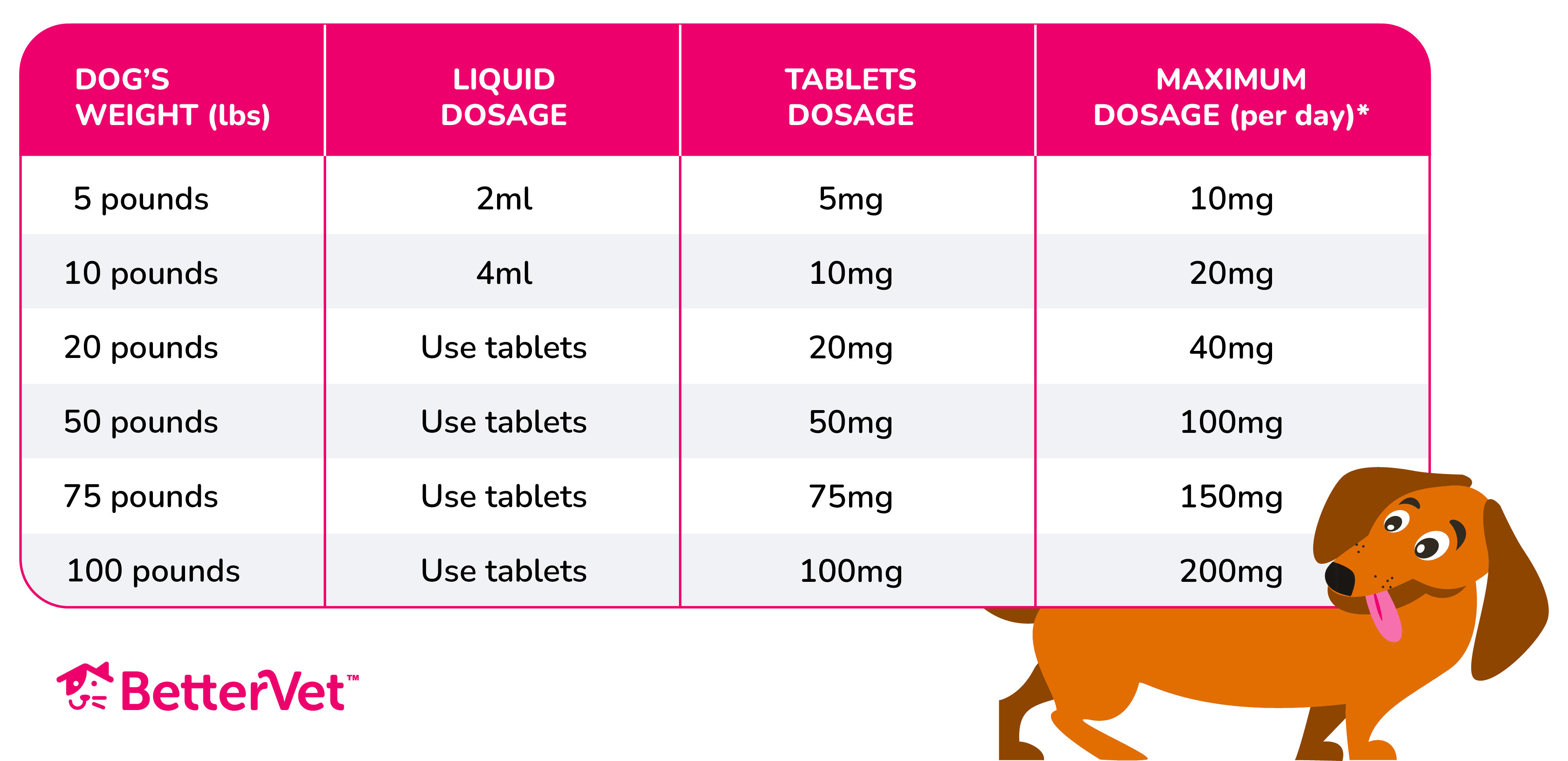
Consult your veterinarian before giving Benadryl to your cat. The typical dosage is 1 mg per pound, every 8-12 hours. Always verify the dosage with a professional to ensure your pet’s safety.
What Medication Can I Give My Cat For Anxiety?
Consult your vet for anxiety medication like fluoxetine or buspirone for your cat. Natural remedies include pheromone diffusers or calming treats. Always ensure proper dosage and monitor your pet’s response.
Does Benadryl Help Cats Calm Down?
Benadryl can calm cats, but consult a vet before use. It may help with allergies and anxiety. Proper dosage is crucial to avoid side effects. Always ensure your cat’s safety by getting professional guidance.
Conclusion
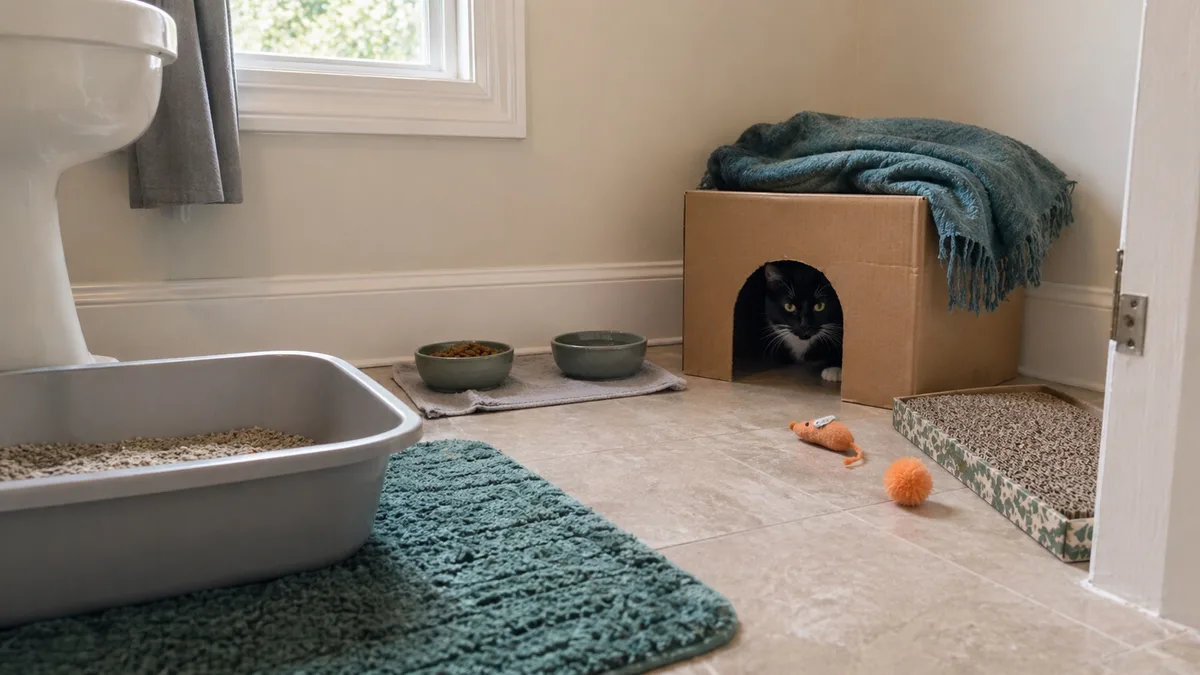
Consult your vet before giving Benadryl to your cat. Cats can react differently. It’s crucial to understand their needs. Always prioritize your pet’s well-being. Natural remedies might help with anxiety. Ensure your cat’s environment is calm. Safe spaces can reduce stress.
Professional guidance is key for medication. Never self-medicate your pet. Observe any changes in behavior. Your vet can offer the best advice. Keep your furry friend comfortable and happy. Remember, every cat is unique. Their health should always come first.

Similar Posts