What Breed is My Black Cat: Uncover Its Mysterious Origins
Have you ever gazed into your black cat’s mysterious eyes and wondered what breed they might be? You’re not alone.
Identifying a cat’s breed can be a captivating puzzle, especially when it comes to black cats, who are often wrapped in myth and mystery. This curiosity isn’t just about satisfying your inquisitive mind; it’s about understanding your feline friend better.
Knowing the breed can help you cater to their needs, enhance their care, and deepen the bond you share. You’ll discover how to recognize common black cat breeds, what traits to look for, and how this knowledge can enrich your life with your furry companion. Get ready to unlock the secrets of your black cat’s lineage and see them in a whole new light.

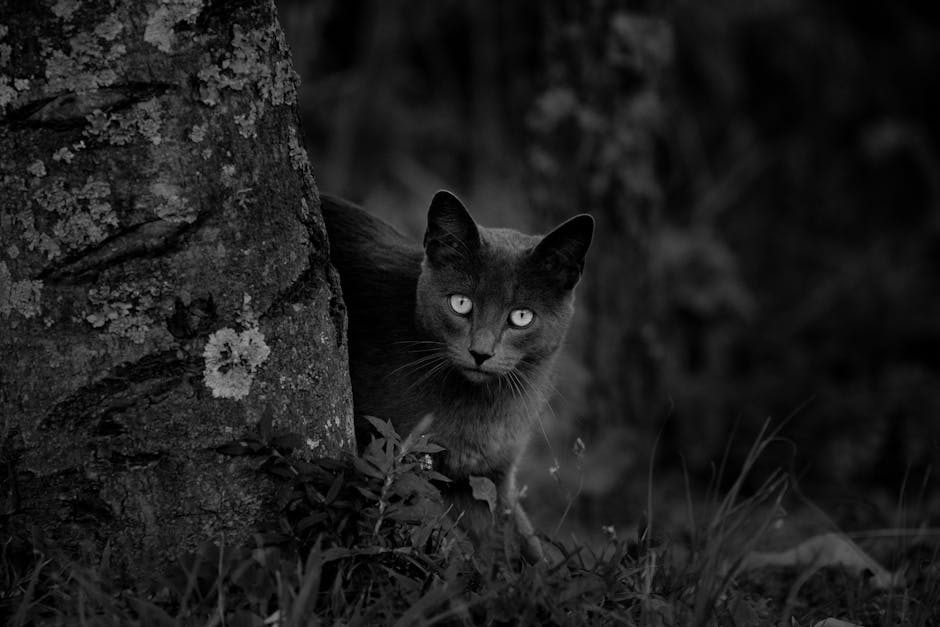
Credit: www.purewow.com
Identifying Common Black Cat Breeds
Black cats captivate with their mysterious charm and elegant presence. Each black cat may belong to a unique breed. Identifying their breed helps understand their behavior and needs. Let’s explore some common black cat breeds.
Bombay: The Miniature Panther
The Bombay cat resembles a sleek, miniature panther. Their coat is shiny and jet black. Bombays have a muscular build and a graceful walk. Their eyes are striking copper or gold. They are affectionate and love human interaction. Bombays often enjoy being the center of attention. They adapt well to various living environments.
American Shorthair: The Classic Companion
American Shorthairs are versatile and friendly cats. They have a sturdy build and round face. Their eyes come in various colors, including green and gold. Black American Shorthairs have dense, short fur. They are known for their playful and easy-going nature. They get along well with families and other pets. This breed is low-maintenance and independent.
British Shorthair: The Plush Charmer
British Shorthairs are known for their plush, dense coats. They have a round face and large, expressive eyes. Their eye color ranges from copper to blue. Black British Shorthairs are calm and laid-back. They enjoy lounging and observing their surroundings. This breed is affectionate but not overly demanding. They are great companions for quieter households.
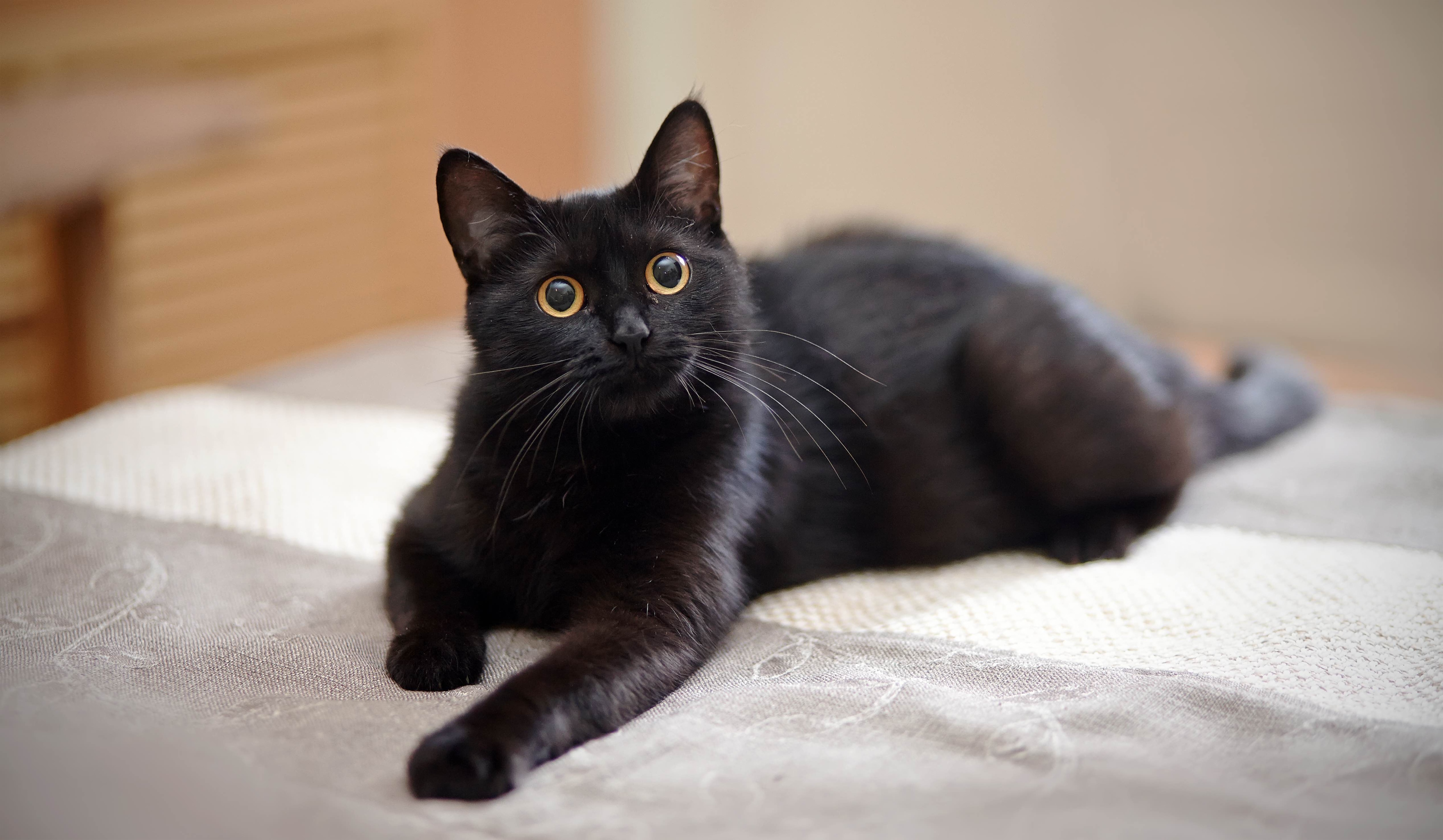
Credit: www.petmd.com
Physical Traits And Characteristics
Identifying your black cat’s breed can be fascinating. Physical traits and characteristics give clues. Observing these features helps determine the breed. Each cat has unique traits. Understanding them aids in identification.
Coat Texture And Color Variations
Black cats may have different coat textures. Some coats feel silky. Others feel dense or plush. This texture varies by breed. Not all black coats are the same shade. Some shine with a bluish tint. Others have a deep, coal-like appearance.
Eye Color And Shape
Black cats often have striking eyes. Eye color can be gold, green, or amber. Some breeds have round eyes. Others have almond-shaped eyes. Eye shape and color are key identifiers. They add to the cat’s mystery.
Behavioral Patterns And Temperament
Black cats often intrigue their owners with unique behaviors. Understanding their temperament can deepen the bond you share. Each cat is unique, but some traits are common in black cats. These traits can hint at their breed.
Playfulness And Activity Levels
Black cats tend to be playful creatures. Many enjoy chasing toys or exploring new spaces. Their energy levels can vary. Some are highly active, while others prefer lounging. Knowing your cat’s activity level helps tailor playtime. Regular play keeps them healthy and happy.
Socialization And Interaction
Socialization patterns in black cats can differ. Some are friendly and enjoy human interaction. Others may be more reserved. Early social experiences shape their behavior. Positive interactions encourage a friendly demeanor. Providing a safe environment boosts their confidence. This helps them socialize better with people and pets.
Genetic Testing For Breed Identification
Ever wondered about the mysterious lineage of your black cat? Genetic testing can unveil the secrets hidden in your feline’s DNA. This innovative method provides insight into your cat’s breed, helping you understand its unique traits and behaviors. Dive into the fascinating world of genetic testing to discover your black cat’s ancestry.
How Dna Tests Work
DNA tests analyze your cat’s genetic material to identify breed-specific markers. A simple cheek swab collects the necessary sample. Laboratories then decode the DNA, comparing it against databases filled with breed information. This process reveals the unique genetic makeup of your cat. Each marker indicates different breed characteristics, offering a detailed picture of your cat’s heritage.
Interpreting Test Results
Interpreting DNA results requires understanding genetic markers and breed profiles. Results show percentages of different breeds present in your cat. A high percentage indicates a strong presence of a particular breed. It’s important to note that results may show mixed breeds. This means your black cat’s ancestry is diverse, containing elements from several breeds. Use this information to learn about your cat’s behavior and health predispositions.
Historical Significance Of Black Cats
Black cats have captivated cultures for centuries. Many believed they brought luck or misfortune, depending on local folklore. Breeds like the Bombay and American Shorthair often sport this mysterious black coat.
Black cats have always fascinated us, not just for their sleek appearance but also for their rich historical significance. These mysterious felines have woven themselves into the fabric of human culture in ways that are both enchanting and profound. Whether through tales that inspire fear or stories that celebrate their beauty, black cats hold a special place in our collective imagination.Folklore And Superstitions
Throughout history, black cats have been associated with various superstitions. In medieval Europe, they were often linked to witchcraft and considered omens of bad luck. People believed that witches could transform into black cats, moving silently through the night. Yet, not all cultures viewed them negatively. In ancient Egypt, cats, including black ones, were revered and even worshipped. They symbolized protection and were believed to bring good fortune. Imagine owning a pet that embodies both mystery and luck! These contrasting beliefs beg the question: How do you perceive the presence of a black cat?Cultural Depictions
Black cats have been depicted in art, literature, and media across the globe. In Japan, the black Maneki Neko, or “beckoning cat,” is a popular symbol of good luck and prosperity. Its raised paw invites wealth into homes and businesses. In more modern times, black cats have become Halloween icons, often shown alongside witches and pumpkins. These portrayals can perpetuate negative myths but also celebrate their enigmatic allure. Have you noticed how often black cats appear in movies and books? From Edgar Allan Poe’s chilling tales to the playful antics of the black cat in the film “Kiki’s Delivery Service,” they capture our imagination. So, next time you cross paths with a black cat, consider the deep historical significance behind those mysterious yellow eyes. What stories do they tell, and which ones do you choose to believe?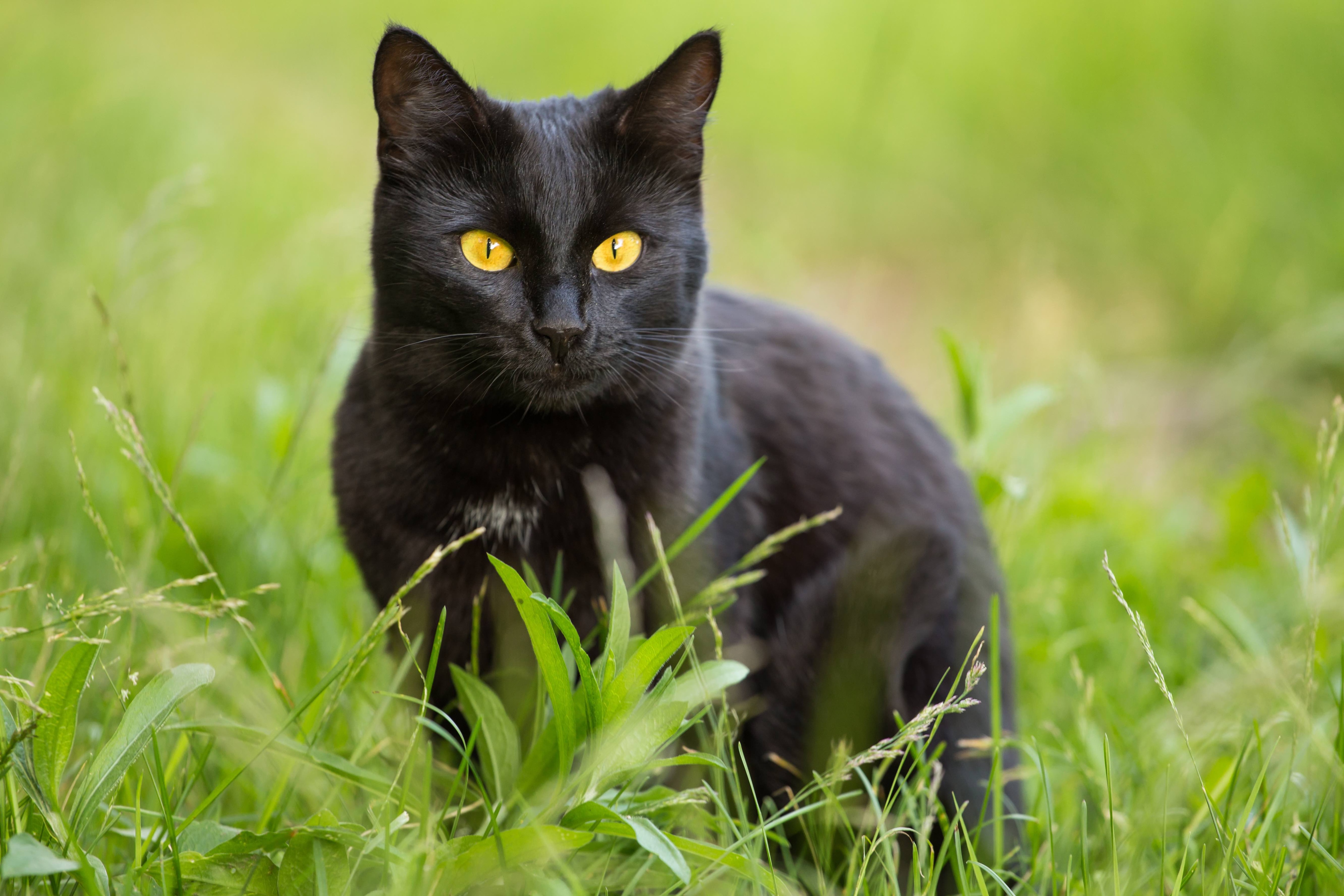
Credit: www.petmd.com
Preservation Of Black Cat Breeds
Black cats often face myths and stereotypes. This affects their preservation. Ensuring their survival requires focused efforts. Many organizations work towards this goal. They aim to protect these unique feline breeds. Through planned programs, they hope to secure their future.
Breeding Programs
Breeding programs play a vital role. They maintain pure black cat lines. These programs carefully select breeding pairs. The focus is on health and traits. They ensure the continuation of specific breed qualities. Such programs often work with breeders. This collaboration aims to reduce genetic issues. It also preserves the breed’s unique characteristics.
Conservation Efforts
Conservation efforts support the survival of black cats. Many groups educate the public about these cats. They highlight their importance and uniqueness. Awareness helps reduce stigma around black cats. Volunteers often assist in these efforts. They provide resources and information. Some groups even organize adoption events. This encourages the public to welcome black cats into homes. Such efforts aim to foster understanding and appreciation.
Frequently Asked Questions
What Type Of Breed Is The Black Cat?
A black cat isn’t a specific breed. It’s a color variation found in many cat breeds, like Bombay and American Shorthair. These cats often symbolize luck in various cultures. Black fur results from a dominant gene, making it common among different breeds.
Is My Black Cat A Bombay Or American Shorthair?
Identify your cat’s breed by observing physical traits. Bombay cats have a sleek, black coat and copper eyes. American Shorthairs vary in color, including black, and have a more muscular build. Consider consulting a vet for a definitive answer.
How Rare Is A 100% Black Cat?
100% black cats are not extremely rare. They are fairly common, especially in certain breeds like the Bombay. Their solid black coat results from a dominant gene. Many cultures consider them lucky or special, adding to their charm and popularity.
How Do I See What Breed My Cat Is?
Identify your cat’s breed by comparing physical traits and behaviors with breed profiles. Use online tools and DNA tests for accuracy. Consult a vet or cat breeder for expert advice.
Conclusion
Identifying your black cat’s breed can be a fun journey. Observe its size, coat, and personality traits. These clues help narrow down possibilities. Consider popular breeds like Bombay or American Shorthair. Each has unique features. Consult a vet or cat expert for guidance.
They provide valuable insights and advice. Remember, every cat is special. Knowing its breed can deepen your bond. Enjoy learning about your feline friend. It enriches the experience. Celebrate your black cat’s mystery and charm. They’re not just pets. They are family.