Is Tabby a Breed of Cat: Uncover the Truth
Have you ever gazed into the mesmerizing eyes of a tabby cat and wondered if “tabby” is actually a breed? If you’re a cat enthusiast or just curious about the world of feline friends, you’re not alone.
Many cat lovers ponder the same question. The answer is more fascinating than you might think, and it could change the way you see these charming creatures forever. Imagine uncovering secrets that make you appreciate your tabby even more, or discovering why they hold a special place in the hearts of millions.
By the end of this article, you’ll have a newfound understanding and appreciation for these adorable cats. Dive in to unveil the mystery and satisfy your curiosity—you won’t want to miss what lies ahead!
Tabby Cats Explained
Tabby cats are often mistaken for a specific breed. They are not. The term “tabby” refers to their coat pattern. This pattern is common in many cat breeds. Let’s explore the world of tabby cats and understand their unique traits.
What Is A Tabby Cat?
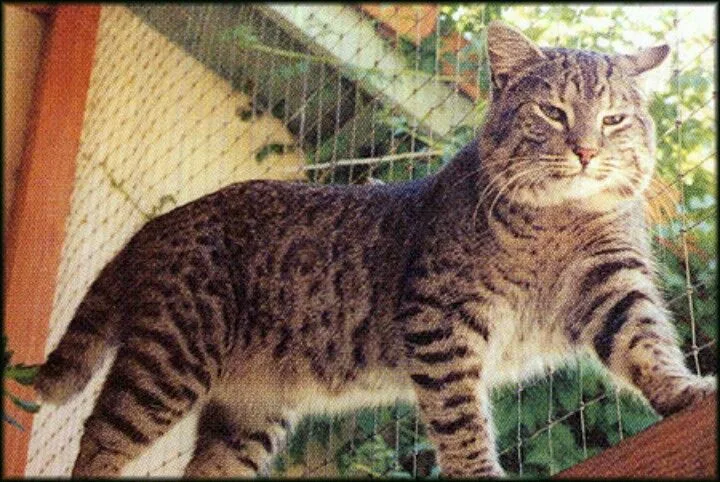
A tabby cat is identified by its unique coat markings. These markings can be stripes, dots, or swirls. The most common pattern is the “mackerel” tabby. It features thin, parallel stripes running down the cat’s sides.
The Different Tabby Patterns
Tabby cats have four main coat patterns. The mackerel tabby is the most common. Classic tabbies have swirling, bold patterns. Spotted tabbies have spots instead of stripes. Ticked tabbies have agouti hairs, giving a salt-and-pepper look.
Tabby Cats’ Color Variations
Tabby cats come in various colors. Common colors include brown, gray, and orange. Each color can affect the appearance of the tabby markings.
The Tabby “m” Mark
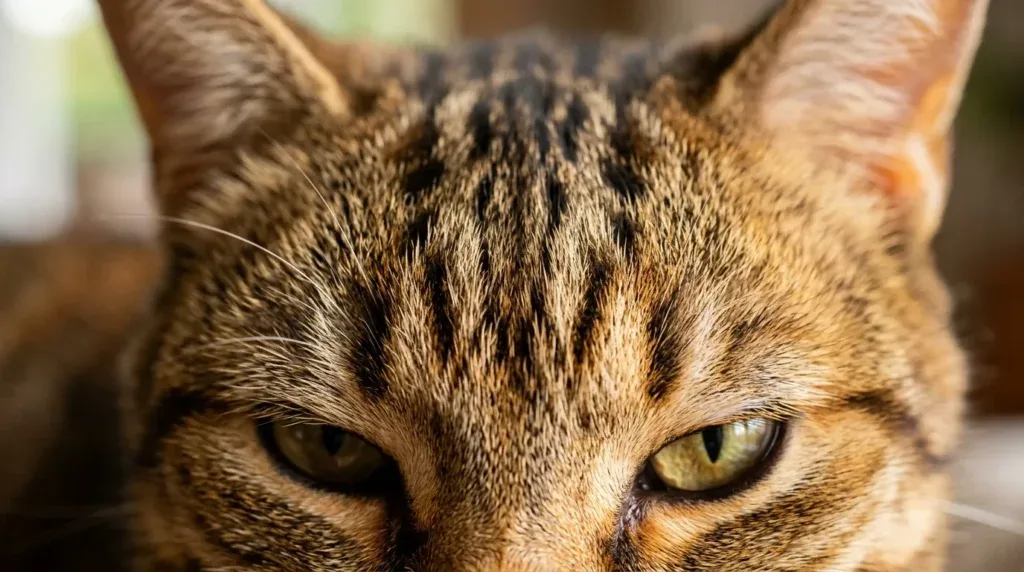
Many tabbies have an “M” shape on their forehead. This mark is a distinct characteristic. It is often associated with tabby cats across different breeds.
Tabby cats are known for their playful nature. They are often friendly and affectionate. Their personalities can vary by individual, not just by pattern.
The Myth Of The Tabby Breed
People often think tabby cats are a breed. They are not. Tabby refers to a coat pattern seen in many breeds.

Credit: www.reddit.com
Tabby Pattern Characteristics
The term “tabby” often sparks curiosity, especially when you realize it’s not actually a breed, but a distinct pattern seen in many cat breeds. Tabby cats are known for their unique and striking coat designs, which come in a variety of patterns. These patterns can reveal a lot about your feline friend’s personality and history. Let’s dive into the main tabby patterns: Classic, Mackerel, Spotted, and Ticked, each with its own charm and characteristics.
Classic Tabby Pattern
Have you ever admired the swirling, marbled designs on a cat’s coat? That’s the classic tabby pattern. This pattern resembles a marble cake, with bold and broad swirls of color across the sides. The classic tabby often has a distinctive “bullseye” on its sides. If your cat has this pattern, it might remind you of ancient art, as its design is both artistic and timeless.
Mackerel Tabby Pattern
The mackerel tabby pattern is probably what comes to mind when you think of a tiger-striped cat. These cats have thin, vertical stripes running parallel down their sides. Imagine the delicate stripes on a fishbone—this is why it’s called “mackerel.” If your tabby sports this pattern, it might give you the impression of a sleek and agile hunter, always ready for action.
Spotted Tabby Pattern
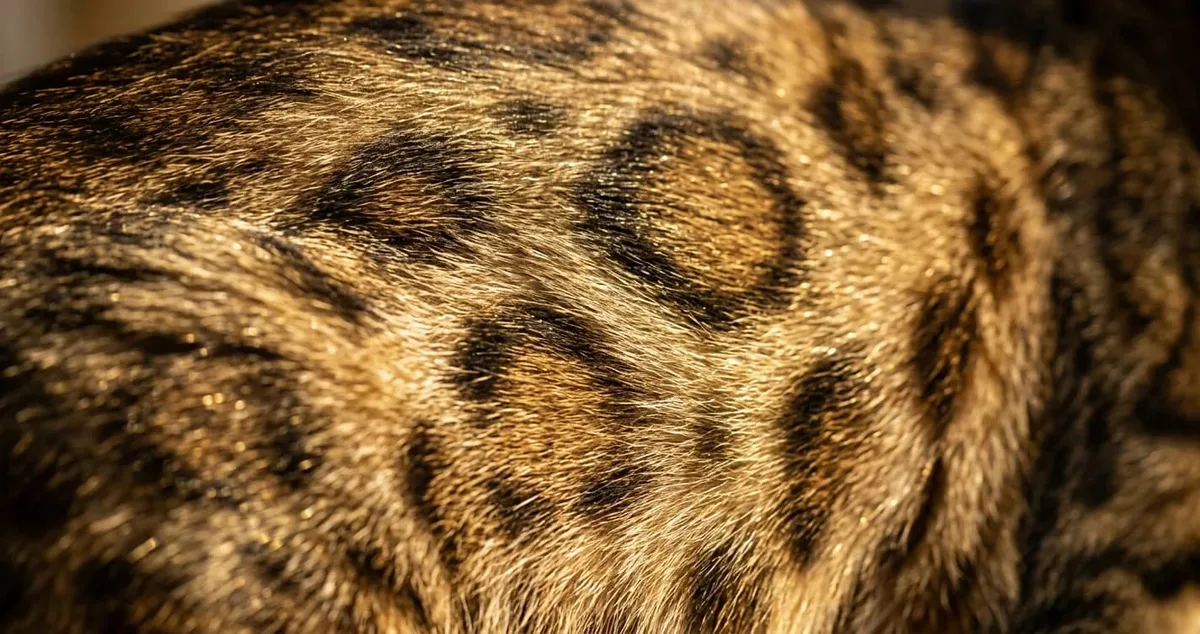
Spotted tabbies look like they might have a touch of wildcat in them. Their coats feature spots instead of stripes, which can vary in size and shape. Some spotted tabbies might remind you of a miniature leopard. Seeing your cat’s spotted coat could make you wonder about the adventurous spirit these spots might hint at. Are they more playful or more curious?
Ticked Tabby Pattern
The ticked tabby is subtle yet fascinating. You won’t find the typical stripes or spots here. Instead, their fur has bands of color that give an overall ticked appearance. Think of it as a salt-and-pepper effect across their body. This pattern might suggest a sophisticated demeanor, as the ticked tabby often appears more refined. Could this pattern reflect a more reserved personality?
Understanding your tabby cat’s pattern can be a fun way to delve deeper into their personality. Have you noticed any behaviors that match their coat design? Share your thoughts below, and let’s unravel the mysteries of these beautiful creatures together!
Genetics Behind Tabby Patterns
The captivating swirls and stripes of tabby cats are more than just a visual delight—they’re a fascinating tale of genetics at play. While you might have admired a tabby’s unique markings, understanding the science behind these patterns can enhance your appreciation for these furry friends. Have you ever wondered why some tabbies have bold stripes while others sport a soft mottle? The answer lies in their genetic makeup, specifically the interplay of the agouti and tabby genes.
Role Of Agouti Gene
The agouti gene is crucial in determining whether a tabby cat will showcase a ticked or banded pattern. This gene controls the distribution of pigments along the hair shaft. Imagine each hair on a tabby cat as a canvas that changes color. The agouti gene orchestrates this change, creating a banding effect that contributes to the tabby’s overall appearance.
Without the agouti gene, a cat’s coat might lack the depth and complexity that make tabbies so distinctive. It’s this gene that allows the lighter and darker bands to appear, adding texture and dimension. Have you noticed how some tabbies seem to shimmer in the sunlight? That’s the agouti gene at work, making each strand a masterpiece.
Influence Of Tabby Gene
While the agouti gene sets the stage, the tabby gene is the director that brings the pattern to life. This gene determines the specific type of tabby pattern you’ll see. You might find yourself captivated by a classic tabby’s bold lines or charmed by the spotted elegance of the mackerel tabby. Each pattern is a unique interpretation of the tabby gene.
The tabby gene operates like a genetic artist, sketching the lines and spots that define a tabby’s look. It’s fascinating to consider that this gene is responsible for such diverse outcomes. Next time you’re petting a tabby, think about how this gene crafted the intricate design under your fingertips. Does knowing the science behind those stripes change how you see them?
Understanding the genetics behind tabby patterns can deepen your connection with these beloved pets. Next time you’re admiring a tabby, remember that the beauty before you is a blend of genes dancing in harmony. Have you noticed any unique patterns in your tabby? What do you think their genes might be saying?

Credit: en.wikipedia.org
Tabby Cats In Various Breeds
Tabby cats are not a breed but a coat pattern found in many cat breeds. Recognizable by their distinctive striped, spotted, or swirled markings, tabby cats captivate with their variety and charm. Whether you’re looking for a common breed or something rare, tabby patterns can be found in numerous feline families, each offering its unique personality and appearance.
Common Breeds Featuring Tabby Patterns
Many popular cat breeds proudly display tabby patterns. Take the American Shorthair, a breed known for its muscular build and friendly demeanor. Their coats often showcase classic tabby patterns, making them a favorite among pet owners.
Consider the Maine Coon, a gentle giant with a luxurious fur coat. Tabby patterns in Maine Coons are quite common, adding an extra layer of allure to their already charming presence.
Have you ever noticed the playful energy of a Bengal cat? Their wild appearance often includes tabby markings, resembling their exotic ancestors. These cats bring a touch of the wild into your home.
Rare Breeds With Tabby Patterns
While some breeds like the Scottish Fold or the Sphynx might not be the first to come to mind, they can showcase tabby patterns. The Scottish Fold, with its signature folded ears, occasionally sports a tabby coat, adding a unique twist to its charming appearance.
Imagine a Sphynx with tabby patterns—an intriguing sight indeed! These hairless cats can have subtle tabby markings on their skin, making them a rare and fascinating example of tabby patterns in unusual breeds.
Have you ever wondered if rare breeds offer the same diversity in tabby patterns as common ones? The answer is yes. Even breeds like the Norwegian Forest Cat can surprise you with striking tabby designs, reminding us of the endless possibilities within feline genetics.
When choosing a tabby cat, think about the breed that best fits your lifestyle. Do you prefer the playful antics of a Bengal or the calming presence of a Maine Coon? The tabby pattern is just the beginning; the breed’s characteristics can make all the difference in your furry friend experience.
Tabby Cats And Their Personalities
Tabby cats captivate with their striking fur patterns. Their unique personalities add to their charm. Many see these felines as affectionate and playful companions. Understanding their traits helps in bonding better with them.
Behavioral Traits
Tabby cats exhibit curious behavior. They love exploring new spaces. Their inquisitive nature keeps them active. Many tabbies show hunting instincts. This stems from their wild ancestry. Owners often notice their agile movements. Tabby cats enjoy chasing toys around the house.
Social Characteristics
Tabby cats are known for being sociable. They often seek human interaction. Many owners find them cuddly and affectionate. Tabby cats can be quite vocal. Their meows express their moods. These cats enjoy being part of family activities. They often follow their owners around.
Tabby Cats In History
Tabby cats, often mistaken as a breed, actually represent a distinctive coat pattern seen across various cat breeds. Their unique stripe and swirl markings have appeared in history through art and folklore, captivating enthusiasts worldwide. Each tabby showcases a mesmerizing blend of colors and patterns, making them universally adored.
Tabby cats have a rich history that intertwines with human civilization. These cats, known for their distinctive coat patterns, have held a place in the hearts and homes of people for centuries. Let’s explore how tabby cats have left their mark on history and culture.Historical Significance
Tabby cats have been around for thousands of years. Evidence of their presence dates back to ancient Egypt, where cats were revered and often depicted in art. These feline companions were associated with the goddess Bastet, symbolizing protection and fertility. In medieval Europe, tabby cats were cherished for their hunting skills. They played a crucial role in controlling rodent populations, especially during times when diseases like the plague were rampant. This practical benefit made them indispensable to households. You might find it fascinating that tabby cats were also believed to possess mystical powers. Some cultures regarded them as good luck charms, while others saw them as protectors against evil spirits. Their unique markings were often thought to be a sign of their magical abilities.Cultural Representations
Tabby cats have appeared in various cultural narratives and folklore. In literature, they have been featured as clever and mischievous characters. Think of Lewis Carroll’s Cheshire Cat from “Alice’s Adventures in Wonderland,” whose mysterious grin captivated readers. In art, tabby cats have been painted and sculpted throughout history. Their distinctive patterns and charming demeanor make them popular subjects. Artists have often used them to symbolize domesticity and comfort. Movies and television also highlight tabby cats. Many animated films and shows feature lovable tabby characters that appeal to both children and adults. They often embody traits like curiosity and playfulness, resonating with audiences worldwide. Do you have a tabby cat at home? Their historical and cultural significance adds an intriguing layer to their already captivating presence. Next time you watch your tabby pounce or lounge in the sun, consider the long and storied history that accompanies those stripes and swirls.Caring For Tabby Cats
Tabby is not a breed; it’s a coat pattern found in many cat breeds. Caring for tabby cats involves understanding their individual needs. Regular grooming and a balanced diet keep them healthy and happy.
Caring for Tabby Cats involves understanding their unique needs. These cats can be friendly and playful. But they require specific care to stay healthy and happy. Their care includes proper diet and grooming routines. Both are essential for their well-being.Dietary Needs
A balanced diet keeps a tabby cat healthy. High-quality cat food with protein is crucial. Protein supports their active lifestyle. Wet food can add moisture to their diet. Dry kibble helps keep their teeth clean. Always provide fresh water. Hydration is vital for their health. Avoid feeding them human food. It can cause health issues. Consult a vet for dietary advice. They can suggest specific brands and food types.Grooming Tips
Regular grooming keeps a tabby’s coat shiny. Brushing helps remove loose hair. It reduces shedding and prevents hairballs. Use a soft brush for gentle care. Brush your tabby at least once a week. Check their ears for dirt. Clean them with a damp cloth. Trim their nails regularly to prevent overgrowth. Bathing is not always needed. But do it if your tabby gets dirty. Use cat-specific shampoo for safety. Grooming strengthens your bond with your cat. It makes them feel loved and cared for.
Credit: www.reddit.com
Frequently Asked Questions
What Are The Breeds Of Cats?
Popular cat breeds include Persian, Siamese, Maine Coon, Ragdoll, and Bengal. Each breed has unique characteristics. Some breeds are known for their friendliness, while others are more independent. Short-haired cats like the British Shorthair are low maintenance. Long-haired cats like the Himalayan require more grooming.
Is Tabby A Rare Breed?
Tabby is not a rare breed. It refers to a coat pattern found in many cat breeds. This pattern features distinctive stripes, dots, or swirling designs. Tabby cats are common and come in various colors and personalities, making them popular among pet owners.
Why Is A Tabby Called A Tabby?
The term “tabby” originates from the French word “tabis,” referring to a type of striped silk. The unique coat patterns of tabby cats resemble this silk’s distinctive design. These patterns include stripes, spots, or whorls, making them easily recognizable and popular among cat enthusiasts.
Are All Cats Genetically Tabby?
Yes, all cats carry the tabby gene. The tabby pattern can be hidden under solid colors. Even solid-colored cats have tabby genetic markers. This genetic trait is a fundamental aspect of feline DNA.
Conclusion
Tabby cats come in various shapes and sizes. They are not a breed. It’s a coat pattern seen in many cat breeds. Stripes, dots, and swirls are common tabby patterns. These patterns offer unique beauty to cats. Many people love tabby cats for their playful nature.
They are friendly and often make great pets. Tabby cats can be purebred or mixed-breed. Their charm lies in their distinct markings. Whether purebred or mixed, tabby cats bring joy and warmth. Understanding tabby patterns helps in identifying different cat breeds.
Enjoy the diversity these charming cats offer in your home.

Similar Posts