How Do Vets Spay a Cat: Step-by-Step Guide
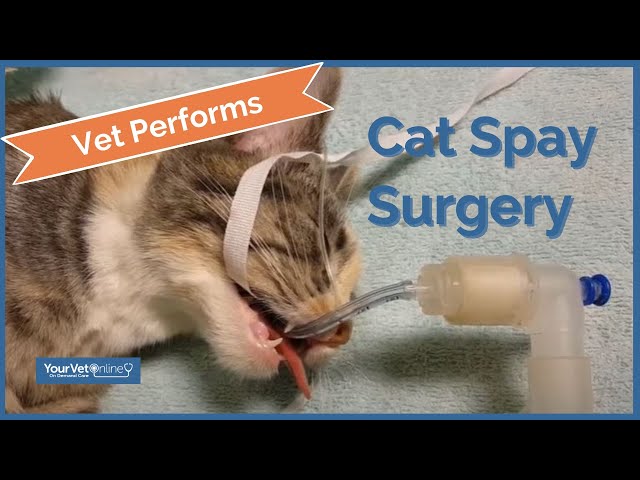
Have you ever wondered what goes on during a cat’s spaying procedure? If you’re a cat owner, or thinking about adopting a feline friend, understanding this common veterinary practice is essential.
You want the best for your furry companion, and knowing how vets spay a cat can ease your concerns and help you make informed decisions about their health. This procedure isn’t just about preventing unwanted litters; it can also contribute to your cat’s overall well-being.
Dive into the details and discover why spaying is a crucial step in responsible pet ownership. Unravel the mystery behind the vet’s door, and empower yourself with knowledge that can make a world of difference for your beloved pet. Your cat’s health is in your hands—learn how you can ensure they live a long, happy life.
Pre-surgery Preparations
Vets prepare for cat spaying by ensuring the pet’s health and fasting before surgery. They clean and sterilize the surgical area. Careful monitoring of vital signs ensures the cat’s safety during the procedure.
Preparing your cat for a spay surgery is an essential step to ensure a smooth procedure and recovery. By understanding the pre-surgery preparations, you can help reduce stress for both you and your feline friend. Let’s explore the steps involved and what you should expect.Initial Health Assessment
Before the surgery, your vet will conduct a thorough health assessment of your cat. This involves checking vital signs, listening to the heart and lungs, and examining the overall physical condition. It’s essential to identify any underlying health issues that could complicate the surgery. Blood tests might be performed to assess organ function. This helps the vet determine if your cat is fit for anesthesia. If you’ve ever wondered why some animals get sick after surgery, it often ties back to pre-existing conditions.Fasting Instructions
Fasting is crucial before surgery to prevent complications with anesthesia. Typically, vets will advise you to withhold food from your cat for about 12 hours before the procedure. Water, however, may be allowed until the morning of the surgery. This step is more important than it seems. Anesthesia can cause nausea, and having an empty stomach reduces the risk of vomiting. It’s a simple yet crucial part of ensuring your cat’s safety.Pre-surgery Medication
Your vet may prescribe certain medications before the surgery. These can include antibiotics to prevent infection and pain relief to manage discomfort. Ask your vet for clear instructions on how and when to administer these medications. Some cats might be anxious or stressed before surgery. If your cat is particularly nervous, discuss calming supplements or options with your vet. It’s all about ensuring your cat is as comfortable as possible leading up to the procedure. Are you prepared for your cat’s upcoming surgery? Understanding these steps can make all the difference in supporting your feline friend through this process.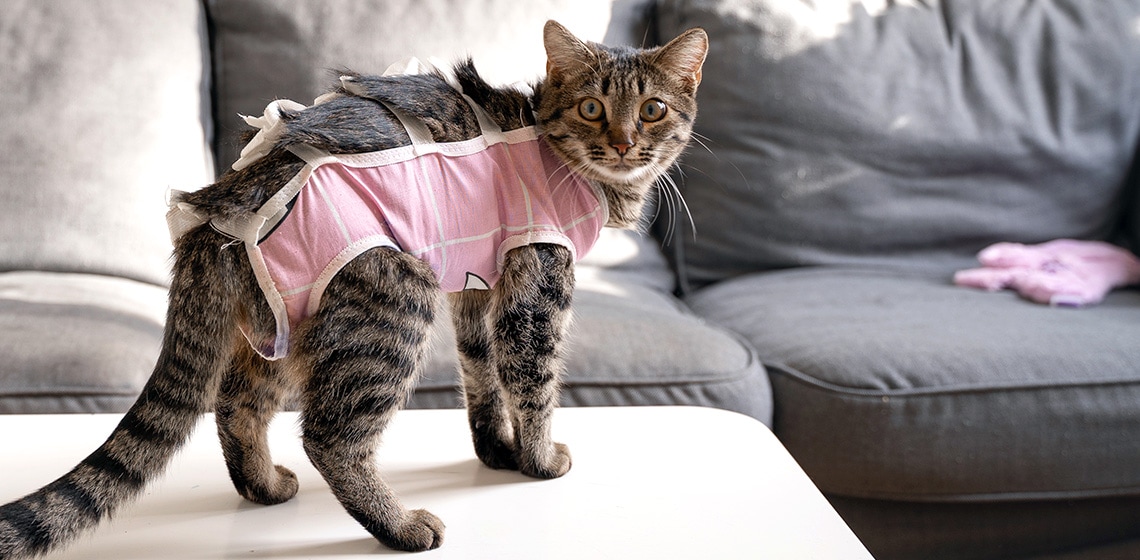
Credit: thevets.com
Anesthesia Administration
Veterinarians use anesthesia to safely spay a cat, ensuring she feels no pain. This involves administering a controlled dose to make her sleep. The procedure is performed with precision and care.
When it comes to spaying a cat, anesthesia administration is a crucial step that ensures your furry friend remains pain-free and comfortable during the procedure. The process begins with selecting the appropriate anesthesia tailored to the cat’s specific needs. This pivotal choice sets the stage for a safe and efficient operation.Choosing The Right Anesthesia
Choosing the right anesthesia is essential. Vets consider factors like your cat’s age, weight, and overall health. They may opt for general anesthesia, which keeps the cat asleep and unaware, or local anesthesia for smaller procedures. Imagine your vet as a detective, piecing together clues from your cat’s medical history. They aim to pick an option that minimizes risks and maximizes comfort.Monitoring Vital Signs
Once anesthesia is administered, monitoring vital signs becomes the focus. Vets keep a close watch on heart rate, breathing, and body temperature. Monitoring ensures your cat remains stable throughout the procedure. Just like how you might check your own pulse during a workout, vets use specialized equipment for precision. Have you ever wondered how vets ensure your cat’s safety during surgery? It’s through vigilant monitoring and quick adjustments if needed. This ongoing care is vital for a smooth recovery. Your cat’s experience is central to the spaying process. Anesthesia is not just a medical procedure; it’s a commitment to their comfort and well-being.Surgical Procedure
Spaying a cat is a routine surgical procedure performed by veterinarians. It helps control the pet population and prevent certain health issues. The procedure involves several important steps. Each step is critical to ensure the cat’s safety and recovery. Let’s explore these steps in detail.
Incision Location
The vet begins by making a small incision. The incision is usually on the cat’s abdomen. This allows access to the reproductive organs. The size of the incision depends on the cat’s size and condition. It’s small to minimize healing time and discomfort.
Ovary And Uterus Removal
Once the incision is made, the vet locates the ovaries and uterus. These organs are carefully detached from surrounding tissues. Vets use special tools to remove them safely. This step prevents future pregnancies and reduces health risks.
Closing The Incision
After removing the ovaries and uterus, the vet closes the incision. Sutures or surgical glue are used for closure. This ensures that the incision heals properly. Vets ensure that the closure is secure to prevent infections. Post-surgery care is essential for recovery.
Credit: forevervets.com
Post-surgery Care
Spaying a cat is a common procedure, but what happens afterwards is crucial for your feline friend’s health. Post-surgery care is essential to ensure a smooth recovery and prevent complications. It’s a time when your attention and care can make all the difference in how quickly and comfortably your cat returns to her usual playful self.
Monitoring Recovery
Keep an eye on your cat’s behavior and activity levels after surgery. Is she eating and drinking normally? Does she seem unusually lethargic? It’s normal for her to be a bit less active, but prolonged inactivity can be a sign of discomfort or complications.
Check the incision site regularly. Look for signs of swelling, redness, or discharge. These could indicate issues that need immediate attention. You know your cat best—trust your instincts if something seems off.
Pain Management
Managing your cat’s pain is a top priority. Your vet will likely provide pain relief medication. Ensure you administer it as directed. Never give human pain medication to your cat—it can be harmful.
Notice if she’s showing signs of pain, like hiding or growling when touched. A soft, cozy spot can help her rest comfortably. A small touch like a warm blanket can make a big difference in her comfort.
Preventing Infections
Preventing infections is crucial for a speedy recovery. Keep the incision site clean and dry. Avoid letting your cat lick or scratch the area. An Elizabethan collar can be helpful to prevent this.
Maintain a clean environment. Ensure her bedding is fresh and her litter box is clean. This reduces the risk of bacteria that could cause an infection.
Are you prepared for the post-surgery care your cat needs? With attentive monitoring, effective pain management, and preventive measures against infections, you can ensure her recovery is smooth and stress-free. Your vigilance today sets her up for a healthy tomorrow. Is there a special tip you have for post-surgery care? Feel free to share in the comments below!
Long-term Health Benefits
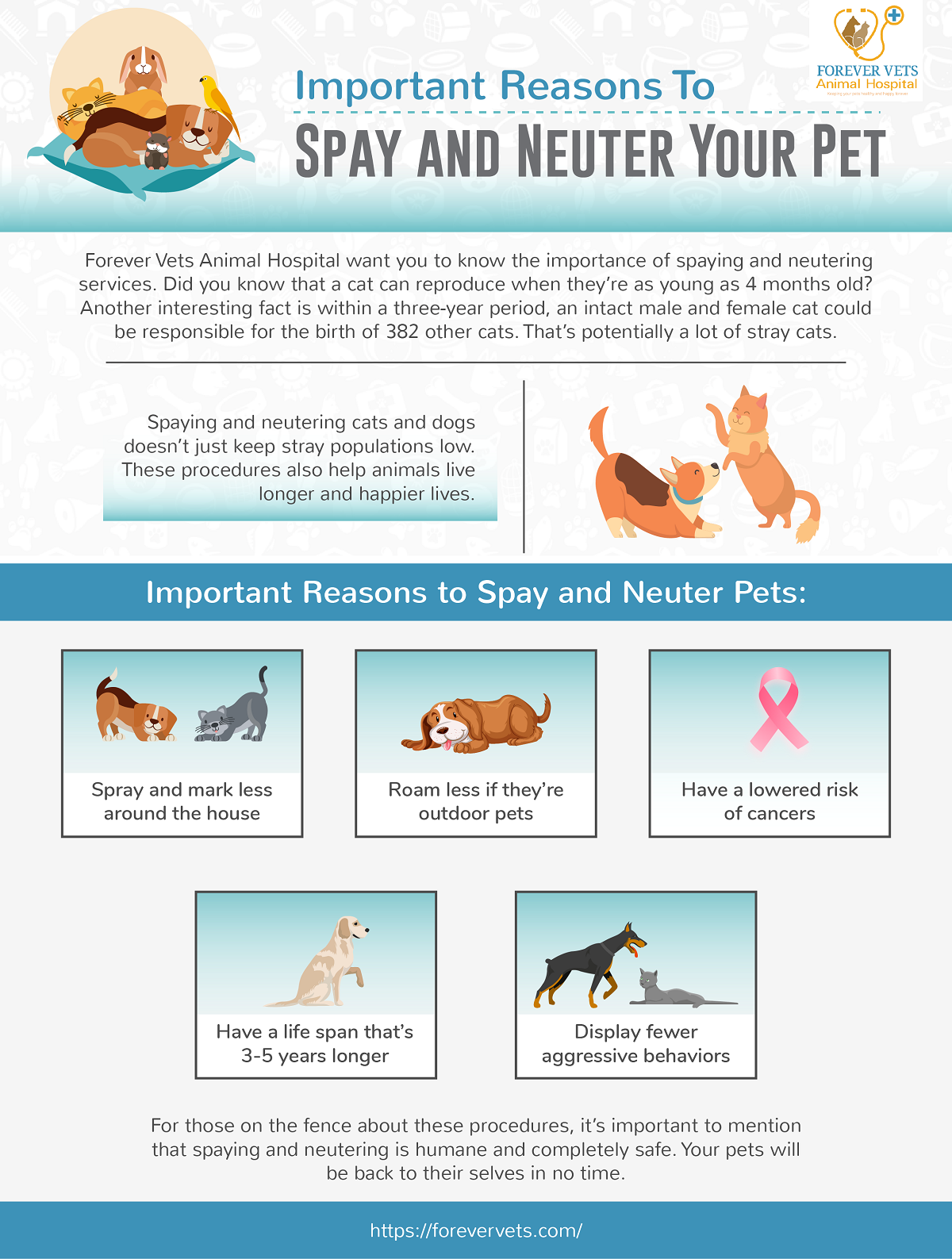
Vets perform spaying by removing a cat’s ovaries and uterus, ensuring long-term health benefits. This procedure prevents diseases like ovarian cancer and reduces unwanted behaviors. It also contributes to population control, offering a healthier future for cats.
Spaying your cat is not only a responsible choice as a pet owner but also a beneficial one for your feline friend’s health. The long-term health benefits of spaying are numerous and significant. By opting for this procedure, you are actively contributing to your cat’s well-being and longevity.Reduced Health Risks
Spaying your cat dramatically lowers the risk of certain types of cancers. Did you know that it nearly eliminates the possibility of ovarian cancer? It also reduces the risk of mammary gland tumors, which are malignant in 90% of cats. Additionally, spayed cats are less likely to suffer from uterine infections. These infections can be life-threatening and require immediate medical attention. By spaying, you avoid these risks entirely.Behavioral Changes
Spayed cats often exhibit calmer behaviors. The absence of hormonal fluctuations means your cat is less likely to roam in search of a mate. This reduces the risk of getting lost or injured. You might also notice a decrease in aggressive tendencies. Without the urge to compete for mates, cats are generally more relaxed and friendly. This can lead to a more harmonious home environment for both you and your pet.Making the choice to spay your cat is a proactive step towards ensuring a healthier, happier life. Imagine the peace of mind knowing you’ve reduced potential health issues and behavioral challenges. Have you considered how this decision might positively impact your cat’s well-being?
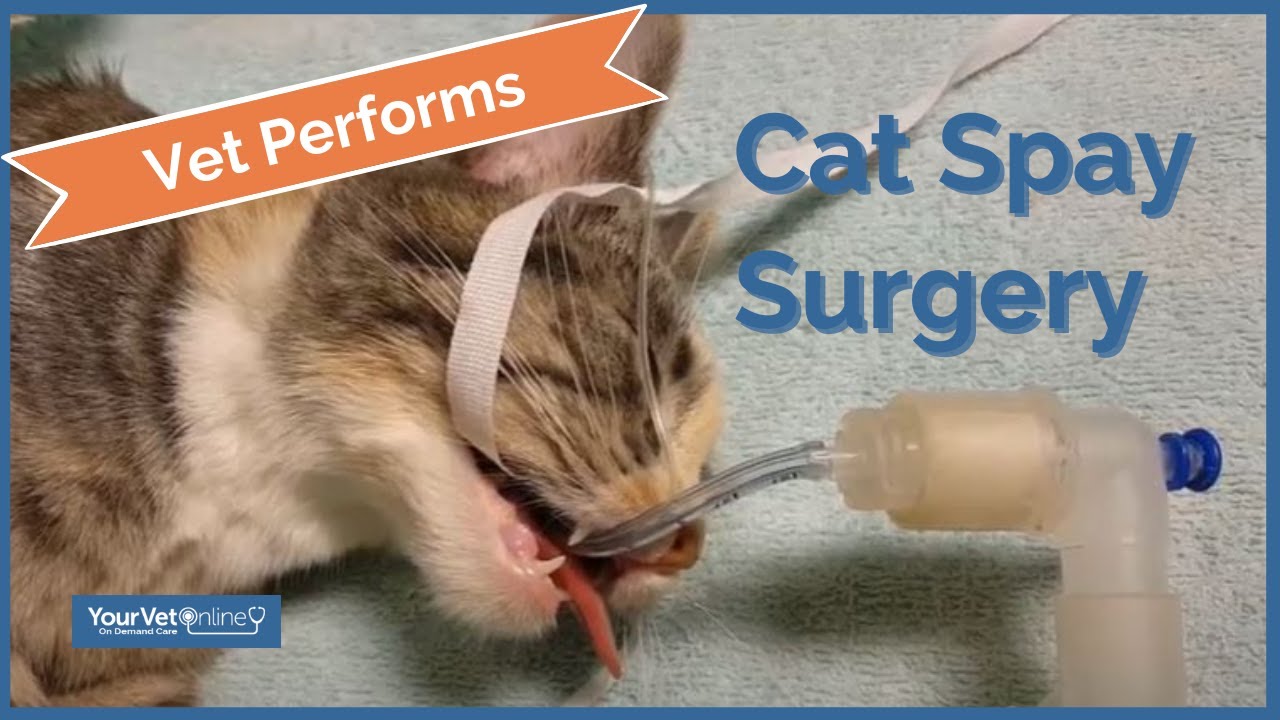
Credit: www.youtube.com
Frequently Asked Questions
Is Spaying A Female Cat Painful?
Spaying a female cat involves surgery, which may cause discomfort. Vets provide pain relief to minimize pain. Most cats recover quickly and resume normal activities. Consult your vet for advice on pain management and post-operative care.
How Does A Vet Spay A Female Cat?
A vet performs a spay by making a small incision in the abdomen. They remove the ovaries and uterus. The incision is then closed with sutures. This procedure prevents pregnancy and reduces health risks. Recovery takes about 10-14 days, during which the cat needs rest and minimal activity.
How Long Does A Female Cat Spay Operation Take?
A female cat spay operation typically takes 30 to 60 minutes. Recovery may require several hours. Always consult your vet for specifics.
How Does A Female Cat Change After Being Spayed?
A spayed female cat often becomes calmer and less territorial. She may display reduced roaming and aggressive behaviors. Weight gain is possible, so monitor her diet and exercise. Her overall health improves, reducing the risk of certain diseases. Spaying helps her live a longer, healthier life.
Conclusion
Spaying a cat is vital for pet health. It prevents unwanted litters. The process involves careful steps by skilled vets. They prioritize safety and comfort. Recovery is quick with proper care. Following vet advice ensures smooth healing. Spaying benefits your pet in many ways.
It reduces health risks and unwanted behaviors. Understanding the process helps you make informed decisions. Keep your cat safe and healthy. Trust your vet’s expertise. They ensure a successful procedure. Your pet deserves the best care. Make the choice for a healthier future.

Similar Posts