
Do you find yourself sniffling and sneezing every time you’re near a cat? You’re not alone.
Cat allergies can turn a love for these furry creatures into a frustrating experience. But what if you could learn to manage these allergies effectively? Imagine enjoying the company of your feline friends without the constant discomfort. You’ll discover practical solutions and tips to help you live more comfortably with your allergy.
Whether you’re a cat owner or considering adopting one, understanding how to handle your symptoms can make all the difference. Keep reading, because relief and a happier coexistence with cats might be just a few steps away.
:max_bytes(150000):strip_icc()/cat-allergies-how-to-treat-cats-with-allergies-4864046-ADD-COLOR-FINAL-afc1ad2265144be2be12d86e3d6f2d8f.png)
Credit: www.treehugger.com
Identifying Cat Allergies
Discovering a cat allergy involves recognizing symptoms like sneezing, itchy eyes, or skin rashes. Managing these allergies might include regular cleaning, using air purifiers, or consulting a doctor for medication. Understanding triggers helps improve comfort while living with cats.
Identifying cat allergies can be a tricky task, especially if you adore the company of your feline friend. Have you ever noticed sneezing or itchy eyes after cuddling your cat? It might not just be a coincidence. Understanding the symptoms and getting a proper diagnosis is crucial to managing your allergy effectively.Common Symptoms
Cat allergies can manifest in various ways. Sneezing, runny nose, and itchy eyes are typical signs. But did you know that skin rashes or hives can also be symptoms? Some people experience coughing or wheezing, which might make you wonder if it’s just a cold. If these symptoms persist, especially after interacting with cats, it’s worth taking a closer look. Sometimes, the symptoms can be mild and easily ignored. But ignoring them won’t make them disappear. Have you ever tried noting down when your symptoms flare up? This could offer a clear pattern that helps in identifying your allergy.Diagnosing Allergies
Getting a proper diagnosis is essential. You might think a quick online search will suffice, but nothing beats a professional assessment. Consider scheduling an appointment with an allergist. They can conduct tests, like a skin prick test, to confirm if cats are the culprit. A simple blood test can also provide insights into your allergies. Have you ever wondered if your symptoms might stem from something else? Pollen, dust, or even certain foods can mimic similar reactions. A comprehensive diagnosis will help you pinpoint the exact cause and guide you toward effective solutions. Remember, understanding your allergy is the first step in reclaiming your comfort around cats. Are you ready to take that step?
Credit: www.wikihow.com
Home Environment Adjustments
Adjusting your home environment can help manage cat allergies effectively. Regular cleaning, using air purifiers, and designating pet-free zones reduce allergen exposure. Washing hands after pet contact also minimizes allergic reactions, creating a more comfortable living space.
Dealing with a cat allergy doesn’t mean you have to part ways with your furry friend. Instead, you can make some simple adjustments to your home environment to breathe easier and enjoy your pet’s company. By focusing on air purification, cleaning practices, and the right furniture and fabrics, you can significantly reduce allergens in your living space.Air Purification
An air purifier can be your best friend when managing cat allergies. Choose one with a HEPA filter to effectively trap pet dander and other allergens. Place it in the rooms where you spend the most time, like the living room and bedroom, for optimal results. Consider adding houseplants that can naturally purify the air. Spider plants and peace lilies are known to improve air quality. However, ensure they are safe for cats if your feline friend is a curious nibbler.Cleaning Practices
Regular cleaning can make a world of difference in controlling cat allergens. Vacuum your floors and furniture at least twice a week using a vacuum cleaner with a HEPA filter. This helps in capturing the dander that settles on surfaces. Wash your cat’s bedding and toys frequently. This simple task can significantly reduce the amount of allergens in your home. You might find that dedicating 15 minutes daily to dusting and tidying keeps the allergies at bay.Furniture And Fabrics
Your choice of furniture and fabrics can influence allergen levels. Opt for leather or synthetic leather furniture, as these materials do not trap allergens like fabric does. They are also easy to wipe down. For fabrics, choose tightly woven materials for your curtains and cushion covers. They trap fewer allergens and are easier to clean. If you love carpets, consider using washable area rugs that you can clean regularly. Making these adjustments can transform your home into a more allergy-friendly environment. Have you already tried any of these tips? What changes have made the biggest impact for you?Medication And Treatments
Struggling with cat allergies? Explore medication and treatments. Antihistamines can help manage symptoms effectively. Immunotherapy offers long-term relief. Consult a healthcare professional for tailored solutions. Enjoy feline companionship with minimized discomfort.
Dealing with a cat allergy can be challenging, especially if you’re an animal lover. Thankfully, there are several medication and treatment options available that can help you manage your symptoms effectively. Whether you’re sneezing, itching, or experiencing other allergic reactions, understanding your options can make a significant difference in your quality of life.Antihistamines
Antihistamines are often the first line of defense against cat allergies. They work by blocking the action of histamine, a chemical in your body that triggers allergy symptoms. Over-the-counter options like loratadine (Claritin) and cetirizine (Zyrtec) are popular choices. Consider keeping a pack of antihistamines in your medicine cabinet. They can offer quick relief when you unexpectedly encounter a cat. Have you tried them before? You might find they work wonders for your symptoms.Nasal Sprays
If your main issue is nasal congestion or a runny nose, nasal sprays might be more effective. Options like fluticasone (Flonase) or mometasone (Nasonex) are corticosteroid sprays that reduce inflammation in the nasal passages. Use these sprays daily for the best results. Many people notice a significant improvement in their symptoms with consistent use. Could this be the solution you’ve been overlooking?Immunotherapy
For those with severe cat allergies, immunotherapy might be worth considering. This treatment involves getting allergy shots that gradually reduce your sensitivity to allergens. It requires a long-term commitment, but the results can be life-changing. Imagine being able to visit friends with cats without worrying about your allergies flaring up. Wouldn’t that be a relief? Talk to your allergist to see if immunotherapy is suitable for you. Incorporating these treatments into your routine can help you manage cat allergies more effectively. Have you tried any of these options? Share your experiences and help others navigate this common challenge.Lifestyle Changes
Dealing with a cat allergy requires thoughtful lifestyle changes. These changes can help reduce symptoms and make living with a cat more comfortable. Creating specific areas in your home, adopting grooming habits, and managing your exposure are key steps. Let’s explore these strategies.
Pet-free Zones
Designate certain rooms in your home as pet-free zones. Bedrooms are ideal spaces to keep free from cats. This provides a safe area to sleep without allergens. Use air purifiers in these spaces to reduce airborne particles. Keep doors closed to maintain these zones.
Grooming Practices
Regular grooming of your cat can help minimize allergens. Brush your cat outdoors to prevent allergens from spreading inside. Use a damp cloth to wipe their fur. This removes loose hairs and dander. Consider using allergen-reducing pet shampoos.
Limiting Exposure
Limit direct contact with your cat. Avoid touching your face after petting your cat. Wash your hands immediately. Use antihistamines to reduce allergy symptoms. Wear a mask and gloves when cleaning litter boxes. This reduces exposure to allergens.
Alternative Solutions
Struggling with cat allergies can be challenging. Explore natural remedies like air purifiers and regular cleaning to reduce allergens. Consider hypoallergenic cat breeds or allergy treatments to enjoy feline companionship without discomfort.
Finding out you’re allergic to cats can feel like a major hurdle, especially if you’re an animal lover. But don’t worry, there are alternative solutions to help you manage those pesky symptoms without having to say goodbye to your furry friend. From choosing the right breed to exploring natural remedies, these tips can make a significant difference in your life. Let’s dive into some effective strategies that could transform your experience.Hypoallergenic Breeds
Believe it or not, not all cats trigger allergies in the same way. Some breeds produce fewer allergens, which can make a world of difference for those with sensitivities. Consider breeds like the Siberian, Balinese, or Devon Rex. These cats are known for producing less of the protein that commonly triggers allergic reactions. You might find that living with a hypoallergenic cat can reduce your symptoms significantly. It could be the perfect compromise if you’re determined to have a feline companion.Natural Remedies
You might be surprised by the natural remedies that can alleviate cat allergy symptoms. Simple changes in your environment and habits can make a big impact. Try adding an air purifier to your home to reduce allergens in the air. Regular cleaning, especially vacuuming with a HEPA filter, can also help keep allergens at bay. Consider using essential oils like eucalyptus or peppermint, known for their anti-inflammatory properties. A drop or two in a diffuser might help ease your breathing. Ever thought about incorporating quercetin-rich foods like apples and berries into your diet? This natural compound has been shown to reduce allergic responses. Have you tried any of these solutions before, or are you open to exploring these options? You might discover that a combination of these methods offers you the relief you need.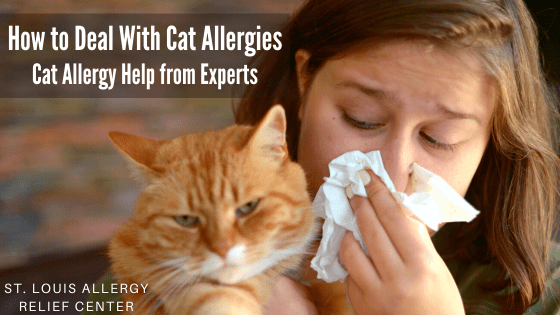
Credit: stlouisallergyrelief.com
Emotional Considerations
Managing a cat allergy can be emotionally challenging. Struggling with feelings of guilt, especially when beloved pets are involved, is common. Exploring allergy-friendly options and seeking support helps in balancing pet ownership and health needs.
Dealing with a cat allergy can be more than just a physical challenge. It often comes with emotional hurdles that can affect your well-being. The bond between a pet and its owner is special, and having to navigate an allergy can strain that relationship. Understanding the emotional aspects can help you manage your situation better.Coping Mechanisms
It’s normal to feel overwhelmed when facing a cat allergy. One effective way to manage this is by finding coping mechanisms that work for you. Consider keeping a journal to track your emotions and allergy triggers. This can provide clarity and control over your situation. Breathing exercises can also be beneficial. They help reduce stress and anxiety, especially when allergy symptoms flare up. Simple techniques like deep breathing or meditation can make a significant difference. What activities make you feel calm? Engaging in hobbies you love can distract you from the discomfort and help lift your mood. Whether it’s reading, painting, or gardening, find what brings you peace.Support Systems
Having a solid support system is crucial. Do you have friends or family who understand your struggles? Sharing your experiences with them can lighten your emotional load. They can offer advice, accompany you to doctor appointments, or simply listen. Online communities can also be a great resource. Joining forums or social media groups with others who face similar challenges can provide a sense of belonging. You’ll find practical tips and emotional support from people who truly understand. Professional help should not be overlooked. Speaking with a therapist can provide you with strategies to manage stress and emotions linked to your allergy. They can guide you through difficult feelings and help you develop a positive mindset. Facing a cat allergy doesn’t mean you have to go through it alone. Building a network of understanding and support can make this journey much easier. How will you strengthen your support system today?Consulting Professionals
Dealing with a cat allergy can be tough. Professional help can make a big difference. Experts offer guidance and solutions. They help manage symptoms effectively. Knowing when and how to seek help is crucial. Let’s explore the steps to take.
When To See A Doctor
Not sure if you need a doctor? Look for persistent symptoms. Constant sneezing, itchy eyes, or skin rashes? These signs might need medical attention. If over-the-counter meds don’t help, it’s time. Visit a healthcare provider for proper advice. Early consultation can prevent complications. A doctor can confirm if you have a cat allergy. They might suggest specific tests to be sure.
Working With Allergists
An allergist specializes in allergies. They are trained to help you. They will perform tests to identify triggers. Allergists can provide a personalized treatment plan. This plan may include medications or lifestyle changes. Sometimes, allergists suggest immunotherapy. This involves allergy shots to reduce reactions. Regular follow-ups ensure the treatment works. Allergists offer expert advice tailored to your needs.
Frequently Asked Questions
Can You Get Rid Of A Cat Allergy?
You cannot completely get rid of a cat allergy. Allergy management includes medications, reducing cat exposure, and cleaning. Consult an allergist for personalized treatments. Immunotherapy may help reduce symptoms over time.
How To Live With A Cat If Allergic?
Keep cats out of the bedroom to reduce allergens. Use air purifiers and vacuum regularly. Wash hands after petting. Consider allergy medications or immunotherapy. Consult your doctor for personalized advice.
Can I Keep A Cat If I Am Allergic?
Yes, you can keep a cat despite allergies. Choose hypoallergenic breeds like Siberian or Balinese. Regular cleaning and air purifiers can help reduce allergens. Consult a doctor for allergy management.
Can Your Body Adapt To Cat Allergies?
Your body can sometimes adapt to cat allergies over time. Repeated exposure may reduce symptoms. Allergy treatments and immunotherapy can help, but consult a doctor before trying. Each person’s response varies, so it’s essential to monitor your reactions and seek professional advice for managing cat allergies effectively.
Conclusion
Living with a cat allergy can be challenging but manageable. Identify triggers and minimize exposure. Consider allergy-friendly products for your home. Regular cleaning helps reduce allergens. Consult a doctor for medical advice if needed. Allergy medications can provide relief. Consider pet-free zones in your house.
Air purifiers can improve air quality. Stay informed about allergy treatments. Remember, it’s about creating a comfortable environment. Your health comes first. Understanding and action make living with allergies easier. Take steps to enjoy a cat-friendly life. You can manage this with the right approach.