How to Deal With an Aggressive Cat Towards Other Cats: Expert Tips

Have you ever found yourself in a tense situation where your beloved feline turns aggressive towards other cats? If so, you’re not alone.
Many cat owners face this challenge, and it can be quite stressful. Imagine the peace of a harmonious home where your cats coexist happily, rather than hissing and swiping at each other. Sounds wonderful, doesn’t it? Understanding why your cat behaves aggressively is the first step towards a serene environment.
This article will guide you through practical strategies to help manage and reduce your cat’s aggressive tendencies. You’ll discover techniques that not only ease the tension but also strengthen the bond you share with your cat. Dive in, and let’s transform chaos into calm together.
Recognizing Aggression Signs
Watch for hissing, growling, or swatting; these signs show a cat’s aggression towards others. Separate the cats and provide safe spaces to calm tensions. Use positive reinforcement to encourage peaceful interactions.
Recognizing aggression signs in cats is crucial for maintaining a peaceful household. Identifying these signs early can prevent potential conflicts and ensure a harmonious environment for your feline friends. It’s essential to understand what these signs look like, so you can take action before the situation escalates.Understanding Body Language
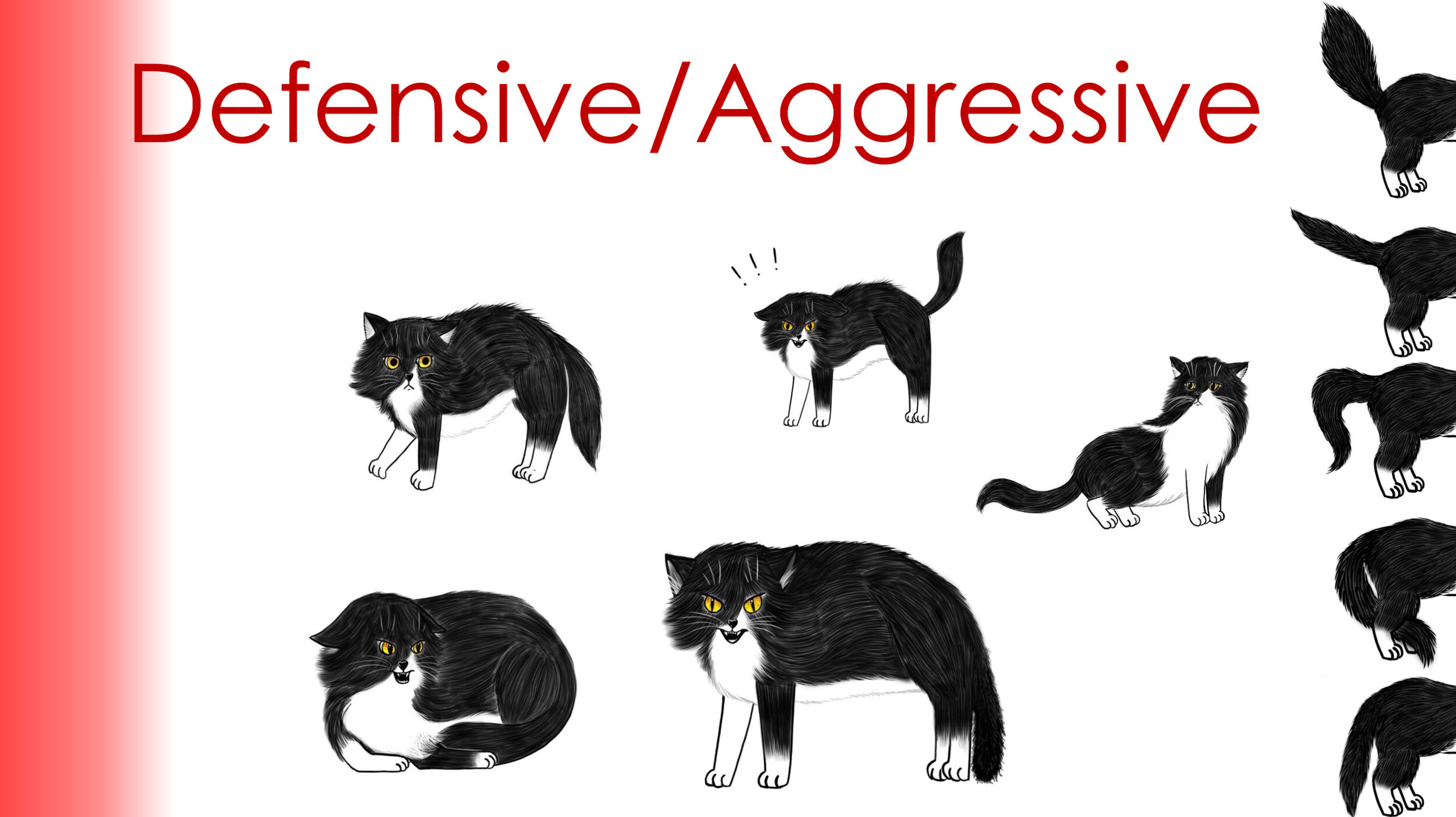
Cats communicate a lot through their body language. Pay attention to puffed-up fur, an arched back, or a bushy tail. These are clear indicators of aggression. A cat that feels threatened may also hiss or growl. Observing these signs can help you intervene before a fight breaks out. Remember, the goal is to create a safe space for all your pets.Recognizing Vocal Cues
Vocal cues are another important aspect of cat communication. An aggressive cat may emit a low growl or prolonged hiss. These sounds differ from normal meowing and indicate distress or anger. When my cat started growling at her new feline roommate, I knew it was time to assess the situation. By recognizing these vocal cues, you can better understand your cat’s emotional state.Noticing Behavioral Changes
Behavioral changes often accompany aggression. A cat might start avoiding certain areas or react defensively when another cat approaches. You might see your cat swatting or displaying aggressive postures. Think about whether your cat has become more territorial. Such shifts can be a sign of underlying aggression towards other cats.Monitoring Eye Contact
Cats use eye contact to assert dominance. An aggressive cat might stare intensely at another cat, which can be intimidating. This type of eye contact is often a precursor to physical aggression. Have you noticed your cat staring down another feline in your home? It’s a subtle but important sign to look out for. Understanding these signs is only half the battle. How can you create a more peaceful environment for your cats? Recognizing these signals is the first step to addressing aggression effectively.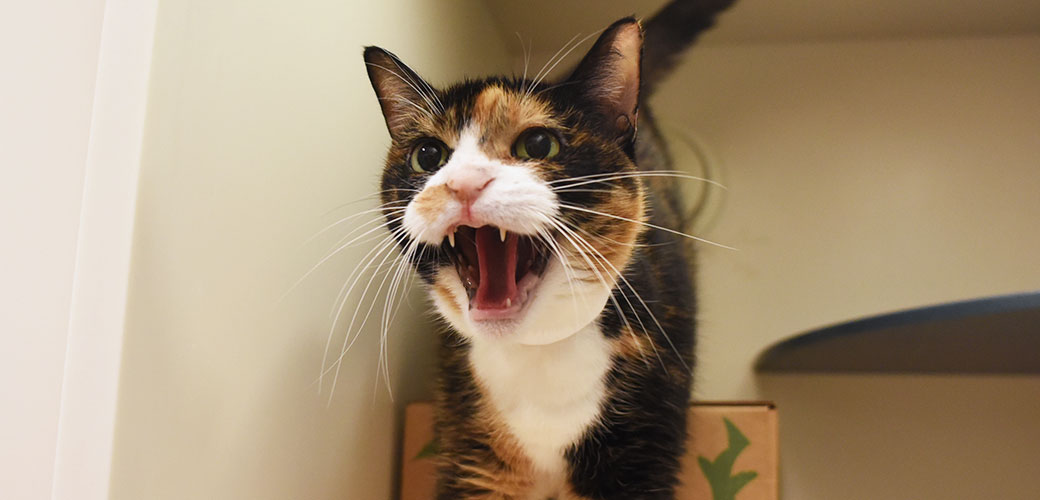
Credit: www.aspca.org
Common Causes
Aggressive behavior in cats often stems from territorial disputes, fear, or lack of socialization. Identifying the triggers is crucial for managing aggression effectively. Providing separate spaces and gradual introductions can help ease tension between cats.
Understanding the common causes of aggression in cats can be the first step toward a peaceful home environment. If your cat is aggressive towards other cats, it can be both frustrating and puzzling. You may wonder why your furry friend, who is usually calm and loving, turns into a ball of fury when another cat is nearby. By identifying the root causes, you can address the issues more effectively and foster harmony among your pets.Environmental Changes
Cats are creatures of habit. Even small changes in their environment, like moving furniture or introducing new scents, can upset them. Have you recently moved homes or introduced new items? This might be causing stress. Cats may express this stress through aggression towards other cats.Territorial Behavior
Cats are territorial animals. They often see their home as their kingdom. When a new cat enters the scene, your cat may feel its territory is under threat. This can lead to aggressive behavior as a way of asserting dominance. Reflect on whether your cat has enough space to call its own.Fear And Anxiety
Fear can trigger aggression in cats. If your cat feels threatened by another cat, it may lash out. Anxiety can heighten this response, making your cat more likely to strike first. Consider if there are any new stressors in your cat’s environment that might be causing fear or anxiety.Lack Of Socialization
Cats that haven’t been socialized with other cats may not know how to interact peacefully. Did your cat grow up in isolation or without much feline interaction? This lack of socialization can lead to misunderstandings and aggression. Social skills can be developed, but it takes time and patience.Health Issues
Pain or discomfort can make cats more irritable and prone to aggression. If your cat suddenly becomes aggressive, a health issue might be the culprit. Regular vet check-ups can help rule out or identify any underlying medical conditions. Could your cat be trying to tell you something about its health? Identifying these causes can guide you in taking the right steps to address your cat’s aggression. Recognize the signs and act promptly. Your efforts can make a significant difference in creating a harmonious multi-cat household.Safe Introduction Techniques
Introducing a new cat to a household with existing cats can be tricky. An aggressive cat can make this even harder. Safe introduction techniques can help make this process smoother. Understanding and applying these methods can ease tension. It can also promote harmony among your feline friends.
Controlled Environment
A controlled environment is crucial for introducing cats. Begin by separating the cats in different rooms. Each cat should have its own space with food, water, and a litter box. This prevents immediate confrontation. It also allows each cat to become comfortable in its own area.
Ensure the environment is calm and quiet. Loud noises can increase stress levels. Keep a watchful eye on their behavior. This helps in assessing their readiness for the next steps.
Gradual Exposure
Gradual exposure helps cats adjust to each other. Start by swapping bedding between the cats. This helps them get used to each other’s scent. Allow them to sniff under the door separating them. This builds familiarity without direct contact.
Monitor their reactions closely. Positive or neutral responses indicate progress. After some time, allow visual contact through a barrier. Use a baby gate or a cracked door. This reduces the risk of aggressive behavior. Always stay nearby during these interactions.
Keep initial sessions short. Gradually increase the duration as they become more comfortable. Patience is key in this process. Rushing can lead to setbacks. Use treats to reward calm behavior. This reinforces positive interactions between the cats.
Creating A Peaceful Environment
Creating a peaceful environment can help calm aggressive cats. Cats feel secure when their surroundings are harmonious. A calm space can reduce tension among cats. It’s essential to focus on territory management and resource distribution.
Territory Management
Each cat needs its own space. This is crucial for reducing aggression. Allocate separate areas for each cat in your home. Ensure they have their own bed and play area. Separate spaces minimize territorial disputes. Cats appreciate having a safe spot to retreat. Observe their behavior to identify potential conflicts. Rearrange spaces if necessary to maintain harmony.
Resource Distribution
Resources must be evenly distributed among cats. This includes food, water, and litter boxes. Provide multiple feeding stations to prevent food fights. Ensure water bowls are accessible for all cats. Litter boxes should be placed in different locations. This reduces competition and stress. Sharing resources can lead to aggressive behavior. Make sure each cat feels secure with their necessities.
Behavior Modification Strategies
Dealing with an aggressive cat towards other cats requires patience. Behavior modification strategies can help improve interactions. These strategies focus on changing a cat’s response to triggers. They aim to create a peaceful environment for all your pets. With consistent effort, you can help your cat become more sociable.
Positive Reinforcement
Positive reinforcement involves rewarding good behavior. Praise your cat when it shows calmness around other cats. Use treats or affection to reinforce this behavior. Consistency is key to success. Your cat will associate calmness with rewards. This encourages more relaxed interactions.
Offer rewards immediately after positive behavior. This helps your cat connect actions with outcomes. Gradually, your cat will learn that calmness brings benefits. It may start seeking rewards by being gentle. Remember to stay consistent and patient.
Desensitization Methods
Desensitization involves reducing a cat’s reaction to other cats. Start by introducing your cat to another from a distance. Keep both cats calm and in separate spaces. Gradually decrease the distance over time. Use treats to maintain a positive experience.
Monitor your cat’s reactions closely. If aggression occurs, increase the distance again. Slowly, your cat will become less reactive. Repeat this process until your cat is comfortable. This method takes time, but it can be effective.
Always ensure both cats feel safe. Provide escape routes to minimize stress. Your goal is to create calm and positive associations. Desensitization can improve coexistence in multi-cat households.
Credit: imfelinefab.com
When To Seek Professional Help
Consult a professional when your cat’s aggression causes injuries or disrupts household harmony. Experts can identify triggers and provide effective strategies. Early intervention can prevent escalation and promote peace among your feline friends.
When dealing with an aggressive cat, patience is key. Yet, sometimes aggression can be severe. It might even harm other cats. In such cases, professional help is crucial. Identifying the right time to seek help can make a big difference. Understanding severe aggression signs helps in making this decision.Signs Of Severe Aggression
Severe aggression often shows clear signs. One major sign is continuous fighting. If the cat never stops attacking, it’s a concern. Growling and hissing all the time is another sign. A cat hiding or refusing food can signal stress. Scratches or bites that draw blood are serious. These signs mean you need more than home remedies.Choosing A Behaviorist
A behaviorist can guide you and your cat. Look for someone with cat-specific experience. Check their credentials and reviews. Ask about their approach. It should be gentle and understanding. Meet them first to see if they’re a good fit. A good behaviorist will offer a clear plan. They will help both you and your cat feel at ease.Maintaining Harmony
Keeping peace between cats can be challenging. Aggression often disrupts their bond. Finding ways to maintain harmony is crucial. Understanding feline behavior helps. Create an environment where all cats feel secure. A peaceful home leads to happier pets.
Monitoring Interactions
Observe how cats interact. Note body language. Hissing or swatting signals tension. Separate them if aggression escalates. Supervise their time together. Use treats to encourage positive behavior. Consistent monitoring prevents fights. Watch for signs of stress or fear. Early intervention is key.
Adjusting Strategies
Modify strategies based on cat behavior. Some need more space. Others require gradual introductions. Use pheromone diffusers to calm them. Enrich the environment with toys and scratching posts. Provide separate feeding areas. Trial and error helps find effective solutions. Patience is essential.
Credit: heartandpaw.com
Frequently Asked Questions
How Do I Get My Cat To Stop Attacking My Other Cat?
Separate the cats and reintroduce them slowly. Provide individual attention and playtime. Use calming sprays or pheromones. Ensure each cat has its own space, litter box, and feeding area. Consult a veterinarian if aggressive behavior continues.
Why Does A Cat Suddenly Attack Another Cat?
Cats may attack due to territory disputes, stress, or redirected aggression. Sudden noise or movement can trigger them. Ensure each cat has personal space to reduce tension. Address environmental changes promptly to maintain peace. Regular playtime helps alleviate stress, promoting harmony between cats.
How Do I Calm Down An Aggressive Cat?
Stay calm and avoid sudden movements. Use a soft, soothing voice. Offer a safe space for retreat. Distract with toys or treats. Consult a vet if aggression persists.
Will Cats That Fight Eventually Get Along?
Cats that fight can sometimes learn to get along. Introduce them slowly and supervise interactions. Use positive reinforcement to encourage friendly behavior. Some cats may never become close friends, but they can coexist peacefully. Patience and consistency are key in helping them adjust to each other.
Conclusion
Helping your cat feel calm is key. Use patience and understanding. Create safe spaces for each cat. Separate feeding areas help reduce tension. Use toys to distract and entertain. Consider professional advice if needed. Always reward good behavior with treats.
Bonding time with each cat strengthens trust. Remember, changes take time and effort. Stay consistent with your approach. Every small step counts towards harmony. With love and care, peace is possible. Your cats can coexist happily. Keep observing their behavior closely.
Adjust strategies as necessary. A peaceful home benefits everyone, including you.

Similar Posts