Where Do Cats Like to Be Pet the Most: Discover Their Favorites
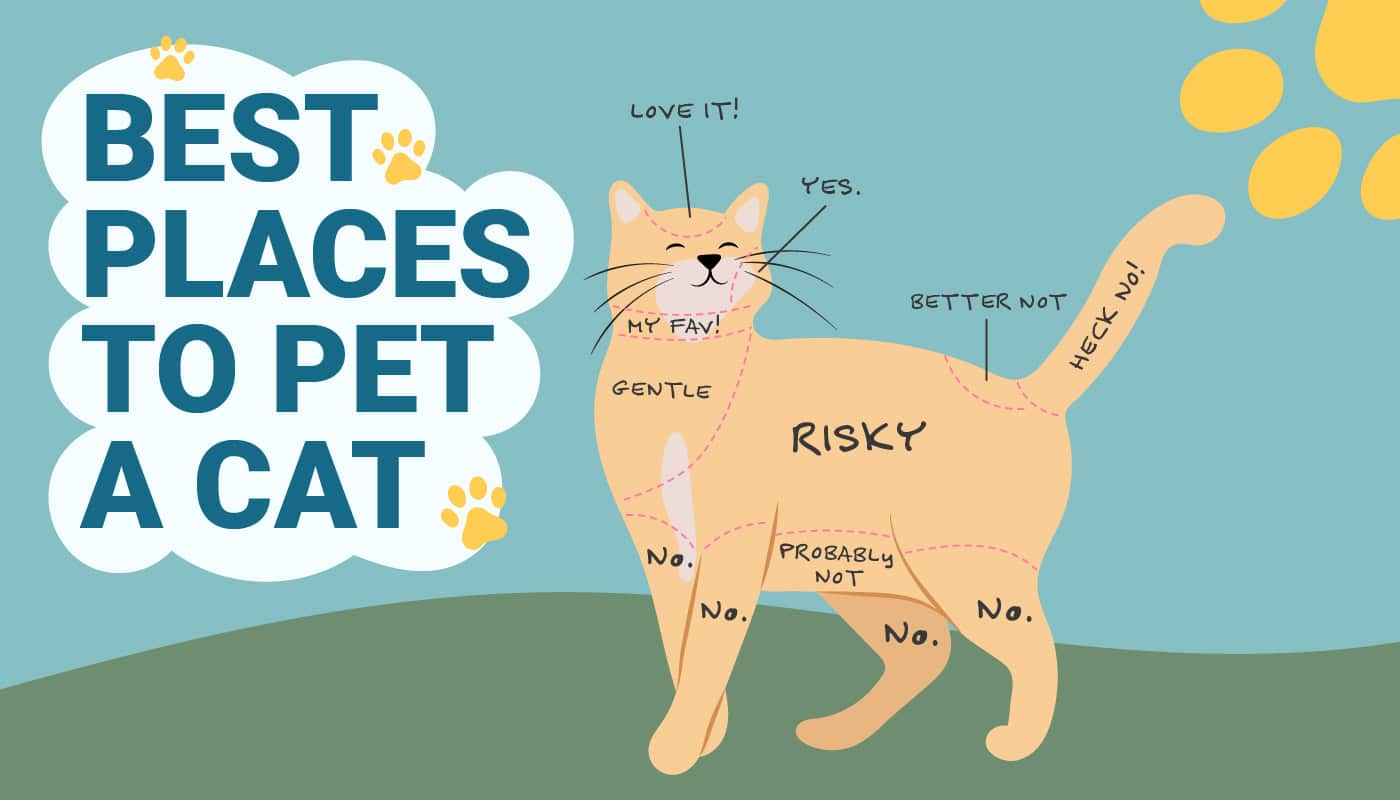
Have you ever found yourself wondering where your cat enjoys being pet the most? You’re not alone.
As a cat owner, figuring out the sweet spots that make your feline friend purr with delight can feel like unlocking a secret code. Imagine the joy of seeing your cat’s eyes close in bliss or hearing that content purr resonate louder than ever.
Understanding these preferences can not only strengthen your bond but also ensure your cat feels loved and secure. You’ll discover the areas that cats generally prefer for petting, and learn how to tailor your approach to meet your cat’s unique desires. Get ready to dive into the fascinating world of feline affection, and uncover the secrets to a happier, more connected relationship with your furry companion.
Credit: www.thedodo.com
Popular Petting Spots
Cats have unique preferences when it comes to petting. Understanding these preferences can strengthen your bond with your feline friend. Discovering where cats enjoy being pet the most can lead to a happier, more content pet. Let’s explore the popular spots where cats love a gentle touch.
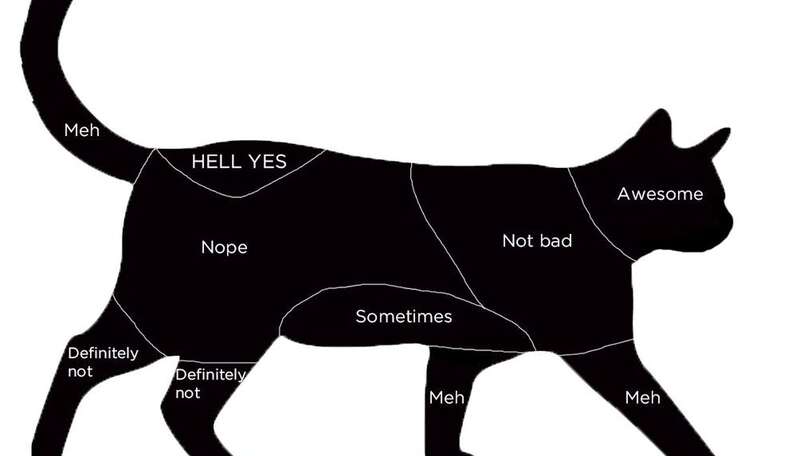
1. The Chin
The chin is a favorite spot for many cats. Gently scratch under the chin. This can send your cat into a state of bliss. Cats often lift their heads to allow better access. They trust you when they expose this vulnerable area.
2. Behind The Ears
The area behind the ears is another popular spot. Use your fingertips to gently rub this area. Your cat might lean in for more. This spot is calming and soothing for most cats.
3. The Base Of The Tail
Many cats love a gentle scratch at the base of the tail. This area is sensitive and can trigger a happy response. Watch for a raised tail or purring. These are signs your cat enjoys it.
4. The Cheeks
Cheek rubs can be delightful for cats. Use your fingers to gently stroke the cheeks. This can stimulate scent glands, making it comforting. Your cat may nuzzle against your hand, showing pleasure.
5. The Back
Running your hand down a cat’s back is often welcome. Start at the neck and gently stroke toward the tail. This long stroke can relax and comfort your feline friend. Pay attention to your cat’s body language.
Head And Chin Scratches
Cats love gentle head and chin scratches. These areas are rich in scent glands, making them feel safe. Petting here strengthens your bond with your feline friend.
Cats are fascinating creatures, each with their own unique preferences for affection. One area where many cats agree on their love for attention is around their head and chin. Understanding where and how to pet them can strengthen your bond and ensure they feel comfortable and loved. Let’s explore why head and chin scratches are often a feline favorite.Why Cats Love Head Scratches
Cats have scent glands located on their heads, which they use to mark their territory. When you scratch their head, you’re not just giving them a pleasant massage; you’re also helping them feel secure in their environment. This act of bonding can make your cat purr with contentment. Head scratches can also be a way for your cat to show trust. If your cat willingly lets you scratch its head, it’s a sign that they feel safe with you. This trust is something to cherish and nurture with gentle, loving touches.The Magic Of Chin Scratches
Chin scratches are another favorite for many cats, often eliciting blissful purring and contented eyes. The chin is another area where cats have scent glands, so scratching here can provide a soothing sensation. Cats often lift their heads to invite chin scratches, signaling a desire for attention and connection. When you respond to this invitation, you’re reinforcing a positive relationship and enhancing their sense of well-being.Finding The Sweet Spot
Finding the right spot requires a bit of trial and error. Pay attention to your cat’s reactions. Do they lean into your hand or pull away? Adjust your approach based on these cues to ensure you’re providing the most enjoyable experience for your furry friend. Remember, not all cats like the same type of petting. While some may adore head and chin scratches, others might prefer a gentle stroke along their back. Observing your cat’s body language will guide you in finding their sweet spot.Tips For Perfect Head And Chin Scratches
– Be gentle: Use light pressure, especially if you’re unsure of your cat’s preference. – Watch for signs of enjoyment: A purring cat or one that leans in is usually enjoying the attention. – Avoid overstimulation: If your cat starts to flick its tail or seems restless, it’s time to stop. By understanding and respecting your cat’s preferences, you can ensure that every petting session is a positive experience. What’s your cat’s favorite spot for scratches? Share your experiences and tips in the comments below!Back And Spine Rubs
Cats enjoy being petted in specific areas. The back and spine are favorite spots. These areas provide comfort and relaxation. Gentle rubs can soothe and calm your feline friend.
Why Cats Love Back Rubs
Back rubs stimulate the nerves. This creates a calming effect. Cats find it comforting. They often purr with delight. Petting here mimics grooming. It’s a bonding experience.
How To Perfect The Technique
Use gentle strokes. Start from the neck. Move towards the tail. Keep the pressure light. Avoid sudden movements. Consistent rhythm is key. Watch for signs of enjoyment.
Signs Your Cat Enjoys It
Purring is a positive sign. Kneading with paws shows contentment. Relaxed body posture indicates comfort. Tail movements can signal happiness. Pay attention to these cues.
When To Stop
Look for signs of discomfort. Flattened ears show irritation. Tail flicking indicates annoyance. Sudden movement might mean enough. Respect their boundaries. Allow them to walk away.
Belly Rub Preferences
Cats are mysterious creatures, often leaving us puzzled about their preferences. One area that sparks curiosity is their belly rub preferences. While some cats enjoy a gentle tummy tickle, others might not be so welcoming. Understanding your feline friend’s belly rub preferences can strengthen your bond and ensure their comfort.
Belly Rubs: A Matter Of Trust
Not all cats love belly rubs. A cat’s belly is a sensitive area, and exposing it is a sign of trust. Have you noticed your cat rolling over and showing its belly? It’s a good indication that your cat feels safe around you.
However, be cautious. A belly rub can be an invitation or a trap. Some cats might tolerate it briefly before swatting your hand away. It’s essential to read their body language.
Why Some Cats Enjoy Belly Rubs
Cats have different personalities. Some might enjoy the feeling of a gentle rub on their belly, similar to how they enjoy being petted on their back or head. This preference might stem from early experiences as a kitten.
My cat, Luna, loves a belly rub after a long nap. It’s her way of stretching and relaxing. Observe your cat’s behavior and see if they have similar preferences.
Signs Your Cat Wants A Belly Rub
Recognizing your cat’s signals is crucial. If your cat lies on its back and remains relaxed, it might welcome a belly rub. Purring is another positive sign.
But what if your cat seems tense or flicks its tail? It’s a warning to back off. Respect their boundaries to avoid stress or aggression.
Creating A Positive Belly Rub Experience
Start slow and gentle. Use your fingertips instead of your full hand. Watch your cat’s reaction closely. If they seem happy, continue. If they pull away, stop immediately.
Make belly rubs part of a routine if your cat enjoys them. Consistency builds trust and shows your cat that you respect their comfort zone.
Should You Rub Your Cat’s Belly?
So, should you rub your cat’s belly? It depends on your cat’s unique personality. Do they seem to enjoy it, or do they shy away? You can try it once and observe their reaction.
Remember, every cat is different. What works for Luna might not work for another cat. Tailor your approach to fit your cat’s comfort and preferences.
Have you noticed your cat’s belly rub preferences? What signals do they give you? Share your experiences and insights in the comments below. Your story might help another pet parent understand their feline friend better!
Tail And Rear Caution
Cats communicate their comfort and discomfort in various ways. While many adore a good scratch behind the ears, some areas require caution. The tail and rear are sensitive zones. Understanding a cat’s body language is crucial. Misreading signals can lead to an unhappy feline. Respecting their boundaries ensures a harmonious relationship.
Tail Sensitivity
The tail is a unique part of a cat’s anatomy. It serves as a balance tool. It also helps in communication. Cats often use their tails to express feelings. A twitching tail might indicate irritation. A fluffy, upright tail shows happiness. Always approach the tail with care. Unwanted touches can cause distress. Watch for signs of discomfort.
Rear End Considerations
The rear end is another delicate area. Cats often dislike being touched here. It can feel invasive or threatening. Some cats may tolerate gentle touches. Others might react negatively. Observing their reaction is important. If a cat seems relaxed, proceed gently. If they stiffen or move away, stop immediately.
Recognizing discomfort signals can prevent unwanted stress. Flattened ears or hissing indicates displeasure. A fast-moving tail may suggest annoyance. Cats might shift away from unwanted touches. Vocalizations can also hint at displeasure. Learning these signals strengthens the bond. It shows respect for their personal space.
Building Trust
Respecting a cat’s boundaries fosters trust. Allow them to dictate interactions. Offer gentle strokes and observe responses. Positive reactions mean a cat feels safe. Negative signals require reassessment. Adjust your approach based on their cues. Over time, this builds a trusting relationship.
:max_bytes(150000):strip_icc()/where-to-pet-a-cat-2000-0a0adbbb5046469e85fd8e25a197950e.jpg)
Credit: www.dailypaws.com
Signs Of Enjoyment
Understanding where cats like to be pet can enhance your bond. Cats are unique in their preferences, and recognizing signs of enjoyment is key. Observing your cat’s reactions helps determine their favorite spots. Let’s explore the signs that show your feline friend enjoys being pet.
Signs Of Purring
Purring is a universal sign of feline happiness. If your cat starts purring while you pet them, they are likely enjoying it. The gentle vibration of their purr indicates satisfaction. This is a positive sign to continue petting in the same area.
Relaxed Body Language
A cat’s body language reveals much about their comfort level. A relaxed cat will have a loose, soft body. Their tail might be still, or it may sway slowly. These are good indicators that your cat feels at ease.
Kneading With Paws
Kneading is a behavior cats often display when content. If your cat kneads you while being pet, they are happy. This action resembles a rhythmic pressing motion with their paws. It signifies trust and affection.
Slow Blinking
Slow blinking is a sign of feline affection. If your cat gazes at you and blinks slowly, they are comfortable. This is their way of saying they feel safe and loved. It’s a good sign that they enjoy your company.
Head Butting
Head butting or “bunting” is a sign of affection. Cats often nudge their head against you when happy. This shows they are marking you as part of their territory. It’s a strong indicator they enjoy your touch.
Playful Behavior
After being pet, some cats may exhibit playful behavior. They might roll onto their back or chase your hand. This playful attitude is a clear sign of enjoyment. It means your cat feels happy and energetic.
Signs Of Discomfort
Cats often show discomfort through twitching tails or flattened ears. Gentle strokes on their cheeks or under the chin are usually favored. Watch for signs like sudden movements indicating they prefer a different area for petting.
Understanding your cat’s body language is crucial in ensuring they feel comfortable and happy during petting sessions. While cats enjoy affection, they can be quite particular about how and where they’re touched. Recognizing signs of discomfort will help you avoid unwanted scratches or bites and strengthen your bond with your feline friend.Recognizing Ears And Tail Movements
Cats communicate a lot through their ears and tail. If your cat’s ears flatten back or twitch frequently, this could be a sign they’re not enjoying the petting. A rapidly swishing tail can also indicate that your cat is agitated or annoyed. Pay close attention to these signals. Adjust your petting technique or give your cat some space if you notice these movements.Body Stiffness And Tension
Cats often become stiff or tense when they’re uncomfortable. If you notice your cat’s body becoming rigid, it might be time to stop petting. A relaxed cat usually has a soft, pliable body. If this changes, it can be a clear indication that your cat isn’t enjoying the interaction.Hissing And Growling
Vocal cues like hissing or growling are obvious signs of discomfort. If your cat starts making these noises, it’s best to stop immediately. Consider what part of their body you were petting when they reacted this way. Cats have sensitive areas, and avoiding these can prevent negative reactions in the future.Sudden Biting Or Scratching
A sudden bite or scratch might seem like it came out of nowhere, but it often follows subtle signs of discomfort. If your cat lashes out, reflect on where you were petting and how your cat reacted before this. Do you notice any patterns or specific areas that trigger this behavior? Being aware of these can help you avoid mishaps during future petting sessions.Trying To Escape
If your cat tries to move away or escape from you, it’s a clear sign they want to be left alone. Respect their need for space. Sometimes, giving your cat a break can make them more receptive to affection later. Have you ever noticed how a short pause can change your cat’s mood? Recognizing these signs of discomfort is key to a harmonious relationship with your cat. By being attentive, you can ensure that petting is a positive experience for both of you.Understanding Feline Behavior
Understanding feline behavior can transform how we interact with cats. Cats are complex creatures with unique personalities. Knowing their behavior helps in petting them the right way. It creates a bond between humans and their feline friends. This section explores how cats communicate and express themselves.
Understanding Cat Communication
Cats communicate using body language, vocalizations, and scents. They use their tails, ears, and eyes to express feelings. A raised tail often means a happy cat. Flattened ears might indicate fear or aggression. Listening to their purrs, meows, and hisses is essential. Each sound conveys a different emotion or need.
Recognizing Signs Of Enjoyment
When petting a cat, watch for signs of enjoyment. A relaxed body means they’re comfortable. Purring indicates happiness and contentment. Kneading with their paws shows they are pleased. If a cat leans into your touch, they enjoy the petting. These signals help us understand their preferences.
Identifying Areas Cats Prefer
Cats have favorite spots for petting. Most enjoy chin scratches and strokes behind their ears. Many like gentle strokes along their back. Some cats prefer their head or cheeks to be petted. Avoid sensitive areas like the belly. Knowing these areas can enhance your interaction.
Respecting Individual Preferences
Each cat is different. Some may have unique preferences. Observe your cat’s reactions when petting. If they pull away, try a different spot. Pay attention to their mood and comfort. Understanding these individual quirks fosters trust. Respecting their preferences is key to a happy relationship.
Tips For Petting Cats
Petting a cat can be a delightful experience. Understanding where cats like to be pet enhances your bond with them. Cats have specific preferences when it comes to petting. Knowing these can help you keep your feline friend happy and comfortable.
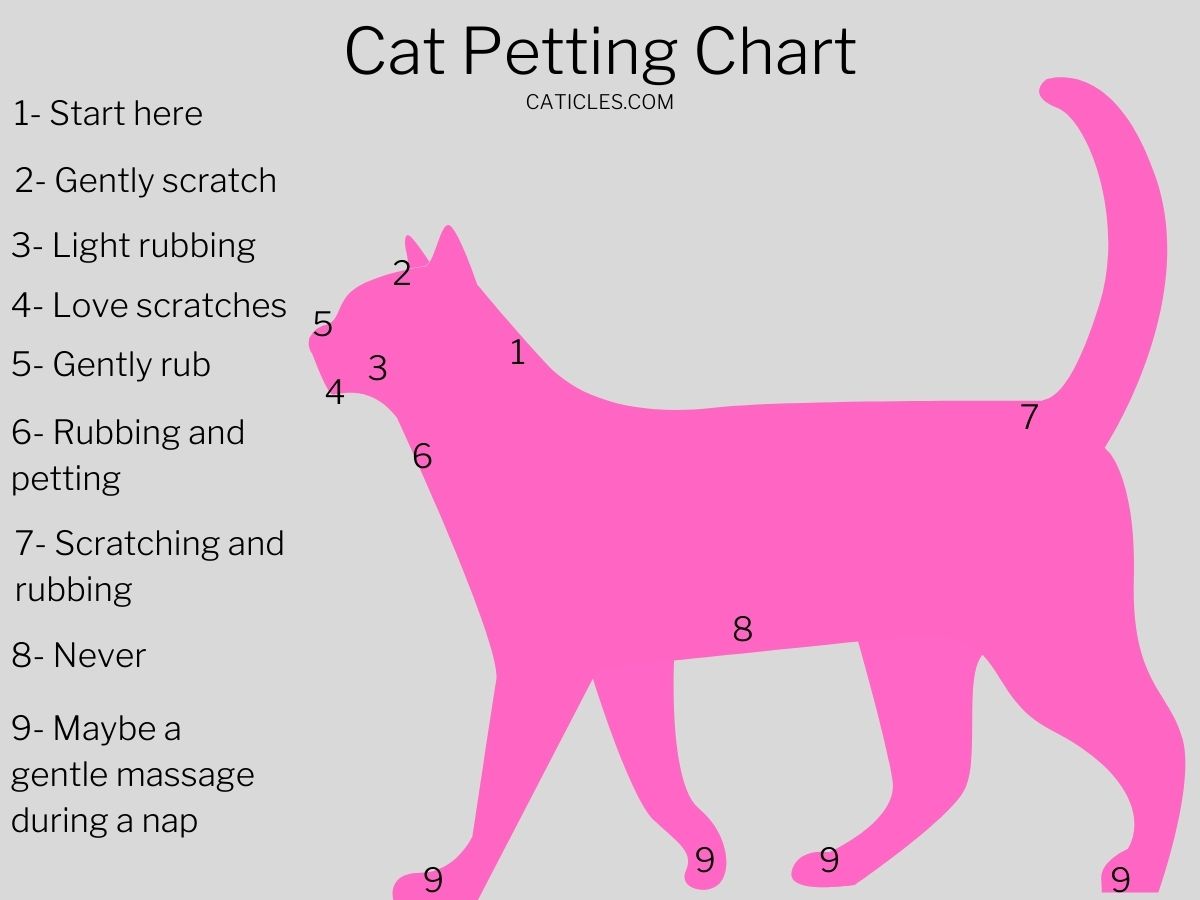
Where To Start Petting
Begin by gently stroking the cat’s head. Many cats enjoy soft caresses on their forehead. The area between the ears can be a favorite spot. Approach the cat calmly and let them sniff your hand first. This builds trust and makes them more receptive.
Understanding Body Language
Watch the cat’s body movements closely. A raised back or twitching tail might mean they are not comfortable. Purring usually indicates they are enjoying the petting. If a cat moves away, give them space. Respect their signals to avoid stress.
Gentle Strokes On The Back
Most cats like gentle strokes along the back. Use smooth, long motions. Avoid pressing too hard or making quick movements. Cats prefer a soft touch. Pay attention to their reaction as you pet them. Adjust your technique based on their comfort level.
Avoid Sensitive Areas
Some areas can be sensitive for cats. The belly is often a no-go zone. Cats may feel vulnerable if touched there. The tail is another area to be cautious about. If a cat shows discomfort, stop immediately. Respect their boundaries to maintain a positive experience.
Check For Signs Of Enjoyment
Look for signs that your cat is enjoying the petting. Slow blinking is a positive signal. If a cat leans into your hand, they are comfortable. Gentle nudges or headbutts are a sign of affection. These behaviors indicate you are petting them correctly.
Credit: caticles.com
Frequently Asked Questions
What Is A Cat’s Favorite Place To Be Pet?
Cats usually love being petted on their head, chin, and behind the ears. Each cat has unique preferences, so observe their reactions. Some might enjoy gentle strokes along their back. Always approach slowly and let the cat guide you to its favorite spot for petting.
What Is The 3-3-3 Rule For Cats?
The 3-3-3 rule for cats helps them adjust to a new home. It means 3 days to decompress, 3 weeks to learn routines, and 3 months to feel fully comfortable. This guideline supports their transition, ensuring a smoother adaptation process.
Where Is A Cat’s Sweet Spot?
A cat’s sweet spot is usually the base of the tail or under the chin. Many cats also enjoy gentle strokes behind the ears. Each cat may have its own preferred spot, so observe their reactions to find the best one.
Where Do Cats Love To Be Touched The Most?
Cats love being touched on their head, chin, and cheeks. They enjoy gentle strokes behind their ears. Many cats also appreciate a soft belly rub, but be cautious as some may react defensively. Always observe your cat’s reactions to ensure comfort and enjoyment during petting.
Conclusion
Cats enjoy gentle pets on their heads, cheeks, and chins. Each cat has unique preferences, so observe their reactions. Pay attention to body language. A purr or a nuzzle means they like it. If they move away, try a different spot.
Trust and comfort are key. Building a bond takes time. Respect their space and mood. Petting should be a pleasant experience for both. Always approach them calmly. This helps create a loving connection. Remember, happy cats lead to happy owners.
Enjoy the moments of affection and the special bond you share.

Similar Posts