How Do You Find Out What Breed Your Cat is: Ultimate Guide
Isn’t it fascinating to watch your cat’s quirky behaviors and wonder about their origins? You might find yourself asking, “What breed is my cat?”
Whether it’s their striking eyes, unique fur patterns, or peculiar habits, discovering your feline friend’s breed can deepen your bond and satisfy your curiosity. This journey of discovery isn’t just about satisfying your own curiosity; it’s also about understanding your cat’s needs better.
Knowing your cat’s breed can help you tailor their diet, care, and activities to suit their unique traits. Ready to unravel the mystery and get to know your furry companion even better? Let’s dive into the captivating world of cat breeds and uncover the secrets of your beloved pet.
Understanding Cat Breeds
Discovering your cat’s breed involves observing physical traits like fur patterns, eye color, and body shape. Consult breed charts and online databases for visual comparisons. Genetic testing offers precise identification, revealing your feline’s unique heritage.
Understanding the breed of your cat can feel like a mystery. Knowing the breed helps in understanding behavior, health needs, and care. Each breed has unique traits and characteristics. Some cats are common, others are rare or mixed.Common Cat Breeds
Several cat breeds are popular worldwide. The Siamese is loved for its striking blue eyes and vocal nature. The Persian is known for its long fur and calm demeanor. The Maine Coon stands out with its large size and tufted ears. These breeds are often seen in many homes.Mixed Breed Cats
Mixed breed cats, often called moggies, are a blend of various breeds. They have diverse looks and temperaments. Each mixed breed cat is unique in its own way. These cats are often healthy and adaptable. They bring joy with their unique personalities.Rare Cat Breeds
Some breeds are rare and not seen often. The Egyptian Mau is known for its speed and spotted coat. The Sokoke has a marbled fur pattern and is active. Rare breeds can have unique health needs. They often require special care and attention. Understanding these breeds requires research and expertise.Physical Characteristics
Understanding your cat’s breed involves examining its physical characteristics. These traits offer clues about your feline’s ancestry. Let’s explore the key features that can help identify your cat’s breed.
Coat Patterns And Colors
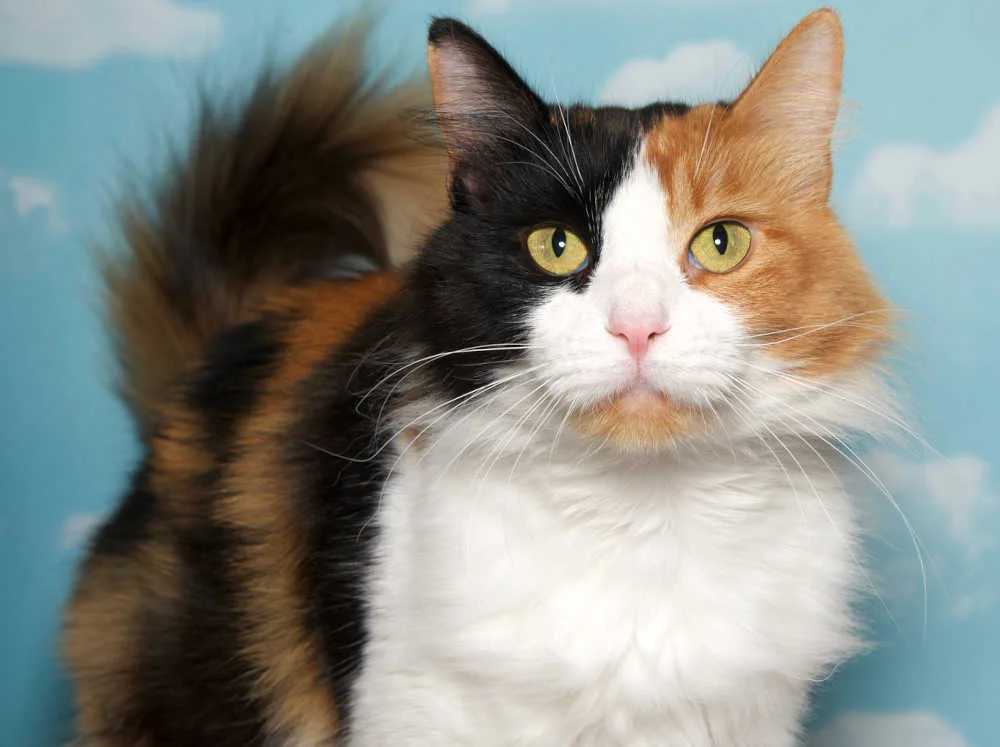
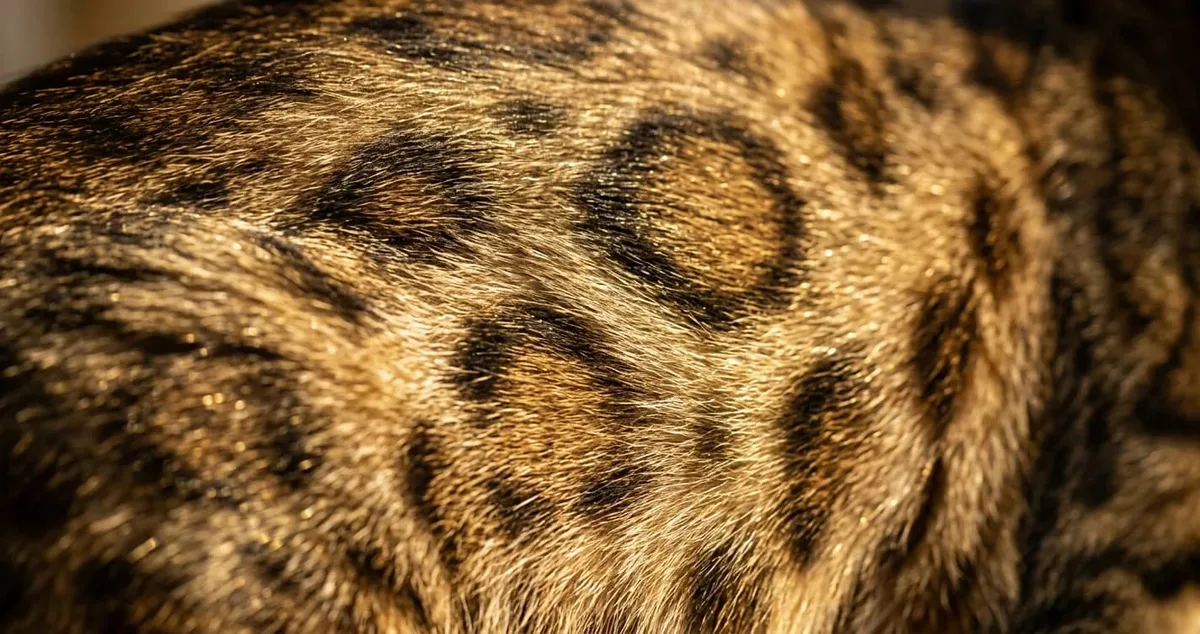
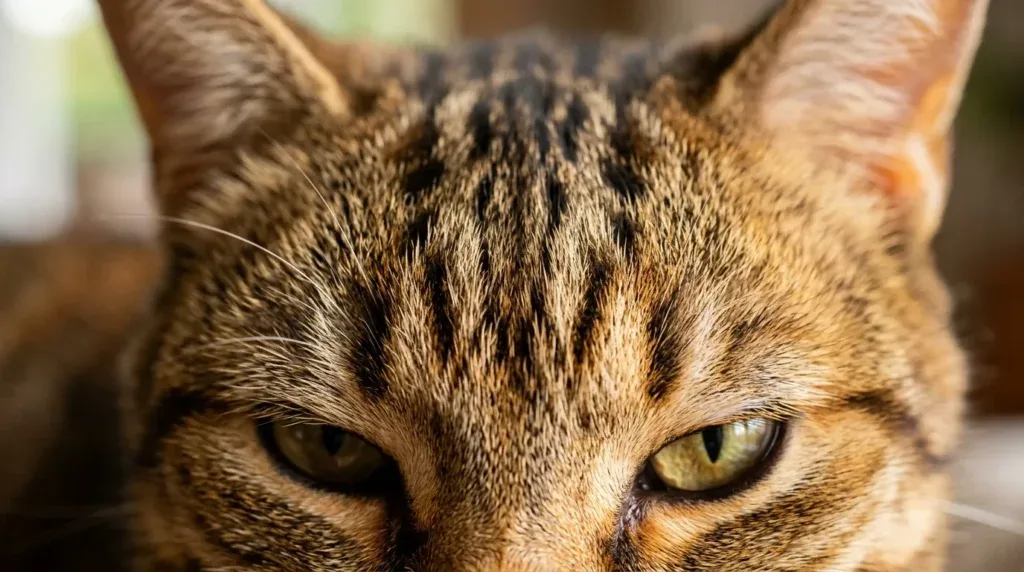
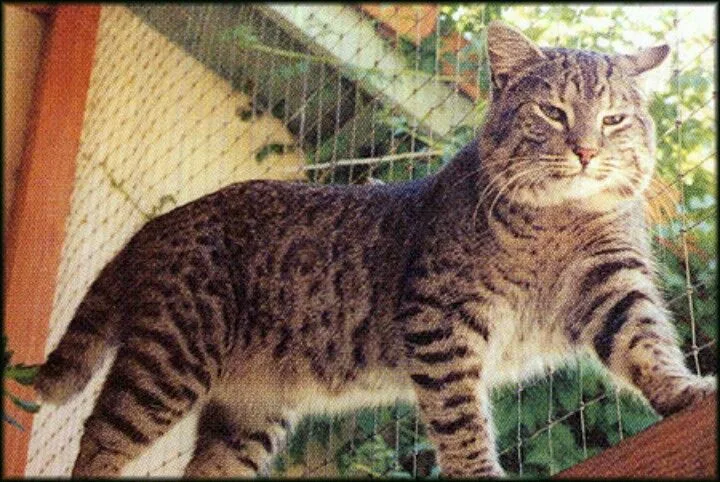
Coat patterns vary significantly among cats. Some have solid colors, while others display stripes or spots. Tabby cats often have distinctive markings. Siamese cats are known for their pale bodies and darker extremities. Color can also be a clue. Russian Blues usually have a silvery-gray coat. Observe your cat’s fur closely to identify these patterns.
Body Shape And Size
Body structure provides insight into breed types. Maine Coons are large, muscular cats. They have a bushy tail and tufted ears. In contrast, Siamese cats have a slender, graceful form. Their elongated bodies are noticeable. Persian cats are medium-sized with a flat face and short legs. Evaluating these features helps pinpoint your cat’s breed.
Eye Color And Shape
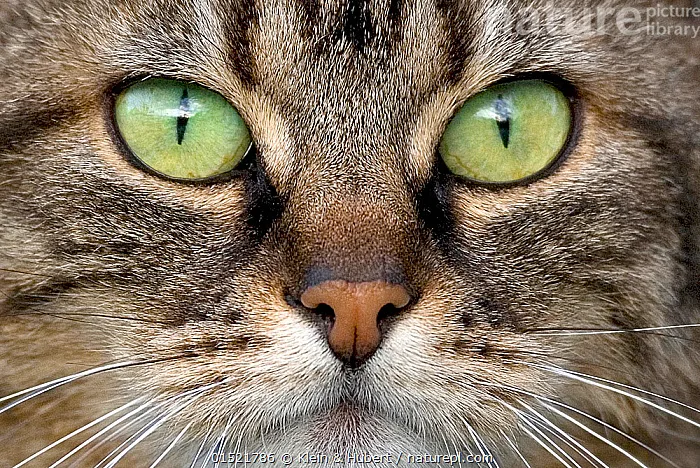
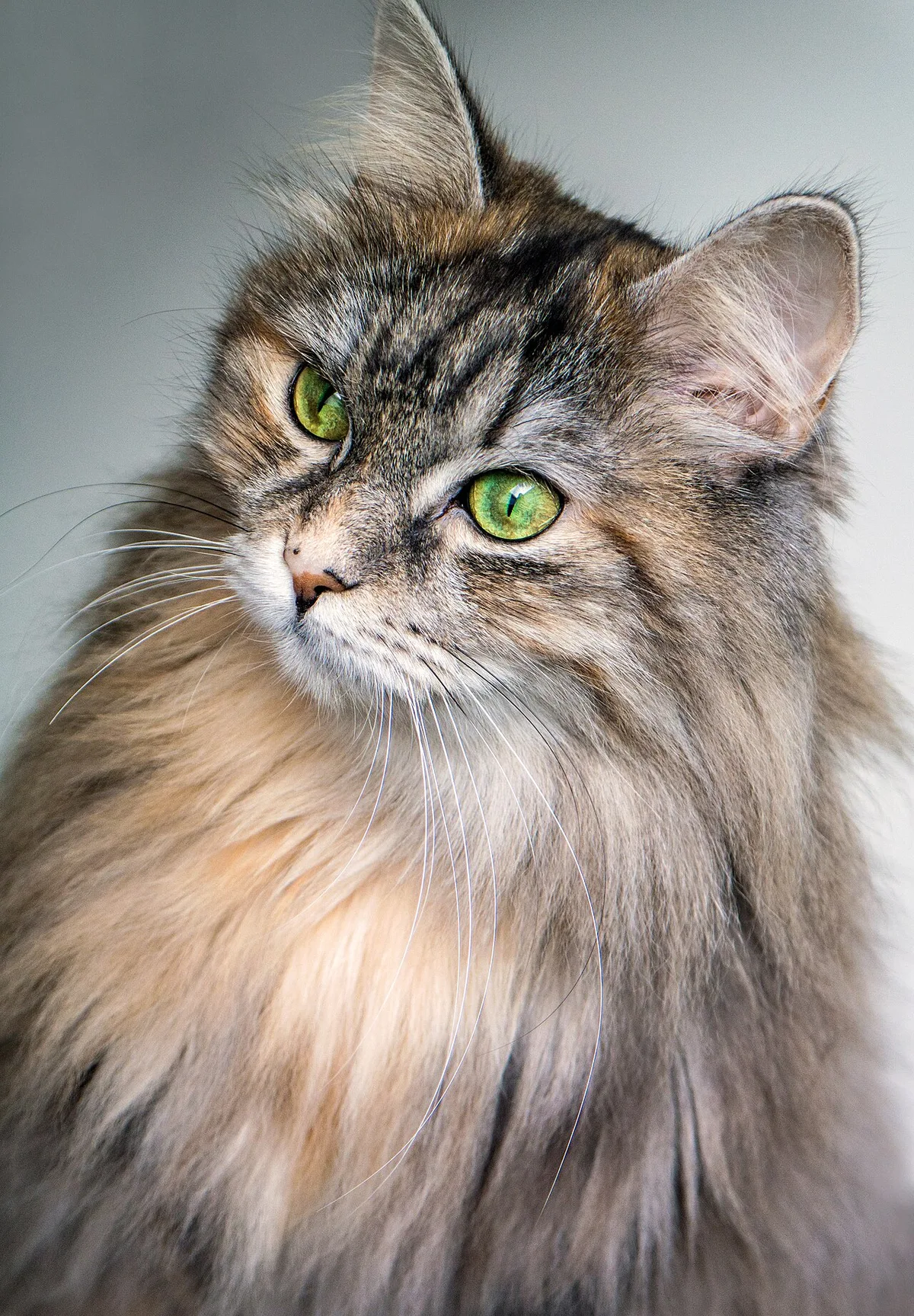
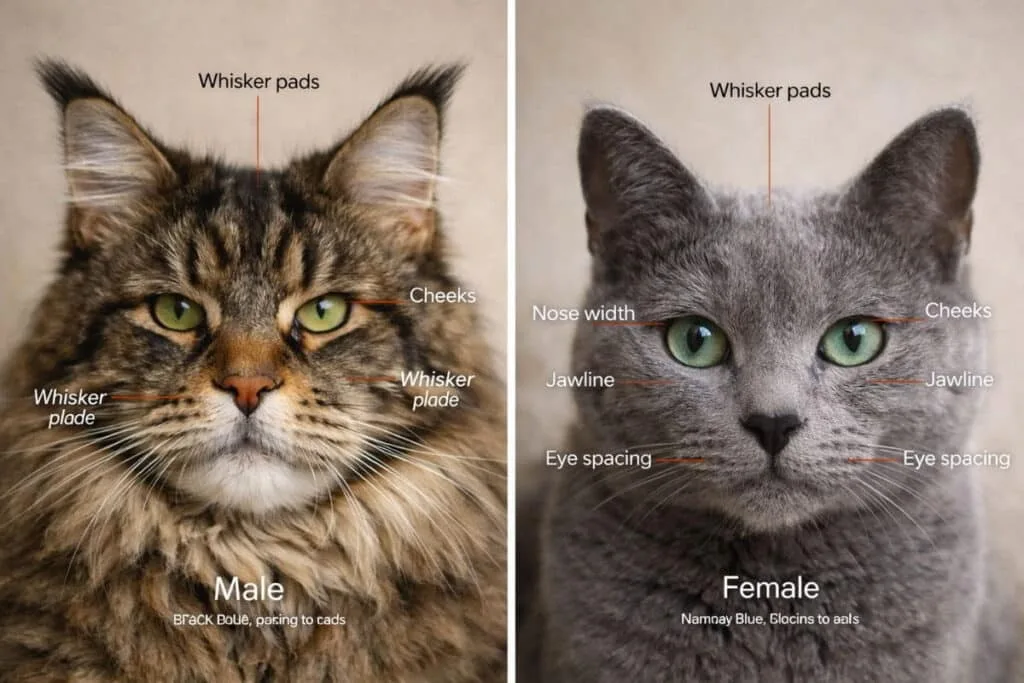
Eyes reveal much about a cat’s lineage. Blue eyes are common in Siamese and Ragdolls. Green eyes might suggest a Russian Blue. The shape matters too. Oriental breeds have almond-shaped eyes. Round eyes are typical of British Shorthairs. Examine your cat’s eyes for these distinct traits.
Behavioral Traits
Identifying your cat’s breed involves observing behavioral traits. Unique habits and personality can hint at specific breeds. For example, vocal cats might be Siamese, while social ones could be Ragdolls.
Understanding your cat’s behavioral traits can offer valuable clues about its breed. Cats, much like humans, have unique personalities that are often influenced by their genetic makeup. Observing these traits closely can help you determine which breed your cat might belong to. Let’s explore some key behavioral traits that can act as indicators.Temperament Indicators
Cats can be as diverse in temperament as they are in appearance. Some breeds are known for their calm and laid-back nature, while others are more energetic and demanding. A Siamese might vocalize frequently and demand your attention, whereas a British Shorthair could be more reserved and independent. Does your cat prefer lounging quietly or constantly seek your company? Observing these temperament indicators can narrow down the breed possibilities.Activity Levels
Activity levels can be a significant clue in identifying a cat’s breed. Highly active cats might belong to breeds like the Bengal or Abyssinian, which are known for their playful and energetic nature. On the other hand, Persians and Ragdolls often enjoy a more relaxed lifestyle, preferring naps to endless play. Consider how often your cat initiates play or engages with toys. Is it a sprinter or a lounger? Understanding this can guide you in identifying the breed.Social Interactions
A cat’s social behavior is another vital trait that can hint at its breed. Some breeds, like the Maine Coon, are famously friendly and sociable, often getting along well with other pets and humans. Meanwhile, breeds like the Russian Blue might be more selective, forming strong bonds with only a few family members. How does your cat behave around guests or other animals? Is it a social butterfly or more of a lone ranger? These interactions can provide telling insights into its breed. By paying close attention to these behavioral traits, you can start piecing together the mystery of your cat’s breed. Have you noticed any specific behaviors that stand out? These observations could be the key to unraveling your cat’s lineage.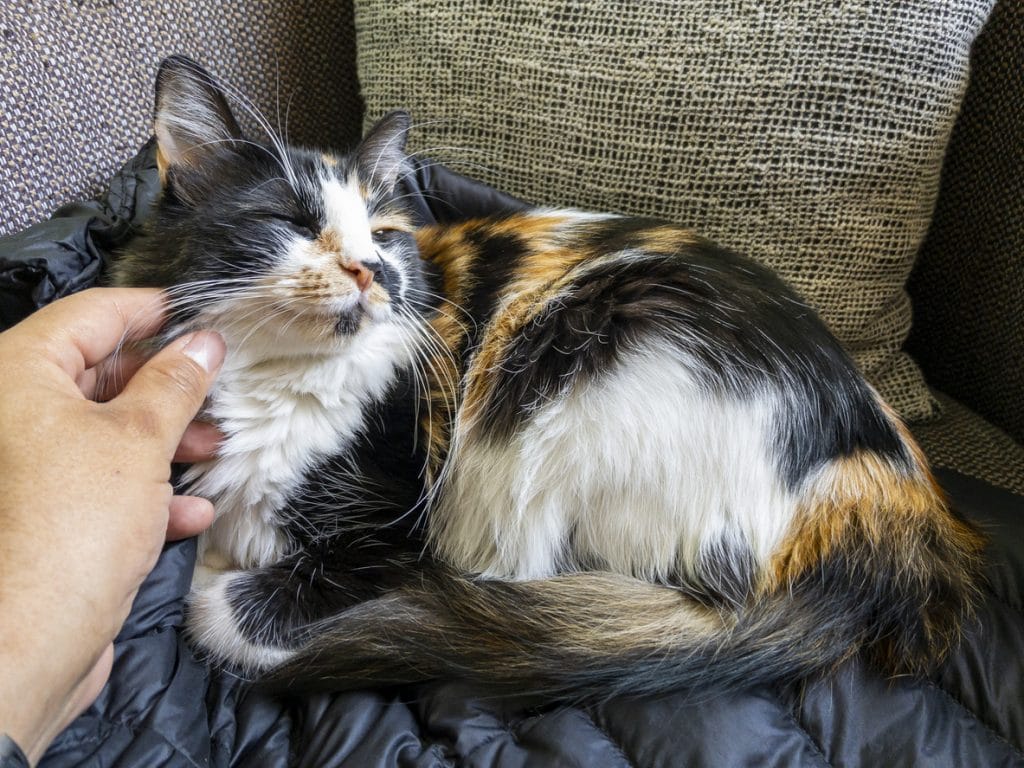
Credit: www.rover.com
Genetic Testing
Genetic testing has opened a new world for cat lovers. It helps identify a cat’s breed with precision. This scientific method delves into the DNA, providing clues about ancestry and traits. Many pet owners are curious about their feline’s genetic makeup. Understanding the breed aids in better care and companionship.
Dna Testing Kits
DNA testing kits are available for cat owners. These kits offer an easy way to collect samples. Usually, they require a simple cheek swab from your cat. After sending the sample, results arrive within weeks. The process is straightforward, making it accessible to many.
Pros And Cons Of Genetic Testing
Genetic testing has advantages and drawbacks. On the plus side, it provides detailed breed information. Some tests even reveal health predispositions. This knowledge helps with informed care decisions. On the downside, tests can be costly. Not every kit covers all breeds. Also, results may not always be 100% accurate.
Interpreting Test Results
Interpreting results can be exciting. Many tests show breed percentages. Some may indicate mixed ancestry. This information guides owners in understanding their cat’s behavior. Knowing health risks is also beneficial. It’s important to discuss findings with a vet. They can offer insights and recommendations.
Consulting Experts
Determining your cat’s breed can be puzzling. Consulting experts provides clarity. Experts offer reliable insights into your feline friend’s lineage. Let’s explore how veterinarians, animal behaviorists, and breed clubs can help.
Veterinarians
Veterinarians have extensive knowledge about cat breeds. They can identify breed traits in your cat. Their experience helps recognize specific physical features. Vets may also recommend genetic testing for more accuracy. Regular check-ups help vets gather information over time. This data is useful for breed identification.
Animal Behaviorists
Animal behaviorists analyze cats’ actions and temperaments. They understand different breeds’ typical behaviors. This expertise helps in identifying your cat’s breed. Observing your cat’s habits can reveal its lineage. Behaviorists often work with rescue animals, gaining diverse insights. Their observations can be quite revealing.
Breed Clubs And Organizations
Breed clubs and organizations specialize in specific cat breeds. They have detailed records and breed standards. Contacting them can provide valuable information. They often host events showcasing various breeds. Attending these can give you first-hand exposure. Members are passionate and knowledgeable. They can guide you in identifying your cat’s breed.

Credit: www.sparklecat.com
Online Resources
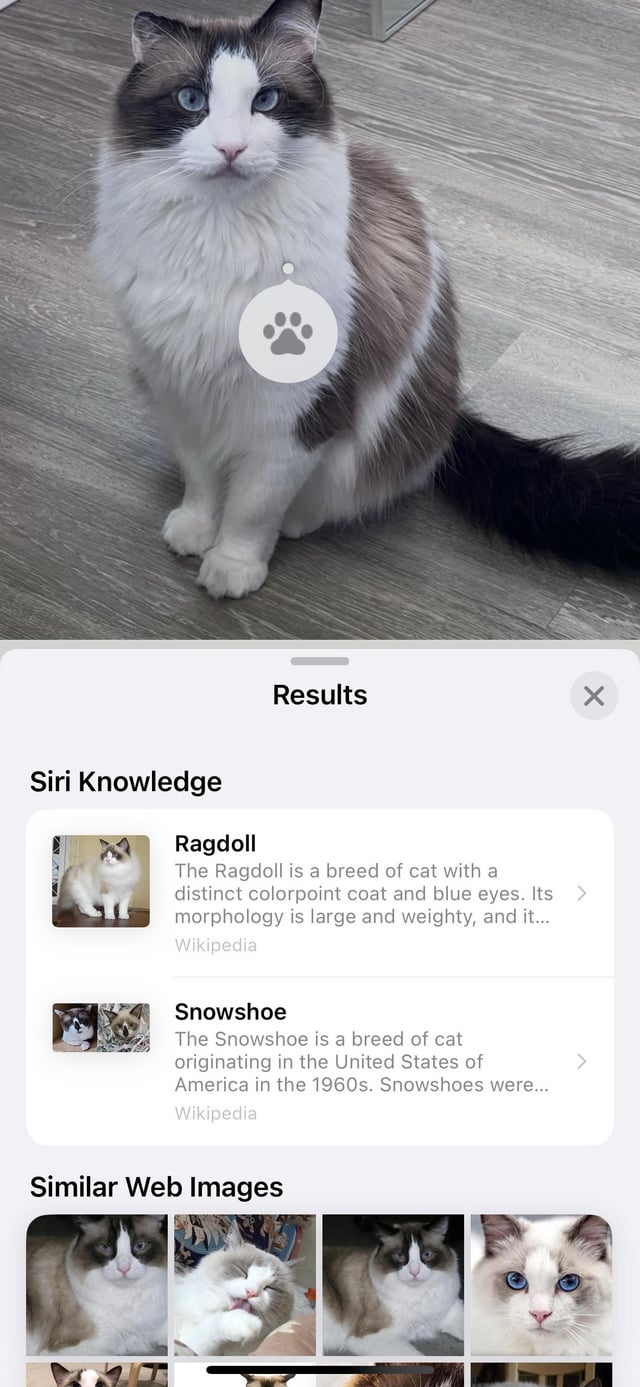
Discovering your cat’s breed involves using online resources. Websites offer quizzes based on physical traits and behavior. Uploading photos to breed identification tools also helps.
Identifying your cat’s breed can be a delightful journey, and the internet offers a treasure trove of resources to guide you. Whether you’re curious about your cat’s lineage or just seeking to understand their behavior better, online tools can provide valuable insights. Let’s dive into some of the most effective online resources available.Breed Identification Apps
Nowadays, technology makes it easier than ever to discover your cat’s breed. Breed identification apps use algorithms and databases to match your cat’s features with recognized breeds. Simply upload a photo of your feline friend, and these apps will analyze characteristics such as fur color, ear shape, and eye type. Some popular apps even provide a percentage breakdown of potential breeds. This can be a fun and educational way to learn more about your cat’s background. Have you tried using one of these apps yet?Online Communities And Forums
The internet is home to countless online communities and forums dedicated to cat lovers. These platforms are excellent places to connect with fellow cat owners who might have similar experiences. You can share photos and descriptions of your cat and receive feedback from people who have a wealth of knowledge on different breeds. Engaging in discussions can provide not only breed identification tips but also advice on caring for your specific type of cat. Have you ever posted a picture of your cat in a forum and found it sparked a lively discussion?Educational Websites
If you’re looking for detailed information, educational websites can be incredibly helpful. Websites from animal organizations often include comprehensive guides on identifying cat breeds. These guides typically cover physical traits, behavioral patterns, and historical background. Some sites also offer quizzes and interactive tools to help narrow down your cat’s breed. As you explore these resources, you may find surprising facts about your cat that you never knew. What intriguing facts have you discovered about your furry companion? Using these online resources, you can piece together your cat’s unique story. Each tool offers a different perspective, helping you appreciate your pet even more. So, what’s the next step in your breed discovery journey?Documenting Your Findings
Discovering your cat’s breed involves observing physical traits and behavior. Document these findings for accurate identification. Consult a vet or use online tools for a more detailed analysis.
Discovering the breed of your cat can be an exciting journey. Once you’ve gathered your clues, it’s important to document your findings in an organized way. Not only does this help you track your cat’s lineage, but it also ensures that you have essential information at your fingertips. Think about how this can also aid in understanding your cat’s unique characteristics and health needs. Let’s explore how you can effectively document your cat’s breed details.Creating A Breed Profile
Start by creating a detailed profile for your cat’s breed. Include basic information like breed name, origin, and distinctive features. You might want to add photos of your cat to highlight these traits. Consider listing common behavioral patterns associated with the breed. This can help you understand your cat’s quirks better. Did you notice your cat loves water? It might be a sign of a Turkish Van lineage.Maintaining Health Records
Keeping a health record is crucial for any pet owner. Document your cat’s veterinary visits, vaccinations, and any medical conditions. This is especially important if your cat’s breed has specific health risks. Include dietary preferences and any allergies your cat might have. Have you tried a new food that didn’t sit well? Note it down to avoid future issues.Sharing Information With Others
Sharing your findings can be enlightening for others. Create an online profile or a simple document to share with fellow cat enthusiasts. You might find someone with a cat of the same breed, opening up opportunities for shared insights. Consider joining forums or social media groups dedicated to cat breeds. Engaging with others can provide new perspectives and tips on caring for your breed. What’s something unique you’ve learned about your cat’s breed that others might not know? The process of documenting your cat’s breed is not just about gathering facts. It’s about connecting with your pet on a deeper level. How will you use this newfound knowledge to enhance your bond with your feline friend?
Credit: cattree.uk
Frequently Asked Questions
How Do I Know The Breed Of My Cat?
To identify your cat’s breed, examine physical traits like coat color, pattern, and body type. Consult a vet or use online breed identification tools. A DNA test can provide accurate breed information.
Can Google Lens Identify Cat Breeds?
Yes, Google Lens can identify cat breeds. It uses image recognition to provide breed information. Simply take a picture of the cat. Google Lens will analyze and suggest possible breeds. This feature is handy for pet lovers and enthusiasts.
How Much Is It To Find Out What Breed My Cat Is?
Cat DNA tests cost between $45 and $130. Prices vary based on the test’s comprehensiveness and the company. Some offer additional features like health screenings, which may increase the price. Always research and compare options to find the best fit for your needs.
How Can I Identify A Cat?
Identify a cat by its triangular ears, whiskers, retractable claws, and unique meow sounds. Cats have a flexible, agile body and typically weigh 4-5 kg. Their fur varies in color, patterns, and length, aiding in recognition. Cats often exhibit independent behavior and grooming habits.
Conclusion
Discovering your cat’s breed can be a fun journey. Start by observing its physical traits. Check fur patterns, eye color, and tail shape. These hints can point to specific breeds. A vet can provide helpful insights too. Consider DNA testing for more accurate results.
This gives you a clear picture of your cat’s genetic background. Remember, each cat is unique, regardless of breed. Embrace your cat’s special qualities. Enjoy the adventure of learning more about your furry friend. Your bond will grow stronger with this knowledge.

Similar Posts