What Cat Breed is Best for Me: Find Your Perfect Match
Choosing the perfect cat breed can feel like finding a needle in a haystack, especially with so many adorable options to consider. But don’t worry—you’re not alone in this quest.
Imagine this: a fluffy companion that matches not just your lifestyle, but also your personality. Sounds ideal, right? Whether you’re a busy bee or a laid-back lounger, the right cat can seamlessly fit into your life, bringing joy and companionship.
So, how do you discover which breed is your perfect match? Stick around, because we’re about to dive into what makes each breed unique, helping you find the feline friend that suits you best. Your future furry companion is just a few scrolls away.
Popular Cat Breeds
Choosing a cat breed that suits your lifestyle and personality can make a huge difference in your experience as a pet owner. With so many popular cat breeds, it can be hard to decide which one is right for you. Let’s explore some of the most beloved breeds and discover what makes them unique. Which one will capture your heart?
Maine Coon
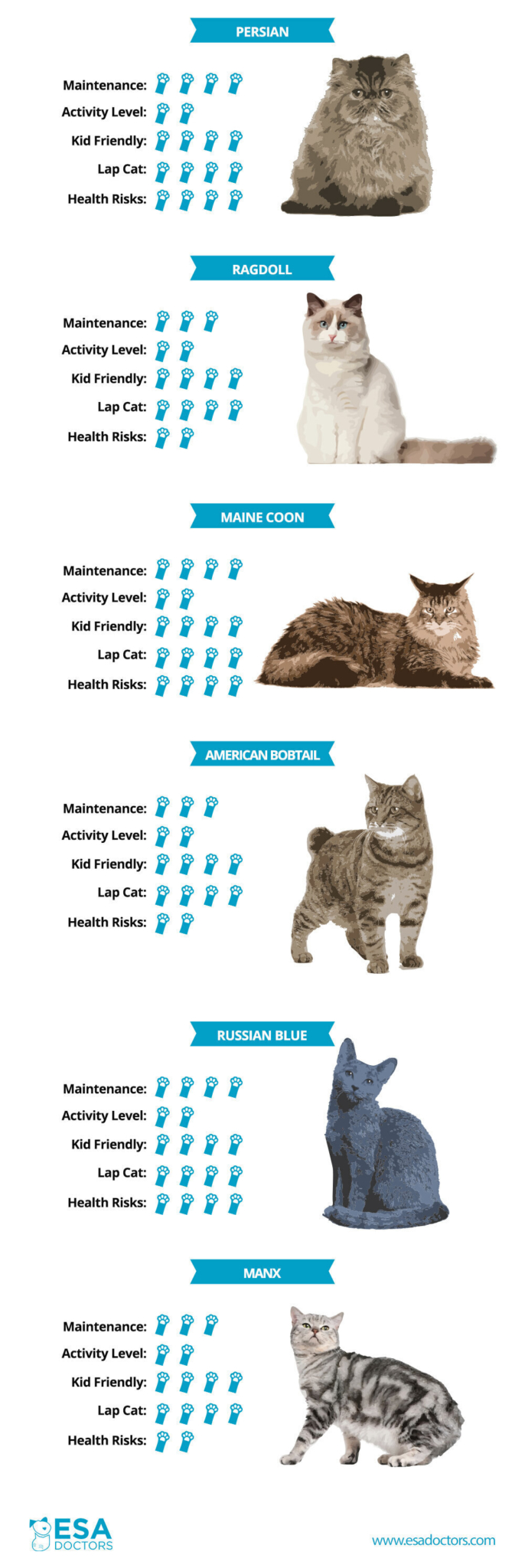
The Maine Coon is often known as the gentle giant of the cat world. These cats are large, with a thick, luscious coat that demands admiration. Their friendly nature makes them perfect companions for families, including those with children or other pets.
I once had a Maine Coon named Max, and his playful antics kept everyone entertained. If you love a cat that’s interactive and social, Maine Coons might be your match. Their intelligence and curiosity can lead to delightful surprises around the house. Are you ready for some fun?
Siamese
Siamese cats are known for their striking blue eyes and sleek bodies. They are vocal and love to communicate with their owners. If you enjoy a chatty pet, the Siamese might be your ideal choice.
My friend had a Siamese named Luna, who always greeted guests at the door. Her loyalty was unmatched, always seeking attention and affection from her owner. Do you want a cat that’s both beautiful and engaging?
Persian
Persian cats are the epitome of elegance, with their long, luxurious fur and calm demeanor. They are perfect for those who prefer a relaxed and low-key pet.
Persians require regular grooming to maintain their beauty, which can be a soothing routine for some owners. If you appreciate tranquility and have time for grooming, Persians can be a delightful addition to your home. Would a serene companion suit your lifestyle?
Bengal
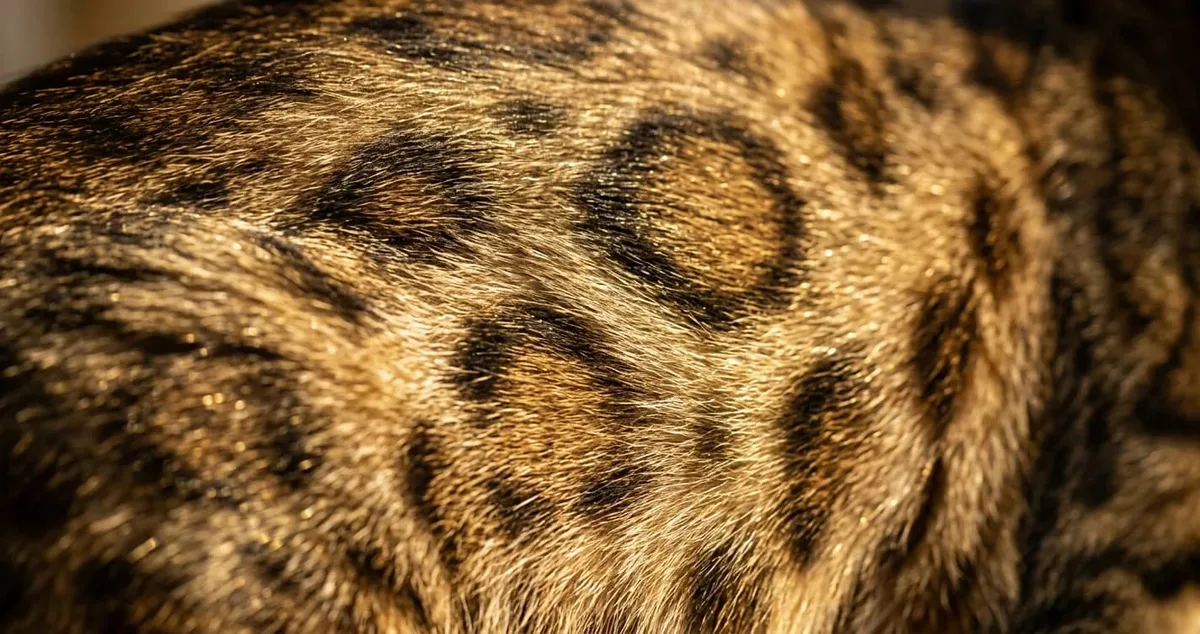
Bengals are like having a little piece of the wild in your living room. With their stunning leopard-like spots, they are a breed that’s both beautiful and active.
These cats love to climb and explore, making them perfect for adventurous owners. Bengals are energetic and need stimulation. Do you have space for a curious and active cat?
Ragdoll
Ragdolls are known for their striking blue eyes and soft, plush coats. They are gentle and affectionate, often going limp when picked up—hence the name Ragdoll.
They are ideal for those who want a loving companion that enjoys cuddles and relaxation. If you love a cat that’s easygoing and snuggly, Ragdolls might be the breed for you. Do you crave comfort and companionship?
As you consider these popular breeds, think about your lifestyle and what traits you value in a pet. Each breed offers something unique, but only you can decide which one resonates with you. What’s your perfect feline friend?

Credit: petfriendlybox.com
Lifestyle Considerations
Choosing the right cat breed involves more than appearances. Your lifestyle plays a major role. Different breeds have unique needs. Understanding these can help you find the perfect match.
Activity Level
Consider how active you are. Some cats love to play and explore. Breeds like the Bengal or Siamese have high energy. They need plenty of stimulation. If you prefer a quieter life, consider a Persian. They enjoy lounging and are more laid-back. A cat’s activity level should align with yours.
Space Requirements
Space matters for cat breeds. Large breeds like the Maine Coon need room to roam. They thrive in spacious homes. Smaller breeds like the Singapura are suited to apartment living. They adapt well to limited spaces. Ensure your home matches the cat’s space needs.
Grooming Needs
Grooming is essential for cat care. Long-haired breeds like the Ragdoll require regular brushing. This prevents matting and tangles. Short-haired breeds like the British Shorthair need less grooming. Consider how much time you can dedicate to grooming. Choose a breed that fits your routine.
Family Compatibility
Certain breeds are great with families. The Ragdoll is known for its gentle nature. They are patient and enjoy being around children. Breeds like the Abyssinian are also family-friendly. They are playful and social. Some cats prefer a quieter household. The Russian Blue is reserved and thrives in calm environments. Understand a breed’s temperament before deciding.
Personality Traits
Choosing the right cat breed involves understanding their personality traits. Cats have unique personalities that make them special. Some cats are cuddly, while others prefer space. Some are playful and energetic. Others are talkative and love to chat. Knowing these traits helps in finding the perfect feline companion.
Affectionate Breeds
Some breeds love human company and enjoy cuddling. Ragdolls are known for their gentle and calm nature. They enjoy being held and following their owners. Scottish Folds are also very loving. They form strong bonds with their families.
Independent Breeds
Some cat breeds value their alone time. They are less clingy but still loving. The Russian Blue is a good example. They are quiet and reserved but loyal. British Shorthairs also enjoy independence. They are calm and easygoing.
Playful Breeds
Playful cats bring energy and fun into any home. Bengals are very active and curious. They need lots of playtime and interaction. Abyssinians are also very playful. They love exploring and climbing.
Vocal Breeds
Some cats are more talkative than others. Siamese cats are famously vocal. They enjoy communicating with their owners. Oriental Shorthairs are another chatty breed. They love expressing themselves through sounds.
Health And Longevity
Cats are cherished for their companionship and unique personalities. Choosing the right breed involves understanding their health and lifespan. Health and longevity are crucial factors. A healthy cat can bring joy for many years. Different breeds have distinct health profiles. Knowing these helps in choosing the best match for your lifestyle.
Common Health Issues
Each cat breed has specific health concerns. Some breeds are prone to heart problems. Others may face respiratory issues. Persian cats can have breathing difficulties. Siamese cats might have dental problems. Regular vet visits are essential. Early detection of health issues prevents complications. Researching breed-specific health problems is wise. It helps in making an informed choice.
Life Expectancy
Life expectancy varies among cat breeds. Some cats live 10-12 years. Others can reach 20 years. The average lifespan for most cats is 15 years. Maine Coons often live longer. Bengals have a similar lifespan. Genetic factors play a role in longevity. Proper care extends a cat’s life. Knowing a breed’s lifespan aids in planning.
Dietary Needs
Diet impacts a cat’s health and lifespan. Each breed has unique dietary requirements. Some cats need high-protein diets. Others require specific vitamins. Persian cats may need special diets for coat health. Siamese cats benefit from balanced meals. Consult a vet for dietary advice. Tailored diets ensure optimal health. Understanding dietary needs helps in breed selection.
Cost Of Ownership
Choosing the right cat breed involves considering various factors. One important aspect is the cost of ownership. Understanding these costs helps you make an informed decision. Let’s explore the financial commitment of owning a cat.
Initial Costs
Buying a cat involves initial expenses. Adoption fees range between $50 and $150. Purebred cats can cost more, sometimes over $1,000. You’ll need basic supplies. A litter box, food bowls, and toys are essential. These can add another $100 to $200.
Ongoing Expenses
Caring for a cat includes regular costs. Food is a significant ongoing expense. Expect to spend around $30 to $50 monthly. Routine veterinary care is necessary. Annual check-ups and vaccinations might cost $100 to $300. Don’t forget grooming supplies and litter. These add another $20 to $40 each month.
Emergency Veterinary Care
Unexpected health issues can arise. Emergency vet visits are costly. Treatments might range from $500 to $2,000. Pet insurance can offset some expenses. Monthly premiums are usually around $15 to $25. It’s wise to budget for potential emergencies.
Adoption And Breeders
Choosing the right cat breed involves considering lifestyle and personality. Some breeds are more playful, while others are calm. Adoption provides diverse breeds and personalities, offering a chance to find the perfect match. Breeders often specialize in specific breeds, ensuring quality and temperament in cats.
Deciding on the perfect cat breed can be overwhelming, but understanding the adoption process and finding the right breeder can make the journey smoother. Whether you’re adopting from a shelter or purchasing from a breeder, each path has its own set of considerations. Here’s a guide to help you navigate the world of cat adoption and breeders to find your ideal feline companion.Rescue Organizations
Rescue organizations are a great place to start when considering cat adoption. They often have a variety of breeds and personalities, giving you the chance to find a cat that matches your lifestyle. Staff at these organizations are usually well-versed in the cats’ backgrounds and can offer valuable insights into each cat’s behavior and needs. Many rescue centers also provide resources for new cat owners, such as training tips and health advice. These organizations often hold events where you can interact with different cats. This is a wonderful opportunity to find a cat whose personality clicks with yours.Finding Reputable Breeders
If you have your heart set on a specific breed, finding a reputable breeder is essential. A responsible breeder will prioritize the health and temperament of their cats over profit. They should be willing to show you the cats’ living conditions and provide health certificates. Look for breeders who are registered with recognized cat breeding associations. This often indicates that they adhere to ethical breeding standards. Always ask for references from previous buyers to ensure the breeder has a history of satisfied customers.Adoption Process
The adoption process can vary depending on where you choose to adopt from. Typically, it involves filling out an application, attending an interview, and sometimes a home visit. This ensures you and the cat are a good match. Adoption fees often cover initial veterinary care, which can include vaccinations and spaying/neutering. Be prepared to wait, as some organizations have waiting lists for certain breeds or ages. Patience is key, as finding the right cat is worth the wait. Have you considered the joy of giving a loving home to a cat in need? Whether through a rescue organization or a breeder, the journey to finding your feline friend can be both rewarding and fulfilling. What path will you choose?Making The Decision
Choosing the right cat breed is a big decision. Each breed has unique traits. They affect your daily life and happiness. Understanding your lifestyle and preferences helps. It ensures a good match with your future feline friend. Let’s dive into key steps for this important choice.
Assessing Your Needs
Start by evaluating your living situation. Do you have a small apartment? A spacious home with a yard? This influences the breed best suited for you. Consider your activity levels. Some breeds need more playtime and exercise. Others are more laid-back and independent.
Think about family dynamics. Do you have children or other pets? Some breeds are better with kids and other animals. Allergies can also be a factor. Hypoallergenic breeds might be a solution. Assessing your needs helps narrow down your options.
Researching Breeds
Research is key in finding the perfect breed. Look into different breed characteristics. Some cats are known for their friendly nature. Others have unique grooming requirements. Research their health issues and lifespan. This helps in planning long-term care.
Read about the breed’s history and behavior. This gives insight into their temperament. Check online resources and books. They provide detailed breed profiles. The more you know, the better the decision you’ll make.
Seeking Expert Advice
Consulting experts can provide valuable guidance. Talk to veterinarians for professional opinions. They can advise on health concerns and care needs. Breeders offer insights into specific breeds. They can share experiences and tips.
Visit animal shelters and rescue centers. Staff can help match you with a suitable cat. They understand different breeds and their needs. Seeking expert advice can clarify doubts and guide you in making the right choice.

Credit: www.reddit.com

Credit: www.pumpkin.care
Frequently Asked Questions
Which Cat Breed Is Good For You?
Choose a cat breed based on your lifestyle. For low maintenance, consider a British Shorthair. For active companionship, try a Bengal. Allergic? Opt for a Siberian. Families might enjoy a Maine Coon’s friendly nature. Research each breed’s needs and personality traits to find the perfect match for your home.
What Is The Friendliest Cat To Own?
The friendliest cat breeds include Ragdolls, Maine Coons, and Siamese cats. These cats are affectionate, sociable, and love human companionship. They often enjoy cuddling and interacting with their owners. Choose a breed that matches your lifestyle for a happy feline friend.
What Is The Best Type Of Cat To Get As A Pet?
The best cat depends on your lifestyle and preferences. Consider breeds like Ragdoll, Maine Coon, or Siamese. Each has unique traits and needs. Research their temperament and care requirements. Choose a cat that matches your environment and activity level for a harmonious pet relationship.
How Do You Choose The Right Cat?
Choose a cat based on your lifestyle, space, and energy level. Consider breed traits and health needs. Visit shelters to interact with different cats. Assess their temperament and compatibility with your family. Ensure you have the resources for their care.
Conclusion
Choosing the right cat breed fits your lifestyle. Consider your home space. Think about how much time you have daily. Some breeds need lots of attention. Others are more independent. Your allergies matter too. Some cats shed less fur. Visit shelters and breeders to learn more.
Spend time with different breeds. See which one you connect with. The perfect cat is out there for you. Patience is key. Your new feline friend will bring joy. Create a loving home together. Enjoy every purr and cuddle.

Similar Posts