Is your cat avoiding the litter box? You’re not alone, and it’s a dilemma many cat owners face.
It’s frustrating, isn’t it? You’ve set up a cozy, clean space for them, yet they choose to go elsewhere. Understanding why your cat isn’t using the litter box is crucial, not just for your home’s hygiene, but for your cat’s well-being too.
There might be a simple reason behind this behavior, and uncovering it could strengthen your bond with your feline friend. We’ll explore the common causes and solutions, helping you get back to a peaceful, litter-free life. Stay with us as we delve into the world of your cat’s mysterious habits and uncover the secrets behind their litter box behavior. Your cat’s comfort and your peace of mind are just a few insights away.

Credit: resources.sdhumane.org
Common Reasons For Litter Box Avoidance
Cats may avoid litter boxes due to stress, health problems, or dirty conditions. Changes in environment or litter type can also deter usage. Understanding their behavior is key to resolving the issue.
Cats are known for their cleanliness, making litter box avoidance a perplexing issue for many pet owners. If you’re struggling with this problem, you’re not alone. Understanding the common reasons why your cat might be shunning the litter box can help you find a solution. Let’s explore some of these reasons to help your feline friend get back on track.Medical Issues
Health problems can be a significant reason for litter box avoidance. Cats may associate pain with using the litter box if they have urinary tract infections or constipation. It’s essential to observe any changes in their behavior. Are they straining or crying out while attempting to use the box? Such signs warrant a visit to the vet for a thorough check-up. Remember, a quick diagnosis can prevent prolonged discomfort for your cat.Stress And Anxiety
Cats are sensitive creatures, and changes in their environment can cause stress. Moving to a new home, introducing a new pet, or even rearranging furniture can lead to anxiety. This stress might manifest in their avoidance of the litter box. Consider what changes have occurred in your household recently. Providing a calm and stable environment can ease their anxiety, encouraging them to return to their usual habits.Litter Box Location
The location of the litter box plays a crucial role in whether your cat chooses to use it. If the box is in a noisy, high-traffic area, your cat might feel uncomfortable. Think about where you’ve placed the box. Is it near the washing machine or a busy hallway? Relocating the box to a quieter, more secluded spot can make a significant difference. Cats appreciate privacy, much like humans do. Understanding these common reasons can help you address the issue effectively. Take a moment to reflect on your cat’s behavior and environment. Could there be a simple change that makes all the difference?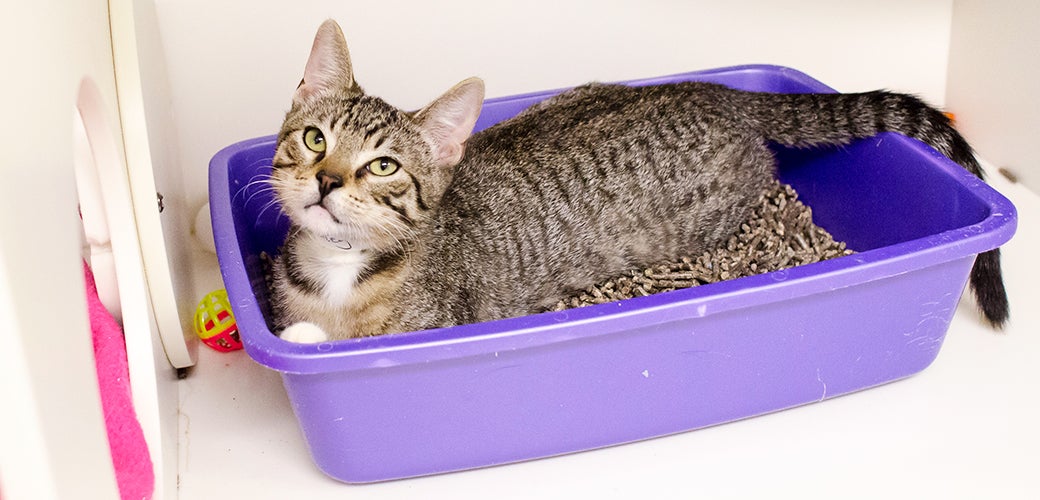
Credit: www.aspca.org
Assessing The Litter Box Setup
Your cat’s litter box setup can significantly influence their bathroom habits. If your feline friend is avoiding the litter box, it’s time to reassess its current arrangement. Consider these essential aspects to ensure your cat feels comfortable and willing to use it.
Size And Type Of Box
The size of the litter box matters more than you might think. Cats need enough space to move around comfortably. A cramped box can make them feel trapped.
Opt for a larger box if you have a sizable cat. The general rule is that the box should be at least one and a half times the length of your cat. Have you considered an open box versus a covered one? Some cats prefer open spaces to feel less confined.
Litter Preferences
Not all litter is created equal, and neither are your cat’s preferences. Some cats have a strong dislike for certain textures or scents. Test different types of litter to see which one your cat prefers.
Clumping, non-clumping, scented, and unscented are all options. You may find that your cat gravitates toward a specific type. Remember, what works for one cat might not work for another.
Cleaning Frequency
How often do you clean the litter box? Cats are fastidious creatures, and a dirty box can be a major turn-off. Aim to scoop the box at least once a day.
A full litter change should occur weekly, along with a thorough cleaning of the box. A clean box can make all the difference. Does your cat seem happier after cleaning? Observing their behavior can give you clues about their preferences.
Assessing these elements can greatly improve your cat’s relationship with their litter box. Have you tried making these changes? You might be surprised at the positive response from your feline companion.
Training And Behavioral Adjustments
Cats sometimes avoid the litter box due to stress or environmental changes. Assessing these factors can guide effective training and behavioral adjustments. Ensuring the litter box is clean and accessible is crucial for encouraging proper use.
Training your cat to use the litter box can be a challenge. Cats often have reasons for avoiding the litter box. Understanding these reasons helps in addressing the problem. Training and behavioral adjustments can make a difference. These methods require patience and consistency. Let’s explore some effective strategies.Positive Reinforcement Techniques
Positive reinforcement encourages desired behavior. Reward your cat when it uses the litter box. Use treats or verbal praise. This creates a positive association. Avoid punishing your cat for mistakes. Punishment can cause fear or anxiety. This might worsen the issue. Focus on rewarding good behavior instead.Gradual Changes To Routine
Cats prefer routine. Sudden changes can cause stress. Introduce changes slowly. This includes moving the litter box or changing the litter type. Make one change at a time. Observe how your cat reacts. Gradual changes help your cat adjust. Ensure a calm environment during adjustments.Introducing New Litter Box
Sometimes a new litter box is needed. Choose a box that suits your cat’s size. Some cats prefer open boxes, others like covered ones. Experiment to find the right type. Place the new box in a quiet, accessible location. Allow your cat time to explore. This helps ease the transition to a new box.Environmental Modifications
Sometimes, cats avoid using their litter box due to environmental factors. These issues can cause stress and discomfort for your furry friend. Making changes to your cat’s surroundings can help. Creating a welcoming environment encourages proper litter box use. Below are some effective modifications.
Noise And Distraction Reduction
Cats are sensitive to loud noises. Keep the litter box away from noisy areas. Avoid placing it near washing machines or televisions. Sudden sounds can scare your cat away. Ensure the area is calm and quiet.
Privacy Considerations
Cats value their privacy. They prefer a quiet, secluded spot for their litter box. A hidden corner or separate room works best. Privacy helps cats feel secure. Check that the location is easy to access.
Safe Spaces For Cats
Your cat needs a safe space. Create a zone where they feel protected. The litter box should be part of this safe area. Avoid high-traffic zones. Cats need peace to do their business comfortably.
Consulting A Veterinarian
When your cat stops using the litter box, it can be frustrating. Consulting a veterinarian can provide insights into possible causes. They offer professional guidance tailored to your cat’s needs. A vet helps identify underlying health issues affecting your cat’s behavior. Their expertise is crucial for understanding what’s going wrong.
Identifying Health Concerns
Health issues often lead to litter box problems. Cats may avoid the box due to infections or pain. A veterinarian can perform tests to detect these issues. Physical exams reveal conditions that might be causing discomfort. Catching health problems early can prevent further complications.
Behavioral Advice
Veterinarians also offer advice on behavioral changes. Sometimes, stress or anxiety leads to litter box avoidance. A vet can suggest ways to create a calmer environment. Their advice might include changes to the litter box setup. This guidance can improve your cat’s overall well-being.
Medication Options
Some cases require medication to address the problem. Cats with infections or pain might benefit from prescribed drugs. Veterinarians know the best treatments for different conditions. They ensure your cat receives the right medication. Proper medication can lead to a return to normal litter box habits.

Credit: www.youtube.com
Preventive Measures
Preventing litter box issues in cats requires understanding and care. Cats are creatures of habit. They thrive in a stable environment. Ensuring they use their litter box involves attention to their health and routine. By taking preventive measures, you can maintain a happy and healthy cat.
Regular Health Checks
Regular vet visits are crucial. Health issues can cause litter box aversion. Cats may have urinary infections or digestive problems. These can lead to accidents outside the box. Spotting these issues early is key. Regular checks ensure your cat is healthy and comfortable.
Stress Management Techniques
Cats are sensitive to stress. New changes can unsettle them. Stress can affect their litter habits. Create a calm environment. Offer hiding spots and quiet areas. Use pheromone sprays to reduce anxiety. A stress-free cat is more likely to use the litter box.
Consistency In Routine
Cats love routine. Keep feeding and playtimes consistent. Sudden changes can confuse them. Ensure the litter box is clean. Scoop it daily. Use the same type of litter. Familiarity helps your cat feel secure. A consistent routine encourages proper litter use.
Frequently Asked Questions
Why Is My Cat Suddenly Refusing To Use The Litter Box?
Your cat might avoid the litter box due to stress, illness, or a dirty box. Check for health issues, keep the box clean, and ensure a quiet location. Cats prefer privacy when using the litter box. Address any changes in their environment that might cause anxiety.
Why Is My Cat Pooping On The Floor With A Clean Litter Box?
Your cat might poop on the floor due to stress, health issues, or litter box aversion. Ensure the box is accessible, clean, and in a quiet location. Try different litter types or consult a vet for health concerns. Stress reduction can also help.
How Do I Get My Cat To Use The Litter Box Again?
Ensure the litter box is clean and accessible. Use unscented litter and place it in a quiet area. Reintroduce your cat by gently placing them in the box. Reward them with treats for using it. Consult a vet if issues persist.
When To Worry About A Cat Not Using A Litter Box?
A cat not using the litter box may indicate stress, illness, or behavioral issues. Contact a vet if the problem persists over 2-3 days, especially alongside symptoms like lethargy or vomiting. Ensure the litter box is clean, accessible, and in a quiet location.
Conclusion
Understanding your cat’s litter box habits is crucial. Sometimes, stress affects their behavior. Other times, it’s a health issue. Check for any signs of discomfort. Clean the box regularly. Ensure it’s in a quiet spot. Choose the right type of litter.
Observe your cat’s preferences closely. Each cat is unique. So, patience is key. Consult a vet if problems persist. Your feline friend deserves comfort. Happy cat, happy home. With care, your cat will use the litter box again.