What Can You Give Cats for Anxiety: Effective Solutions

Is your feline friend showing signs of anxiety? It’s heart-wrenching to see your cat stressed or scared, and you’re probably eager to find a solution that offers comfort.
Fortunately, there are effective remedies to help ease your cat’s anxiety and restore their peace of mind. But what exactly can you give your cat for anxiety? You’re about to discover a range of options that can make a world of difference for your furry companion.
From natural supplements to simple environmental changes, this guide will equip you with the knowledge to soothe your anxious cat. Ready to transform your cat’s anxiety into tranquility? Let’s dive in and explore the possibilities together!
Understanding Cat Anxiety
Cats, like humans, can experience anxiety. This emotional state can affect their well-being. Understanding the root cause is vital. It helps manage their stress effectively.
Various factors contribute to anxiety in cats. From environmental changes to health issues. Knowing the signs can aid early intervention. It ensures your feline friend stays happy.
Common Causes
Sudden changes in a cat’s environment can trigger anxiety. Moving to a new home is a common stressor. Loud noises, like thunderstorms, may also unsettle them.
Separation from owners can cause distress. Cats form strong bonds with their humans. Being alone for long periods might lead to anxiety.
Health issues can be another cause. Pain or illness may make cats anxious. Regular vet check-ups help in identifying underlying problems.
Signs And Symptoms
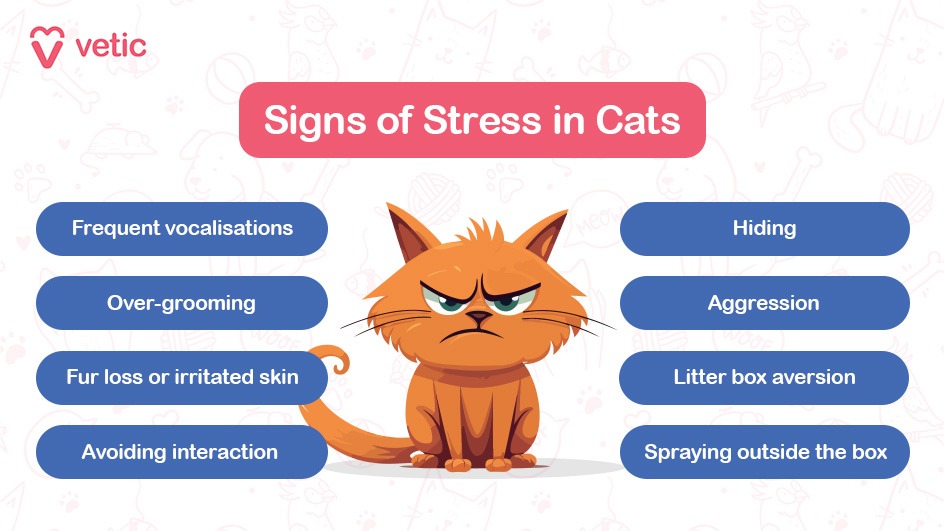
Recognizing anxiety in cats is crucial. Look out for excessive grooming or scratching. These can indicate stress.
Changes in eating habits are a sign. A cat might eat less or more than usual. Altered sleeping patterns are also common.
Avoidance behaviors can manifest. Hiding more often or being less sociable. Aggression or irritability might also increase.
Frequent meowing or vocalizations can signal distress. Pay attention to unusual sounds your cat makes.
Understanding these symptoms helps in timely action. It ensures your cat receives the care it needs.
Dietary Adjustments
Dietary adjustments can help reduce anxiety in cats. Food plays a key role in overall wellness. Adjusting a cat’s diet can improve its mental health. Certain foods and supplements can ease stress and anxiety. Let’s explore some options.
Supplements
Supplements can be an effective way to manage anxiety in cats. Omega-3 fatty acids support brain health and reduce stress. Probiotics improve gut health, which affects mood. Consider adding these to your cat’s diet. Always consult a vet before introducing new supplements. Safety first!
Herbal Remedies
Herbal remedies offer natural solutions for anxious cats. Valerian root can promote calmness. Chamomile is known for its soothing effects. These herbs can be found in teas or supplements. Introduce them gradually to see how your cat responds. Observe any changes in behavior. Herbal options are worth exploring with care.
Behavioral Interventions
Cats often experience anxiety due to changes in their environment or routine. Behavioral interventions like creating a calm space can help. Playing soft music and providing interactive toys may also ease their stress.
Helping your cat manage anxiety can be challenging, but behavioral interventions can make a significant difference. These strategies focus on changing your cat’s environment and daily habits to reduce stress and promote calmness. By understanding what your feline friend needs, you can create a more comforting atmosphere that supports their emotional well-being.Environmental Enrichment
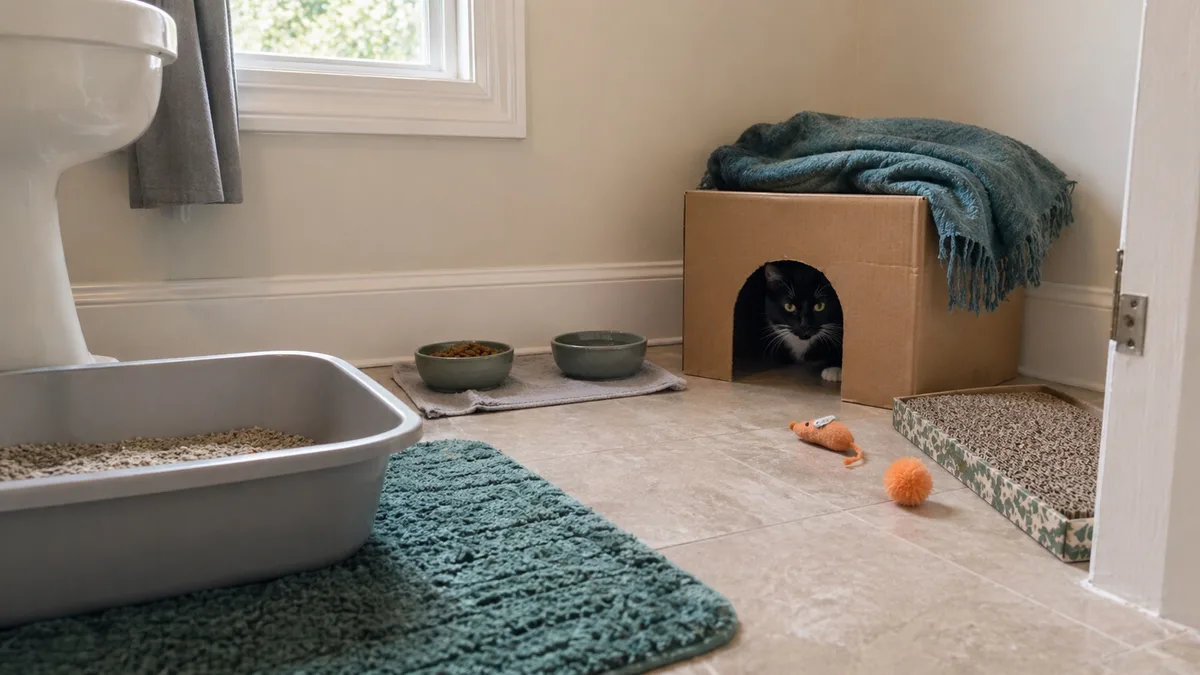
Cats love to explore and discover. Offering a variety of toys and activities can keep them engaged and reduce anxiety. Consider adding scratching posts, puzzle feeders, and window perches to your home. Think about the spaces in your home. Is there a quiet area where your cat can retreat? Creating a safe haven with cozy blankets and favorite toys can offer a comforting escape during stressful moments. You might notice your cat being more playful when they have new things to explore. Rotating their toys weekly can keep things exciting and provide mental stimulation. Have you ever seen how a simple cardboard box can become a world of adventure for your cat?Routine And Predictability
Cats thrive on routine. Establishing a consistent daily schedule for feeding, playtime, and grooming can help your cat feel secure. Regular routines reduce uncertainty, which can be a significant source of stress. Consider your daily activities. Are you feeding your cat at the same time every day? Keeping to a feeding schedule can prevent anxiety related to hunger or meal anticipation. What about your interactions with your cat? Regular play sessions not only provide exercise but also strengthen your bond. Even just a few minutes a day can make a difference in how secure your cat feels. By focusing on these behavioral interventions, you’re not just addressing your cat’s anxiety—you’re enhancing their quality of life. What changes can you make today to help your cat feel more at ease?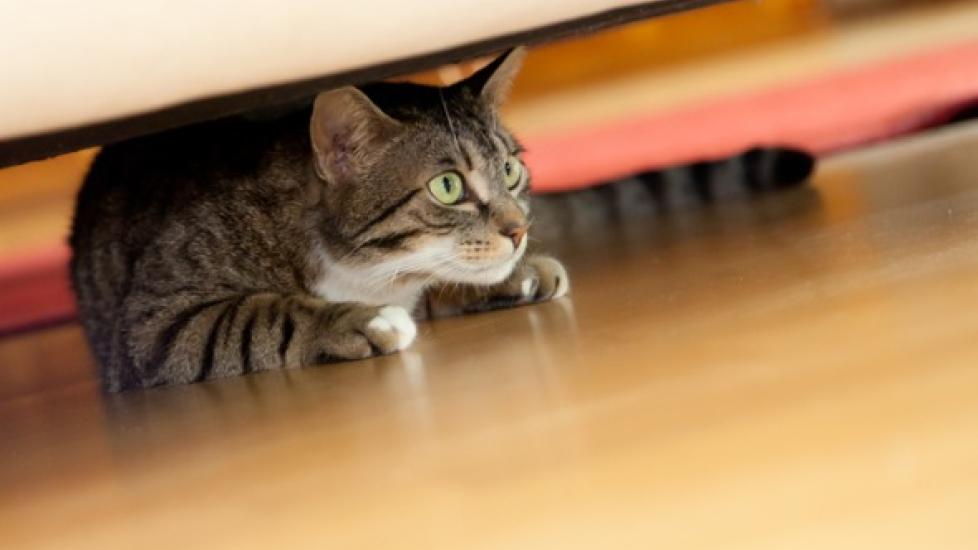
Credit: www.petmd.com
Therapeutic Products
Cats experiencing anxiety can find relief through various therapeutic products. Natural calming aids like pheromone diffusers and treats help soothe their nerves. Consult a vet for safe anxiety medications tailored to your cat’s needs.
Cats, like humans, can experience anxiety. This can be triggered by changes in their environment, loud noises, or even separation from their favorite humans. If you’ve noticed your feline friend showing signs of distress, you might wonder how to help them feel more relaxed. Fortunately, several therapeutic products can ease their anxiety and help them return to their usual playful selves. Let’s explore some of these options to see which might be the best fit for your anxious kitty.Pheromone Diffusers
Pheromone diffusers are a popular choice for calming anxious cats. These devices release synthetic versions of natural pheromones that cats produce when they feel safe and secure. By mimicking these comforting signals, diffusers can help your cat feel more relaxed in their surroundings. Think of it as creating a safe haven for your feline friend. Imagine coming home to a space that smells and feels just right, instantly putting you at ease. That’s what pheromone diffusers do for cats. They can be especially helpful during stressful events like moving house or introducing a new pet. If you’re looking for a non-intrusive way to soothe your cat, a pheromone diffuser might be worth trying.Calming Collars
Calming collars are another effective tool to ease feline anxiety. These collars are infused with calming agents, such as natural herbs or synthetic pheromones, and are designed to release these soothing elements gradually. As your cat wears the collar, they experience a continuous calming effect, which can be particularly beneficial for cats that get anxious during travel or vet visits. Imagine stepping into your favorite cozy sweater on a chilly day—it wraps you in warmth and comfort. A calming collar does something similar for your cat. It can be a simple, wearable solution that offers tranquility throughout the day. If your cat tends to get nervous outside their usual environment, slipping on a calming collar could make a world of difference. Have you tried any of these therapeutic products for your cat? What was their reaction? It’s fascinating how these small changes can have a significant impact on a pet’s well-being. Consider experimenting with one or both of these options and watch your cat’s anxiety melt away.Professional Help
Dealing with a cat’s anxiety can be challenging, but you don’t have to face it alone. Seeking professional help is a wise decision to ensure your feline friend gets the best care possible. Not only can it provide peace of mind, but it can also tailor solutions specific to your cat’s needs. Whether it’s consulting with a veterinarian or working with an animal behaviorist, there are experts ready to assist.
Consulting A Veterinarian
A veterinarian can be your first line of defense against anxiety in your cat. They have the expertise to diagnose any underlying health issues that might be contributing to stress.
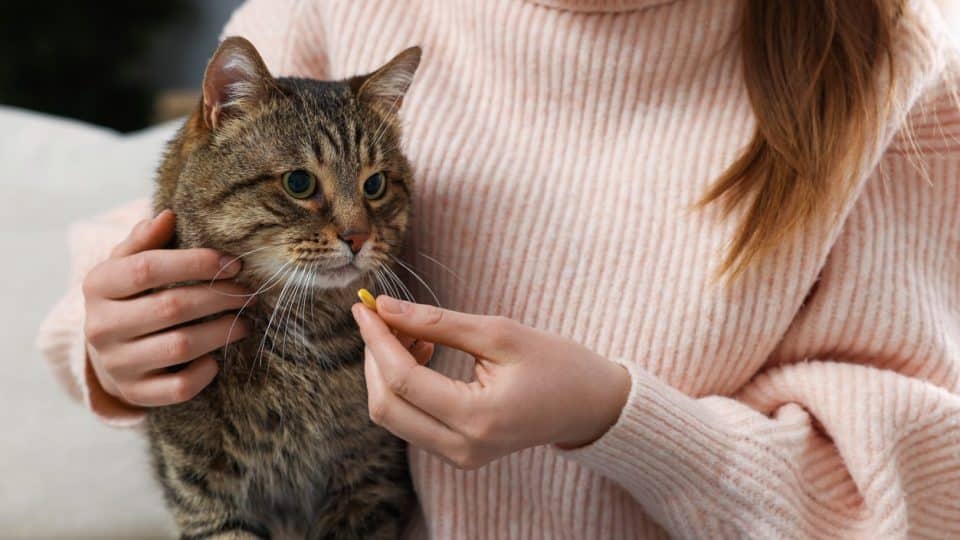
Veterinarians often suggest medications or supplements to help manage anxiety. These can include pheromone diffusers, calming treats, or prescribed medications.
Have you considered the impact of your own stress levels on your cat? Discussing your lifestyle with your vet can reveal surprising connections. A calm environment at home can make a huge difference.
Working With An Animal Behaviorist
An animal behaviorist specializes in understanding the psychological aspects of your cat’s behavior. They can help identify triggers and patterns that might not be obvious.
Behaviorists often recommend behavioral modification techniques. These might include play therapy, structured routines, or environmental changes that soothe your cat.
Have you ever thought about how your cat perceives your home? A behaviorist can suggest simple adjustments to improve your cat’s environment, creating a serene space that minimizes anxiety.
Don’t wait for anxiety to escalate. Reach out for professional help and explore solutions tailored to your cat’s unique needs. What steps will you take today to ensure your cat lives a stress-free life?
Credit: www.rover.com
Lifestyle Changes
Cats can feel anxious due to changes in their environment or routine. Calming treats, safe spaces, and pheromone sprays help ease their stress. Regular playtime and gentle handling also provide comfort and reassurance.
Cats, much like humans, can experience anxiety, which can disrupt their well-being. Lifestyle changes can be a crucial step in helping your feline friend feel more relaxed and secure. By making simple yet effective adjustments to their environment and daily routine, you can significantly reduce their stress levels and enhance their quality of life.Safe Spaces
Creating a safe space for your cat can provide them with a sense of security. Think of a cozy nook or a quiet corner where your cat can retreat when they feel overwhelmed. Use soft bedding or a favorite blanket to make it inviting. Observe where your cat naturally gravitates when they’re anxious. Use this insight to design their sanctuary. You might be surprised how a small change can lead to a big improvement in their mood. Consider adding vertical spaces, like shelves or cat trees, to give them a vantage point. Elevated areas can help cats feel safe and in control of their surroundings.Interactive Play
Interactive play can be a powerful tool to combat anxiety in cats. Engage your cat with toys that mimic prey, like feather wands or small balls. This not only provides physical exercise but also mental stimulation, which is crucial for their well-being. Set aside time each day for play sessions. Even just ten minutes of focused play can make a significant difference in their anxiety levels. Notice how your cat’s demeanor changes post-play. You might find they’re more relaxed and less prone to anxious behaviors. Rotate toys to keep things interesting. Cats can get bored easily, and introducing new toys can reignite their interest and reduce stress. Consider using puzzle feeders to make mealtime more engaging and rewarding. What small change can you make today to help your cat feel more at ease? Remember, even minor adjustments can lead to a happier, more content feline companion.Medications
Medications can offer relief for cats struggling with anxiety. They can help soothe nerves and promote calmness. Veterinarians often recommend medications for cats with severe anxiety. Let’s explore some options and their potential side effects.
Prescription Options
Veterinarians may prescribe medications like fluoxetine or clomipramine. These are common choices for treating anxiety in cats. They help balance chemicals in the brain to reduce stress. Some cats respond well to these medications. It often takes time to see full effects. Patience is key during this process. Always follow the vet’s dosage instructions carefully.
Potential Side Effects
Medications can have side effects in some cats. Common side effects include drowsiness and reduced appetite. Some cats may also experience digestive issues. It’s important to monitor your cat’s reaction. Report any unusual behaviors to your vet. They can adjust the treatment if necessary. Never stop medication abruptly without consulting your vet.
Credit: www.humaneworld.org
Frequently Asked Questions
What Should I Give My Cat For Anxiety?
Consider giving your cat CBD oil or calming treats. Ensure they have a safe, quiet space. Consult your vet for advice on anxiety medication or supplements. Regular play and interaction can also help reduce stress.
What Human Anxiety Medication Is Safe For Cats?
Consult a veterinarian for anxiety medication safe for cats. Common options include gabapentin and buspirone. Never administer human drugs without professional guidance. Proper dosage is crucial for feline health. Always prioritize expert advice for your pet’s safety.
What Are Signs Of Anxiety In Cats?
Cats show anxiety through excessive grooming, hiding, aggression, or changes in appetite and litter box habits. Increased vocalization or clinginess may also indicate stress. Watch for signs to ensure your cat’s well-being.
What Natural Remedy Can I Give My Cat For Anxiety?
Consider using pheromone diffusers, herbal supplements like chamomile, or CBD oil for your cat’s anxiety. Ensure the chosen remedy is safe and consult a veterinarian for advice. Creating a calm environment with soothing music and regular playtime can also help alleviate anxiety symptoms in cats.
Conclusion
Helping your cat with anxiety is important. Simple solutions can make a difference. Try calming treats or toys. Consider using pheromone diffusers. They provide comfort. Regular playtime helps too. It reduces stress and anxiety. Consult your vet for more advice.
They can suggest treatments. A calm environment matters. Create a cozy space for your cat. Keep routine consistent. This provides security and comfort. Your cat deserves a peaceful life. Small changes can improve their happiness. Always observe your cat’s behavior closely.
This ensures their well-being. A happy cat means a happy home.

Similar Posts