What Essential Oils are Toxic for Cats: Avoid These Now
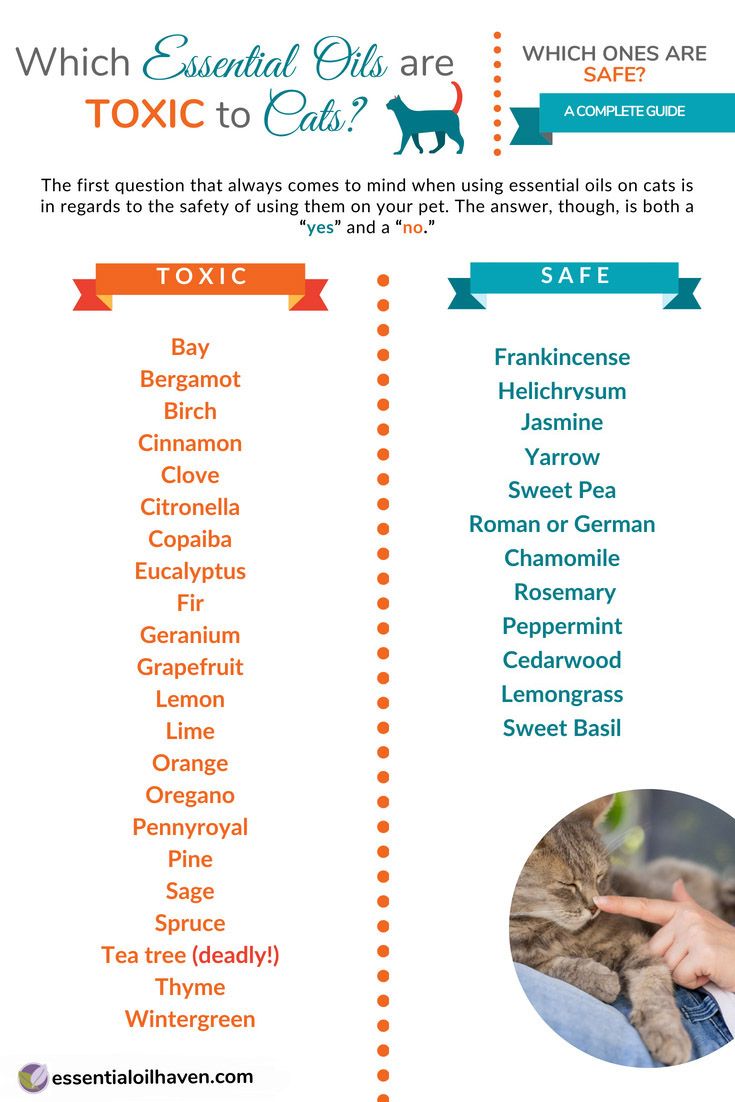
If you love your feline friend, you want to ensure their environment is safe and nurturing. Essential oils have gained popularity for their therapeutic benefits, but did you know that some of them can be harmful to cats?
As a responsible pet owner, your primary concern is the well-being of your furry companion. You might be using essential oils to freshen up your home or to relax after a long day, but it’s crucial to know which ones could pose a danger to your cat.
This article will guide you through the essential oils that are toxic to cats, helping you create a home where your pet can thrive without risk. Keep reading to discover how you can keep your cat safe while enjoying the benefits of essential oils.

Credit: www.thesprucepets.com
Common Toxic Essential Oils
Lavender, eucalyptus, and tea tree oils are toxic for cats. These oils can cause serious health issues. Cat owners should avoid using them at home.
When it comes to your beloved feline friends, it’s essential to be aware of what can harm them. Essential oils, while beneficial for humans, can pose serious risks to cats. Their unique metabolism makes them particularly sensitive. Understanding which oils are toxic can help you keep your pet safe and healthy. Let’s look at some common essential oils that you should avoid using around your cats.Tea Tree Oil
Tea tree oil is often praised for its antibacterial properties. However, it’s highly toxic to cats. Even a small amount can lead to symptoms like lethargy, tremors, or even liver damage. If you use tea tree oil in your home, ensure it’s stored securely. Accidental exposure can occur from diffusers or skin contact. Always think twice before applying any product containing tea tree oil near your cat.Eucalyptus Oil
Eucalyptus oil is known for its refreshing scent and respiratory benefits. Unfortunately, it’s not safe for cats. Ingesting or inhaling eucalyptus oil can cause salivation, vomiting, and difficulty breathing. Have you noticed your cat acting strangely after you’ve used eucalyptus oil? It might be more than a coincidence. Consider switching to a safer alternative to avoid any health issues.Lavender Oil
Lavender oil is often used for relaxation and stress relief. But did you know it’s toxic to cats? While it’s less potent than others, it can still cause harm. Cats may experience nausea or a decrease in appetite if they ingest lavender oil. Be cautious if you enjoy using lavender-infused products. Your cat’s safety should always come first.Peppermint Oil
Peppermint oil provides a cooling sensation and a minty aroma. However, it can be harmful to cats. Exposure might lead to vomiting, diarrhea, or respiratory distress. You might love peppermint for its refreshing qualities, but it’s not worth the risk for your feline friend. Always consider their well-being before using peppermint oil in your household. Are you aware of any other oils that might be dangerous to your cat? Staying informed and cautious can prevent accidental harm. Your pet’s health depends on your vigilance.
Credit: www.cbc.ca
Why Essential Oils Harm Cats
Essential oils can enhance human lives. But they can pose dangers to cats. Cats are sensitive to many essential oils. Exposure can lead to health issues. Understanding why is crucial for pet owners.
Cats’ Unique Metabolism
Cats have a unique metabolism. It differs from humans and dogs. Their bodies process substances differently. This includes essential oils. Cats lack certain enzymes. These enzymes help break down compounds. Without them, toxins build up.
Absence Of Detoxifying Enzymes
Cats don’t have specific detoxifying enzymes. These enzymes are vital for processing toxins. Essential oils contain compounds harmful to cats. Their bodies can’t break these down. Accumulation leads to toxicity. This can cause severe health problems.
Symptoms Of Essential Oil Toxicity
Cats are sensitive creatures. Essential oils can be harmful to them. Toxicity symptoms vary. Recognizing them early is crucial. This ensures swift action and care.
Respiratory Distress
Essential oils can affect a cat’s breathing. They might cough or wheeze. You may notice rapid breathing. Cats might struggle to breathe. This is a serious sign. Immediate veterinary attention is needed.
Skin Irritation
Oils can irritate a cat’s skin. Redness or itching might occur. You may see rash-like bumps. Cats might scratch or lick excessively. Their fur can become patchy. These signs indicate skin problems.
Behavioral Changes
Essential oils can alter a cat’s behavior. They might act unusually. You may see them hiding. Cats might become more aggressive. Lethargy is another sign. They may refuse food or water. These changes signal distress.
Safe Alternatives For Cats
Many cat owners enjoy using essential oils for their calming properties. Yet, some oils can be harmful to cats. Understanding safe alternatives is crucial. It ensures your feline friends stay healthy and happy.
Pet-friendly Essential Oils
Lavender oil is safe for cats. It calms and soothes without harm. Chamomile oil offers gentle relaxation. Cats benefit from its mild scent. Rosemary oil can be used safely. It invigorates without toxic effects. Frankincense oil supports wellness. It’s gentle and non-toxic for cats.
Non-toxic Home Solutions
Baking soda freshens the air naturally. It’s safe for pets. Vinegar cleans surfaces effectively. It poses no threat to cats. Lemon juice acts as a natural cleaner. It’s non-toxic and safe for feline households. Fresh herbs, like mint, offer pleasant scents. They’re safe and enhance your home environment.
Preventing Exposure To Toxic Oils
Cats are curious creatures. They explore every nook and cranny. This curiosity can lead them to places with essential oils. Many essential oils are toxic to cats. Exposure can cause serious health issues. Ensuring your cat’s safety is crucial. Proper storage and safe usage are key.
Proper Storage Techniques
Keep essential oils in a secure place. Use cabinets with childproof locks. Store oils in dark glass bottles. This keeps them fresh and out of sight. Label each bottle clearly. This prevents confusion and mistakes.
Safe Usage Practices
Limit the use of essential oils around cats. Choose cat-safe oils if necessary. Use oils in a well-ventilated area. This helps disperse strong scents quickly. Avoid using oil diffusers in rooms with cats. Cats are sensitive to strong smells. Clean any spills immediately. This prevents accidental ingestion or skin contact.

Credit: www.fetchpet.com
Immediate Actions If Exposure Occurs
Cats can be sensitive to essential oils like tea tree, eucalyptus, and lavender. If exposure occurs, immediately move the cat to fresh air and contact a vet. Monitor the cat for symptoms such as drooling, vomiting, or difficulty breathing.
If your cat has been exposed to essential oils, you need to act fast. Essential oils can be toxic to cats, causing symptoms like drooling, vomiting, or difficulty breathing. Understanding what to do immediately can make all the difference in ensuring your cat’s safety. Quick and decisive actions can help prevent long-term damage.Contacting A Vet
Your first step should be to call your vet. Explain the situation clearly, mentioning the specific oil your cat was exposed to. The vet can guide you on whether immediate care is needed or if you should bring your cat in. If your regular vet is unavailable, don’t wait. Reach out to an emergency animal hospital. Time is crucial, so ensure your cat gets professional advice as soon as possible.Emergency Care Steps
While waiting for veterinary advice, there are some steps you can take. First, remove any oil from your cat’s fur using a mild dish soap and warm water. Be gentle to avoid causing stress or injury. Avoid giving your cat any food, water, or medications unless instructed by a vet. This could exacerbate the issue. Keep your cat calm and in a quiet area, as stress can worsen their condition. Have you ever felt the panic of not knowing what to do in an emergency? Your instincts might tell you to try home remedies, but with essential oil toxicity, expert advice is key. Trust the professionals to guide you through safely. In such situations, it’s crucial to have quick access to your vet’s contact information. Perhaps now is a good time to store it on your phone or write it down and place it in an easily accessible spot. Will you be prepared if your cat encounters such a danger?Frequently Asked Questions
What Essential Oils Are Poisonous To Cats?
Essential oils like tea tree, eucalyptus, lavender, peppermint, and citrus are toxic to cats. Cats lack enzymes to safely metabolize these oils. Exposure can cause nausea, breathing issues, or liver damage. Always ensure oils are out of reach and consult a vet for safe alternatives.
What Essential Oils Can I Diffuse If I Have Cats?
Use essential oils like lavender, chamomile, and cedarwood, which are generally safe for cats. Always ensure proper ventilation. Avoid oils like tea tree, citrus, and eucalyptus. Consult your vet before diffusing around cats for safety.
What Happens If My Cat Smells Peppermint Oil?
Peppermint oil can be toxic to cats. Cats might experience drooling, vomiting, or respiratory issues if exposed. Keep peppermint oil away from cats to ensure their safety and well-being.
What Essential Oils Are Bad For Animals To Breathe In?
Some essential oils are harmful for animals to breathe. Avoid tea tree, eucalyptus, cinnamon, citrus, peppermint, and pine oils. These can cause respiratory issues or toxic reactions in pets. Always research and consult a vet before using essential oils around animals to ensure their safety.
Conclusion
Protecting your cat’s health is crucial. Essential oils can be harmful. Some oils cause serious issues. Tea tree and eucalyptus oils are toxic. Avoid using them around your cat. Cats are sensitive to strong scents. Always research before using any oil.
Consult your vet for safe options. Keep your feline friend safe and healthy. Your cat’s well-being depends on informed choices. Stay aware and cautious. Your pet will thank you for it.

Similar Posts