Is My Cat Stressed? Signs & Solutions
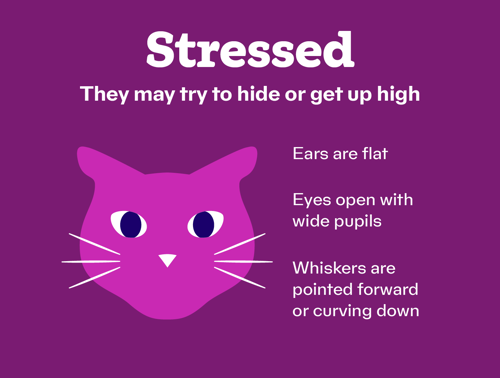
Is your cat acting differently lately? Maybe they’re hiding more often, refusing to eat, or just seem more anxious than usual.
As a cat owner, it’s natural to worry about what might be going on. Stress in cats is not only real, but it can also affect their health and happiness. Understanding the signs of stress and knowing how to help your furry friend is crucial.
Imagine being able to recognize those subtle signals before they become a bigger issue. Wouldn’t you feel more confident knowing you can make a real difference in your cat’s well-being? Discovering whether your cat is stressed and learning how to create a calm and comfortable environment can transform your pet’s life—and yours. Dive into this guide to uncover the secrets of a stress-free feline home. Your cat’s happiness is just a read away!
Signs Of Stress In Cats
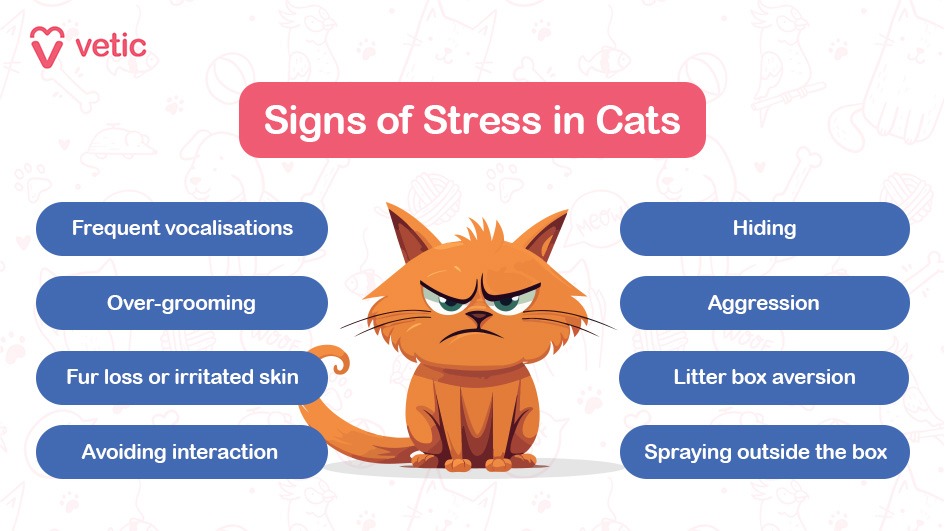
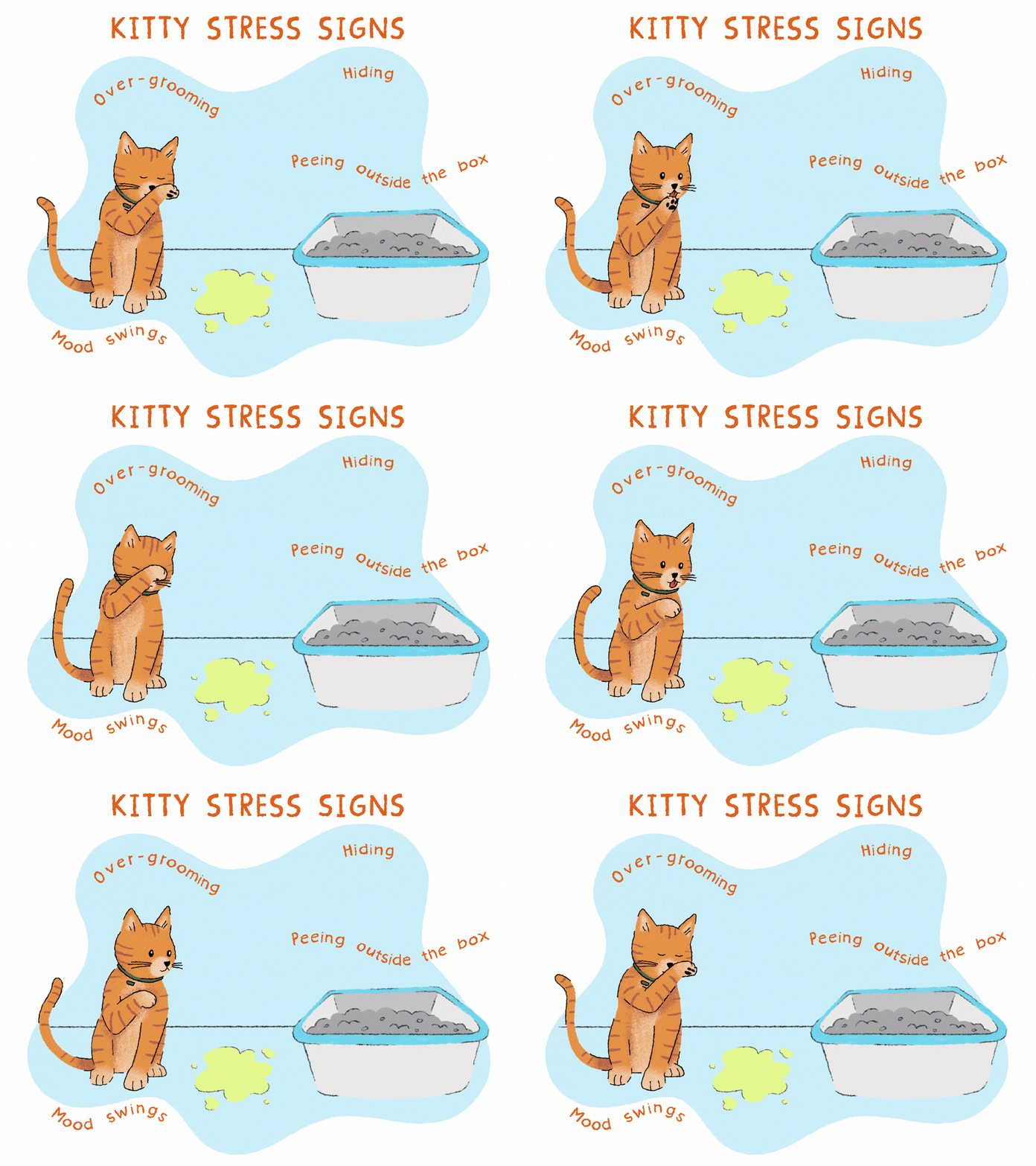
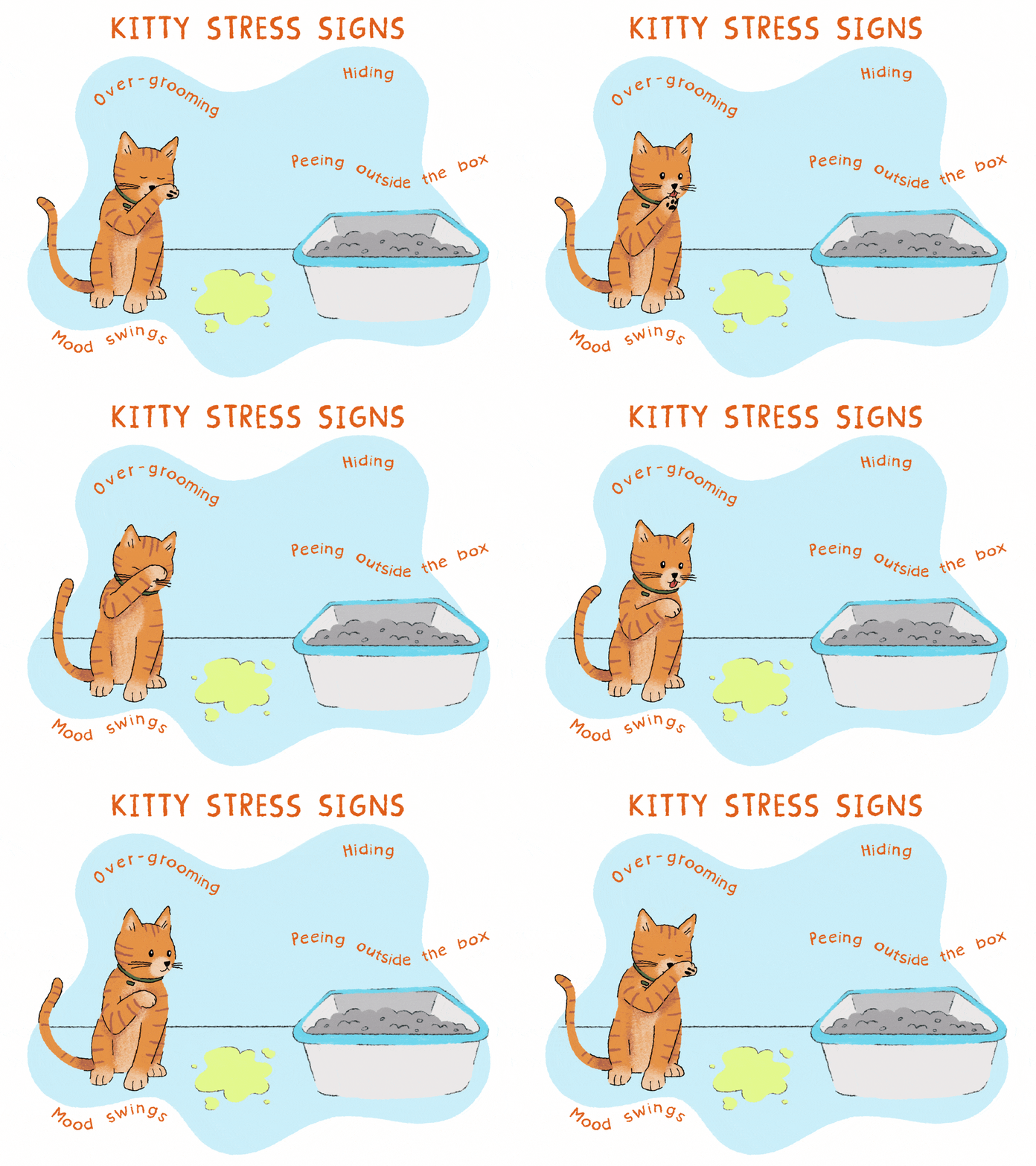
Understanding your cat’s emotions can be challenging. Cats often hide their stress. Recognizing signs of stress is crucial for their well-being. Stress can impact their health and behavior. Let’s explore the common signs of stress in cats.
Behavioral Changes
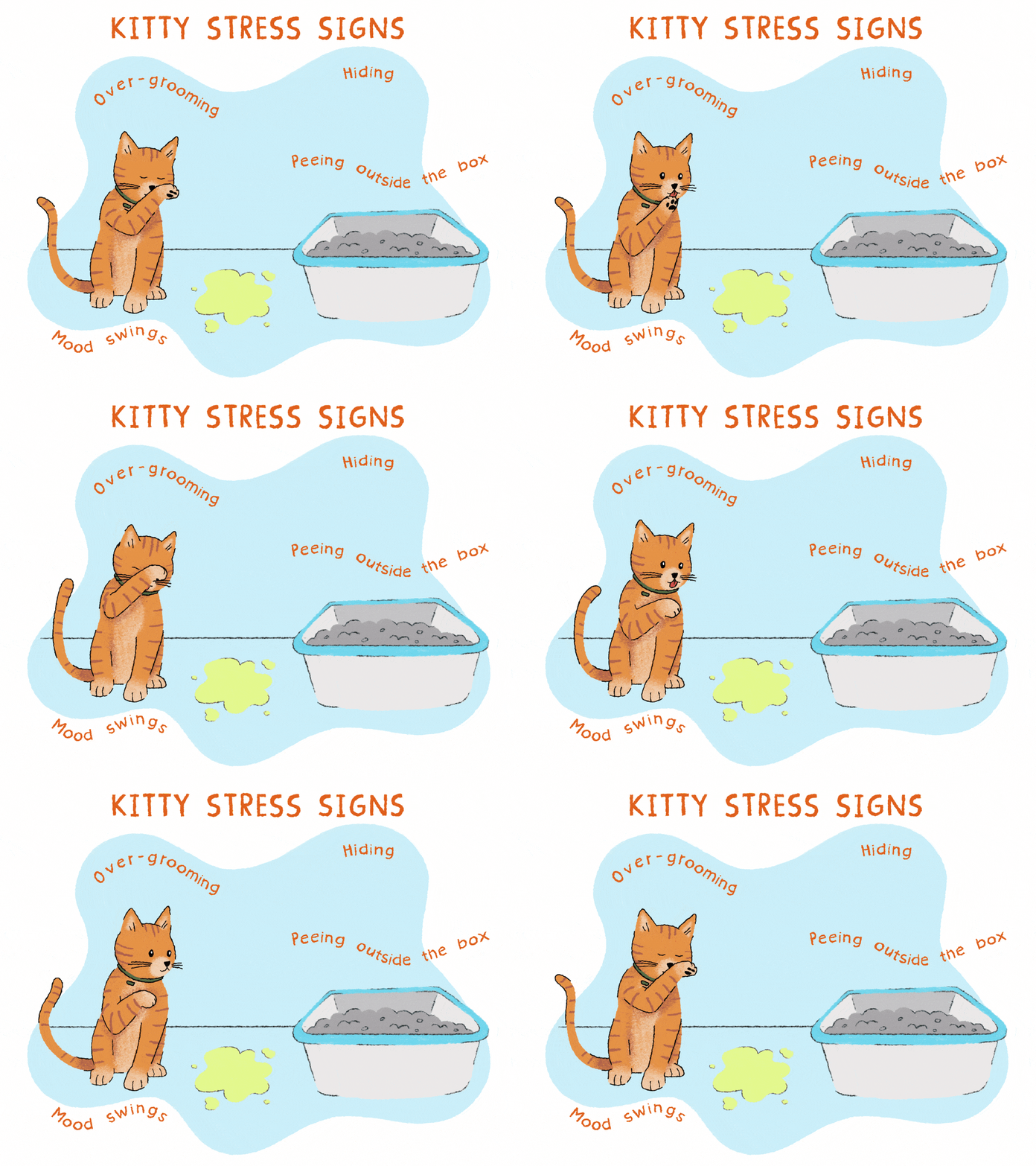
Cats might suddenly become more aggressive. Some may hide from people or other pets. You might notice increased vocalization. Others may stop using their litter box. These changes indicate discomfort or anxiety.
Physical Symptoms
Physical symptoms can be subtle. Excessive grooming might occur, leading to bald patches. Some cats lose their appetite. Weight loss or gain can happen. Vomiting or diarrhea might also be present. These symptoms require attention.
Environmental Indicators
Changes in surroundings can stress cats. Loud noises may cause anxiety. New furniture or visitors might unsettle them. A chaotic environment can lead to stress. Ensure a calm and safe space for your cat.
Common Causes Of Cat Stress
Cats, like humans, can experience stress. Understanding what causes stress in cats can help pet owners provide better care. Stress in cats often leads to behavioral changes and health issues. Knowing the common causes can help you address them effectively. Let’s explore these causes to ensure your feline friend stays happy and healthy.
Changes In Environment
Cats are creatures of habit. They dislike sudden changes. Moving to a new home can be stressful for them. New furniture or rearranging the house can also unsettle them. A new pet or family member can add to their anxiety. Cats need time to adjust to such changes.
Lack Of Stimulation
Indoor cats often face boredom. They need mental and physical stimulation. Without toys or activities, they may feel stressed. Scratching posts, interactive toys, and climbing trees can help. These provide the necessary engagement for your cat.
Health Issues
Health problems can cause significant stress for cats. Pain or discomfort from illnesses can lead to anxiety. Regular vet check-ups are essential to detect issues early. Watch for signs like hiding, aggression, or changes in appetite. Addressing health concerns promptly can reduce their stress.
Behavioral Solutions
Cats are sensitive creatures. Changes in their environment can cause stress. Understanding their behavior helps manage their stress levels. Implementing behavioral solutions can make a difference. Below are some strategies to help your feline friend.
Interactive Playtime
Engage your cat with interactive toys. Wand toys and laser pointers work well. Play sessions release energy and reduce anxiety. Aim for at least 15 minutes of play daily. It keeps your cat physically and mentally stimulated. Rotate toys to maintain interest. A bored cat is often a stressed cat.
Creating Safe Spaces
Cats need places where they feel secure. Create cozy nooks or use cat trees. High perches allow them to observe their surroundings. Quiet areas give them a break from household noise. Ensure these spaces are accessible and comfortable. Providing a sanctuary helps them feel safe.
Consistency In Routine
Maintain a stable daily routine. Feed your cat at the same times each day. Regular play and sleep schedules are essential. Predictability reduces stress and builds trust. Sudden changes can upset your cat. Consistency is comforting for them.

Credit: www.banfield.com
Environmental Adjustments
Is your cat showing signs of stress? Environmental adjustments can play a crucial role in alleviating your furry friend’s anxiety. Cats are sensitive creatures, and even small changes can impact their well-being. By focusing on improving their living space, reducing noise, and introducing new elements gradually, you can create a more tranquil environment for your cat. These adjustments not only boost their mood but also enhance their overall health. Let’s explore some practical ways to make your home more cat-friendly.
Improving Living Space
Start by evaluating your cat’s living space. Is it cluttered or cramped? Cats love to explore, so make sure they have enough room to roam. Consider adding vertical spaces like shelves or cat trees. These give your cat a vantage point to observe their territory, which can be comforting.
Think about cozy spots where your cat can retreat. A soft bed or blanket in a quiet corner can be a sanctuary. Pay attention to their favorite areas and make them as inviting as possible. A happy cat often means a contented home.
Reducing Noise And Disturbances
Noise can be a significant stressor for cats. Do you often have loud music or TV in the background? Try lowering the volume or using headphones. This simple change can make a big difference.
Consider the sounds that might be bothering your cat. Household appliances, construction, or even loud conversations can be unsettling. Create a quiet zone where your cat can escape the chaos. A calm environment fosters a relaxed cat.
Introducing New Elements Gradually
When introducing new items or changes in your home, take it slow. Cats are creatures of habit and sudden changes can unsettle them. Did you recently buy a new piece of furniture or bring in a new pet? Allow your cat time to adjust.
Place new elements in your cat’s environment gradually. Let them explore at their own pace. Observe their reactions and be ready to adjust if needed. Patience is key in helping your cat adapt to new surroundings.
Are you ready to make these changes? Your cat’s happiness might be just an adjustment away. How do you plan to create a stress-free environment for your cat?
Diet And Health Management
Understanding your cat’s diet and health is crucial for managing stress. A healthy routine can prevent stress-related issues. Let’s explore key aspects like balanced nutrition, regular vet check-ups, and monitoring physical health.
Balanced Nutrition
A cat’s diet should include essential nutrients. Quality food supports their overall well-being. Choose food rich in proteins, vitamins, and minerals. Avoid artificial additives and fillers. Fresh water is vital. Hydration keeps your cat active and healthy. Nutritional balance reduces stress.
Regular Vet Check-ups
Routine vet visits are important. These check-ups can detect health problems early. Your vet can provide valuable advice on diet and stress management. Vaccinations and preventive care are essential. Regular evaluations ensure your cat stays healthy.
Monitoring Physical Health
Observe your cat’s behavior. Look for changes in eating habits. Sudden weight loss or gain can indicate stress. Check their coat and skin condition. Healthy fur is a sign of good health. Monitor energy levels and activity. A stressed cat might become lethargic.

Credit: www.richmondvetclinic.ca
Professional Help
Recognizing signs of stress in your cat can be challenging. Sometimes, professional help becomes necessary. Experts can provide guidance tailored to your cat’s needs. Seeking professional advice ensures your cat receives the best care possible.
Consulting A Veterinarian
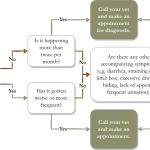
A veterinarian can assess your cat’s health and behavior. They can rule out medical conditions causing stress. Regular check-ups help monitor your cat’s overall well-being. Vets can also offer practical stress-relief strategies. This step is crucial for your cat’s health.
Behavioral Therapy Options
Some cats may benefit from behavioral therapy. Certified animal behaviorists can identify stress triggers. They develop specific plans to address these issues. Therapy might include environmental changes or playtime adjustments. These interventions can greatly improve your cat’s life.
When To Seek Expert Advice
Seek expert advice if stress signs persist. Persistent stress can lead to health problems. Professional help is vital if your cat’s behavior changes suddenly. Noticing changes early can prevent long-term issues. Your cat deserves to live stress-free.
Credit: keysivet.com.au
Frequently Asked Questions
What Are Signs Of Stress In A Cat?
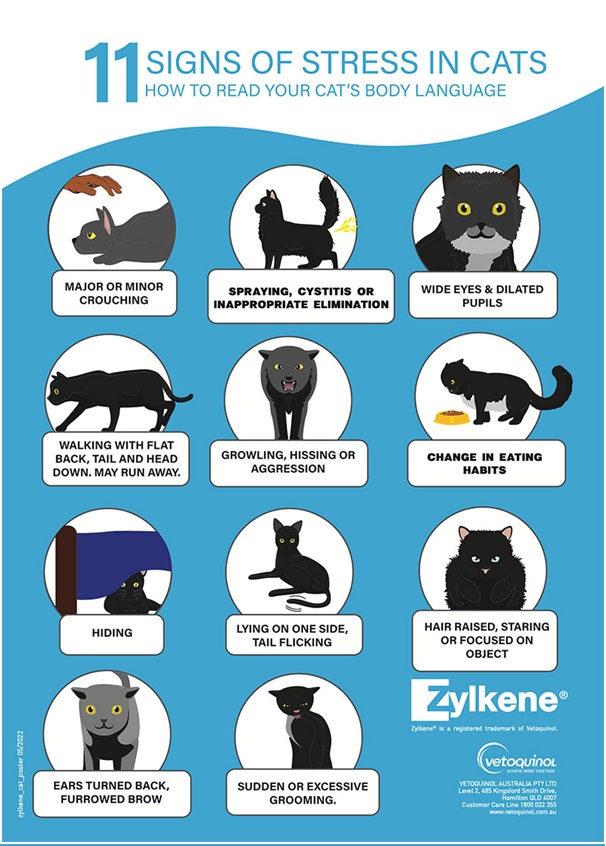
Cats show stress by excessive grooming, hiding, or aggression. Changes in appetite or litter box habits also indicate stress. Increased vocalization or a stiff body posture can be signs too. Watch for dilated pupils, pacing, or decreased interaction. Recognizing these signs helps address your cat’s stress effectively.
How To Relieve A Cat’s Stress?
Create a calm environment by reducing noise. Provide hiding spots and interactive toys. Use calming pheromone diffusers. Engage in regular play sessions to distract your cat. Ensure a balanced diet and routine.
Will A Stressed Cat Not Eat?
Stress can lead to a cat refusing food. Watch for signs like hiding or changes in behavior. Create a calm environment and consult a vet if the cat’s appetite doesn’t improve. Proper care can help your cat regain its appetite and reduce stress.
What Calms Cats Naturally?
Natural remedies like catnip, valerian root, and chamomile can calm cats. Regular play and interactive toys help reduce stress. Providing a quiet, safe space also promotes relaxation.
Conclusion
Recognizing stress in your cat is important for its well-being. Observe changes in behavior and habits. Look for signs like hiding or aggression. These may indicate stress. Early detection can help improve your cat’s life. Consult a vet for professional advice.
They can guide you with effective solutions. Remember, a happy cat means a happy home. Your love and care can make a big difference. Keep your feline friend healthy and content. Nurture a stress-free environment for both of you.

Similar Posts