Does My Cat Have Anxiety? Uncover the Hidden Signs
Does your cat seem more skittish than usual? Are you noticing behaviors like excessive grooming, hiding, or unusual aggression?
You might be wondering if your feline friend is experiencing anxiety. Cats, like humans, can feel anxious and stressed. It’s not always easy to spot the signs, but understanding them can make a big difference in your cat’s well-being. We’ll delve into the symptoms of cat anxiety, why it happens, and, most importantly, what you can do to help your furry companion feel safe and relaxed.
Keep reading to uncover the secrets to a happier, healthier life for your cat and peace of mind for you.
Credit: www.feliway.co.uk
Recognizing Anxiety In Cats
Cats, like humans, can experience anxiety. Recognizing anxiety in cats is crucial for their well-being. Understanding their behavior and physical symptoms can help identify stress. This section will guide you in spotting anxiety signs in your feline friend.
Behavioral Changes
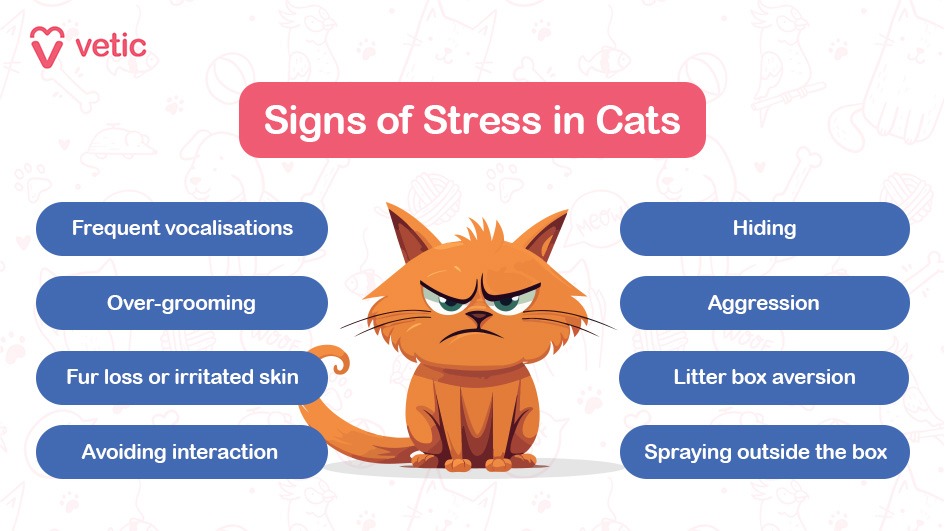
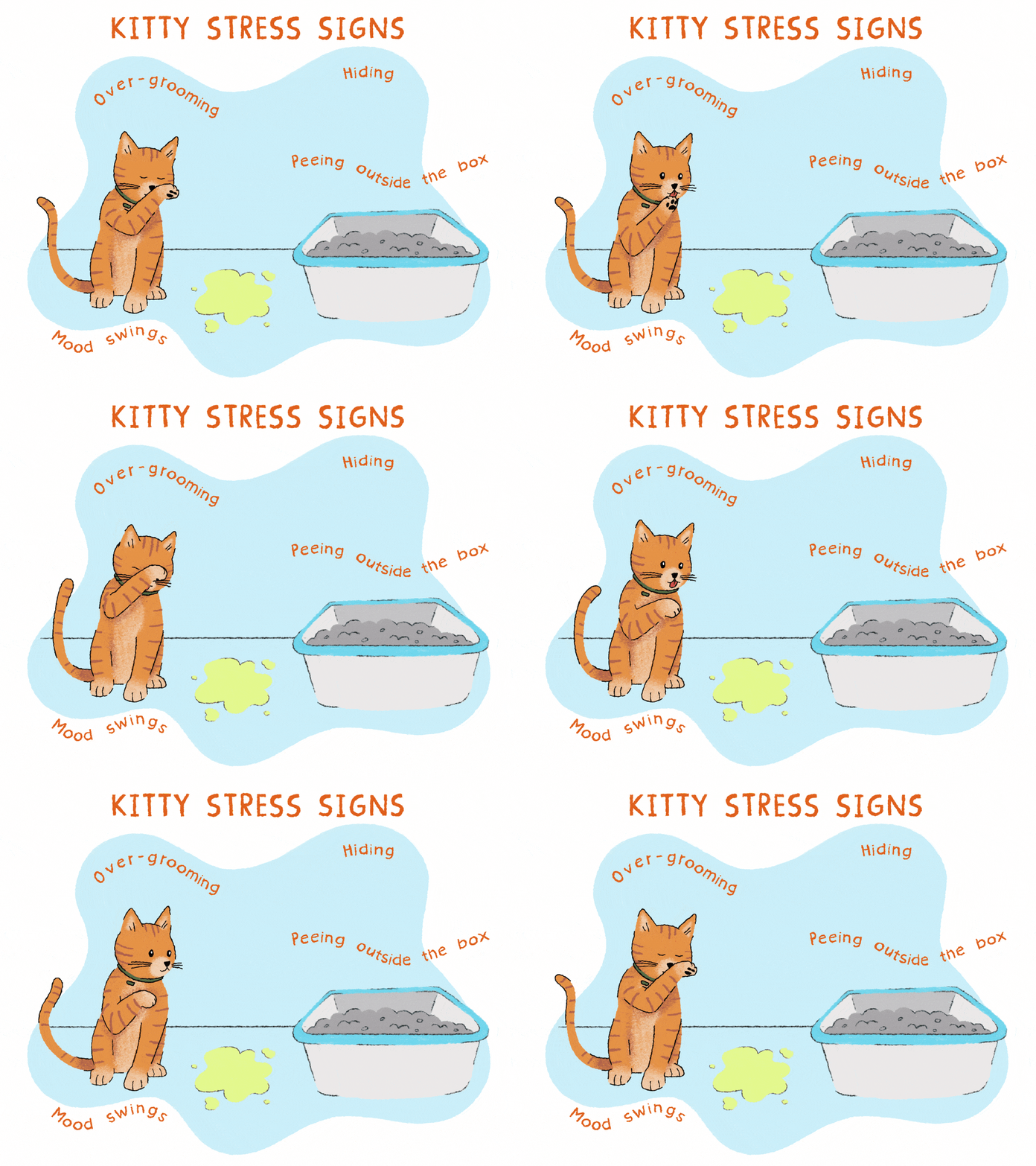
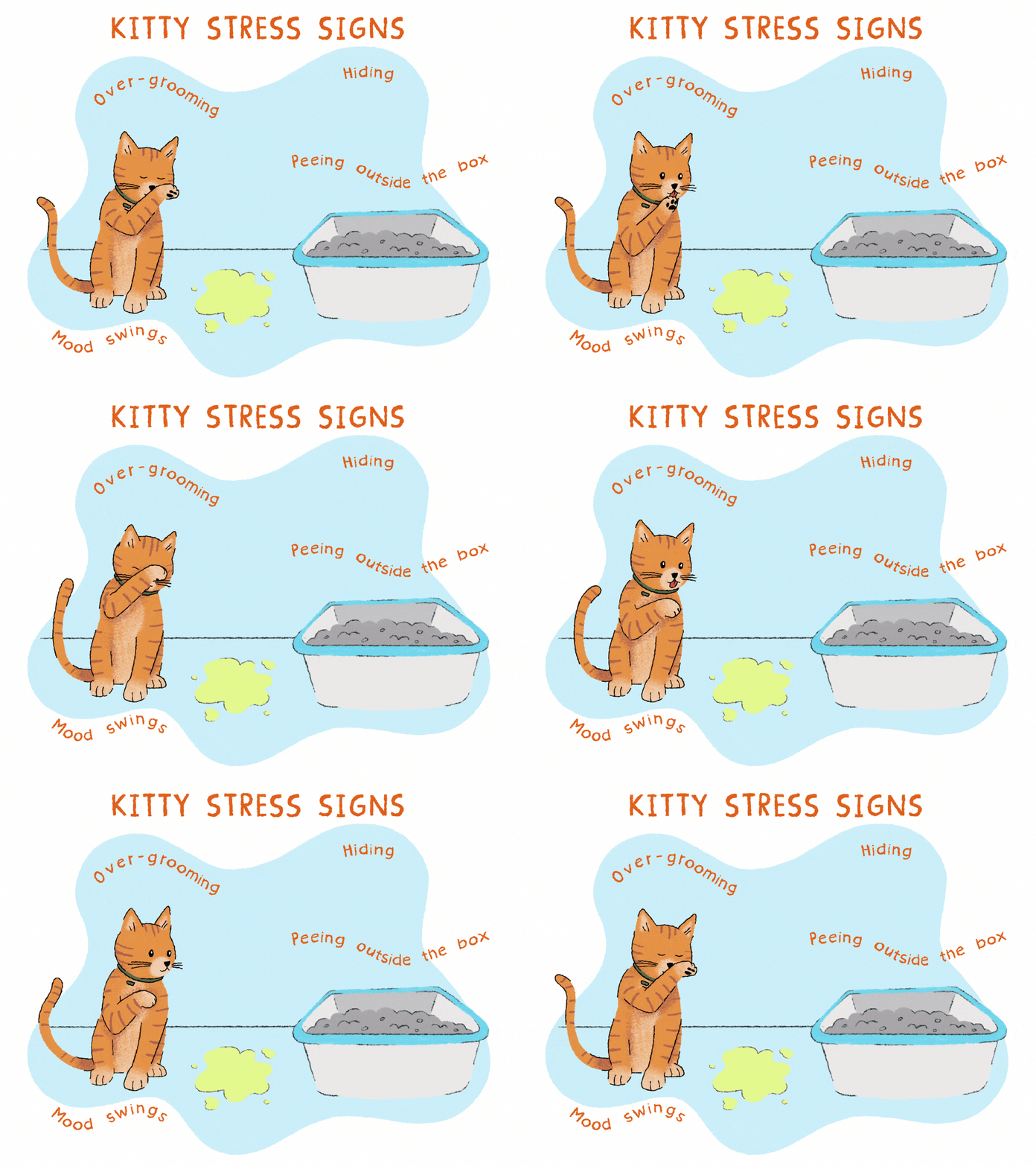
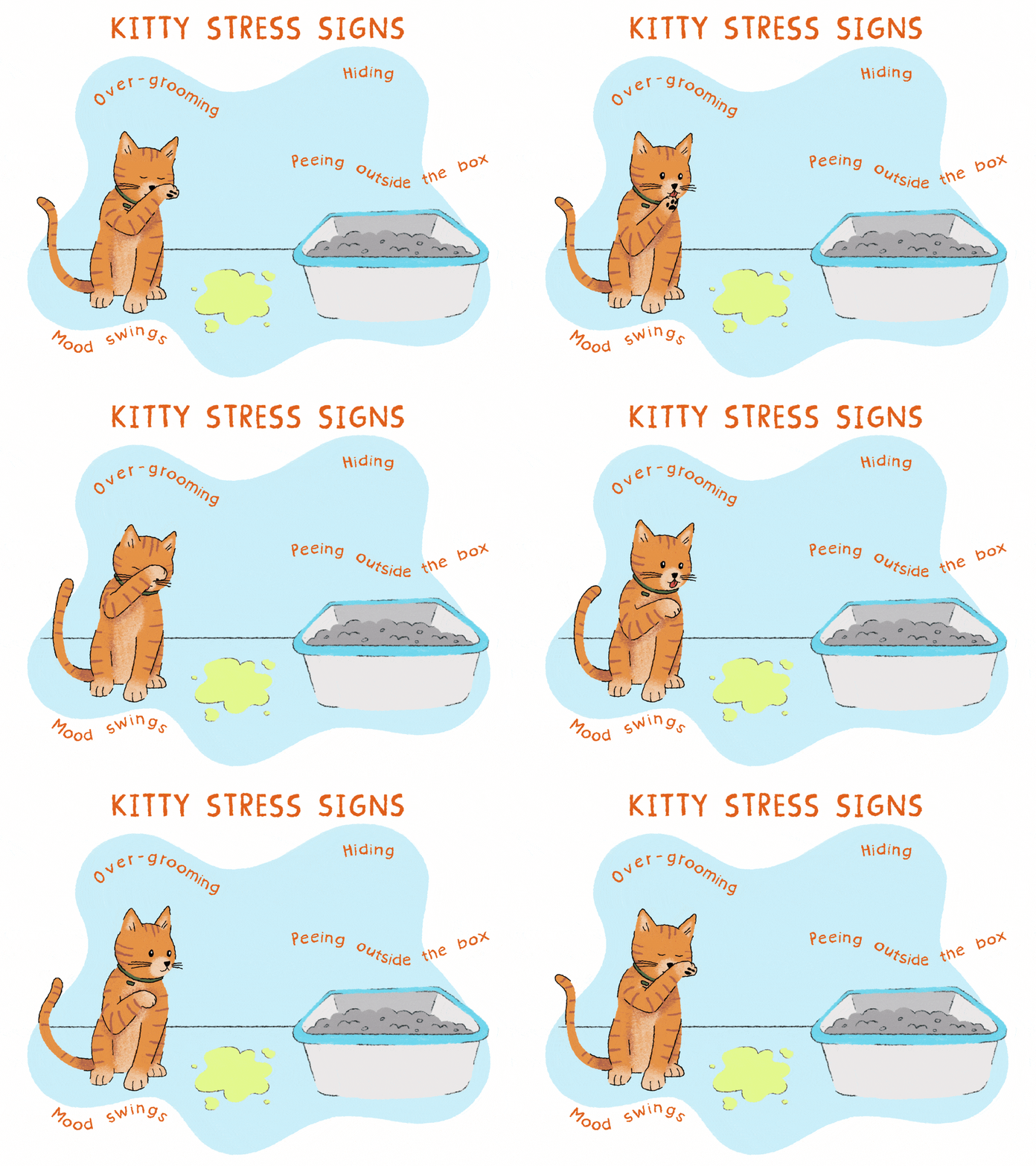
Behavioral changes can indicate anxiety in cats. A stressed cat may hide more often. They might avoid interacting with family members. Excessive grooming is another sign. Cats may also develop sudden aggression. Watch for changes in their playfulness. Reduced interest in toys can be a clue. Frequent meowing or vocalizing can signal distress. These changes are your cat’s way of expressing discomfort.
Physical Symptoms
Physical symptoms can reveal anxiety in cats. Noticeable weight loss could be a sign. Stress might lead to a decrease in appetite. On the other hand, overeating can occur in anxious cats. Digestive issues like diarrhea may arise. Hair loss or skin problems might develop. Pay attention to their breathing patterns. Rapid breathing can be linked to anxiety. Changes in sleep patterns are important too. Insomnia or excessive sleeping might indicate stress.
Credit: us.feliway.com
Common Causes Of Anxiety
Cats might show anxiety through changes in behavior like hiding or excessive grooming. Sudden loud noises can trigger stress. A new environment or unfamiliar people might also cause anxious reactions in cats.
Understanding the common causes of anxiety in cats can help you provide a more comfortable and stress-free environment for your feline friend. Just like humans, cats can experience anxiety from various sources. Identifying these causes can empower you to make simple changes that can significantly enhance your cat’s well-being.Environmental Stressors
Cats are highly sensitive to changes in their environment. Even minor alterations, like moving furniture or introducing new scents, can trigger anxiety. If your cat seems restless or starts hiding, consider if there have been any recent changes in your home. A personal experience I had involved my cat, Luna, who became anxious when I started using a new air freshener. Simply switching back to the previous scent alleviated her stress. Has anything in your environment changed recently that might be unsettling your cat?Social Factors
Social interactions can significantly impact a cat’s anxiety levels. The introduction of new pets or people can be overwhelming. Cats are territorial creatures and may feel threatened by the presence of newcomers. Observe your cat’s behavior when they are around others. Are they avoiding certain individuals or becoming aggressive? Understanding their social triggers can help you manage these interactions better.Health Issues
Sometimes anxiety in cats is linked to underlying health problems. Conditions like hyperthyroidism or dental pain can manifest as anxiety or stress. It’s crucial to monitor your cat for any signs of illness. If your cat displays sudden behavioral changes, a visit to the vet might be necessary. It could be more than just anxiety; health issues could be the root cause. How often do you check in on your cat’s health with your veterinarian? By taking note of these common causes, you can start making adjustments that will help your cat feel more at ease. What steps can you take today to lessen your cat’s anxiety?Observing Your Cat’s Behavior
Understanding your cat’s behavior helps in identifying anxiety signs. Cats express emotions through their actions. Subtle changes might indicate stress or discomfort. Keep a close eye on their daily habits. Recognizing unusual patterns can be the first step. Early detection can ease your pet’s anxiety.
Aggression And Withdrawal
Notice any sudden aggression in your cat? This might be a sign of anxiety. Cats may hiss, scratch, or bite without clear reasons. Withdrawal is another common behavior. Does your cat hide often or avoid interaction? These actions suggest your cat feels stressed or anxious. Pay attention to these changes.
Excessive Grooming
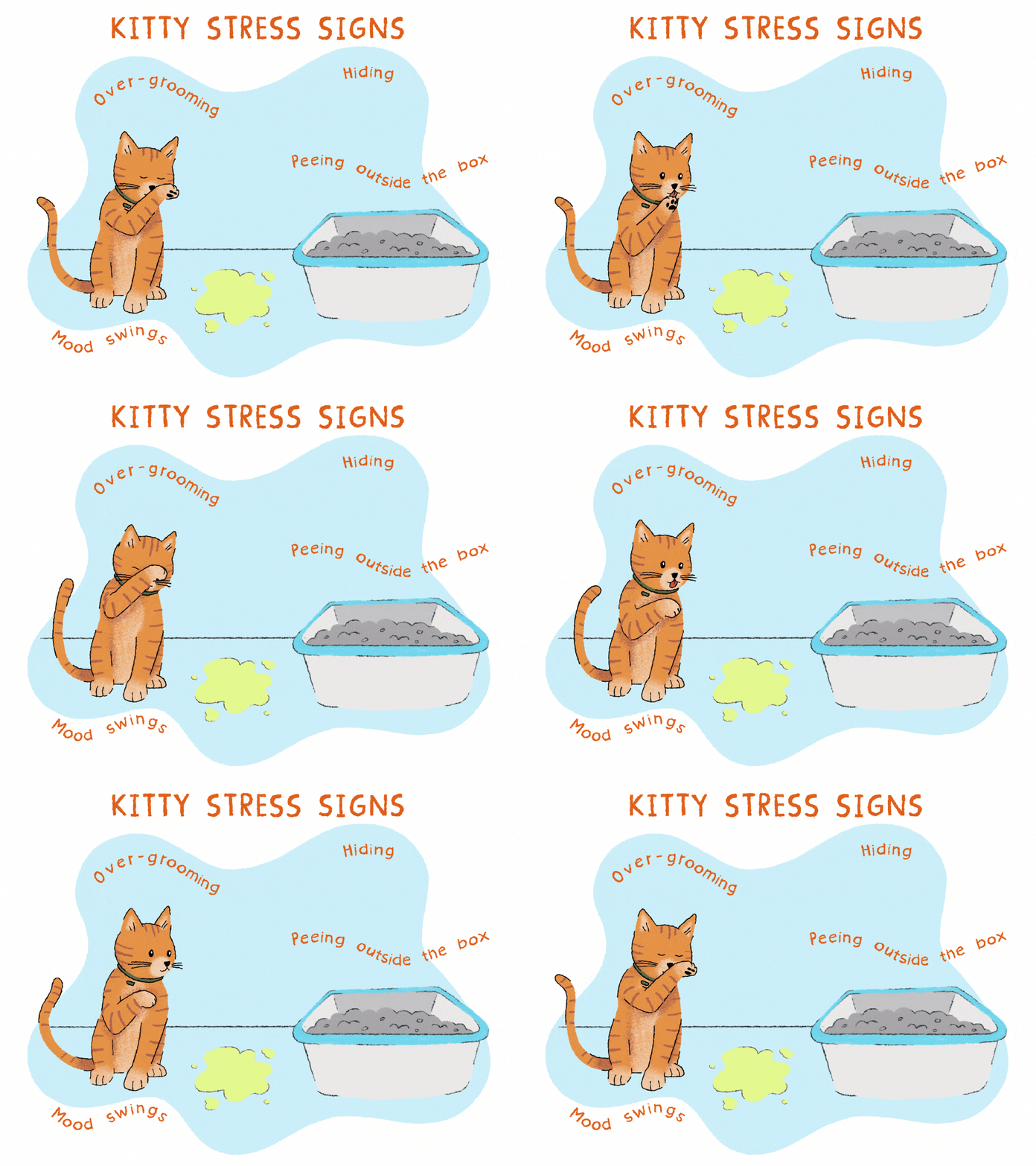
Cats are naturally clean animals. But obsessive grooming may indicate anxiety. Licking too much can lead to bald patches. This behavior is a coping mechanism for stress. Observe if your cat spends excessive time grooming. It might be time to consult a vet.
:strip_icc()/reducing-anxiety-in-cats-554064-FINAL-5b9faac146e0fb00507d984e.png)
Credit: www.thesprucepets.com
Changes In Eating And Sleeping Patterns
Changes in eating and sleeping patterns can signal anxiety in cats. A cat that suddenly eats less or more might be stressed. Similarly, sleep disturbances can reflect anxiety. Understanding these changes helps identify stress early.
Altered Appetite
Stress affects a cat’s appetite. A cat may refuse to eat or snack more often. Reduced eating might indicate fear or discomfort. Increased appetite may be a coping mechanism for anxiety. Monitor food intake to spot changes. Small changes can mean big stress.
Disrupted Sleep
Anxiety disrupts sleep. A cat may sleep more or less than usual. Excessive sleep can signal avoidance of stress triggers. Lack of sleep might show a heightened sense of alertness. Observe sleeping patterns closely. Regular disruptions could mean anxiety.
Litter Box Issues
Cats may avoid the litter box due to anxiety. Changes at home can trigger stress, affecting their bathroom habits. Identifying anxiety sources can help address these issues and improve your cat’s comfort.
Cats are often seen as independent creatures, but they can experience anxiety just like humans. One common sign of anxiety in cats is litter box issues. This can be frustrating for you as a pet owner, but understanding the signs can help you address the underlying problems. Let’s dive into some common litter box-related issues that might indicate your cat is feeling anxious.Frequent Accidents
Has your cat started having accidents outside the litter box? This could be a sign of anxiety. A stressed cat might urinate or defecate in inappropriate places because they feel insecure or scared. Think about your own experiences; when you’re stressed, do you find it hard to focus on tasks? Cats are similar. Anxiety can disrupt their usual habits. Maybe there’s been a change in your home environment, like new furniture or visitors. These seemingly minor changes can impact your cat’s sense of security. If you notice frequent accidents, consider whether anything has changed recently in your home. Identifying triggers can help you better support your cat.Avoidance Of Litter Box
Does your cat suddenly avoid their litter box altogether? This is another potential sign of anxiety. Cats are creatures of habit, and sudden avoidance can signal distress. Reflect on your cat’s behavior. Have you moved the litter box? Introduced a new pet? Even the type of litter can cause anxiety. Just like humans prefer certain comforts, cats have their preferences too. If your cat is avoiding their litter box, try returning to the previous setup or type of litter. Your cat might just need familiarity to feel secure again. You might wonder why these issues are happening. Could it be that your cat is trying to tell you something? Understanding their behavior is key to helping them feel at ease. By addressing litter box issues, you can create a more comfortable environment for your cat. This not only benefits them but strengthens your bond with your furry friend.Strategies To Reduce Anxiety
Understanding your cat’s anxiety is the first step to helping them. Cats can feel anxious for several reasons, and it affects their well-being. Addressing anxiety involves creating a calm and safe environment. This helps them feel secure. Engaging activities also play a vital role. They keep your cat’s mind active and reduce stress. Here are some strategies to reduce anxiety in your feline friend.
Creating A Safe Environment
A safe environment is crucial for your cat’s comfort. Start by providing a quiet space where they can retreat. This could be a cozy corner or a dedicated room. Ensure this area has their favorite bed or blanket. Familiar scents help them feel secure.
Minimize loud noises and sudden changes in their space. If guests visit, give your cat a quiet place to hide. Introduce new pets or people gradually. This reduces stress and helps them adjust more easily. Consistent routines also provide stability. Feed and play with your cat at the same times daily.
Engaging Activities
Keeping your cat’s mind active is essential. Provide toys that stimulate their instincts. Interactive toys like feather wands or laser pointers are great. These encourage physical activity and mental engagement. Puzzle feeders also challenge their problem-solving skills.
Playtime is vital for bonding and reducing anxiety. Spend at least 15 minutes a day playing with your cat. This strengthens your relationship and provides needed exercise. Rotate toys to maintain their interest. Cats can get bored with the same toys quickly.
Cats love to explore. Create an enriching environment by adding climbing structures. Cat trees and shelves give them vertical space to explore. This satisfies their curiosity and gives them a sense of control over their environment.
Professional Help And Treatment
Is your cat showing signs of anxiety? Seeking professional help is crucial. Anxiety in cats can impact their well-being. Early intervention prevents worsening symptoms. Professional treatment can provide relief and understanding.
These experts offer tailored solutions. They help your feline friend feel safe and secure.
Consulting A Veterinarian
A veterinarian is your first point of contact. They assess your cat’s health thoroughly. Physical exams rule out underlying medical issues. Sometimes anxiety stems from physical discomfort.
Vets may suggest medications to ease anxiety. These are safe and effective for many cats. Trust their expertise. They guide you through every step.
Behavioral Therapy Options
Behavioral therapy helps modify anxiety-inducing habits. Certified animal behaviorists offer valuable insights. They observe your cat’s behavior closely. This helps identify triggers and patterns.
Behavioral therapy may include desensitization techniques. Gradual exposure to stressors reduces fear. Positive reinforcement encourages desired behaviors. Patience is key.
These therapies build trust and confidence. Your cat will feel more relaxed over time.
Frequently Asked Questions
What Are Signs Of Anxiety In Cats?
Cats show anxiety through excessive grooming, hiding, aggression, or changes in appetite and litter box habits. Increased vocalization, restlessness, and destructive behavior are also common signs. Look for dilated pupils and a twitching tail. Recognizing these symptoms early can help address the issue effectively.
How To Calm Cat Anxiety?
Create a calm environment by providing a quiet space. Use pheromone diffusers or calming collars. Engage in interactive play to relieve stress. Maintain a consistent routine for feeding and sleeping. Consult a vet for anxiety-specific treatments if needed.
Will A Stressed Cat Not Eat?
Yes, a stressed cat might refuse food. Stress can lead to loss of appetite in cats. Create a calm environment to help your cat feel safe. Consult a vet if the issue persists, as prolonged refusal to eat can cause health problems.
Why Does My Cat Cry When I Leave The Room?
Cats cry when you leave due to separation anxiety or seeking attention. They may feel stressed or lonely. Providing toys, comfort items, and gradual alone-time training can help reduce their distress. Consistent routines and positive interactions can also reassure your cat and minimize crying when you leave.
Conclusion
Understanding your cat’s anxiety is crucial for their well-being. Notice any unusual behaviors? Take action early. Consult a vet if needed. They can offer guidance and support. Creating a calm environment helps too. Safe spaces and routine are key. Playtime can reduce stress.
Ensure your cat feels loved. Patience goes a long way. Your efforts make a difference. Remember, every cat is unique. What works for one might not work for another. Stay observant and responsive. Your furry friend deserves the best care.
With time and attention, anxiety can be managed. Keep your cat happy and healthy.

Similar Posts