How to Make My Cat Less Stressed: Expert Tips Unveiled
Your cat is more than just a pet; it’s a beloved member of your family. When your feline friend is stressed, it can be distressing for both of you.
Stress in cats can lead to behavior changes, health issues, and a lack of joy in your shared moments. Imagine the peace of mind you’ll feel when you understand exactly how to help your cat feel calm and content. This guide will uncover simple yet effective ways to reduce your cat’s stress.
By the end, you’ll have the tools you need to create a serene environment for your feline companion, ensuring their happiness and your own peace. Dive in to discover the secrets to a stress-free life for your cat and a happier home for both of you.

Credit: www.banfield.com
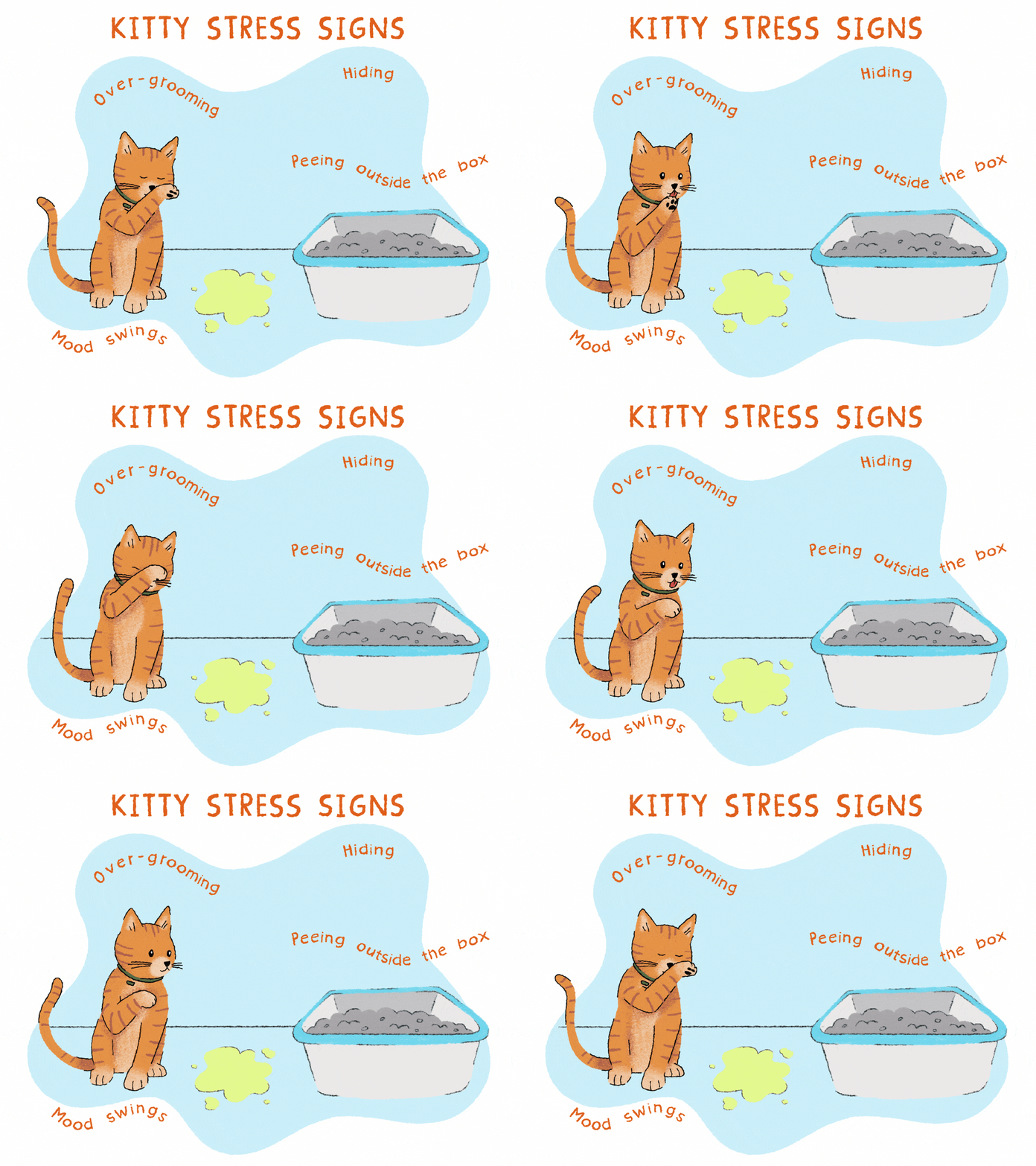
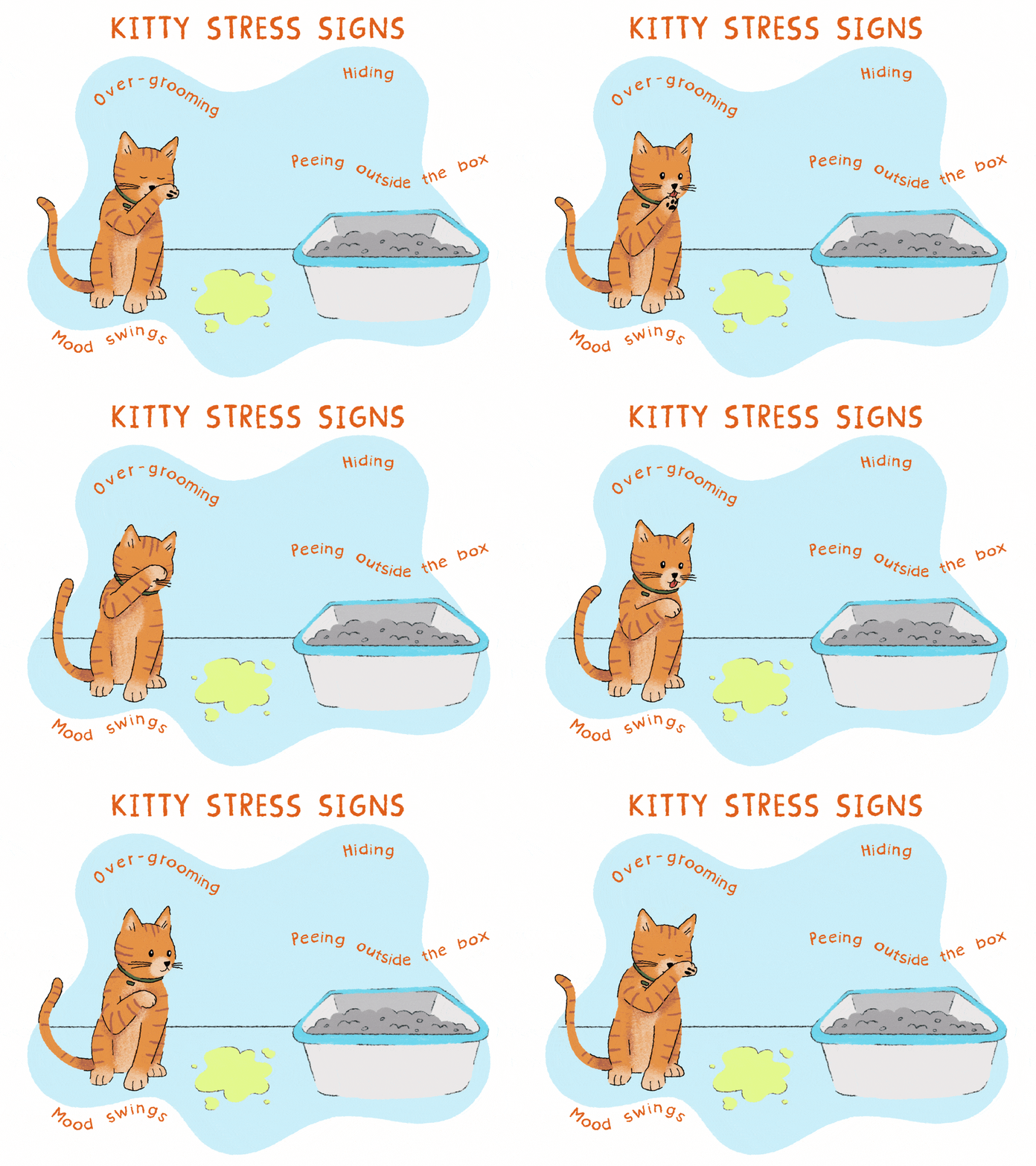
Recognizing Stress In Cats
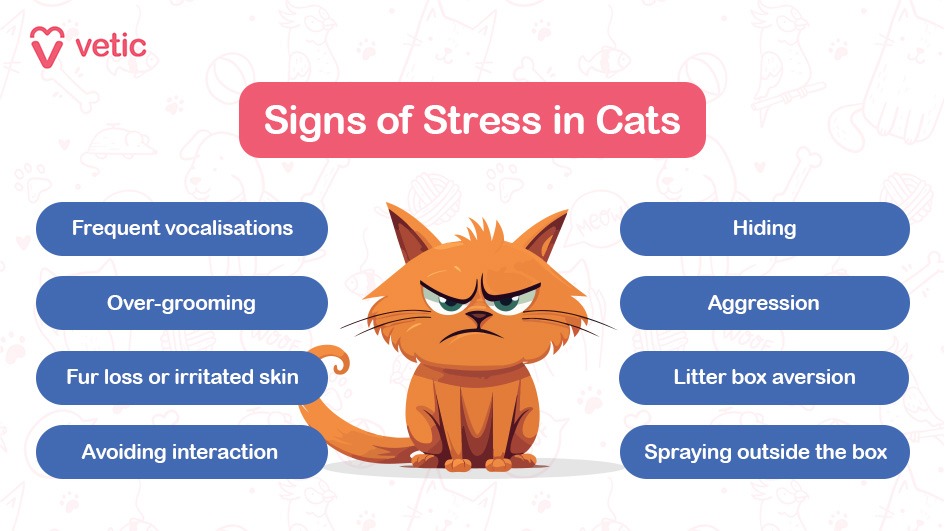
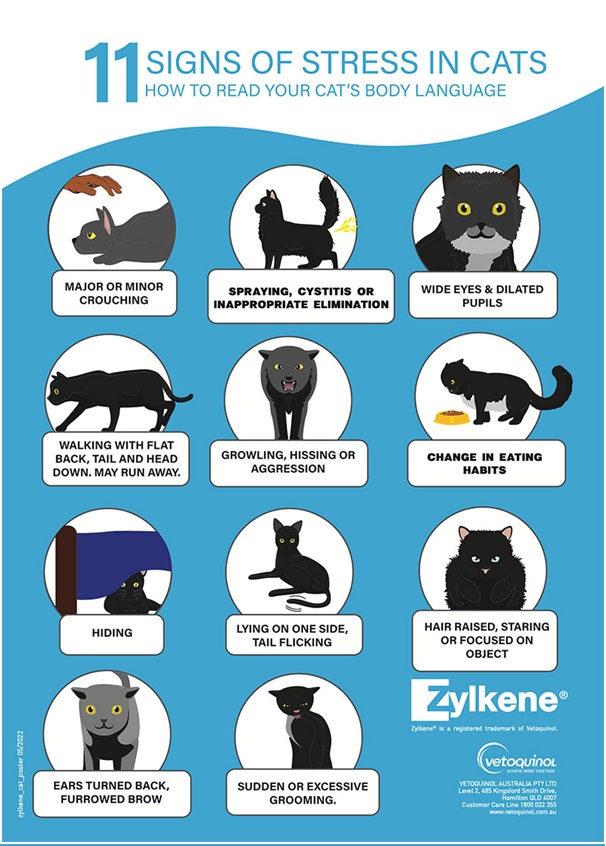
Cats are sensitive creatures. They can get stressed easily by changes. Recognizing stress in cats is crucial for their well-being. By understanding the signs, you can help your cat feel better. This guide will help you notice the signs of stress in cats.
Changes In Behavior
Behavior changes are often the first sign of stress. Your cat might hide more or become more aggressive. Look for changes in their usual routines. If a friendly cat becomes aloof, they might be stressed.
Altered Eating Habits
Stress can affect your cat’s appetite. They may eat less or more than usual. Notice any sudden changes in their eating patterns. This could be a sign of stress.
Increased Vocalization
Is your cat meowing more than usual? Excessive vocalization is a stress indicator. Cats may cry or yowl to express discomfort. Listen to their sounds for clues.
Grooming Changes
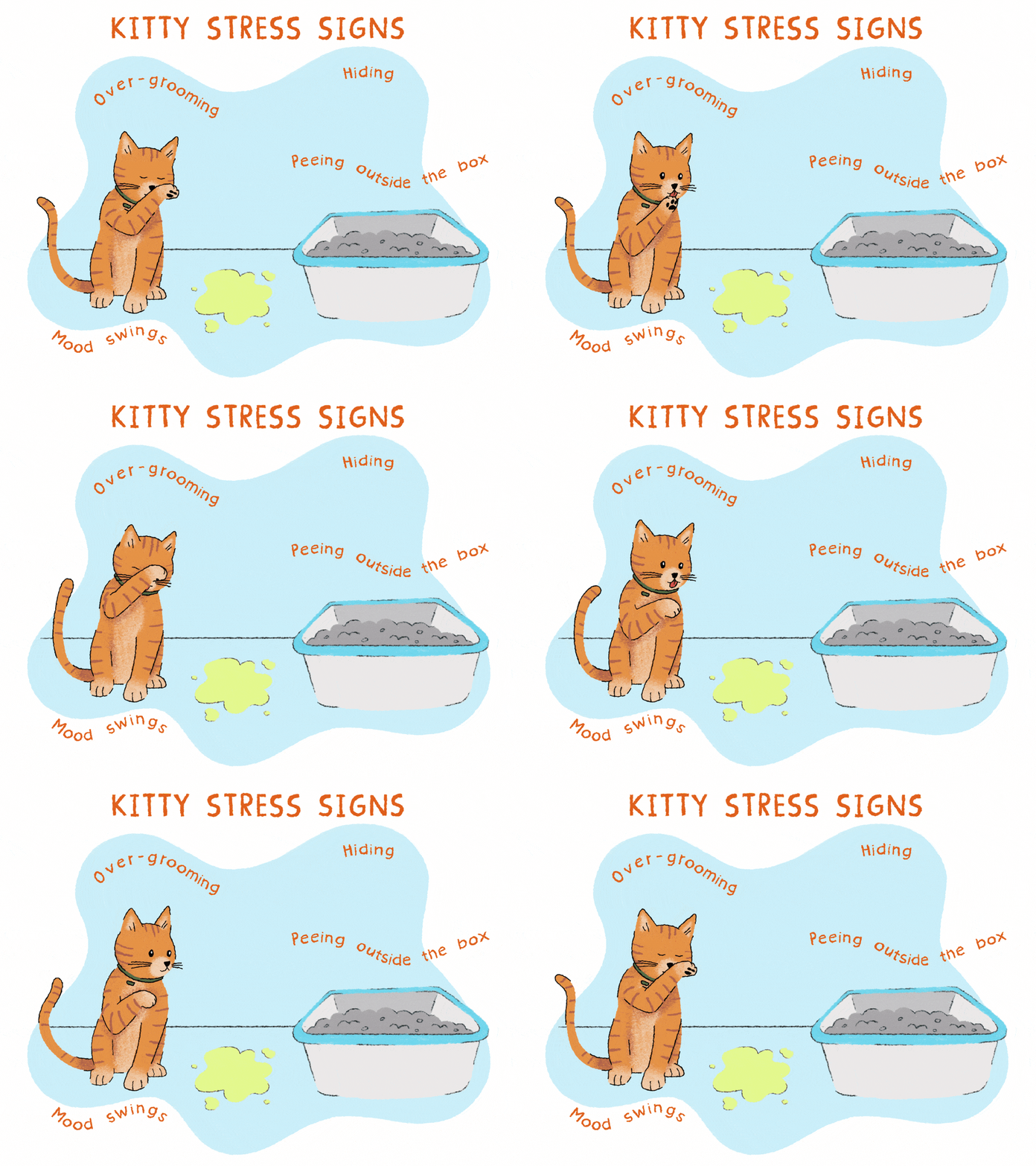
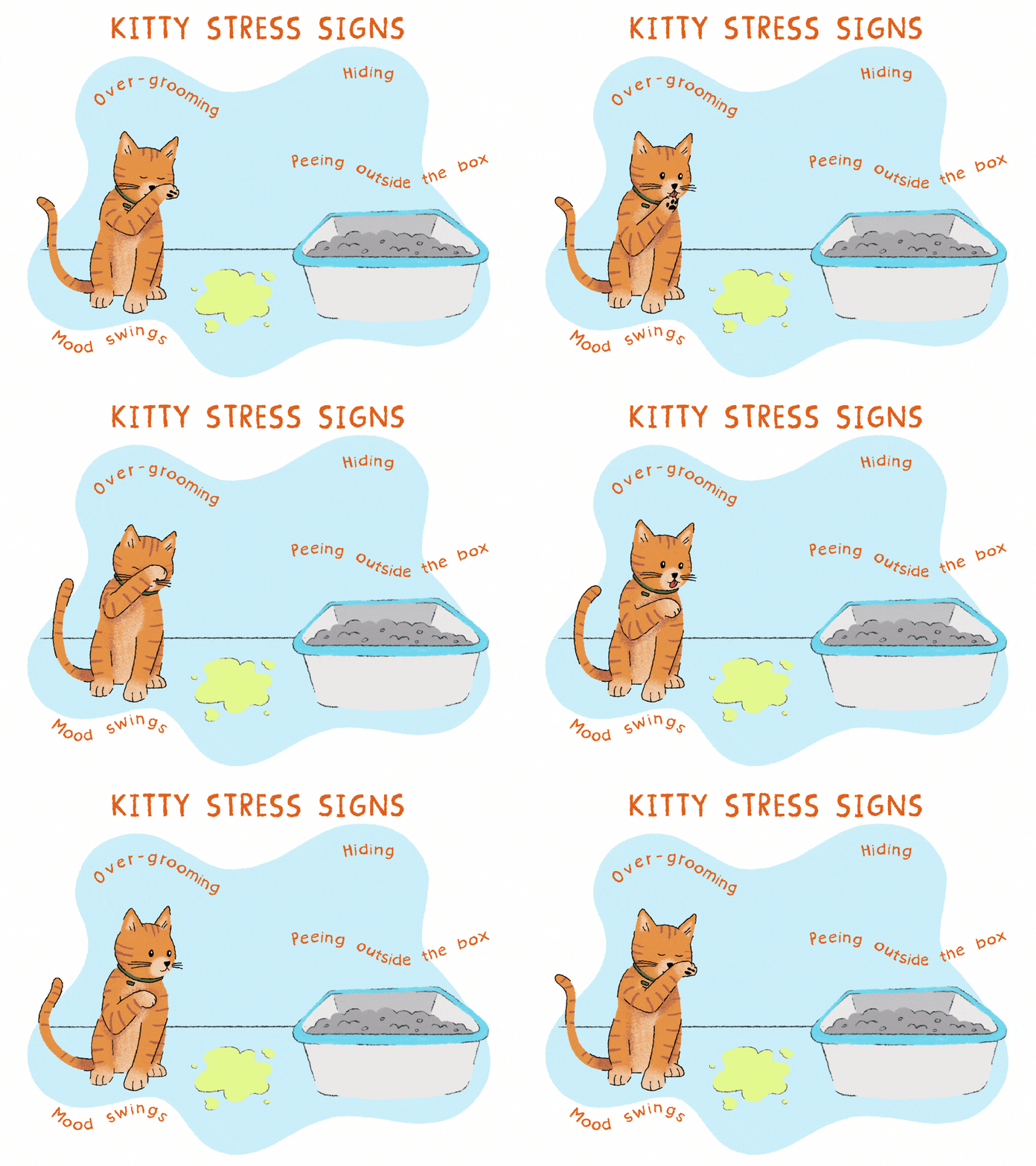
Over-grooming or lack of grooming can signal stress. Cats might lick themselves excessively, causing bald spots. Alternatively, they may neglect grooming altogether. Monitor their grooming habits closely.
Litter Box Issues
Stress can lead to litter box problems. Cats may stop using their litter box. They might urinate outside the box. This is a common stress symptom.
Body Language
Your cat’s body language can reveal stress. A tucked tail or flattened ears are warning signs. Watch for dilated pupils and tense muscles. These signs suggest your cat is stressed.
Unusual Aggression
Stress can make cats more aggressive. They might hiss or swipe at you or other pets. Aggression is a common stress reaction in cats. Be cautious if your cat shows these behaviors.

Credit: www.facebook.com
Common Causes Of Feline Stress
Cats often feel stressed due to changes in their environment or routine. Loud noises and unfamiliar visitors can also upset them. Understanding these triggers helps in creating a calm, stress-free home.
Understanding the common causes of feline stress is crucial for any cat owner. Recognizing these stressors can help you create a more harmonious environment for your furry friend. Let’s explore some of the main reasons your cat might be feeling stressed and how you can address them.Environmental Changes
Cats thrive on routine, and any disruption to their environment can cause stress. Moving to a new home, rearranging furniture, or even introducing new family members can unsettle them. When I moved apartments last year, my cat hid for days, refusing to eat. It was a clear sign of stress due to the sudden change. To ease this transition, maintain familiar items like their favorite blanket or toy and introduce changes gradually.Lack Of Stimulation
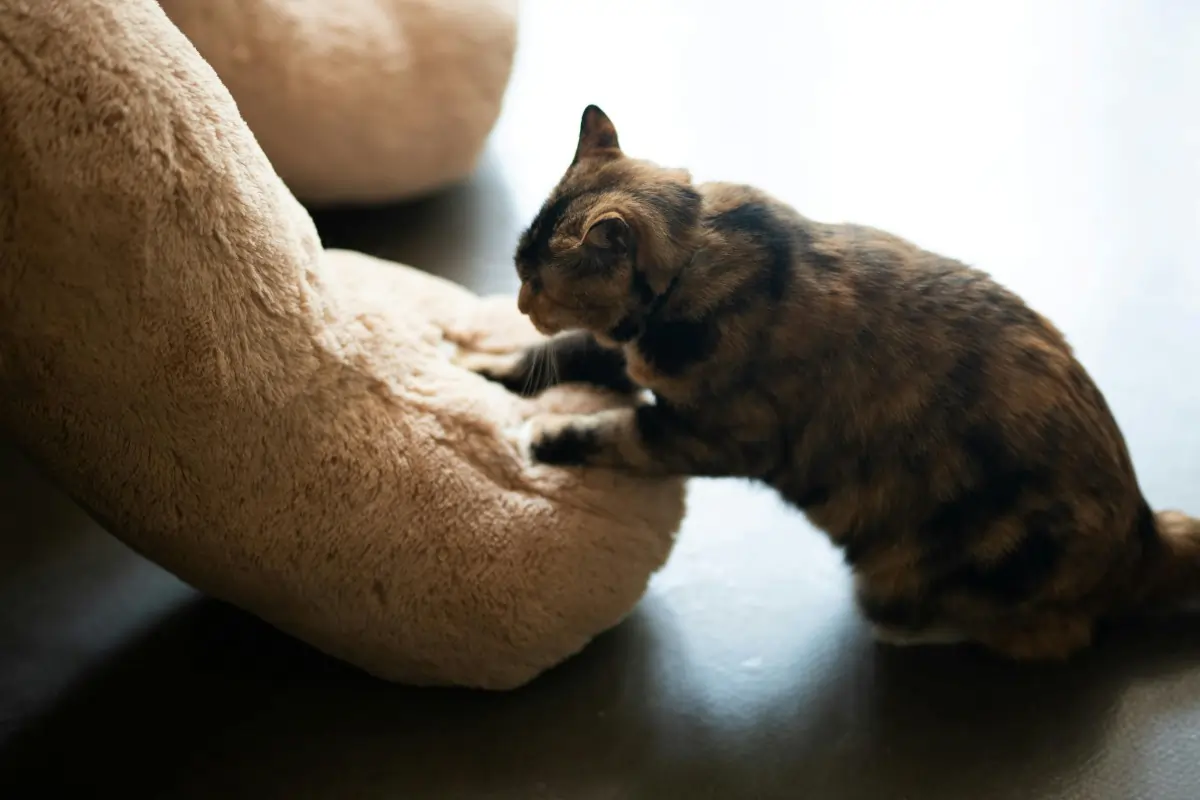
A bored cat is often a stressed cat. Cats need mental and physical stimulation to stay happy and healthy. If your cat spends most of its time lounging with nothing to do, consider adding some interactive toys or a cat tree. During a particularly busy week, I noticed my cat clawing at the couch more than usual. It turned out he was simply bored. A new feather toy quickly redirected his energy and reduced his stress.Health Issues
Sometimes, stress can be a symptom of an underlying health problem. Cats are masters at hiding discomfort, so changes in behavior could indicate illness. Regular vet check-ups are essential to ensure your cat is in good health. I once dismissed my cat’s increased hiding as stress, but a vet visit revealed a dental issue causing pain. Addressing health problems promptly can alleviate stress and improve your cat’s overall well-being. Identifying these stressors and addressing them promptly can significantly improve your cat’s quality of life. What steps will you take to ensure your cat feels more relaxed and content in their environment?Creating A Calm Environment
Creating a calm environment helps reduce your cat’s stress. Cats thrive in peaceful settings. They feel safe and relaxed. By making small changes, you can help your cat feel at ease.
Safe Spaces
Cats love having their own quiet corners. Create a safe space just for them. Use a small room or a cozy corner. Ensure it is away from noise and foot traffic. Add a soft blanket or a cat bed. This gives your cat a sense of security.
Keep their safe space accessible at all times. Your cat should retreat there whenever they need. Avoid disturbing them in this area. Let them feel in control of their safe space.
Comfortable Resting Areas
Rest is crucial for your cat’s well-being. Provide multiple resting areas around your home. Use soft, comfortable materials. Cats enjoy sunbathing, so place beds near windows. Ensure these spots are warm and cozy.
Regularly clean and maintain these areas. Remove any irritants like dust or pet hair. A clean resting area ensures your cat’s comfort. Make these spots inviting, so your cat feels inclined to relax.
Routine And Consistency
Your feline friend might seem aloof, but beneath that cool demeanor can lie a bundle of nerves. Routine and consistency can be your secret weapons in helping your cat feel calm and secure. Cats thrive on predictability, and establishing a steady routine can significantly reduce their stress levels. It’s all about creating a day-to-day rhythm that your kitty can rely on. Let’s dive into how you can set up feeding schedules and playtime routines to keep your cat’s stress at bay.
Feeding Schedules
Think of how you feel when your meal times are unpredictable. Cats feel the same way. Set specific times for feeding your cat each day. This helps them know when to expect their meals and reduces anxiety around food.
Use a timer to remind you or set alarms on your phone. Even a simple feeding chart on the fridge can be helpful. Stick to the schedule as much as possible, even on weekends.
Consider the type of food you’re providing. A balanced diet contributes to your cat’s overall well-being. Discuss dietary needs with your vet to make sure your cat is getting the right nutrients.
Playtime Routines
Structured playtime can be a game-changer for your cat’s mental health. Allocate specific times during the day for interactive play sessions. This can help burn off excess energy and reduce stress.
Rotate toys to keep things interesting. Use simple items like string or feather toys that mimic prey behavior, engaging your cat’s natural instincts. Keep play sessions short but frequent.
Encourage your cat to explore by hiding treats around the house. This stimulates their curiosity and gives them a fun task to focus on. A tired cat is a happy cat, and a happy cat is less stressed.
Can you recall a time when your cat seemed particularly anxious or stressed? What routine adjustments did you make, and how did your cat respond? Your experience can guide others facing similar challenges.
Interactive Play And Exercise
Interactive play and exercise are crucial for your cat’s mental and physical well-being. Just like humans, cats can experience stress, and engaging them in play can be a fantastic way to alleviate it. Picture this: a simple feather toy can transform your living room into a jungle where your cat becomes the mighty hunter. But why is play such a stress-buster? Let’s dive into the benefits and how to choose the right toys for your feline friend.
Benefits Of Play
Play is not just about fun; it’s an essential part of your cat’s life. It helps them burn off energy, reducing restlessness and anxiety. Have you ever noticed your cat zooming around the house? That might be a sign they’re craving more playtime.
Interactive play also strengthens the bond between you and your cat. As you engage in activities together, your cat learns to trust you more. This trust can help reduce their stress levels. Plus, regular play keeps your cat physically fit, which contributes to their overall happiness.
Choosing The Right Toys
Not all toys are created equal. Some cats may prefer toys that mimic prey, like mice or birds. Others might enjoy chasing a laser light. Observe your cat’s preferences to ensure their toys are engaging.
Consider your cat’s age and activity level. Kittens are often more active and may need toys that can withstand rough play. Older cats might prefer slower-paced activities. A simple wand toy can cater to both needs, providing excitement and exercise.
Engage your cat with a variety of toys to keep them interested. Rotate toys regularly to maintain novelty. This variety can prevent boredom, which is a common cause of stress in cats.
How can you make playtime more interactive? Try incorporating yourself into the activity. Move the toy around unpredictably, and watch your cat’s instincts kick in. It’s a great way to make playtime more engaging for both of you.
Remember, play is not just a way to pass time; it’s a vital part of your cat’s routine. By choosing the right toys, you can help your cat lead a happier, stress-free life. So, what toy will you choose today to make your cat’s day a little brighter?
Diet And Nutrition
Diet and nutrition play a vital role in reducing cat stress. A balanced diet helps maintain your cat’s health and mood. Nutrients support the body and mind. A stressed cat may need dietary adjustments. Let’s explore how food can help ease your cat’s stress.
Stress-reducing Foods
Certain foods can calm your cat. Foods rich in Omega-3 fatty acids help. They reduce inflammation and improve brain function. Try adding fish oil to your cat’s meals. L-theanine is another helpful ingredient. Found in green tea, it promotes relaxation. Some cat foods have added L-theanine. Look for those options in pet stores.
Consider foods with tryptophan. It’s an amino acid that boosts serotonin levels. Serotonin improves mood. Turkey and chicken contain tryptophan. These proteins can be part of your cat’s diet.
Avoiding Overfeeding
Overfeeding can lead to weight gain and stress. A heavy cat may feel discomfort. Measure your cat’s food portions carefully. Follow the guidelines on the food package. Do not give too many treats. Treats should make up only 10% of the diet.
Avoid feeding table scraps. Human food is not balanced for cats. It can upset their stomachs. Stick to cat-specific foods. Always provide fresh water. Hydration is important for health. A healthy cat is less stressed.
Understanding Cat Behavior
Understanding cat behavior can help reduce your cat’s stress. Create a calm environment with cozy spaces. Offer plenty of toys and playtime for mental stimulation.
Understanding your cat’s behavior is key to ensuring they feel safe and stress-free. Cats, like humans, have their unique ways of expressing themselves. By learning these signals, you can respond to their needs more effectively and create a harmonious living environment.Body Language Signals
Cats speak volumes through their body language. A flicking tail often means irritation, while a slow-blinking eye might be their way of saying they trust you. Notice if your cat’s ears are flattened back; this usually indicates fear or anxiety. When I adopted my first cat, I learned that a hunched back was her signal for feeling threatened. Recognizing these signs helped me adjust her surroundings to make her more comfortable. Consider your cat’s posture. A relaxed cat will lie down with their belly exposed, indicating they feel secure. Does your cat often hide under furniture? That might be a sign they’re overwhelmed and need a quiet space.Vocalization Patterns
Cats communicate not just through body language but also through vocal sounds. A purr is often a sign of contentment, but it can also mean they’re self-soothing when stressed. Pay attention to the frequency and tone of their meows. A high-pitched meow might mean they’re excited, while a low-pitched, drawn-out meow could indicate they’re unhappy. Once, during a thunderstorm, my cat’s persistent yowling signaled her fear. By simply sitting with her and speaking softly, I could reassure her. Is your cat more vocal at certain times of the day? This could be a cue about their routine or needs. Understanding these signals can deepen your bond with your cat. What can you do today to make your furry friend feel more at ease? By being attentive to their body language and vocal cues, you can help reduce their stress and make them feel truly at home.Professional Help For Stressed Cats
Stress in cats can be relieved by creating a calm environment. Regular playtime and gentle interaction can ease anxiety. Consult a vet for tailored solutions to improve your cat’s well-being.
When your feline friend seems more frazzled than usual, seeking professional help can be a game-changer. Cats, like humans, can experience stress due to various reasons, and sometimes, a little expert intervention is all they need. Whether it’s a veterinarian or a pet therapist, professionals offer insights and solutions that can make a significant difference in your cat’s well-being. Let’s explore how these experts can help your beloved pet feel more at ease.Consulting Veterinarians
Veterinarians are often the first stop for pet owners when their cats show signs of stress. These professionals can rule out any underlying health issues that might be causing your cat’s discomfort. They can also provide guidance on nutrition and lifestyle changes to help reduce stress levels. For example, a friend’s cat was constantly hiding and avoiding interaction. After a vet visit, they discovered that the cat had dental issues causing pain. Treating these issues not only relieved the physical discomfort but also the stress. Have you noticed any changes in your cat’s behavior? Consulting a veterinarian can offer clarity and peace of mind. They might even recommend specific supplements or dietary adjustments tailored to your cat’s needs.Pet Therapists
Pet therapists specialize in understanding animal behavior and emotions. They can help pinpoint the stressors affecting your cat and suggest practical strategies to address them. These experts often work with both the pet and the owner to create a harmonious environment. A colleague once shared how a pet therapist helped her cat, who was stressed by a recent move. The therapist introduced calming routines and environmental enrichments that made the transition smoother for her feline friend. Consider the dynamics in your home. Are there recent changes that might affect your cat? Pet therapists can provide techniques to minimize stress, such as play therapy or creating safe spaces. Engaging with these professionals doesn’t just address the immediate stress but also equips you with the knowledge to handle future situations better. What steps are you taking to ensure your cat’s happiness and health?Natural Remedies For Stress
Natural remedies can help ease your cat’s stress effectively. They offer gentle solutions without harsh chemicals. These methods create a calming atmosphere for your feline friend. Let’s explore some natural remedies to soothe your cat.
Herbal Solutions
Herbs can calm your cat naturally. Chamomile and valerian root work well. They have soothing properties for nervous cats. You can brew them into a tea. Once cooled, add a few drops to your cat’s water. Catnip is another option. It can reduce stress and boost happiness. Offer dried catnip or a catnip toy during stressful times.
Calming Diffusers
Calming diffusers release soothing scents. They mimic natural pheromones. These pheromones help cats feel safe. Place diffusers in areas your cat frequents. They can be especially helpful in multi-cat households. The gentle aroma relaxes your cat’s senses. Diffusers are easy to use and require minimal effort.
Credit: keysivet.com.au
Frequently Asked Questions
How To Handle A Stressed Cat?
Create a calm environment and offer your cat a safe space. Use soothing tones and gentle petting. Play soft music to relax them. Offer treats or toys to distract and comfort. Consult a vet for persistent stress.
How Do You Calm Anxiety In Cats?
Calm anxiety in cats by creating a safe, quiet environment. Use pheromone diffusers to soothe them. Provide interactive toys for distraction. Maintain a consistent routine to reduce stress. Consult a vet for professional advice if needed.
What Are Signs My Cat Is Stressed?
Signs of stress in cats include hiding, excessive grooming, and decreased appetite. They may also show aggression or avoid the litter box. Other indicators can be vocalization changes and a clingy or withdrawn demeanor. Observing these behaviors can help you understand your cat’s emotional state.
How Can I Calm My Stressed Cat?
To calm a stressed cat, provide a quiet, safe space with familiar items. Use soothing pheromone sprays or diffusers. Engage in gentle play and offer treats or favorite toys. Maintain a consistent routine and give them plenty of attention and affection to help alleviate stress.
Conclusion
Helping your cat feel less stressed can improve their health. Start with small changes in their environment. Offer cozy spots and calming toys. Spend quality time with your cat daily. Use gentle words and soothing tones. Keep their routine consistent to reduce anxiety.
A safe and calm space makes them feel secure. Remember, patience is key. Each cat is unique and adjusts differently. Observe their behavior for signs of stress relief. Your efforts can lead to a happier and more relaxed feline friend.
Enjoy the bond with your furry companion as they thrive in a stress-free home.

Similar Posts