Do Cats Help With Anxiety And Depression: Discover How

Have you ever felt the comforting purr of a cat curled up next to you, and wondered if these furry companions can truly help with anxiety and depression? If you’re searching for a way to ease those overwhelming feelings, you might be surprised to learn that cats could be the secret partners you need.
Imagine coming home after a long day to a soft, warm bundle of calmness waiting just for you. It’s not just about having a pet; it’s about finding a source of peace and emotional support right at your fingertips. As you dive deeper into this article, you’ll discover the surprising ways cats can positively impact your mental health, offering more than just companionship.
Let’s explore how these adorable creatures might be the purrfect remedy for your well-being.
Benefits Of Cat Companionship
Cats bring comfort and joy, easing anxiety and depression. Their gentle purring can calm nerves and lift spirits. Cuddling with a furry friend creates a soothing environment, offering emotional support during tough times.
Cats have a unique way of comforting us. Their presence is more than just soothing; it’s transformative. Whether you’re battling anxiety, depression, or just having a tough day, cats can be a source of solace. The benefits of cat companionship are profound, offering emotional support and reducing stress levels in ways you might not expect.Emotional Support
Cats are intuitive creatures. They seem to sense when you’re feeling down and often come to offer quiet company. This silent understanding can be incredibly comforting. Imagine coming home after a long, exhausting day. Your cat greets you at the door, purring softly, and curls up beside you. That gentle companionship can ease feelings of loneliness and despair. A friend once shared how her cat stayed by her side during a difficult period. This unwavering presence provided her with a sense of security and love. Do you have a cat that offers this kind of emotional refuge?Reducing Stress Levels
Stress can be overwhelming, affecting every aspect of your life. Cats can help mitigate these feelings. Their rhythmic purring and calm demeanor have been shown to lower blood pressure and reduce stress hormones. Consider this: a study found that petting a cat can increase serotonin levels, a neurotransmitter that contributes to feelings of well-being. Have you ever noticed how petting your cat calms your racing thoughts? This simple act can create moments of peace amidst chaos. Cats also encourage routine, which can be grounding. Feeding, grooming, and playing with your feline friend can bring structure to your day, reducing stress and promoting mental health. So, what are your thoughts? Could the companionship of a cat be the key to managing your anxiety and depression?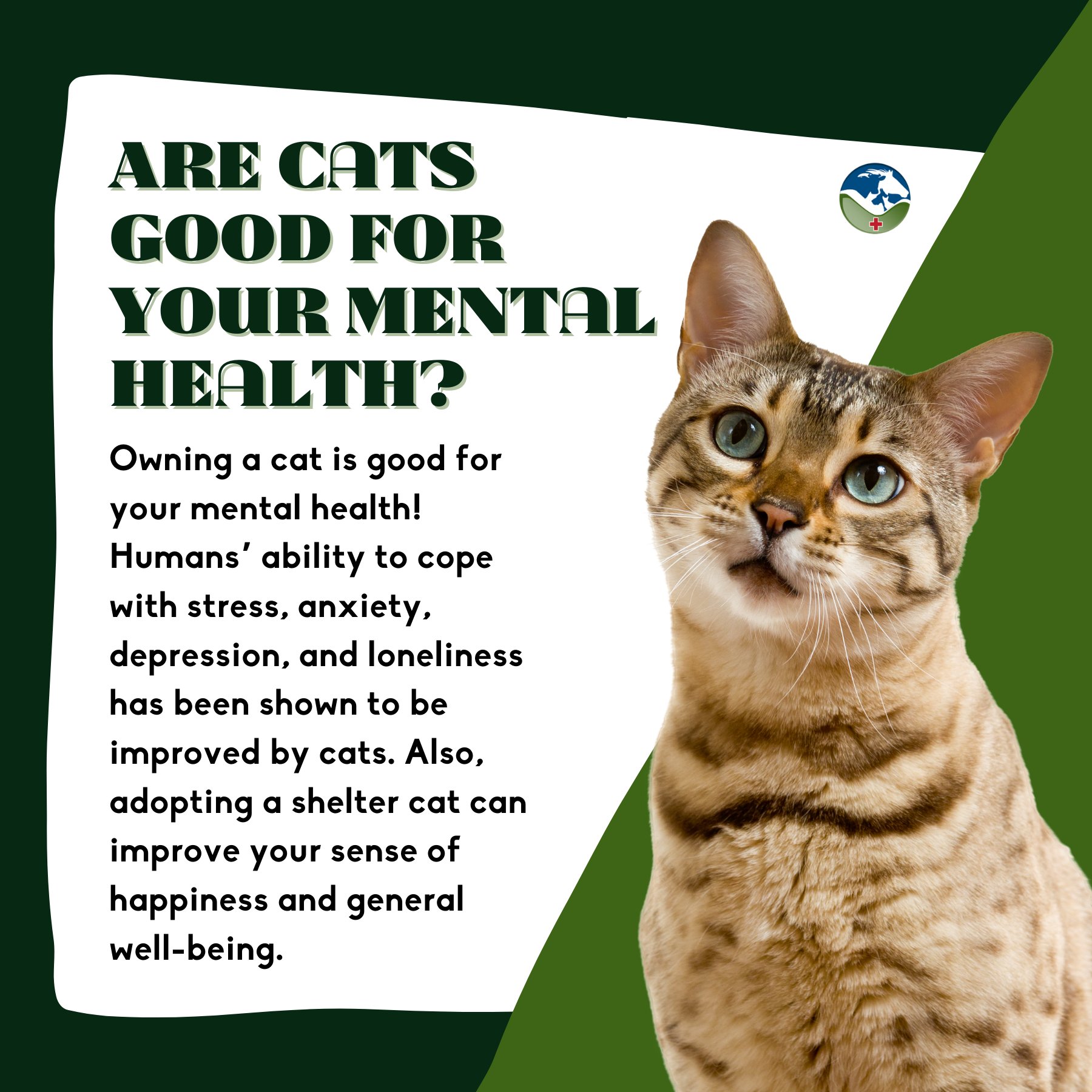
Credit: x.com
The Science Behind Cats And Mental Health
Cats can help reduce anxiety and depression. Their presence offers comfort and companionship, improving mood and emotional well-being. Stroking a cat releases calming hormones, aiding stress relief and relaxation.
The bond between humans and cats spans thousands of years. Cats offer more than companionship. They have potential mental health benefits. Many people believe cats help with anxiety and depression. But what does science say? Let’s explore.Therapeutic Effects
Cats provide comfort through their presence. Their purring has a calming effect. It can reduce stress levels. Petting a cat releases endorphins. This boosts mood and reduces anxiety. Cats help create a routine. This gives a sense of stability. Their playful nature also distracts from negative thoughts.Studies And Research
Research supports the mental health benefits of cats. Studies show pet ownership reduces stress. Cat owners often report less anxiety. A study in 2011 found cats improve mood. Participants felt less lonely and more relaxed. Another study linked cat ownership to lower depression rates. Cats may not cure anxiety or depression. But they can ease symptoms and provide comfort.Cats In Therapy Programs
Cats have found their place in therapy programs. Their calming presence offers solace to those battling anxiety and depression. These furry companions bring warmth and comfort. They connect emotionally with individuals, providing a sense of companionship. Therapy cats are gentle. They help reduce stress by simply being there. Their playful nature can brighten anyone’s day.
Animal-assisted Therapy
Animal-assisted therapy uses cats to improve mental health. Cats play a vital role in these programs. They help individuals feel relaxed. Their purring sounds have calming effects. Interaction with cats lowers blood pressure. It also releases endorphins, improving mood. This natural therapy complements traditional treatments. It offers a non-invasive way to enhance well-being.
Success Stories
Many have shared their success stories with therapy cats. Jane felt isolated due to anxiety. A therapy cat changed her life. The cat’s gentle presence helped her feel secure. Another story is of Mark, who battled depression. His therapy cat provided comfort. Each interaction brought him joy. These stories highlight the positive impact of therapy cats. They show how these animals can transform lives.

Credit: www.youtube.com
Choosing The Right Cat
Cats can provide comfort and companionship, making them helpful for anxiety and depression. Their calming presence and gentle purring may reduce stress. Interacting with a cat can boost mood and provide emotional support.
Choosing the right cat can make a big difference in managing anxiety and depression. Cats offer companionship, warmth, and a soothing presence. But not every cat fits every person. Finding a cat with the right temperament is key. Consider various factors, including breed characteristics and adoption options. This guide helps you find the ideal furry friend.Breeds And Temperaments
Certain breeds are more suited to being therapy animals. Maine Coons are gentle giants, known for their affectionate nature. They enjoy human company and are often very sociable. Ragdolls are calm and laid-back, perfect for those seeking relaxation. Their docile nature can be comforting during stressful times. Siamese cats are vocal and interactive, offering lively companionship. They thrive in environments where they receive attention and engagement.Adoption Considerations
Adopting a cat from a shelter is a rewarding experience. Shelters often have cats of various ages and personalities. Older cats might be calmer and more settled. They often adapt well to new homes, providing a steady presence. Young cats, while energetic, can be playful and joyful. Consider your lifestyle and home environment when choosing. Talk to shelter staff about the cat’s background. They can offer insights into the cat’s behavior and needs.Enhancing The Cat-human Bond
Cats can be wonderful companions for those experiencing anxiety and depression. The bond between humans and cats can offer comfort and emotional support. Strengthening this connection can play a significant role in alleviating stress. It helps in creating a positive environment. Understanding how to enhance this bond is crucial. It can lead to a healthier mental state.
Interactive Play
Interactive play is essential in building a strong bond with your cat. It encourages engagement and mutual understanding. Use toys to stimulate your cat’s senses and instincts. This activity promotes physical exercise and mental stimulation. It can reduce symptoms of anxiety for both the cat and the owner. Shared playtime fosters trust and affection. It provides a joyful distraction from daily stressors.
Routine And Stability
Creating a routine offers stability for both the cat and the human. Predictability helps in reducing anxiety levels. Cats thrive on routine, and it comforts them. Consistent feeding times and play sessions enhance their sense of security. This stability impacts the owner’s mental health positively. A structured routine offers a sense of control. It helps in managing feelings of depression.
Potential Challenges
Cats can sometimes be unpredictable, which might add stress. Allergies or financial costs may also create worries. Not everyone finds comfort in animal companionship.
Cats can offer comfort and companionship. They can help reduce anxiety and depression. Yet, owning a cat has potential challenges. These challenges can affect your decision. It’s important to know them before getting a cat. Understanding these challenges can help you prepare better.Allergies And Health Issues
Some people are allergic to cats. Cat hair and dander can trigger allergies. Sneezing, itching, and runny nose are common signs. Allergies can make living with a cat uncomfortable. Some cats may carry parasites. They might also have health issues. Regular vet visits can help manage health. This can be time-consuming and costly.Time Commitment
Cats need daily care and attention. You must feed them regularly. They need clean litter boxes. Playtime is essential for their mental health. Cats may need grooming too. This requires time and effort. If you travel often, caring for a cat can be hard. You may need a pet sitter. Owning a cat is a long-term commitment. It can last for 15 years or more.Alternative Pets For Mental Health
Cats can be wonderful companions for those dealing with anxiety and depression. Their soothing presence often brings comfort and reduces stress. Watching a cat play or purr can foster relaxation and happiness, helping improve mental well-being in a natural way.
When considering pets for mental health support, cats often take the spotlight. However, there are many alternative pets that can also provide comfort and companionship. These animals can help reduce feelings of anxiety and depression in unique ways, offering you different forms of interaction and care.Dogs And Other Animals
Dogs are well-known for their loyalty and unconditional love. They can sense when you’re feeling down and often respond with affection and attention. Their need for daily walks can help you stay active, which is a natural mood booster. Beyond dogs, animals like rabbits, guinea pigs, and even birds can offer companionship. Each has its own way of interacting that can be comforting. Rabbits, for instance, are quiet and gentle, providing a soothing presence. You might even consider fish. Watching them swim can be incredibly calming and can create a peaceful environment in your home. Have you ever noticed how an aquarium in a waiting room reduces stress?Comparative Benefits
Different pets offer different benefits, and it’s important to find the right match for your lifestyle and needs. Cats, with their independent nature, can be less demanding than dogs, making them ideal if you prefer a pet that requires less active maintenance. Dogs, on the other hand, provide constant companionship and encourage routines that can be helpful if you struggle with depression. Their playful energy can be uplifting, giving you a reason to smile even on tough days. Consider what you need most from a pet. Is it the quiet comfort of a rabbit or the engaging interaction of a dog? Perhaps the rhythmic swimming of fish could soothe your mind. Reflect on your daily routine and mental health needs. How can a pet seamlessly fit into your life while providing the support you seek? Making the right choice can significantly enhance your emotional well-being.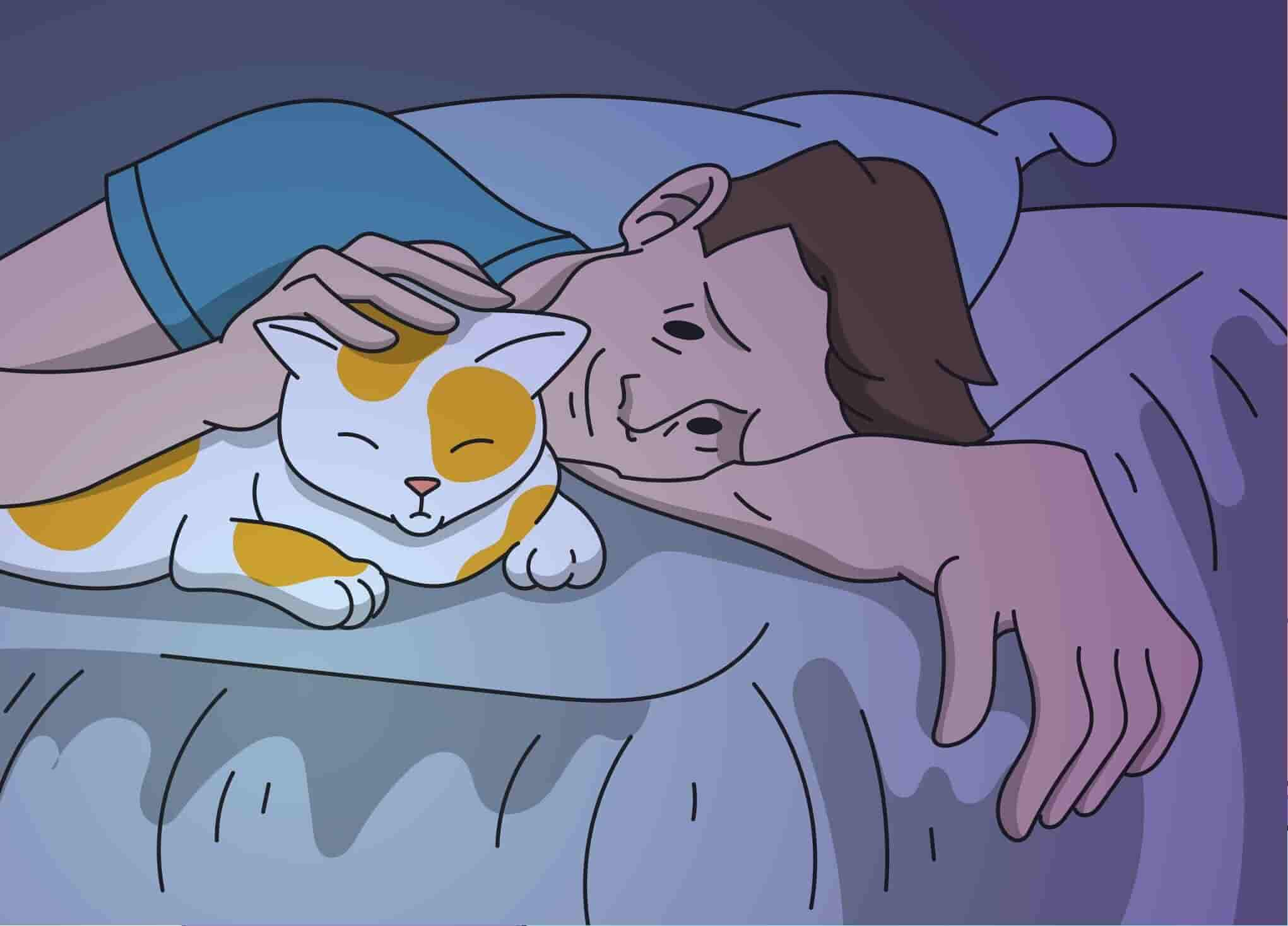
Credit: petcube.com
Frequently Asked Questions
Should I Get A Cat If I Have Anxiety?
Cats can help reduce anxiety. They offer companionship, comfort, and a calming presence. Their purring can be soothing, promoting relaxation. Consider factors like allergies, lifestyle, and commitment before adopting. Consult with a healthcare professional to ensure it’s the right decision for your mental health needs.
Can Cats Heal Your Anxiety?
Cats can help reduce anxiety through companionship and soothing presence. Their purring can have calming effects. Interaction with cats may lower stress levels, providing comfort and distraction. Petting a cat releases endorphins, promoting relaxation. While not a cure, cats can be beneficial for managing anxiety symptoms.
Can Owning A Cat Improve Your Mental Health?
Owning a cat can enhance mental health by reducing stress, anxiety, and loneliness. Cats offer companionship and comfort. Their playful nature can boost mood and promote relaxation. Interacting with cats may lower blood pressure and release calming hormones. Cats can provide emotional support, improving overall well-being.
What Cat Breed Is Best For Anxiety?
The Ragdoll breed is often considered best for anxiety relief. They are known for their gentle, calm, and affectionate nature. These cats enjoy cuddling and can provide comfort and companionship, making them ideal for those seeking emotional support.
Conclusion
Cats can be wonderful companions for those feeling anxious or depressed. Their gentle purrs and soft fur can soothe troubled minds. Many people find comfort in their presence. Cats offer silent support without judgment. They encourage a routine through feeding and play.
This daily structure can help improve mood. While not a replacement for therapy, they provide warmth and companionship. Their playful antics often bring smiles. Consider adopting a cat for a loving friend. They might just be the comfort you need.
Always consult a professional for severe mental health issues. Cats can be a part of your healing journey.

Similar Posts