How to Help My Cat With Anxiety: Expert Tips
Is your beloved feline friend acting more skittish than usual? Perhaps you’ve noticed signs of distress, like excessive grooming or hiding away for hours on end.
If so, you’re not alone. Many cat owners face the challenge of helping their pets cope with anxiety. It’s heart-wrenching to see your cat struggle, especially when all you want is for them to feel safe and content. You’ll discover practical and proven ways to ease your cat’s anxiety, transforming your home into a sanctuary of calm for your furry companion.
We’ll explore simple strategies you can apply today that might just be the key to unlocking a happier, more relaxed version of your pet. Ready to make a positive change in your cat’s life? Keep reading to find out how you can be the hero your cat needs.
Understanding Cat Anxiety
Discover ways to help your cat with anxiety. Create a calm environment by providing cozy hiding spots. Offer interactive toys to keep them engaged and distracted. Regular playtime builds trust and reduces stress.
Understanding Cat Anxiety Cats, despite their independent nature, can experience anxiety just like humans. It can be heartbreaking to see your feline friend in distress. Understanding cat anxiety is the first step to helping your pet find peace. Recognizing what triggers anxiety and knowing the signs will empower you to create a soothing environment for your cat.Signs Of Anxiety In Cats
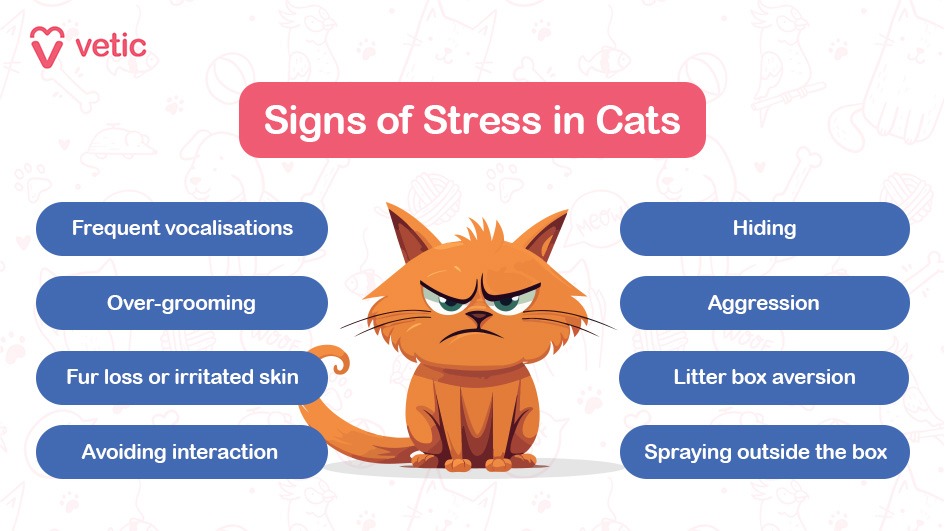
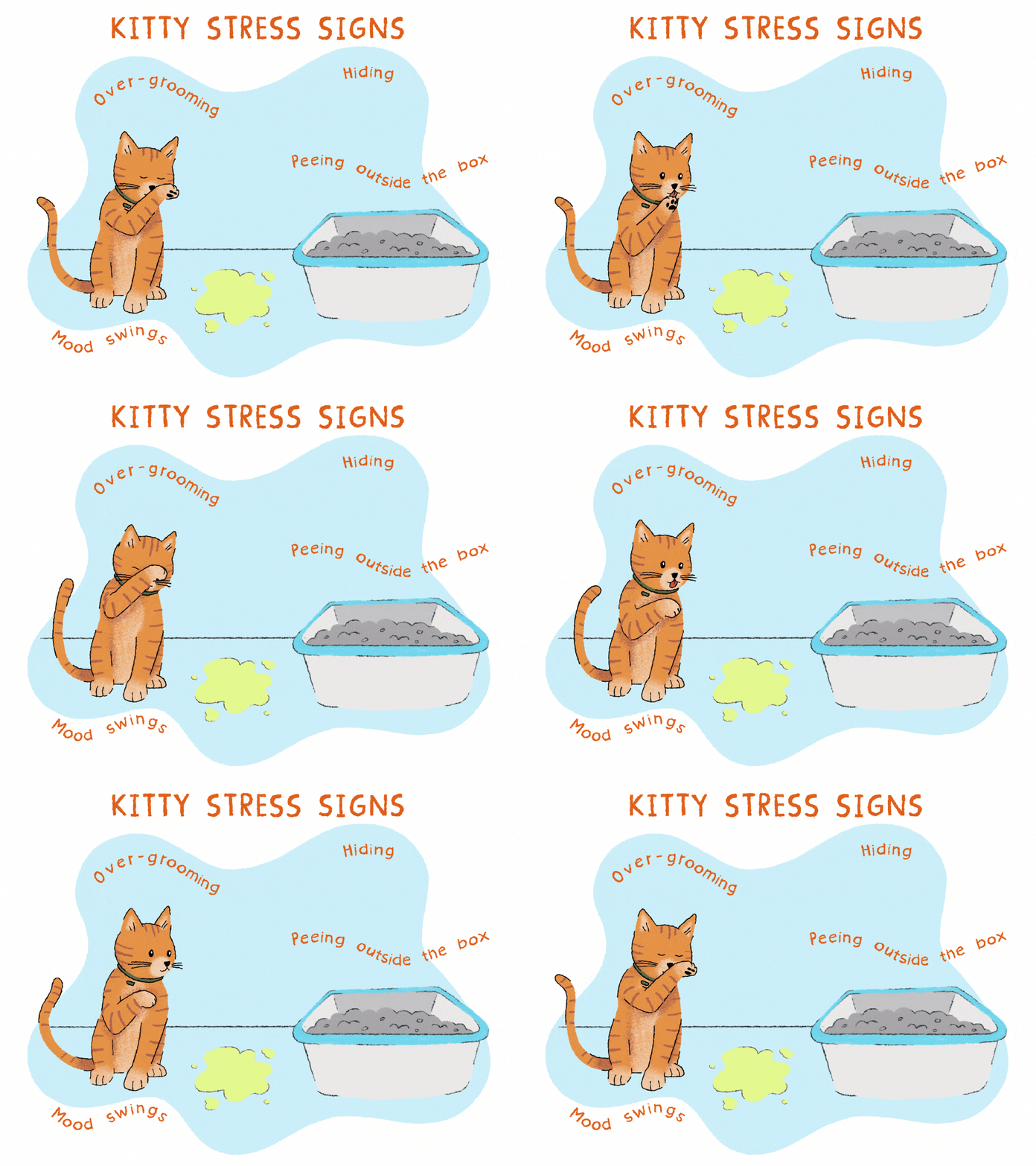
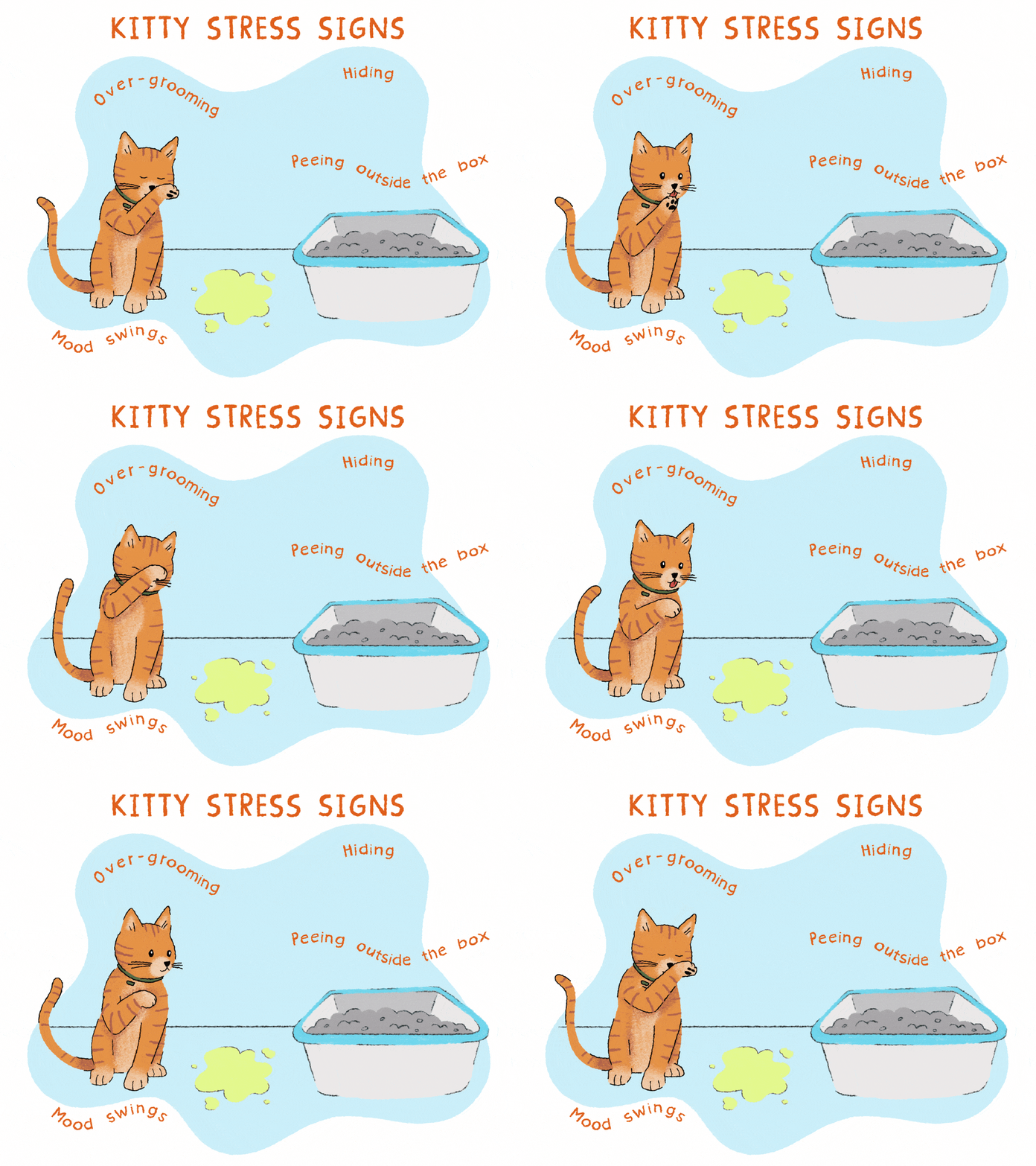
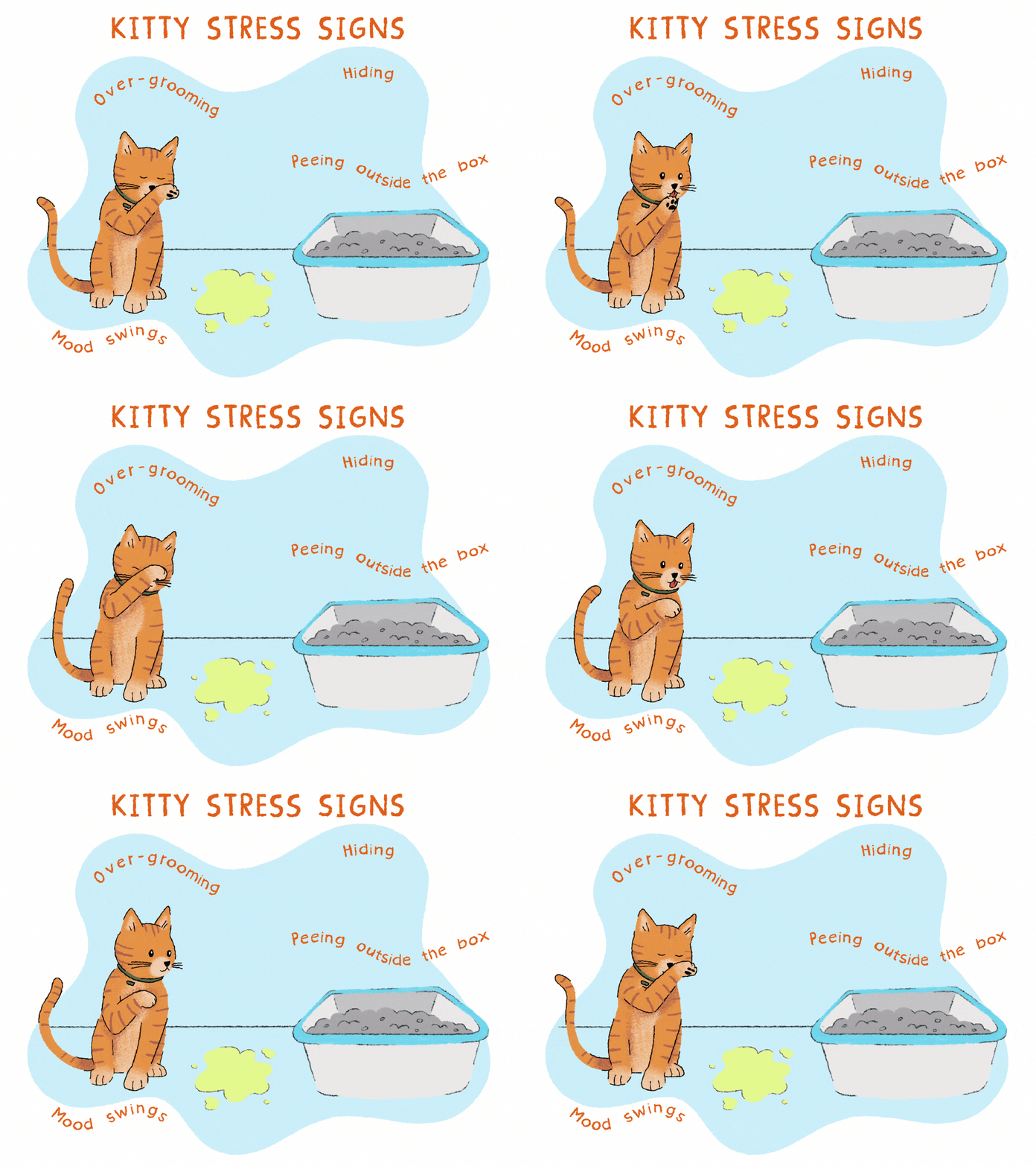
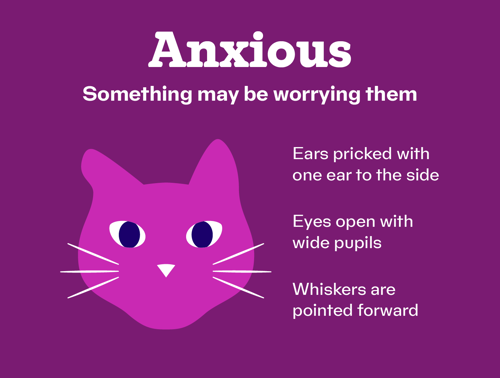
Cats often exhibit anxiety through changes in behavior. You might notice your cat hiding more than usual, avoiding interaction, or being unusually aggressive. Physical signs can include excessive grooming, loss of appetite, or unusual vocalization. Keep an eye out for any litter box issues or sudden changes in their bathroom habits. These behaviors can be your cat’s way of communicating distress.Common Causes Of Feline Anxiety
Several factors can lead to anxiety in cats. A change in their environment, such as moving to a new home or introducing a new pet, can be unsettling for them. Loud noises, like thunderstorms or fireworks, might also trigger anxiety. Additionally, health issues or past trauma can lead to a persistent state of anxiety. Understanding these triggers can help you minimize their impact. Consider your cat’s daily routine. Does it seem different lately? Small changes in routine can also cause anxiety in sensitive cats. Imagine coming home to find your favorite chair gone; it’s disorienting, right? Providing a stable and predictable environment can help reduce your cat’s anxiety. Have you noticed any of these signs in your cat? What steps have you taken to identify their triggers? Understanding the root of their anxiety is crucial. It’s the key to creating a stress-free environment for your beloved pet.
Credit: www.banfield.com
Creating A Safe Environment
Creating a safe space can ease your cat’s anxiety. Introduce calming elements like soft music and cozy blankets. A quiet corner with familiar toys may help your cat feel secure and relaxed.
Creating a safe environment is crucial to helping your cat manage anxiety. Cats, like humans, need a haven where they can retreat and feel secure. By focusing on creating comfortable spaces and reducing stressful stimuli, you can significantly enhance your cat’s well-being. Let’s dive into some practical tips to make your home a stress-free sanctuary for your feline friend.Comfortable Spaces For Cats
Cats love cozy nooks and crannies. Do you notice your cat always curling up in a specific spot? Consider adding a soft blanket or pillow there to make it even more inviting. Invest in a cat tree or a window perch. These not only provide comfort but also satisfy their natural urge to climb and observe their surroundings. Think about the location of your cat’s bed or resting area. Is it away from noisy appliances or busy foot traffic? A peaceful corner can be a perfect spot for relaxation.Reducing Stressful Stimuli
Minimize loud noises in your home. If you’re vacuuming or using a blender, ensure your cat has a quiet place to escape. Pay attention to scents. Strong smells from cleaning products or air fresheners might be overwhelming. Opt for unscented or pet-friendly options to keep your cat comfortable. Keep their routine consistent. Feeding, playtime, and litter box cleaning should happen at the same times each day. Routine helps your cat feel secure and reduces anxiety. Creating a safe environment for your cat is an ongoing process. What small changes can you make today to help your furry friend feel more at ease?Behavioral Strategies
Helping your anxious cat involves creating a calm environment. Use gentle play to distract and comfort them. Establish a consistent routine to reduce stress and provide a sense of security.
Helping your cat cope with anxiety can be a rewarding journey for both of you. Behavioral strategies offer practical solutions to ease your feline friend’s worries. These methods focus on changing how your cat perceives and reacts to stressful situations. By using gradual exposure and positive reinforcement, you can create a calmer environment for your cat. These strategies are simple and can be seamlessly integrated into your daily routine. Ready to make a difference in your cat’s life? Let’s dive into some effective techniques.Gradual Exposure Techniques
Gradual exposure is all about familiarizing your cat with anxiety-inducing triggers in a controlled way. Start small. If your cat fears the vacuum cleaner, introduce it to the room without turning it on. Let your cat explore it at their own pace. Over time, increase the exposure. Maybe you start by switching it on for a brief moment, then gradually extend the duration. Watch your cat’s reactions closely. Patience is key. It’s about building trust and confidence over time.Positive Reinforcement Methods
Positive reinforcement is a game-changer. Reward your cat for calm behavior. Treats, praise, or even a favorite toy can reinforce positive actions. Consider setting up a reward system. Whenever your cat remains calm during a previously stress-inducing event, offer a treat or extra cuddle time. This encourages them to associate calmness with positive outcomes. Consistency is crucial here. Regularly rewarding your cat helps reinforce the desired behavior. You’ll be surprised at how quickly they learn. Have you tried using a clicker? It’s a fantastic tool for marking desirable behavior, making it easier for your cat to understand what’s expected. Think about how you respond to your cat’s anxiety. Your calm demeanor can influence them more than you might expect. Are you ready to see how these strategies can transform your cat’s anxiety? Give them a try and observe the positive changes in your feline friend’s life.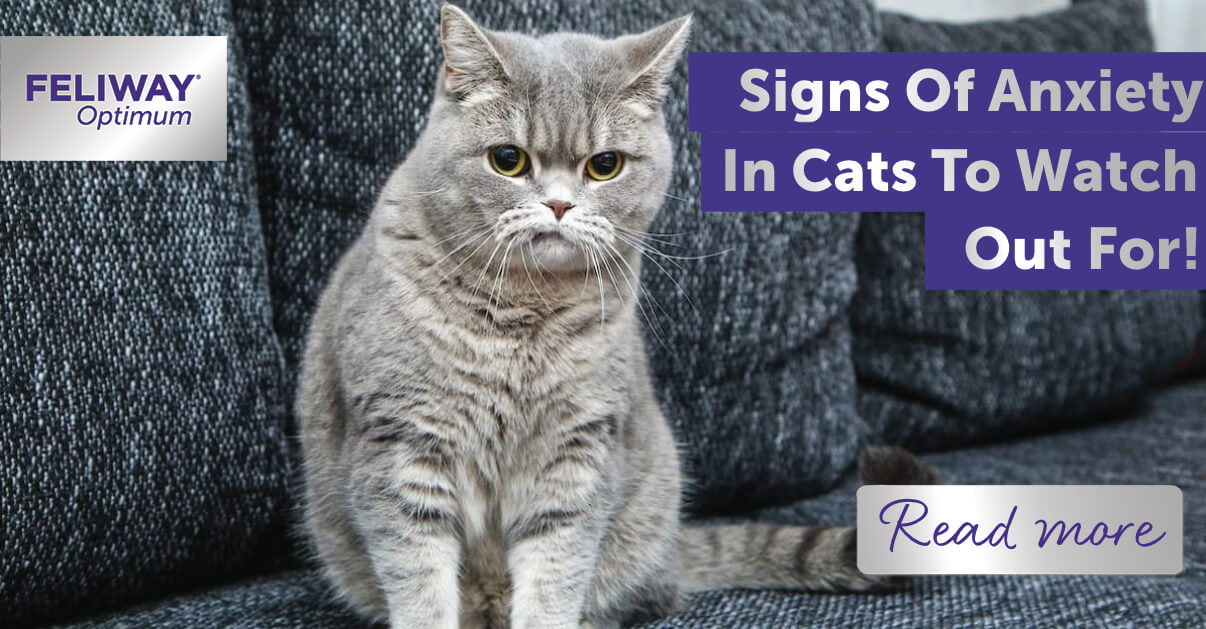
Credit: us.feliway.com
Natural Remedies
Natural remedies can be a gentle way to ease your cat’s anxiety. These methods focus on reducing stress without medications. They can help create a calming environment for your furry friend. Let’s explore some effective options.
Herbal Solutions For Cats
Certain herbs can relax your anxious cat. Chamomile is known for its calming effects. It can soothe your cat’s nerves and promote relaxation. Valerian root may also help reduce anxiety symptoms. It can provide a sense of calmness and peace. Always consult your vet before introducing new herbs. This ensures safety and proper dosage for your cat.
Aromatherapy Options
Aromatherapy can be beneficial for stressed cats. Essential oils like lavender have calming properties. These can help create a peaceful atmosphere in your home. Use a diffuser to spread the scent gently. Be cautious with essential oils as some can be harmful. Always choose cat-safe options and consult your vet. This ensures your cat’s health and well-being.
Dietary Adjustments
Adjusting your cat’s diet can ease anxiety symptoms. Introduce foods rich in omega-3 fatty acids to promote calmness. Ensure a balanced diet to support overall health and reduce stress.
Dietary adjustments can play a significant role in managing your cat’s anxiety. Cats, like humans, can experience anxiety due to various reasons. Stress can affect their eating habits and overall health. A well-considered diet can aid in calming their nerves and promoting better mental well-being.Nutritional Support For Calmness
Certain nutrients can help ease anxiety in cats. Omega-3 fatty acids are known to support brain health. They can improve mood and reduce stress. Vitamin B complex is another essential nutrient. It helps in regulating the nervous system. Taurine, an amino acid, is vital for cats. It supports heart and brain functions. Including foods rich in these nutrients can contribute to a calmer demeanor.Foods To Avoid
Some foods can increase anxiety in cats. Avoid feeding them sugary treats. High sugar levels can cause energy spikes and crashes. This may lead to heightened anxiety. Foods with artificial additives can also be harmful. They might upset the stomach and elevate stress levels. Limit the intake of highly processed foods. Natural ingredients tend to be more beneficial. Keep an eye on caffeine-containing products. They can be overstimulating and should be kept away from your cat’s diet.Professional Help
Cats can suffer from anxiety just like humans. It’s essential to address it. Professional help can make a significant difference. Expert guidance can ease your cat’s stress. Understand the options available. This ensures your feline friend gets the best care.
Consulting A Veterinarian
A veterinarian is often the first stop for pet anxiety concerns. They can rule out any medical issues causing stress. Sometimes, physical discomfort is mistaken for anxiety. The vet can also suggest safe medications. These can help calm your cat. They understand animal behavior deeply. Their advice is based on years of training and experience.
Behavioral Therapy For Cats
Behavioral therapy offers targeted solutions for anxious cats. Specialists in this field work with your pet’s unique needs. They use techniques to change anxious behaviors. This therapy often involves gradual exposure to stressors. It helps cats build confidence over time. Behavioral experts guide you through each step. They ensure a supportive environment for your cat.
Monitoring Progress
Helping your cat with anxiety requires patience and consistent monitoring. Keeping track of changes is crucial. You’ll need to adjust interventions based on your cat’s progress. This ensures the best outcome for your furry friend. Observing how your cat responds can guide your next steps.
Tracking Behavioral Changes
Notice any shifts in your cat’s behavior. Is your cat hiding less? Observe if playtime increases. Watch for signs of relaxation or stress reduction. Changes in appetite or grooming habits are important. Keep a journal of these observations. It helps to identify patterns and triggers.
Adjusting Interventions As Needed
Some strategies might not work for every cat. Be open to changing your approach. If one method doesn’t help, try another. Consult with a vet for advice. They can suggest alternative options. Your cat’s needs may change over time. Stay flexible and attentive to their needs.
Credit: www.cats.org.uk
Frequently Asked Questions
How Do You Treat Anxiety In Cats?
Treat cat anxiety with calming pheromone diffusers, interactive toys, and regular exercise. Ensure a peaceful environment. Consult a vet for severe cases.
What Calms Cats Naturally?
Cats naturally calm with pheromone diffusers, soothing music, and interactive play. Catnip or valerian can also help. Ensure a quiet, safe space for relaxation. Regular routines and gentle petting soothe anxiety.
What Are Signs Of Cat Anxiety?
Cats may show anxiety through excessive grooming, hiding, aggression, or vocalization. Changes in appetite and litter box habits can also indicate stress. Look for trembling or excessive scratching to detect anxiety.
What Are Signs Of Anxiety In Cats?
Cats with anxiety may show signs like excessive grooming, hiding, or aggression. Changes in appetite or litter box habits can also indicate stress. Observing your cat’s behavior closely can help identify anxiety early, allowing you to address it promptly and effectively.
Conclusion
Helping your cat with anxiety requires patience and understanding. Observe your cat’s behavior closely. Identify triggers and create a calm environment. Use gentle techniques to comfort your cat. Talk softly and provide cozy resting spots. Regular playtime can help relieve stress.
Consider consulting a vet for professional advice. Sometimes, medication may be necessary. Remember, each cat is unique. What works for one might not work for another. Stay patient and consistent. Your love and support make a big difference. Keep trying different methods.
Your calm and happy cat will thank you.

Similar Posts