How to Tell If a Cat Has Separation Anxiety: Expert Tips

Have you ever noticed your cat acting out of sorts when you’re about to leave or after you’ve been away? Cats, known for their independent nature, can sometimes experience separation anxiety.
This might surprise you, especially if you’ve always thought of your feline friend as the ultimate lone ranger. However, just like us, cats can feel stressed and uneasy when their human companions are not around. Understanding separation anxiety in cats is crucial, not only for their well-being but for your peace of mind as well.
Imagine coming home to find your usually composed kitty has turned into a whirlwind of chaos. This behavior can often be a cry for help. You might wonder how to differentiate between typical cat antics and genuine anxiety. The signs can be subtle but crucial to recognize. You’ll discover key indicators that your cat might be struggling with separation anxiety, and learn how to provide the comfort they need. You’ll gain insights that can transform your relationship with your pet, ensuring they feel secure and loved, even when you’re not around. Read on to uncover the secrets to a happier, more relaxed cat.
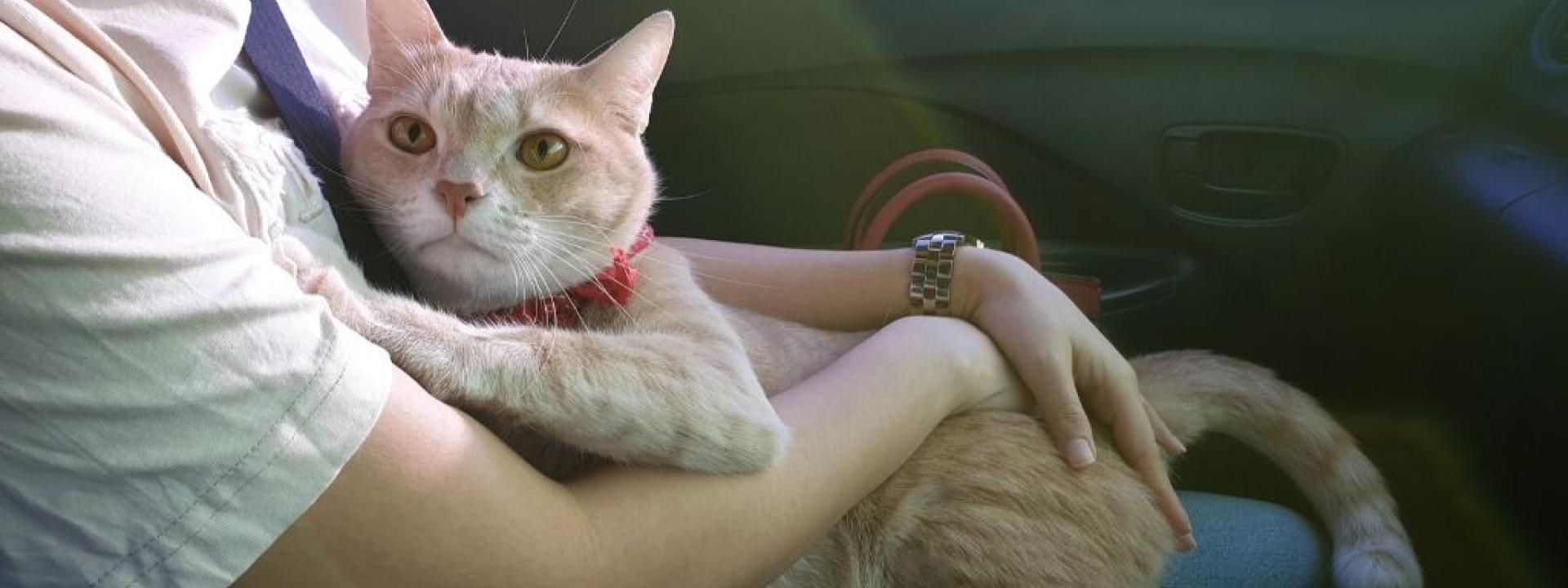
Credit: www.hickoryvet.com
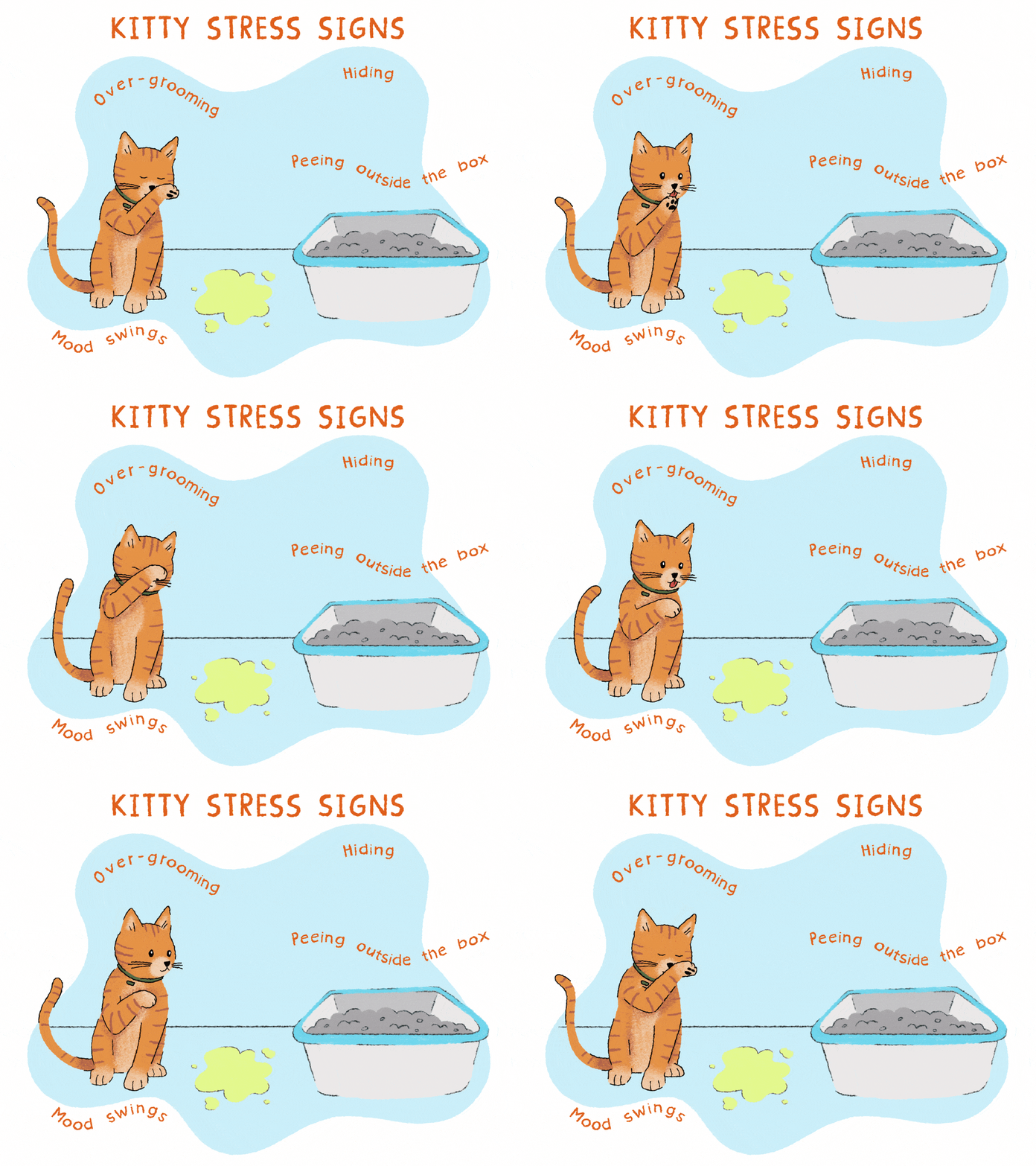
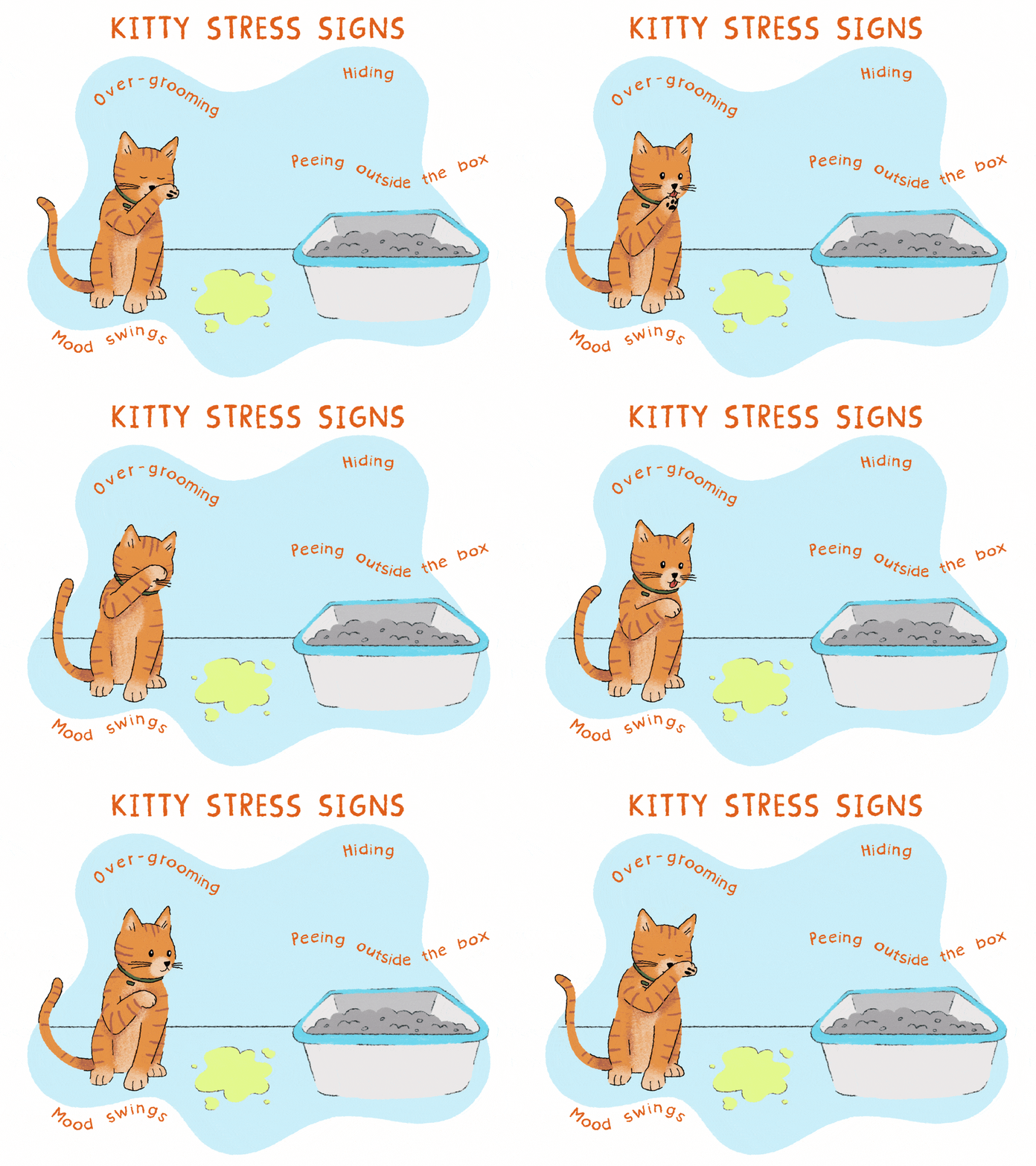
Signs Of Separation Anxiety In Cats
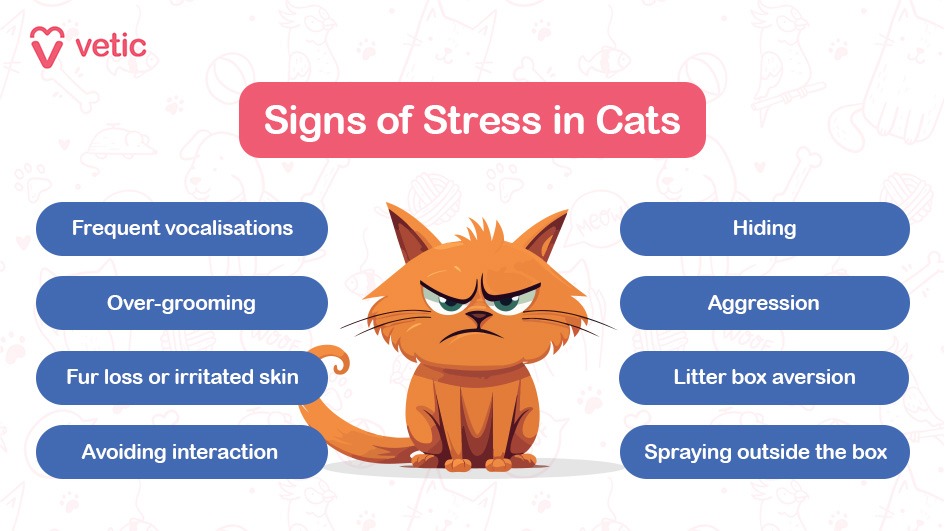
Cats may follow you around the house or hide when you prepare to leave. They might meow loudly or refuse to eat. Changes in litter box habits often signal stress.
Cats, much like humans, can experience anxiety when they are left alone. Recognizing the signs of separation anxiety in your feline friend is crucial to help them feel more comfortable and secure. Understanding these signs can help you create a more soothing environment for your cat and even strengthen your bond.Excessive Vocalization
Have you noticed your cat meowing excessively when you prepare to leave? Cats with separation anxiety often communicate their distress through increased vocalizations. These vocal sounds can include loud meows, howls, or even yowls, especially when they sense you’re about to step out the door.Destructive Behavior
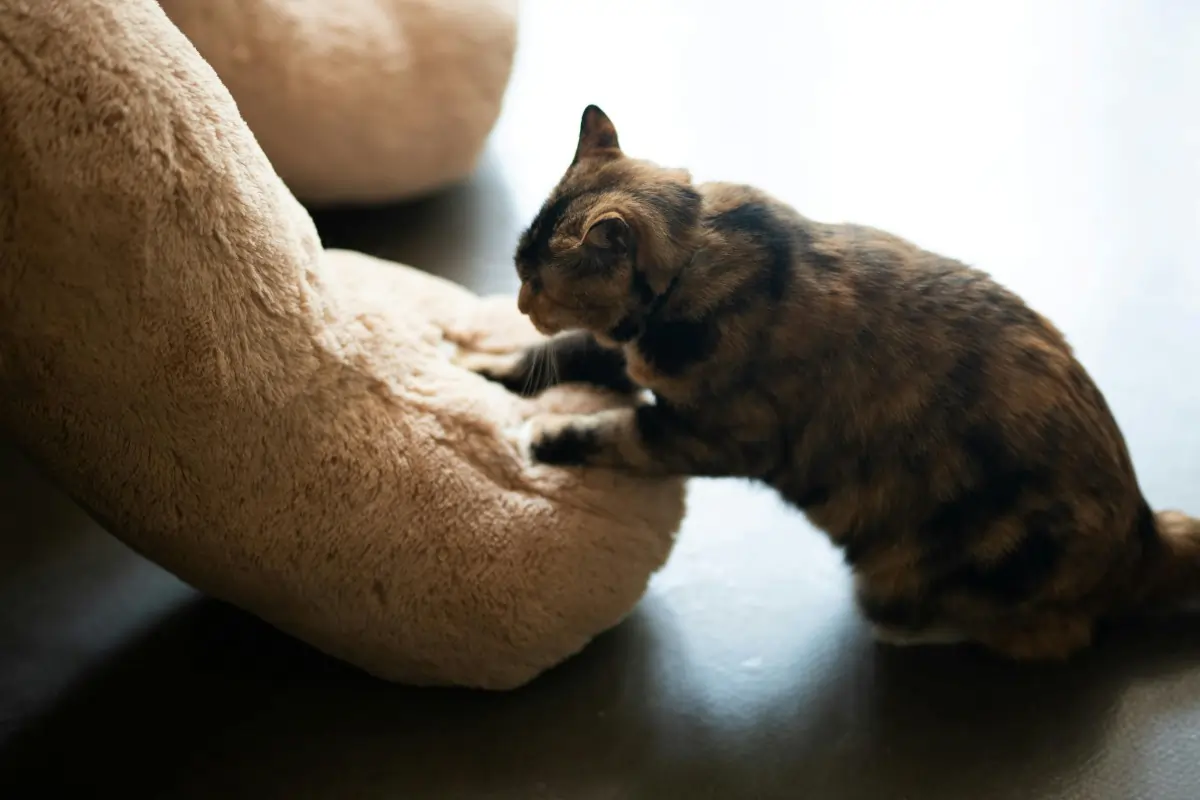
Destructive behavior can be another clear indicator. Cats may start scratching furniture, knocking over items, or engaging in other destructive activities. My own cat once shredded an entire roll of toilet paper while I was out for just an hour! This behavior often stems from anxiety and can be a cry for attention.Changes In Eating Habits
A sudden change in your cat’s eating habits can be a sign of distress. Some cats might lose their appetite entirely, while others could overeat when stressed. These changes can affect their health, so it’s important to monitor their eating patterns closely.Inappropriate Elimination
Finding unexpected “gifts” outside the litter box? This could be a sign of anxiety. Cats might urinate or defecate in inappropriate places when they are stressed or anxious. This behavior is usually a sign of their discomfort and not just a rebellious act. Have you observed any of these behaviors in your cat? It might be time to consider how you can help alleviate their anxiety. A little attention to their needs can go a long way in ensuring your feline feels safe and secure even in your absence.Common Causes Of Anxiety
Cats may display separation anxiety through excessive meowing, destructive behavior, or changes in eating habits. Some cats might follow their owners everywhere, showing signs of distress when left alone. Recognizing these behaviors can help in addressing your cat’s anxiety effectively.
Understanding the common causes of a cat’s separation anxiety can help you alleviate their stress and improve their well-being. Cats, much like humans, can feel anxious due to changes in their environment, loss of companionship, or disruptions in their daily routines. By identifying these triggers, you can take proactive steps to comfort your feline friend.Changes In Environment
Cats are creatures of habit and thrive in familiar surroundings. A move to a new home or even rearranging furniture can unsettle them. I once noticed my cat hiding for days after moving to a new apartment. She was visibly stressed, and it took time and patience to help her adjust. Have you recently changed something in your cat’s environment?Loss Of A Companion
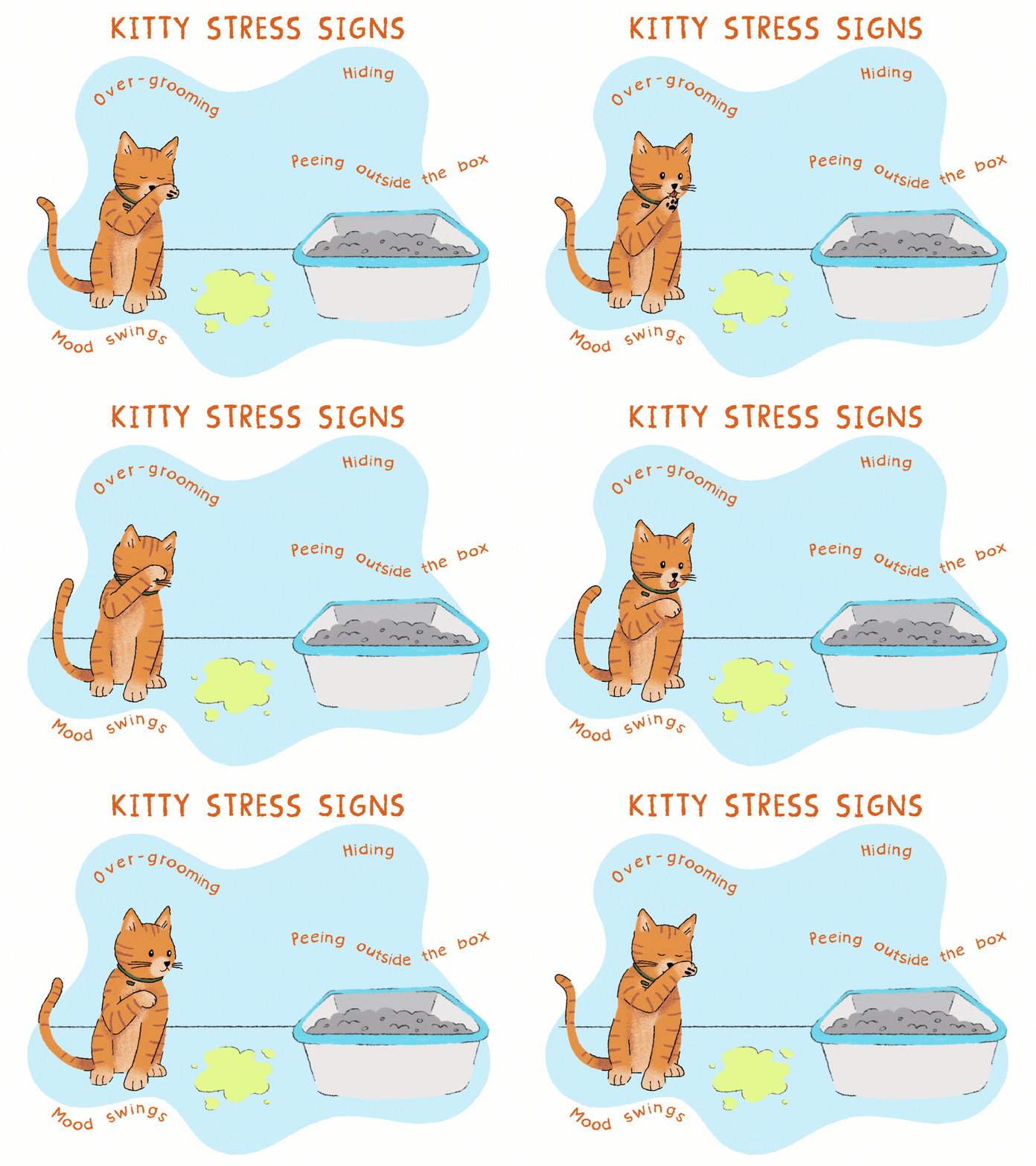
Cats often form strong bonds with other pets or family members. The absence of a companion can leave them feeling lonely and anxious. My friend’s cat became lethargic and started over-grooming after their dog passed away. This behavior was a clear sign of stress. Consider how your cat might be affected by the loss of a close companion.Routine Disruption
Cats love routine and predictability. Changes in feeding times or your work schedule can throw them off balance. When I started a new job with longer hours, my cat began meowing excessively. It was her way of expressing discomfort with the new routine. Are there any recent changes in your daily schedule that might be affecting your cat? Being mindful of these common causes of anxiety can help you better understand and support your cat. What steps will you take today to ensure your cat feels secure and loved?Expert Tips For Managing Anxiety
Managing separation anxiety in cats can be challenging, but with the right strategies, you can help your feline friend feel more secure and calm when you’re not around. Expert tips can guide you in creating an environment that reduces stress for your cat. Let’s explore some actionable strategies to manage your cat’s separation anxiety.
Creating A Safe Space
Your cat needs a sanctuary where they feel protected and relaxed. Consider designating a specific area in your home for this purpose. Place comfortable bedding, favorite toys, and fresh water in this space. It’s a small effort with huge rewards; a friend of mine transformed a cozy corner in her living room, and her once anxious cat now purrs contentedly during her absence.
Think of it as your cat’s personal retreat. Wouldn’t it be comforting to have a place that feels like a hug when you’re alone? That’s what a safe space offers to your cat. Make it accessible at all times and observe the difference it makes in their behavior.
Consistent Routine
Establishing a consistent routine can significantly alleviate anxiety. Cats thrive on predictability. Feed them and play with them at the same times each day. It reassures them that you’re not going anywhere permanently. A friend shared how sticking to a feeding schedule soothed her anxious tabby.
Consistency is key. Can you commit to a regular schedule? It might seem minor, but routines provide stability, reminding your cat that your absence is temporary. Your efforts in maintaining regularity can offer your cat the comfort they desperately need.
Interactive Playtime
Engage your cat with interactive playtime to boost their mood and reduce anxiety. Use toys that stimulate their hunting instincts. Laser pointers, feather wands, and puzzle feeders are excellent choices. A colleague found that her anxious Siamese became more relaxed after incorporating daily play sessions.
Playtime is not just for fun—it’s crucial for mental stimulation. Are you incorporating enough play into your cat’s day? It’s a wonderful way to bond and assures your cat of your presence and care. Interactive play can be a delightful distraction from the stress of separation.
Consider these expert tips to manage your cat’s separation anxiety effectively. Each step you take brings you closer to a happier, more relaxed feline companion. What strategies will you try today to comfort your anxious cat?

Credit: www.pawmaw.com
Therapeutic Solutions
Do you suspect your furry friend might be struggling with separation anxiety? It’s not uncommon for cats to feel stressed when their favorite humans are away. Luckily, there are therapeutic solutions that can help soothe their worries and make their alone time more comfortable. From calming products to professional guidance, these approaches can make a significant difference in your cat’s life.
Calming Products
Ever considered using calming products to ease your cat’s anxiety? These can be simple yet effective aids. Products like pheromone diffusers mimic the natural calming signals cats use, creating a serene environment. Have you ever tried a calming collar or spray? They work similarly, offering comfort when you’re not around.
Another option is specially formulated treats that promote relaxation. These tasty morsels can be a delightful distraction for your cat, especially if they associate your departure with a treat. It’s a win-win situation, providing both a snack and stress relief.
Behavioral Therapy
Behavioral therapy might sound complex, but it’s all about understanding and modifying your cat’s responses. You can start by gradually adjusting your routine. Leave home for short periods and slowly increase the duration. This practice helps your cat get used to your absence.
Interactive toys can be a game-changer. They not only keep your cat entertained but also encourage independent play. Have you noticed how a busy cat is less likely to dwell on your absence? It’s all about keeping them engaged and distracted.
Professional Guidance
If calming products and behavioral tweaks aren’t enough, seeking professional guidance could be the next step. A veterinarian or a pet behaviorist can provide tailored advice that fits your cat’s unique needs. Sometimes, a fresh perspective can reveal strategies you hadn’t considered.
Consulting a professional can also reassure you that you’re taking the right steps. Have you ever wondered if your cat’s anxiety is more serious than you thought? An expert can help determine this and offer specific interventions. Remember, you’re not alone in this journey. There are professionals ready to assist you in ensuring your cat’s well-being.
What’s your experience with these therapeutic solutions? Have you found a particular method that resonates with your cat? Sharing insights could help others facing similar challenges.
Preventative Measures
Separation anxiety in cats can be a distressing experience, not only for your furry friend but also for you as a pet owner. Understanding preventative measures is crucial to ensuring your cat feels secure when you’re not around. By taking the right steps, you can help your cat adapt to solitude and prevent anxiety from taking hold. Let’s explore some effective strategies.
Gradual Desensitization
Gradual desensitization is about helping your cat get used to being alone slowly. Start by leaving your cat alone for short periods. Gradually increase the time as your cat becomes more comfortable. This can help your cat learn that you will always return.
Consider using a timer to mark these periods. Reward your cat with treats or affection upon your return. This reinforces positive associations with your absence.
Socialization Techniques
Socialization isn’t just for puppies; cats benefit greatly too. Encourage your cat to interact with other pets or family members. This can lessen their dependency on you alone for companionship.
Invite friends over to interact with your cat. This exposes them to new people, reducing anxiety when you’re not home. Do you have a neighbor with a friendly pet? Arrange playdates to broaden your cat’s social circle.
Enrichment Activities
Enrichment activities can significantly help in keeping your cat’s mind occupied. Provide toys that stimulate their senses and encourage natural behaviors like hunting and exploring. Puzzle feeders can be particularly engaging.
Create a play schedule that includes interactive toys. Rotate these toys weekly to maintain interest. Have you tried hiding treats around the house? This can keep your cat busy and distract them from your absence.
By incorporating these preventative measures, you can foster a sense of security for your cat. What steps will you take today to ensure your cat feels comfortable and confident? Small changes can make a big difference.
Credit: www.hickoryvet.com
Frequently Asked Questions
How Do You Tell If Your Cat Is Too Attached?
A cat may be too attached if it follows you everywhere, demands constant attention, or gets anxious when alone. Signs include excessive meowing, clinginess, and destructive behavior when you’re away. Balance affection and independence to ensure your cat’s emotional well-being.
How Do I Get My Cat To Stop Having Separation Anxiety?
Provide your cat with engaging toys and activities to keep them occupied. Gradually increase time spent alone to build confidence. Use calming pheromone sprays or diffusers. Maintain a consistent routine for feeding and playtime. Consult a vet for further advice if anxiety persists.
How Do I Get My Cat To Chill Out?
Create a calm environment with soft music and soothing lights. Engage in regular playtime to release energy. Provide interactive toys to keep them entertained. Use calming sprays or diffusers for relaxation. Ensure they have a cozy space to retreat.
Can Cats Get Depressed When You Leave?
Yes, cats can get depressed when you leave. They form strong bonds with their owners. Signs include lethargy, loss of appetite, and excessive grooming. Provide toys and interactive activities to keep them engaged. Consider a pet sitter or companion if you’re frequently away.
Conclusion
Recognizing cat separation anxiety is crucial for their well-being. Watch for signs like excessive meowing or destructive behavior. Cats need comfort and routine to feel secure. Try leaving familiar items around to ease their stress. A calm environment helps reduce anxiety.
Spend quality time with your cat daily. This strengthens your bond and offers reassurance. Consult a vet if anxiety persists, as they can provide guidance. Understanding your cat’s needs makes them happier. Trust your instincts in caring for your feline friend.
A little love goes a long way in soothing their worries.

Similar Posts