How to Tell Your Cat’s Breed: Expert Tips Revealed
Are you curious about the breed of your cat? You’re not alone.
Many cat owners wonder about the origins of their feline friends. Knowing your cat’s breed can help you understand their behavior and needs better. Imagine being able to connect with your cat on a deeper level, simply by knowing more about their background.
This guide will show you how to identify your cat’s breed with easy-to-follow steps. Whether your cat is a purebred or a mix, uncovering their heritage can be both fun and rewarding. Keep reading to discover how you can learn more about your cat’s unique traits and characteristics.

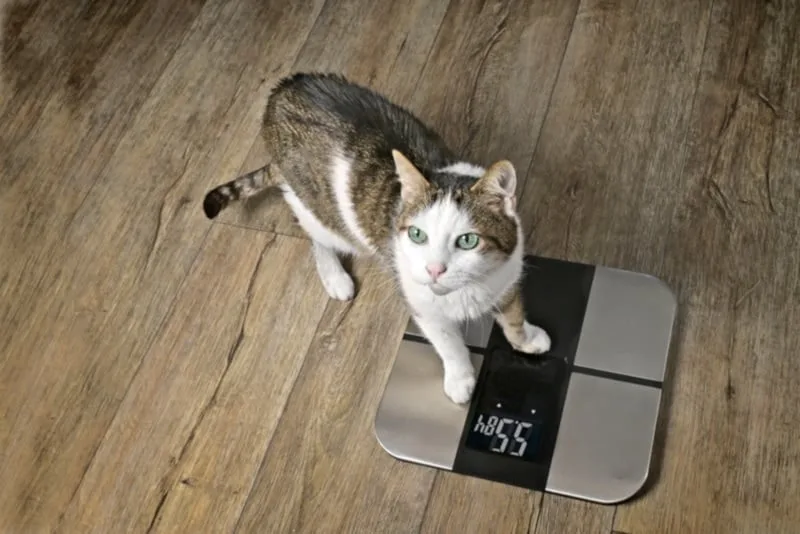
Credit: www.dailypaws.com
Identifying Physical Traits
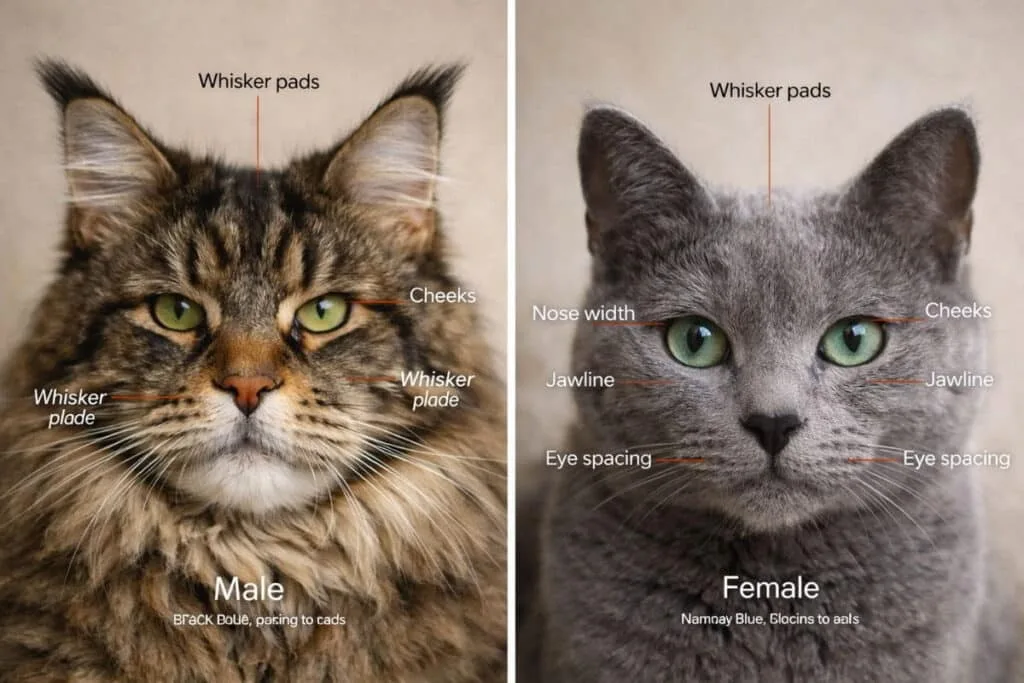
Understanding your cat’s breed involves examining its physical traits. Notice the fur length, color, and unique markings. Observe body size, shape, and ear type to gather more clues.
Identifying your cat’s breed can be a fascinating journey, almost like piecing together a mystery. By observing specific physical traits, you can get a clearer idea of your feline friend’s lineage. This process involves looking at various factors, such as coat patterns, eye shape, and body build. These characteristics are often unique to certain breeds and can offer clues to your cat’s origins. Ready to become a feline detective? Let’s dive into identifying these traits!Coat Patterns And Colors
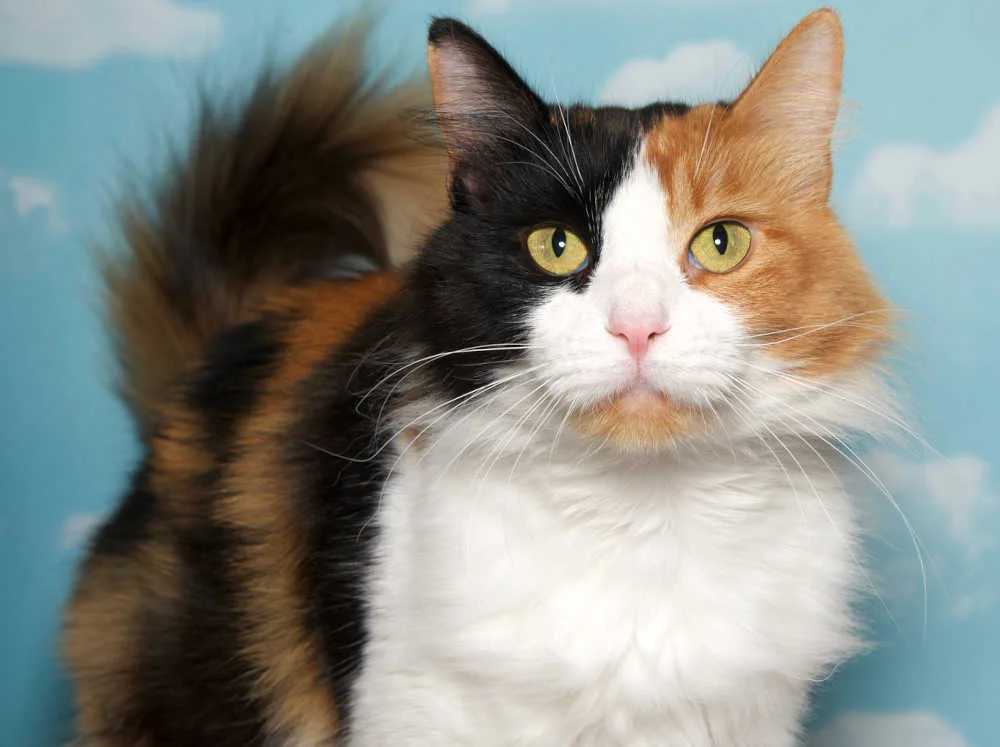
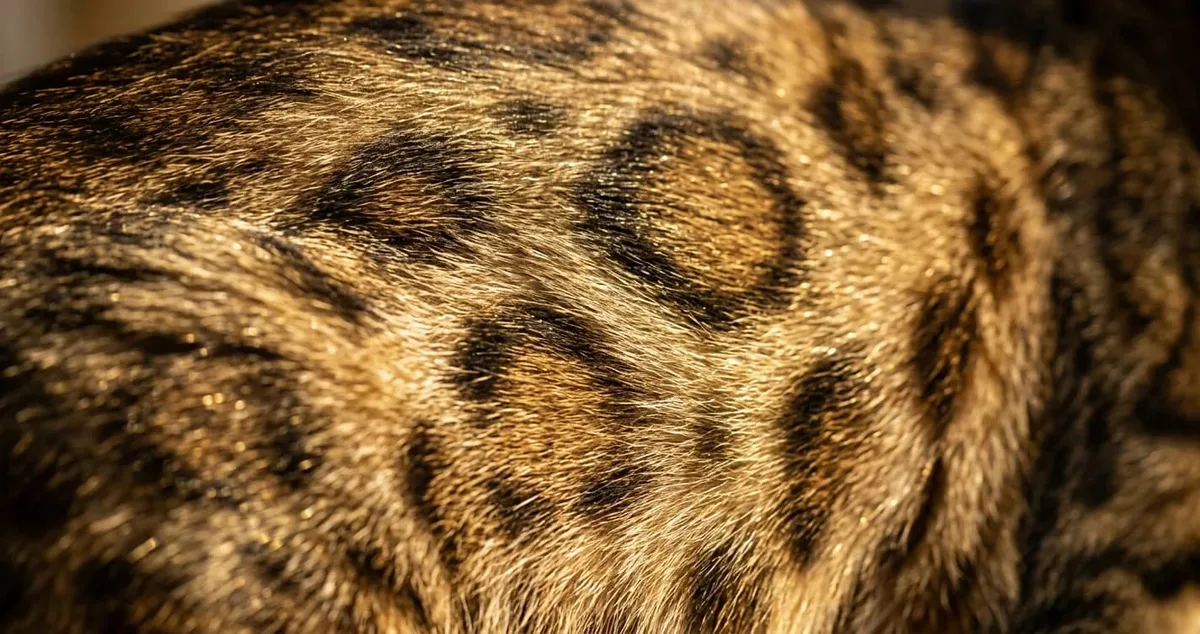
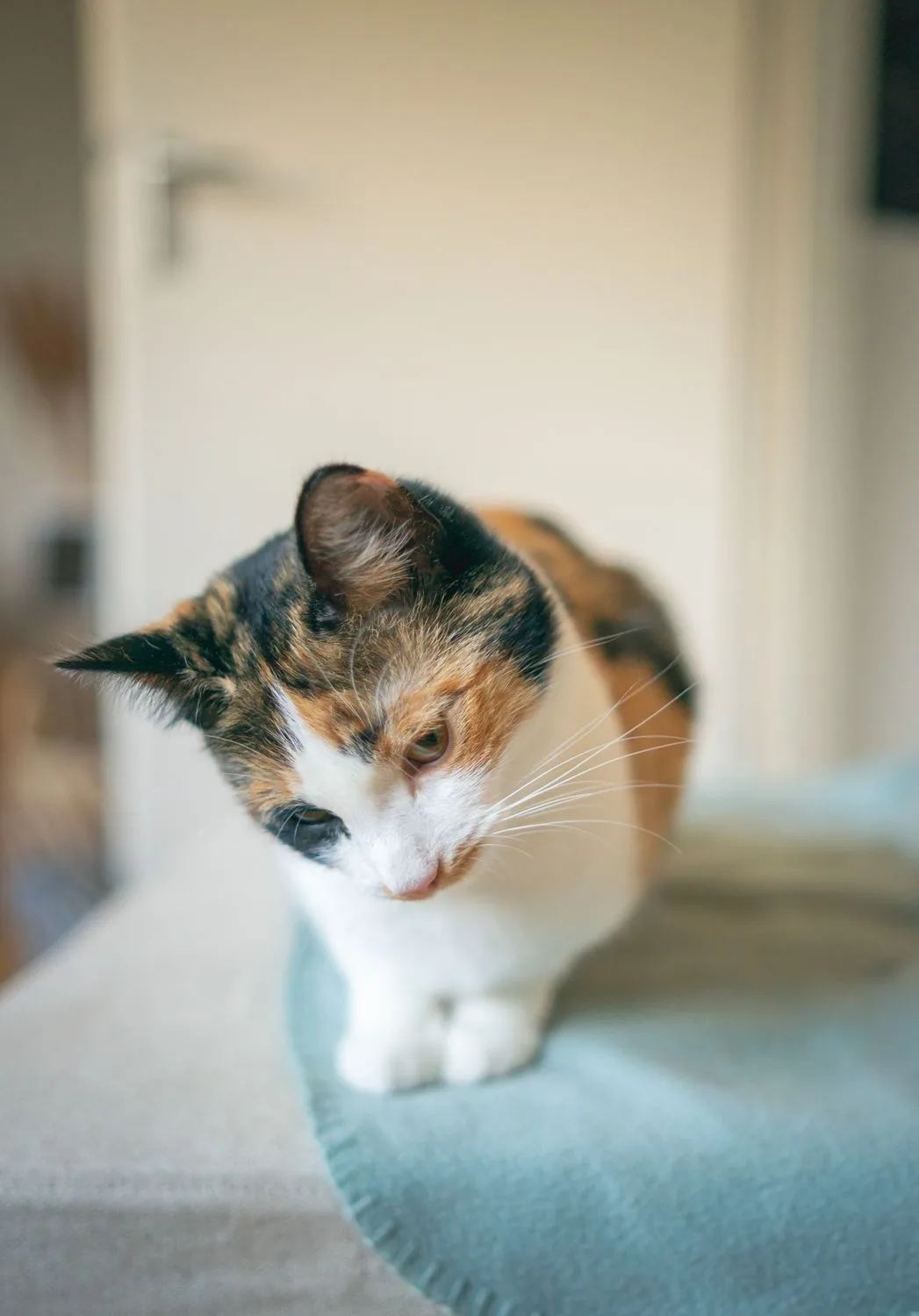
Cats come in a dazzling array of coat patterns and colors, each hinting at their breed. Does your cat have a sleek, solid color coat, or perhaps a striking tabby pattern? Breeds like the Russian Blue have a uniform grey-blue coat, while the Bengal is known for its leopard-like spots. Does your feline sport a tuxedo or calico pattern? These striking coats can suggest breeds like the American Shorthair or the Turkish Van. Take a moment to observe your cat’s fur—what stories does it tell?Eye Shape And Color
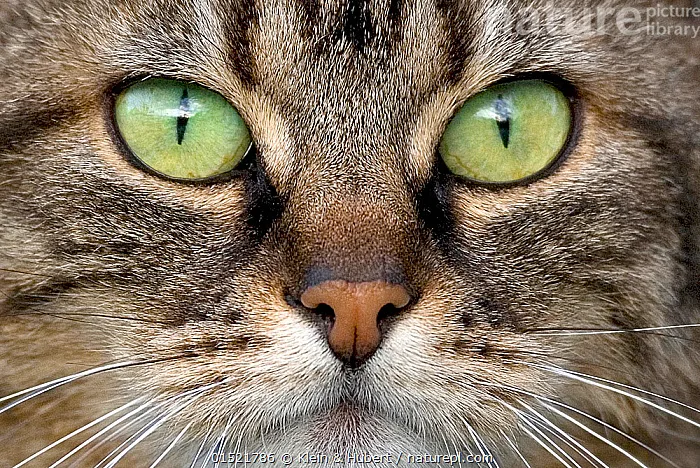
The eyes of your cat can be a window into its breed. Round eyes might suggest a Persian lineage, while almond-shaped eyes are common in Siamese cats. Pay attention to the color as well. Blue eyes are often associated with Siamese or Ragdoll cats, while green eyes might point to an Egyptian Mau. Have you ever noticed how your cat’s eyes change in different lighting? This could offer more clues about its breed.Body Size And Build
Your cat’s body size and build can provide significant hints about its breed. Is your cat large and muscular like a Maine Coon, or slender and graceful like an Abyssinian? Compare your cat’s features with breed standards. A compact and rounded body might suggest a British Shorthair, while long limbs and a sleek frame might be the hallmark of an Oriental. Does your cat strut with a certain elegance or robustness? This could be a key to understanding its heritage. Identifying your cat’s breed through these physical traits can be both fun and insightful. Next time you cuddle with your kitty, take a closer look and see what you can discover. Who knows what hidden lineage your feline friend might be revealing?Understanding Behavioral Characteristics
Identifying your cat’s breed involves observing its behavior and characteristics. Distinctive traits like vocalization patterns, grooming habits, and activity levels can offer clues. Pay attention to your cat’s interactions and preferences for insights into its breed.
Understanding your cat’s breed can be exciting. Behavioral characteristics offer clues about your feline friend. Each breed displays unique traits and tendencies. Observing these behaviors can help identify the breed. Below are some key behavioral aspects to consider.Activity Levels
Cats have varied energy levels. Some breeds are very active. Others prefer lounging around. Siamese cats are known for their high energy. They often explore and play. Persian cats are more laid-back. They enjoy relaxing in cozy spots. Watching your cat’s daily activities can reveal its breed.Social Interaction Patterns
Social behavior varies among breeds. Some cats love human company. Others are more independent. Ragdolls often follow their owners around. They seek affection and attention. Scottish Folds are more reserved. They enjoy solitude and quiet moments. Observing how your cat interacts can give clues.Vocalization Tendencies
Cats communicate in different ways. Some are chatty and vocal. Others are quieter. Siamese cats are known for their loud meows. They often express themselves vocally. British Shorthairs are quieter. They prefer subtle communication. Listening to your cat’s vocal habits can hint at its breed.Using Genetic Testing
Genetic testing helps identify your cat’s breed by analyzing DNA samples. Discovering unique traits becomes easier with this method. It provides insights into ancestry, health, and personality.
Discovering your cat’s breed can be fascinating. Genetic testing provides a precise method to achieve this. This process delves into your cat’s DNA. It reveals detailed information about their ancestry. It can identify breed-specific traits and health markers. Using genetic testing is becoming popular among cat enthusiasts. It offers a scientific approach to understanding your feline friend better.Benefits Of Dna Testing
DNA testing offers several benefits for cat owners. It provides accurate breed identification. This helps owners understand their cat’s behavior. Some breeds have specific traits. Knowing these can improve how you care for your cat. Genetic testing can also uncover potential health risks. Early detection allows for preventive care. This knowledge can enhance your cat’s quality of life.How To Obtain A Sample
Obtaining a DNA sample is simple. Most kits involve a cheek swab. Gently rub the swab inside your cat’s mouth. This collects cells for testing. Follow the instructions provided in the kit. Ensure the swab is not contaminated. Place the swab in the provided container. Then, send it to the lab. Some tests may use a small blood sample. A vet can assist with this process.Interpreting Test Results
Test results are usually straightforward. They provide a breakdown of your cat’s genetic makeup. The results identify breed percentages. They may also highlight unique traits. Some reports include health markers. These markers suggest potential health issues. Use this information to tailor your cat’s care. Understanding these results can make you a more informed cat owner.Consulting Breed Experts
Identifying your cat’s breed can be both exciting and challenging. While there are many ways to determine the breed of your feline friend, consulting with breed experts is one of the most reliable methods. These professionals can provide you with insights and answers that you might not find elsewhere, making them an invaluable resource for cat owners eager to know more about their pets.
Finding A Qualified Expert
Start by looking for experts in your area or online who specialize in feline breeds. Veterinary clinics often have connections with breed specialists. You can also search for breed clubs or associations that might offer consultations. Consider asking other cat owners for recommendations. They might have already had fruitful consultations with experts.
What To Expect During A Consultation
During a consultation, a breed expert will typically examine your cat’s physical characteristics. This includes fur type, patterns, facial structure, and body size. They may also ask about your cat’s behavior and temperament, as these can be indicators of breed. Be prepared for a thorough discussion about your cat’s history. Bring along any documents or photos you have, especially if you adopted your cat.
Questions To Ask
- What breed do you believe my cat belongs to, and why?
- Are there any health concerns associated with this breed?
- What specific traits should I look for that are common in this breed?
- How can I ensure my cat is living its best life given its breed?
Asking these questions can help you gain deeper insights into your cat’s needs and characteristics. It also empowers you to provide better care tailored to your cat’s breed. Remember, the more informed you are, the better you can nurture your pet. So, are you ready to uncover your cat’s lineage with expert help?
Comparing Against Breed Standards
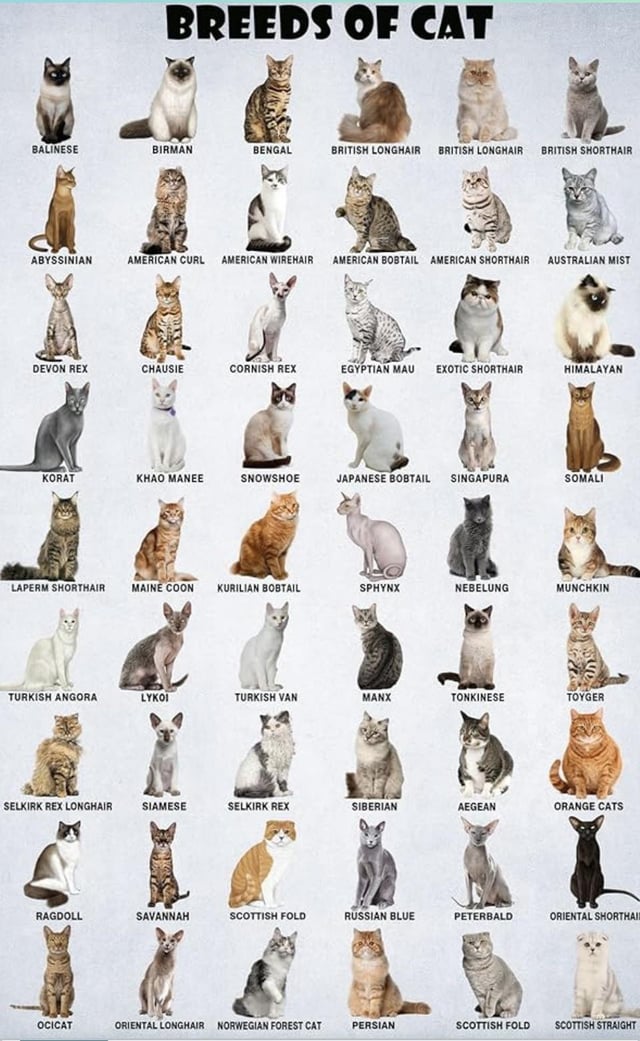
Identifying your cat’s breed involves comparing physical traits with breed standards. Observe fur patterns, eye shape, and body structure. These details help distinguish specific breeds, offering insights into your feline’s lineage.
Understanding your cat’s breed can be both fascinating and beneficial, especially when considering their unique needs and behaviors. While a quick glance might give you some clues, comparing your cat against established breed standards provides a more definitive insight. This approach not only helps you appreciate your feline friend better but also assists in providing tailored care suited to their breed.Accessing Breed Standard Documents
To identify your cat’s breed, start by accessing breed standard documents. These are detailed guidelines developed by cat associations, outlining specific traits for each breed. You can find these documents online through websites of organizations like The International Cat Association (TICA) or the Cat Fanciers’ Association (CFA). Having these documents at hand allows you to make informed comparisons, ensuring you’re not just guessing your cat’s breed based on looks alone.Analyzing Physical And Behavioral Matches
Once you have the breed standard documents, it’s time to analyze how your cat measures up. Look at physical features such as fur length, color patterns, and body structure. Behavior is equally important; observe your cat’s temperament and activity levels. Does your cat have a playful, social nature like a Siamese or a more reserved personality akin to a Persian? Matching these traits to the breed standards can help you narrow down the possibilities, leading to a more accurate identification.Common Misconceptions
There are common misconceptions when identifying cat breeds. Many believe that eye color or a unique coat pattern alone determines the breed. In reality, these features are just part of a larger set of characteristics. Another misconception is that mixed breeds can’t be identified through breed standards. However, mixed breeds often show dominant traits from one parent breed. Understanding these misconceptions ensures you don’t overlook critical information when evaluating your cat. Have you ever thought you knew your cat’s breed, only to find out you were mistaken? This is more common than you think, so a thorough approach is essential.
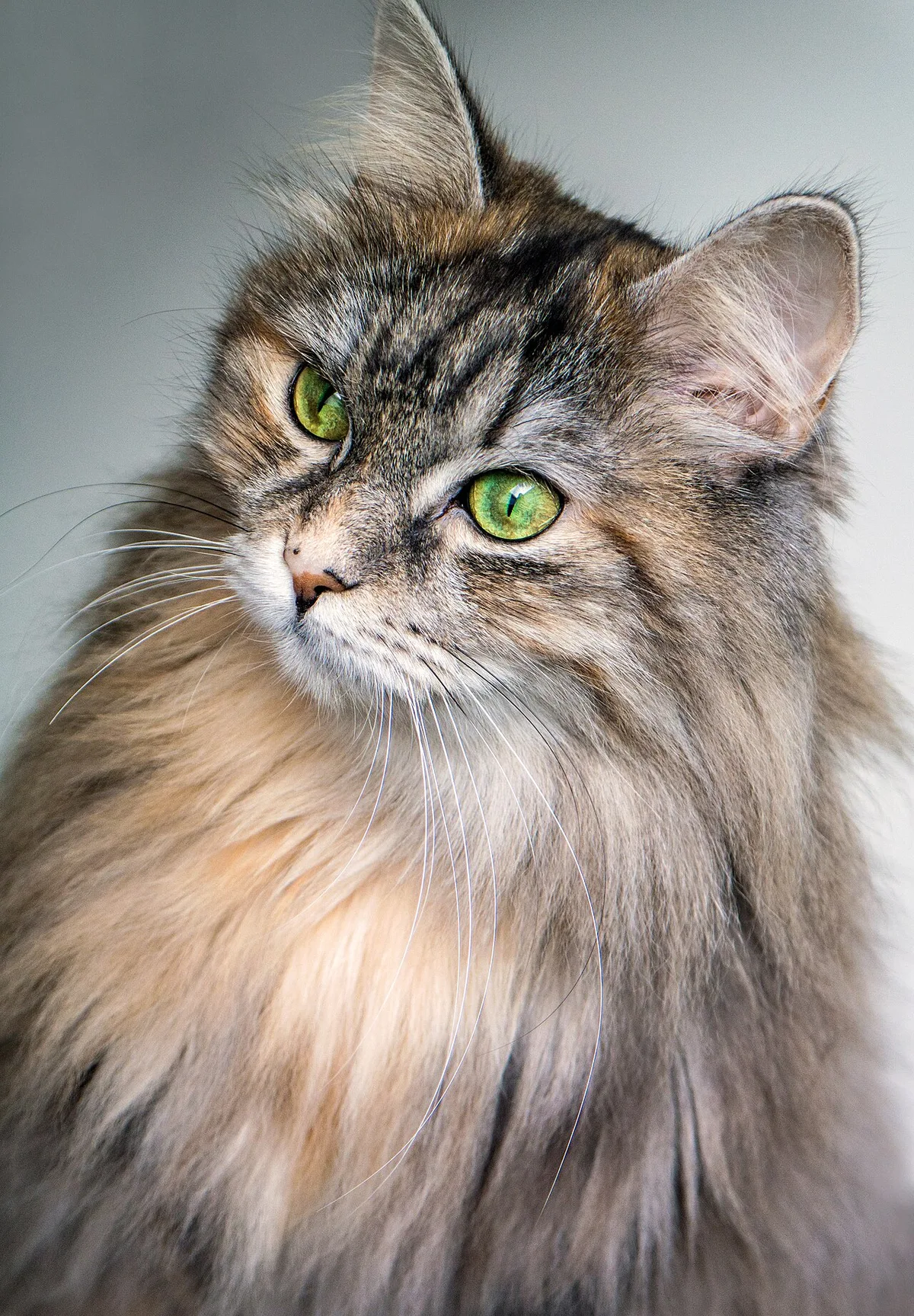
Credit: cattree.uk
Utilizing Online Resources
Determining your cat’s breed can be a fun journey. The internet offers many resources to help. Online tools provide valuable insights into your feline’s ancestry. These tools include websites, forums, and apps. Each resource has unique features for your discovery.
Reliable Websites And Databases
Several websites offer detailed breed information. Sites like Cat Fanciers’ Association provide breed standards. These sites have photos and descriptions to compare with your cat. Some databases include genetic details. They help you understand breed-specific traits. Always use trusted sites for accurate information.
Community Forums And Discussions
Forums connect you with cat enthusiasts worldwide. These communities share experiences and advice. You can post pictures of your cat for feedback. Experienced cat owners may recognize breed traits. It’s a great way to learn from others. Engaging in discussions can lead to valuable insights.
Apps For Identifying Cat Breeds
Many apps help identify cat breeds with ease. Apps often use photos to match breeds. They provide quick results and breed details. Some apps offer interactive features. These features include quizzes and learning tools. Check user reviews for app reliability before downloading. Apps are a convenient way to explore your cat’s breed.

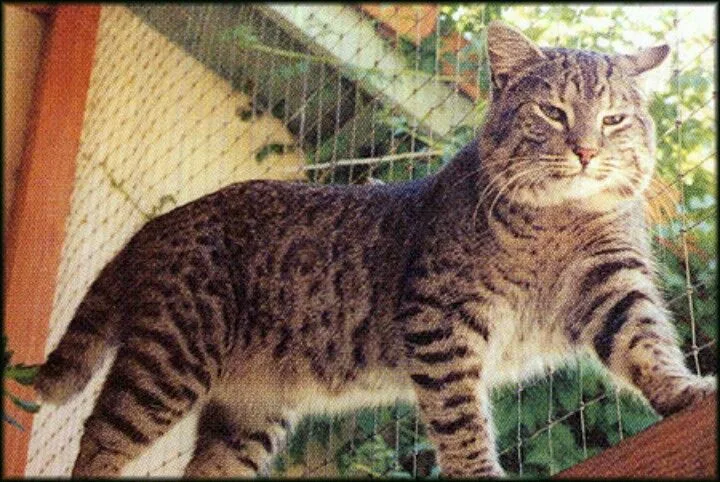
Credit: www.reddit.com
Frequently Asked Questions
How Do I Identify My Cat Breed?
To identify your cat’s breed, examine physical traits like fur, color, and size. Compare these features with breed standards online or consult a vet. Consider genetic testing for more accurate results. Visit cat breed websites for detailed information. Observing behavior can also provide clues about the breed.
What Is The Most Common Breed Of Cat?
The most common breed of cat is the Domestic Shorthair. Known for their diverse colors and patterns, they are popular worldwide. These cats are adaptable, easy to care for, and make great companions. Their mixed ancestry contributes to their robust health and friendly nature.
Can Google Lens Identify Cat Breeds?
Yes, Google Lens can identify cat breeds. It analyzes cat images and provides breed information. This feature enhances pet identification and helps cat enthusiasts learn more about different breeds. Always ensure clear, high-quality images for accurate results.
How To Tell If Your Cat Was Bred?
Check for physical signs like a swollen belly or enlarged nipples. Observe behavioral changes such as increased affection or nesting behavior. Consult a vet for confirmation through ultrasound or physical examination. Keep track of her heat cycles to identify any irregularities.
Conclusion
Identifying your cat’s breed can be a fun journey. Observe your cat’s appearance, behavior, and unique traits. Compare these with breed standards for clues. Consult a vet or use a DNA test for more accuracy. Each cat is special, no matter the breed.
Enjoy the process and learn more about your feline friend. This knowledge can enhance your bond. Understanding breed traits helps in caring better for your cat. Remember, every cat deserves love and attention. Your curiosity benefits both you and your pet.
Keep exploring and enjoy the companionship!

Similar Posts