How Many Pet Cats in the World: Astonishing Stats Revealed
Have you ever wondered just how many pet cats are curled up on couches, chasing laser pointers, or lounging in windowsills around the globe? As a cat lover, you’re part of a vast community that shares a special bond with these curious and independent creatures.
Cats captivate us with their quirky personalities, adorable antics, and soothing purrs, making them one of the most cherished pets worldwide. Knowing their numbers can give you a fascinating glimpse into how widely adored they truly are. So, grab a cup of your favorite drink, settle in, and discover just how many pet cats share the world with you.
You might be surprised by what you find!
Global Cat Population
Pet cats are popular companions worldwide, with millions living in homes globally. Estimates suggest over 200 million pet cats roam households, creating a lively presence. Their numbers grow as more people choose feline friends.
The world is home to an astonishing number of pet cats. From cozy apartments in bustling cities to serene countryside homes, cats have found their way into the hearts of millions. Their independent yet affectionate nature makes them a beloved choice for many. But just how many pet cats are there across the globe? Let’s dive into the fascinating world of the global cat population.Understanding Global Cat Statistics
Estimating the global cat population is a challenging task. Various studies suggest there are around 600 million cats worldwide. This includes both pet and stray cats. If you have ever wondered how your feline friend fits into the global picture, you’re not alone. The numbers vary widely due to differences in reporting and counting methods.Regional Distribution Of Cats
Different regions have varying numbers of pet cats. In the United States, there are about 95 million pet cats. Europe also boasts a high cat population, with Russia leading the count. In Asia, countries like Japan and China show a growing interest in cat ownership. Each region has unique cultural and economic factors that influence these numbers. A variety of factors contribute to cat ownership. Urbanization plays a significant role as cats are well-suited to apartment living. Economic stability and cultural trends also affect whether people choose to keep cats. Have you ever noticed how cats often become internet sensations? This media exposure can influence their popularity as pets.Impact Of Cats On Human Lives
Cats bring joy and companionship to millions. They are known to reduce stress and provide emotional support. Their playful antics and calming presence make them ideal companions. Do you ever feel your mood lift after spending time with your cat? This is just one of the many positive effects they have on our lives.Challenges In Counting Cats
Counting the global cat population isn’t straightforward. Many cats are unregistered, and stray populations fluctuate. Different countries have varying systems for tracking pets. This makes it difficult to pinpoint an exact number. Have you ever thought about how many stray cats might be living in your neighborhood? Their transient nature adds complexity to the count. Understanding the global cat population offers insights into human-animal relationships. It reflects cultural trends and societal values. By appreciating the number and distribution of cats worldwide, we gain a deeper understanding of their role in our lives. Whether you are a cat owner or an admirer from afar, these statistics paint a picture of a world enriched by feline presence.Leading Countries With Pet Cats
Have you ever wondered which countries boast the most pet cats? Cats are cherished companions worldwide, but some nations stand out with their feline-friendly attitudes. As you explore this topic, you’ll discover fascinating statistics and cultural insights. Let’s dive into the leading countries with pet cats and see what makes them so special.
United States
The United States is a haven for cat lovers, with millions of households welcoming these furry friends. In fact, approximately 42 million households in the U.S. own at least one cat. Why do Americans adore cats so much? It might be their independent nature or the comforting purr that makes them irresistible. If you’re a cat owner in the U.S., you’re part of a large community that celebrates these lovable creatures.
China
China has seen a surge in cat ownership, especially in urban areas. The fast-paced lifestyle in cities like Beijing and Shanghai makes cats ideal pets due to their low maintenance needs. With over 53 million pet cats, China is embracing the feline wave. Have you ever visited a cat café in China? These establishments are popular spots for unwinding and enjoying a cup of tea with a cat by your side.
Russia
Russia is known for its deep-rooted love for cats. Many Russians consider cats a part of their family, with traditions that celebrate feline companionship. Over 17 million pet cats reside in Russian homes. The harsh winters might be a reason cats are so cherished, offering warmth and companionship when the cold sets in. What’s your favorite thing about having a cat during the winter months?
Brazil
Brazil is a rising star in the world of pet cats. With around 23 million pet cats, Brazilians enjoy the playful nature and affection cats bring to their homes. The tropical climate offers a perfect environment for these agile creatures to thrive. Have you ever noticed how your cat reacts to sunny days? Their energy seems to double as they bask in the warmth.
Japan
Japan’s love for cats is legendary, with cultural icons like the Maneki-neko symbolizing good fortune. With over 9 million pet cats, Japan is a nation that celebrates feline charm. From cat-themed merchandise to dedicated cat islands, the Japanese have elevated cat appreciation to an art form. Do you have a favorite cat-themed item from Japan? It’s fascinating how cats have become an integral part of Japanese culture.
These countries demonstrate the universal appeal of cats as companions. As you consider getting a pet cat or already enjoy their company, think about what makes them special to you. Their presence is more than just companionship; it’s a connection that spans cultures and continents. What unique traditions or practices does your country have regarding cats?
Factors Influencing Cat Ownership
Cat ownership varies across the globe. Many factors influence this diversity. Cultural beliefs, living environments, and societal norms play a role. Some regions embrace cats more than others. The reasons are often complex and intertwined. Understanding these factors can shed light on global cat ownership trends.
Cultural Preferences
Cultural values shape pet ownership choices. In some cultures, cats symbolize good luck. In others, they might be seen as aloof. Historical beliefs often influence current pet choices. For instance, in ancient Egypt, cats were revered. This admiration persists in some regions even today. In contrast, some societies prefer dogs over cats. These preferences often reflect historical and cultural influences.
Urban Vs Rural Areas
Living environments impact pet ownership too. Urban areas have space constraints. Apartments may not allow many pets. Cats are often ideal due to their small size. They adapt well to smaller living spaces. Rural areas offer more space. There, people might have barns and farms. Cats help control pests, making them useful companions. The environment often dictates pet choices.
Cat Ownership Trends
Have you ever wondered how many pet cats are in the world today? Cat ownership trends have evolved over the years, reflecting changes in lifestyles, cultural attitudes, and economic factors. This journey through time shows us how these furry companions have captured the hearts of millions globally. But what do the numbers say? Let’s dive into historical data and recent developments to see how cat ownership has transformed over time.
Historical Data
In the early 20th century, cats were primarily seen as mousers, valued more for their utility than companionship. Many households had a cat, but these pets weren’t pampered as they are today. Fast forward to the mid-century, and cats started gaining popularity as indoor pets. People began to appreciate their independent nature and low maintenance.
By the 1980s, cat ownership took off. The rise in apartment living made cats a convenient choice for city dwellers. Unlike dogs, cats didn’t require daily walks, making them perfect for busy urban lifestyles. As people started to value the emotional connection with pets, cats found their place in households around the world.
Recent Developments
Today, cats are more popular than ever. You might have noticed the rise in social media accounts dedicated to cats, showcasing their quirky personalities and adorable antics. The digital age has certainly played a role in boosting their appeal. Cat cafes, which originated in Asia, are now popular worldwide, offering people a chance to relax with feline friends.
Moreover, there’s been a shift towards adopting rescue cats, driven by a growing awareness of animal welfare. Many organizations have made it easier for people to adopt, with virtual meet-and-greets and streamlined procedures. This trend reflects a more compassionate approach to pet ownership, with people choosing to give homes to cats in need.
As you consider getting a cat or expanding your furry family, think about what these trends mean for you. Are you drawn to the companionship and responsibility of owning a pet? Or perhaps you’re inspired to adopt and make a difference? Whatever your choice, cats continue to be beloved members of many households, adapting to our ever-changing world.
Economic Impact Of Cat Ownership
Worldwide, there are over 200 million pet cats, influencing economies through spending on food, healthcare, and accessories. Their presence creates jobs in veterinary services and pet care industries, contributing significantly to local and global economies. Cat ownership drives demand for products and services, boosting market growth.
Owning a pet cat can have surprising economic impacts on your life and the world at large. Cats are not just cute companions; they are also central to a booming industry. The financial implications of cat ownership stretch from your wallet to global markets. Have you ever thought about how your furry friend could be influencing economic trends?Pet Industry Growth
The pet industry is thriving, with cats playing a significant role. From gourmet cat food to designer collars, the market is exploding. Your pet’s needs can drive economic growth. Consider the variety of products available. There are smart feeders, interactive toys, and even cat furniture. Each purchase contributes to a growing multi-billion dollar industry. Have you ever noticed how quickly new pet products appear? This rapid development reflects demand. You, as a cat owner, are fueling innovation and business opportunities in this sector.Healthcare Costs
Healthcare is a major aspect of cat ownership. Vet visits, vaccinations, and emergency care add up. These expenses are part of a larger economic ecosystem. The costs can be daunting but are essential for your cat’s well-being. Investing in pet insurance can alleviate some of the financial pressure. What if you could save on healthcare costs? Many cat owners find budgeting for routine care prevents larger expenses later. Your proactive decisions contribute to a stable economic environment. As you consider these impacts, think about how your everyday choices as a cat owner ripple across economies. Your cat isn’t just a pet; they’re part of a larger economic story.
Credit: worldanimalfoundation.org
Environmental Effects Of Cat Population
The global pet cat population impacts the environment significantly. Cats, numbering around 600 million worldwide, often hunt wildlife, affecting local ecosystems. Their presence can lead to a decline in bird populations and other small creatures, which disrupts the natural balance.
Responsible pet ownership can help minimize these effects.
The global cat population has a profound impact on the environment, raising questions about sustainability and ecological balance. From urban areas to rural landscapes, the presence of cats influences local wildlife and waste management systems. Understanding these environmental effects helps you make informed decisions about pet ownership and conservation efforts.Wildlife Interaction
Cats are natural hunters, and their instincts drive them to chase and catch small animals. In areas with large cat populations, this can lead to a significant decline in local wildlife. Birds, small mammals, and reptiles are often the most affected. Studies show that domestic cats kill billions of birds and small mammals annually. This predation disrupts ecosystems and can lead to the extinction of vulnerable species. If you’ve ever watched your cat bring a “gift” to your doorstep, you might wonder about the broader impact on local fauna. Cat owners can help mitigate these effects by keeping their pets indoors or providing supervised outdoor time. Consider options like catios or leash walks to balance your cat’s natural instincts with environmental stewardship.Waste Management
The growing number of pet cats contributes to waste management challenges. Cat litter, often made from clay or silica, is not biodegradable and can accumulate in landfills. This poses a problem for waste disposal systems already under pressure. Biodegradable or flushable cat litter can reduce environmental impact. However, these alternatives can be more expensive and may not be suitable for all cats. It’s important to weigh these options and choose what best aligns with your values and budget. Have you ever considered composting your cat’s waste? While it requires careful management, it offers a sustainable solution for reducing landfill contributions. By exploring alternative waste management strategies, you can minimize your cat’s environmental footprint while maintaining a clean and healthy home.Future Projections
Global pet cat numbers are climbing rapidly. By 2025, experts predict over 500 million cats worldwide. Growing urban populations fuel this trend. Increasing pet adoption rates worldwide contribute significantly to these projections.
The future of pet cats looks promising as their popularity rises. Many people worldwide are embracing the companionship of these furry friends. Understanding future projections can help pet owners and enthusiasts plan better.Growth Predictions
The number of pet cats is expected to grow significantly. Urbanization is a key factor. More people are living in cities, where cats fit well into smaller spaces. Cats require less space than dogs and are often easier to care for in apartments. As the global population increases, so will the demand for cats. Technology also plays a role. With more online platforms, finding and adopting cats has become easier. Social media showcases their playful and loving nature. This influences many to become cat owners.Potential Challenges
Despite growth, challenges may arise. Overpopulation is a major concern. Many cats are abandoned or end up in shelters. This creates a strain on resources. Finding homes for all cats is a continuous challenge. Health issues are another concern. As the number of cats grows, so does the risk of diseases. Cat owners must ensure regular veterinary care. This helps prevent the spread of common feline illnesses. Environmental impact is also noteworthy. More cats mean increased demand for cat food and litter. This can affect the environment. Sustainable practices in cat care are essential. Reducing waste and choosing eco-friendly products can help mitigate this impact.
Credit: animals.howstuffworks.com
Credit: www.statista.com
Frequently Asked Questions
How Many Pet Cats Are There Worldwide?
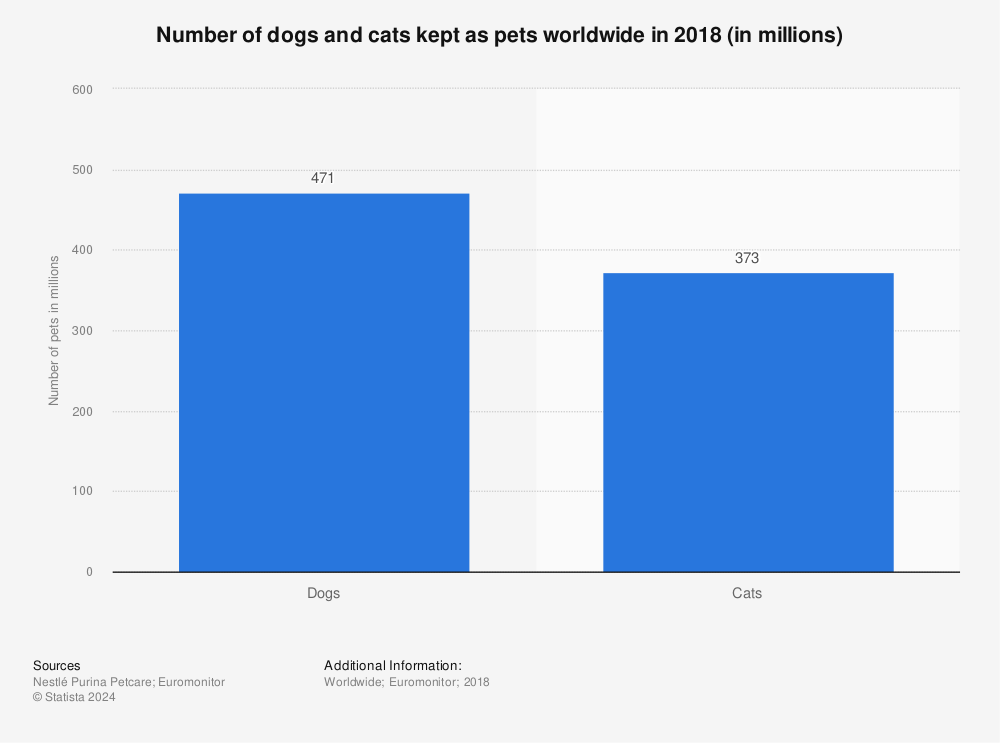
There are approximately 370 million pet cats worldwide. This number continues to grow as more people adopt cats. Cats are popular pets due to their companionship and relatively low maintenance compared to other animals. Many households enjoy the benefits of having a cat as part of their family.
What Is The 1 Pet In The World?
The 1 pet in the world is the domestic dog. Dogs are beloved for their loyalty and companionship. They come in various breeds, sizes, and temperaments, making them ideal for many households. Their popularity continues to grow globally, surpassing other pets like cats and fish.
How Many People Own Cats As Pets?
About 25% of households in the U. S. own cats as pets. Globally, cat ownership varies by country. Cats are popular due to their independent nature and low maintenance. They provide companionship and emotional support to millions worldwide.
Are There 1 Billion Cats?
There aren’t 1 billion cats globally. Estimates suggest around 600 million domestic cats worldwide. The number fluctuates due to factors like breeding, adoption, and stray populations. Cats are popular pets, but reaching 1 billion is unlikely soon. Accurate data on stray and feral cats is challenging to obtain.
Conclusion
Cats are everywhere. They bring joy to many homes. Their numbers keep growing worldwide. People love their playful nature and independent spirit. Cats adapt well to different environments. This makes them popular pets in cities and rural areas. Owning a cat provides companionship and comfort.
Cats are easy to care for and fit into busy lifestyles. As more people discover the charm of cats, their popularity rises. This trend shows no sign of slowing. Cats will continue to win hearts globally. Their presence enriches lives, one purr at a time.

Similar Posts