How Do Vets Spay Cats: Expert Insights Revealed
Are you curious about what happens when your beloved feline friend goes through a spaying procedure at the vet? Understanding how vets spay cats can demystify the process and ease any concerns you might have.
Imagine knowing exactly what to expect, from the initial consultation to the recovery period. This knowledge empowers you to make informed decisions and provides peace of mind about your cat’s health. As you explore the steps involved in this common procedure, you’ll discover how it not only benefits your cat’s well-being but also contributes to controlling the pet population.
Get ready to dive into the fascinating world of veterinary care and learn how this procedure can be a positive, life-enhancing choice for your furry companion.
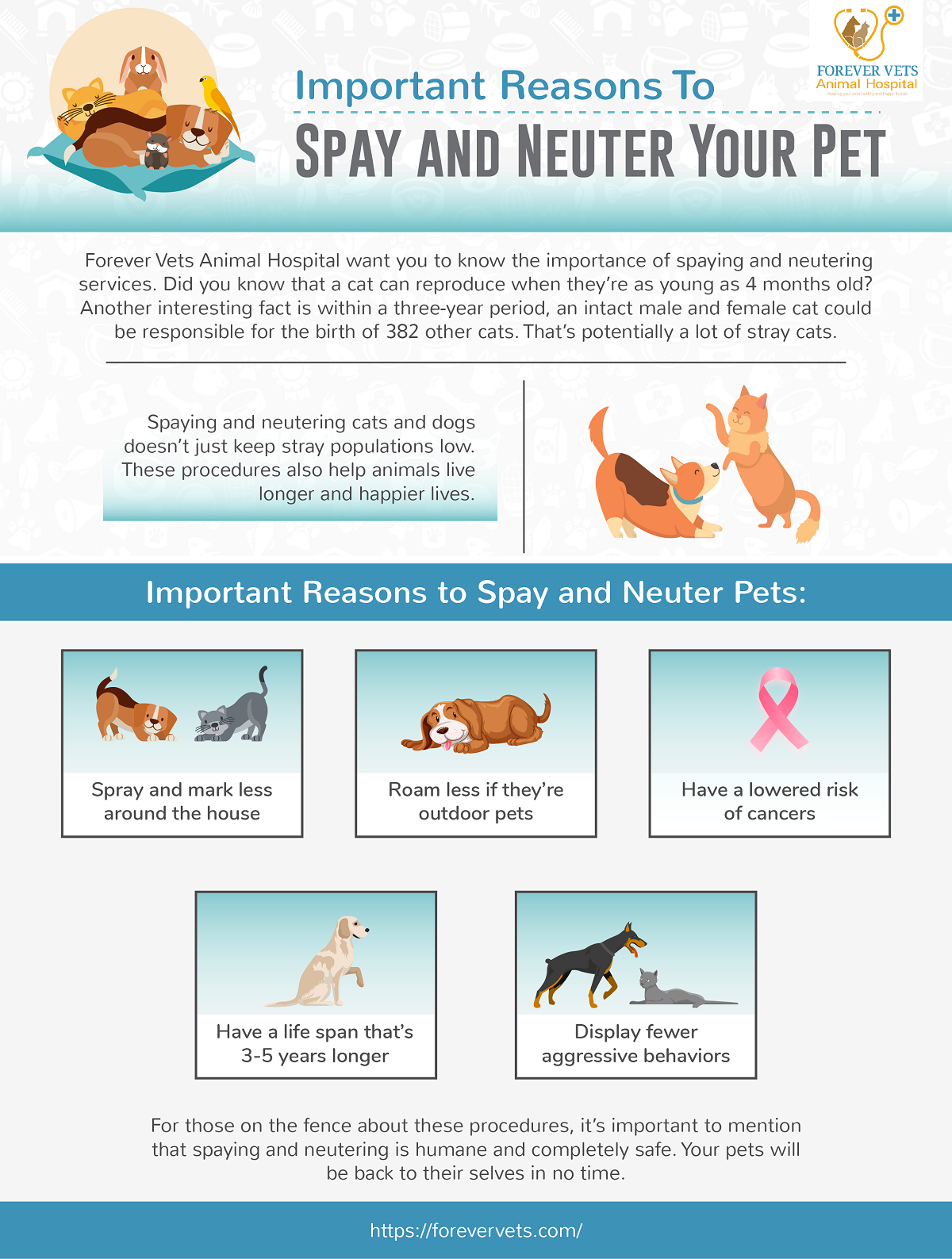
Credit: forevervets.com
Preparation For Spaying
Veterinarians spay cats through a surgical procedure. This involves removing the cat’s ovaries and uterus. Preparation includes ensuring the cat is healthy and fasting before surgery.
Preparing for spaying a cat involves several crucial steps that ensure the procedure is safe and successful. This phase is not just about gathering tools and preparing the surgery room. It’s about making sure your feline friend is in the best possible health to undergo surgery. The preparation process is vital for the well-being of your pet, and it can make a significant difference in her recovery. Let’s delve into what this preparation entails.Pre-surgery Health Assessment
Before spaying, vets conduct a thorough health assessment of your cat. This includes checking her weight, temperature, and overall health status. A blood test might be recommended to check for any hidden health issues. This step is crucial as it helps identify any conditions that could complicate the surgery. Have you ever taken your cat to the vet and noticed how they meticulously check her eyes and ears? It’s not just routine; these checks help ensure your cat is healthy enough for surgery. If any issues are found, the vet can address them before proceeding.Necessary Equipment And Tools
The tools and equipment used in a spay surgery are essential for a smooth operation. Sterile surgical instruments, anesthesia machines, and monitoring devices are all part of the setup. Each tool has a specific role, from making incisions to closing up the site post-surgery. Imagine a chef preparing a meal without the right utensils. It’s the same with a vet. Having the right equipment ensures the procedure is done safely and efficiently. This preparation also includes laying out the tools in advance, ensuring everything is within easy reach during the surgery. Preparation for spaying is more than just a checklist. It’s about ensuring your cat’s safety and well-being at every step. Are you ready to trust the vet with this important task? The preparation phase is where peace of mind begins.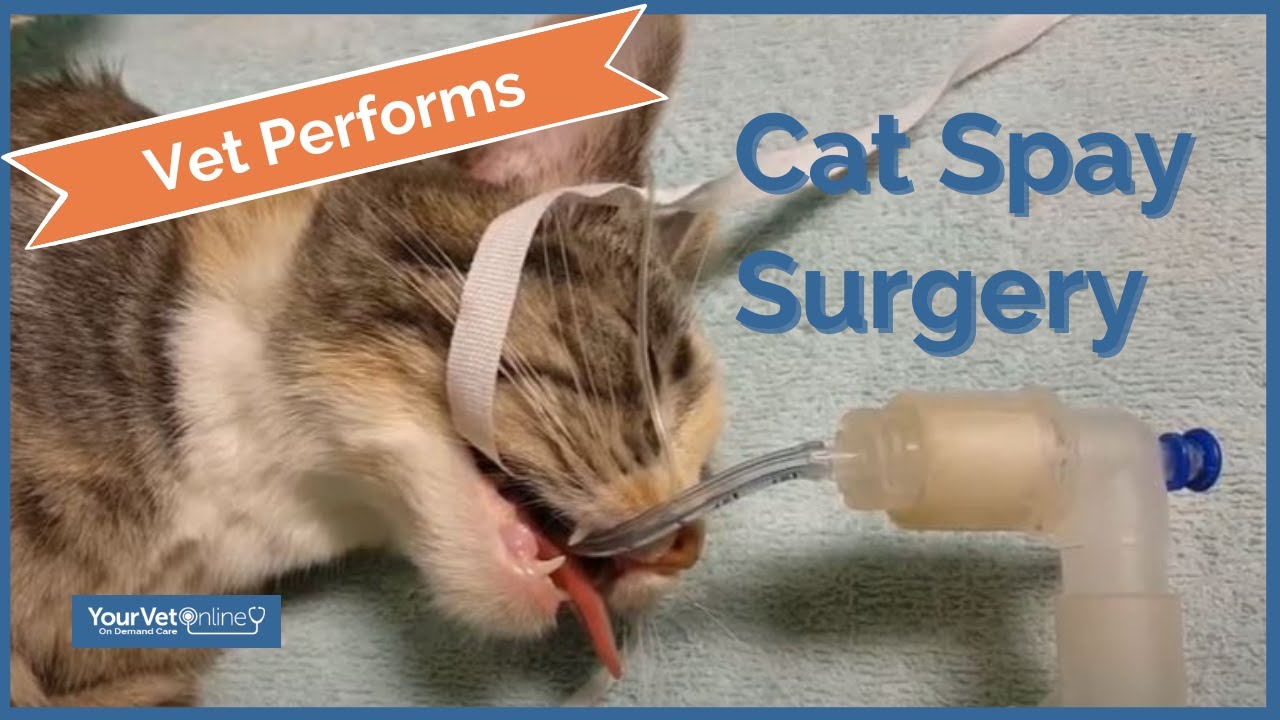
Credit: www.youtube.com
Surgical Procedure Steps
Spaying a cat is a routine procedure that many pet owners opt for to prevent unwanted litters and contribute to the animal’s health. Understanding the surgical steps involved can ease the nerves of concerned cat parents. Let’s dive into the specific stages of this surgery, keeping in mind the care and precision required.
Anesthesia Administration
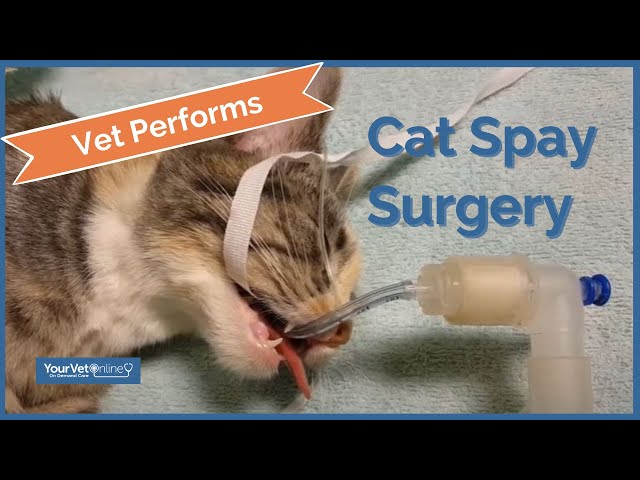
Before the surgery begins, your cat will receive anesthesia. This step is crucial to ensure she experiences no pain during the procedure. The vet carefully measures the dose based on your cat’s weight and health. You might be surprised at how fast it works, as your cat will be asleep in minutes. Have you ever wondered how calm cats are after anesthesia?
Incision And Ovary Removal
Once your cat is under anesthesia, the vet makes a small incision in her abdomen. Through this incision, the ovaries are removed. This step is handled with great precision to avoid complications. Imagine a skilled artist at work; that’s the level of concentration a vet maintains. Does knowing these details change your perception of the procedure?
Wound Closure Techniques
The final step in the surgical process is closing the incision. Vets employ various techniques, such as stitches or surgical glue, to seal the wound. The choice depends on the cat’s size and the vet’s preference. The closure is done delicately to promote healing and minimize scarring. Have you noticed how quickly animals heal after surgery?
Each of these steps is a testament to the expertise of veterinary professionals. As a pet owner, understanding this process can help you feel more confident about your cat’s care. Does knowing the details make you more inclined to consider spaying your cat?
Post-surgery Care
Veterinarians perform cat spaying by removing the ovaries and uterus through a small abdominal incision. This procedure prevents reproduction and reduces health risks. Post-surgery care includes monitoring the incision site, ensuring rest, and managing pain. Keeping the cat calm and indoors aids recovery.
After your feline friend undergoes a spay procedure, the next critical step is ensuring her smooth recovery at home. Post-surgery care is vital to help her heal quickly and avoid complications. With the right attention and care, you can make this transition stress-free for both you and your cat.Monitoring Recovery
Keep a close eye on your cat during the first 24 to 48 hours after surgery. Notice any changes in her behavior or appetite. Is she eating or drinking less than usual? Does she appear disoriented or excessively tired? These could be signs of discomfort or complications. Check the surgical site daily for any redness, swelling, or discharge. A clean and dry incision is a good sign. If you spot anything unusual, call your vet immediately.Pain Management Strategies
Your vet may prescribe pain medication to keep your cat comfortable. Follow the dosage instructions carefully. Never give human painkillers to your cat, as they can be toxic. Ensure her recovery space is quiet and comfortable. A warm, soft bed can make a big difference in her comfort level.Preventing Complications
Keep your cat indoors during the recovery period to prevent infections and injuries. Limit her jumping and running to avoid stress on the incision site. If your cat starts licking or biting the incision, consider using an Elizabethan collar. While it might look uncomfortable, it’s a protective measure to ensure proper healing. Have you ever had a pet that just wouldn’t stop licking their stitches? It can be a real challenge, but remember, patience and vigilance are key. With these steps, you’re well-equipped to support your furry friend on her path to recovery.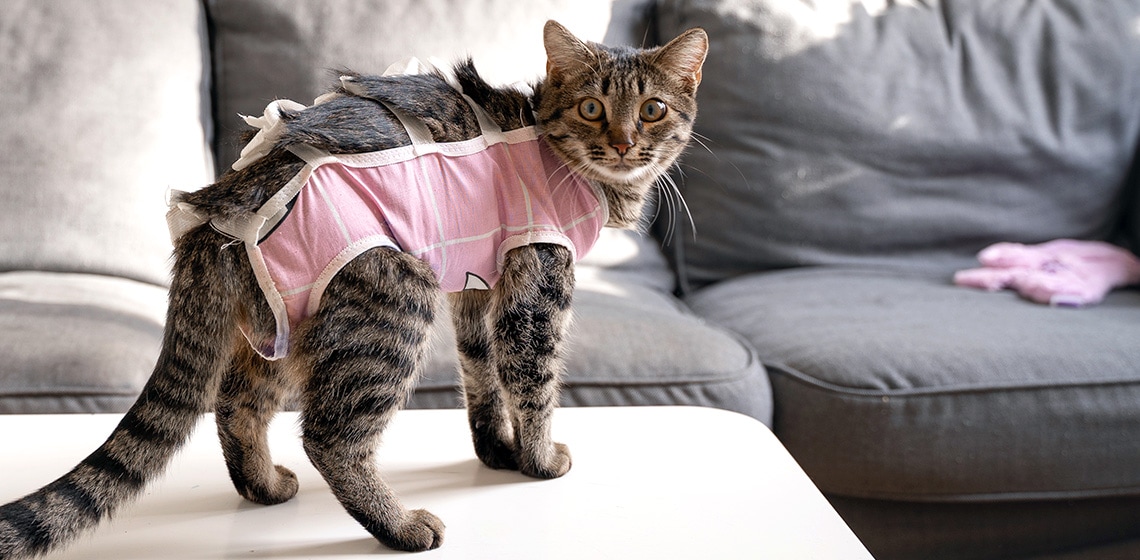
Credit: thevets.com
Benefits Of Spaying Cats
Spaying cats involves removing reproductive organs through a surgical procedure. This helps prevent unwanted pregnancies and reduces health risks. Veterinarians ensure the process is safe, promoting longer and healthier lives for cats.
Spaying cats is a responsible and essential decision for pet owners. It offers numerous advantages that contribute to a healthier and more harmonious life for your feline friend. Understanding these benefits can help you make informed choices for your pet’s well-being.Health Advantages
Spaying reduces the risk of uterine infections. It also lowers the chances of breast cancer in cats. These health issues can be life-threatening. A spayed cat often enjoys a longer, healthier life. The procedure eliminates the risk of ovarian cancer.Behavioral Improvements
Spayed cats tend to be calmer. They are less likely to roam. This reduces their chance of getting lost or injured. Spaying decreases aggressive behavior linked to mating instincts. It helps reduce excessive meowing and marking territory.Population Control
Spaying helps control the cat population. It prevents unwanted litters. This reduces the number of stray cats. Spaying is a humane solution to overpopulation. It supports community health and safety.Common Myths Debunked
Spaying a cat is a common procedure, yet it’s surrounded by myths that can lead to hesitation or misunderstanding. Many cat owners worry about the impact of spaying on their feline friend’s health and personality. Let’s debunk these myths and provide clarity for anyone considering this important decision.
Impact On Weight Gain
One prevalent myth is that spaying will automatically lead to weight gain. While it’s true that hormonal changes can affect metabolism, weight gain isn’t inevitable. Instead, it’s often related to changes in activity levels and feeding habits.
Think of it this way: if your cat becomes less active post-surgery, she might need fewer calories. Adjusting her diet and encouraging play can prevent unwanted weight gain. I noticed this with my cat, Luna. After her spay surgery, I introduced more interactive toys to keep her moving.
Have you considered how a balanced diet and regular exercise can maintain your cat’s weight? It’s not just about the procedure; it’s about how you manage her lifestyle afterward.
Changes In Personality
Many fear that spaying will alter a cat’s personality. However, the reality is quite different. Spaying removes the urge to mate, which can reduce aggressive and restless behavior. It doesn’t change the fundamental personality traits.
When my friend’s cat, Bella, was spayed, she didn’t become a different cat. Bella remained playful and affectionate, but she stopped roaming and yowling at night. This was a relief to everyone in the household!
Do you worry that your cat might lose her charm post-spay? Remember, the surgery often brings peace rather than upheaval. It can enhance the bond you share by reducing stress-related behaviors.
Spaying is a responsible decision for pet owners. Understanding the truth behind these myths can guide you in making informed choices for your furry friend. How will you support your cat through this transition?
Frequently Asked Questions
Is Spaying A Female Cat Painful?
Spaying a female cat involves surgery, which may cause temporary discomfort. Veterinarians use anesthesia to minimize pain during the procedure. Post-surgery, pain medication helps manage any discomfort, ensuring a swift recovery. Always consult your vet for specific care instructions and to address any concerns.
How Do Veterinarians Spay Cats?
Veterinarians spay cats by making a small incision in the abdomen. They remove the ovaries and uterus. This procedure prevents reproduction and reduces health risks. Recovery typically involves rest and monitoring for a few days. Always consult your vet for detailed guidance.
How Long Does A Female Cat Stay At The Vet After Being Spayed?
A female cat usually stays at the vet for 24 to 48 hours after being spayed. This ensures proper recovery and monitoring for any complications. Always follow your vet’s advice for post-operative care at home.
Do They Put Cats To Sleep To Spay Them?
Yes, vets administer anesthesia to cats before spaying. This ensures they remain pain-free and comfortable during the procedure.
Conclusion
Spaying cats is a common veterinary procedure. It helps control the cat population. The process is safe and routine for vets. It involves removing the ovaries and uterus. This prevents unwanted pregnancies in female cats. After the surgery, cats recover quickly.
Owners should follow the vet’s post-surgery advice. This ensures a smooth healing process. Spaying also brings health benefits to cats. It reduces the risk of certain diseases. Overall, spaying is important for responsible pet ownership. It keeps cats healthy and happy.
Always consult with your vet about the best time for spaying.

Similar Posts