Why Does My Cat Have Separation Anxiety: Expert Insights

Have you ever noticed your feline friend acting out when you leave the house? Maybe your cat meows persistently, scratches at doors, or becomes unusually clingy.
You’re not alone. Many pet owners face this puzzling behavior, wondering why their cats seem anxious when left alone. If you’re trying to understand what’s behind your cat’s separation anxiety, you’re in the right place. Imagine coming home to a calm, happy cat instead of one that’s been stressed out in your absence.
Understanding the root of your cat’s anxiety is the first step toward achieving that peaceful environment. We’ll explore the surprising reasons your cat may have separation anxiety and share effective strategies to help ease their distress. You’ll discover insights that could transform your pet’s experience—and yours—every time you step out the door. Let’s dive into what’s really going on with your furry companion.
Credit: x.com
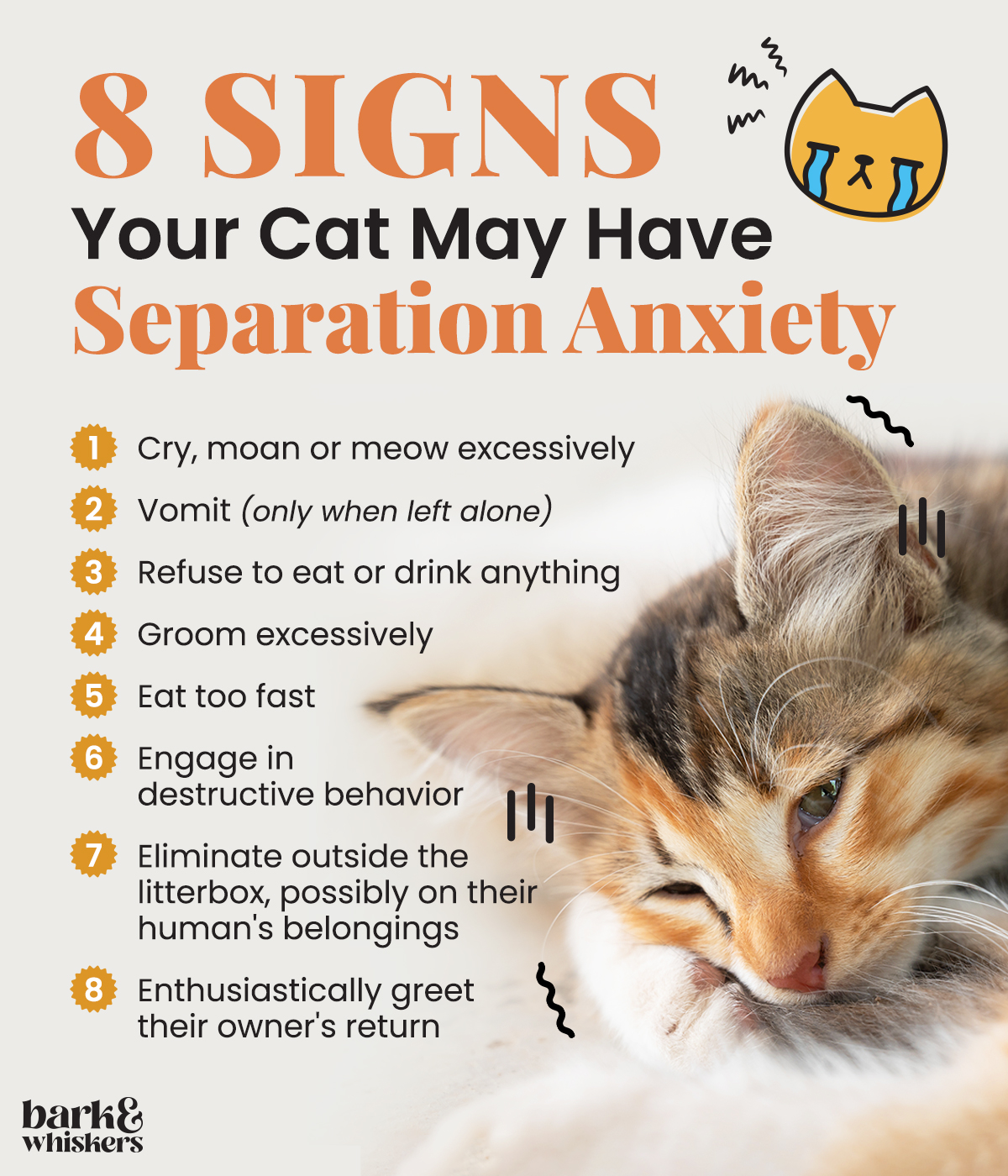
Signs Of Separation Anxiety
Cats may experience separation anxiety due to changes in their environment or routine. Signs include excessive meowing, destructive behavior, or clinginess when you prepare to leave. Understanding these behaviors helps in addressing your cat’s emotional needs.
Noticing signs of separation anxiety in your cat can be concerning, especially if you’re not sure what to look for. Your feline friend can’t verbally express their distress, but their behavior and physical health can reveal a lot about how they’re feeling. Understanding these signs will help you provide the comfort and security they need.Behavioral Changes
Cats are creatures of habit, and any change in their routine can be unsettling. If your cat starts showing signs of distress when you prepare to leave, like hiding or excessive meowing, they might be experiencing separation anxiety. You may also notice destructive behavior, like scratching furniture or knocking over objects, as a way to express their frustration or boredom. A personal experience: I once noticed my cat, Bella, starting to claw at the doorframe whenever I left the house. At first, I thought it was just a phase, but then I realized it happened every time I picked up my keys. This was her way of telling me she wasn’t comfortable with my absence.Physical Symptoms
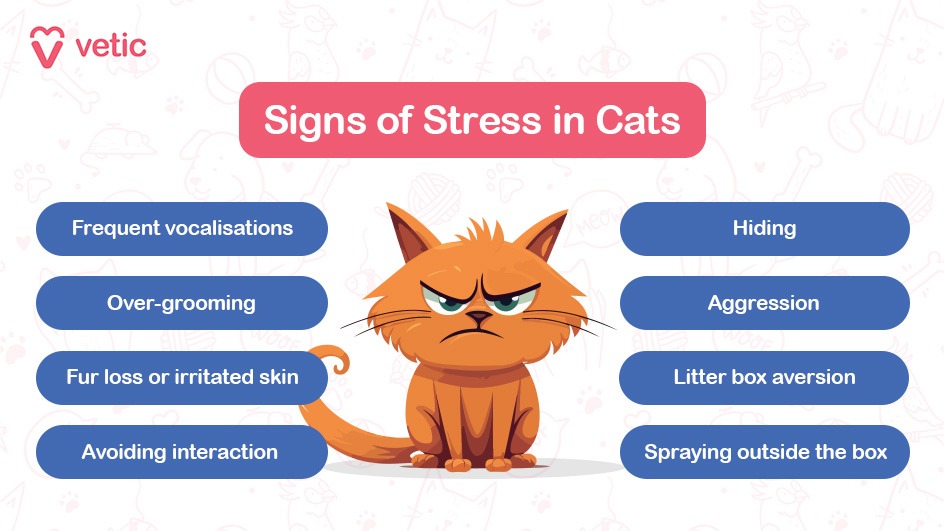
Besides behavioral changes, physical symptoms can also indicate separation anxiety in cats. Some cats might stop eating or display changes in their litter box habits, like urinating outside the box. Excessive grooming, leading to bald spots or skin irritation, is another common sign of stress. Have you ever returned home to find your cat looking unkempt, with clumps of fur missing? This could be a sign they’ve been over-grooming due to stress. Monitoring these physical symptoms is crucial as they can affect your cat’s overall health. So, what can you do to help your anxious cat? Small changes in your routine and home environment can make a big difference. Could creating a more stimulating environment or spending quality time with your cat ease their anxiety? Addressing their needs can lead to a happier, more relaxed feline companion.Causes Of Separation Anxiety
Understanding why your cat experiences separation anxiety is crucial to helping them feel secure and happy. There are several causes that can contribute to this behavior, and recognizing them can be your first step in addressing the issue.
Early Life Experiences
Cats who have had traumatic early life experiences are more prone to separation anxiety. If your cat was separated from their mother too early or if they have faced abandonment, these experiences can leave a lasting impression. Consider how your cat’s early life might shape their current behaviors. Did they come from a shelter or were they rescued from a difficult situation? These factors can deeply influence their emotional responses.
Environmental Factors
The environment your cat lives in can play a significant role in their anxiety levels. Loud noises, sudden changes, or lack of stimulation can all lead to stress. Imagine your cat living in a busy household where they struggle to find peace; this can be overwhelming for them. Have you changed your routine recently or introduced new pets or people into your home? Such changes can unsettle your feline friend.
Breed Predispositions
Some cat breeds are naturally more prone to separation anxiety. Breeds like Siamese and Burmese are known for their social nature and need for companionship. If your cat belongs to one of these breeds, they might require more attention and interaction. Think about how your cat’s breed characteristics align with their need for closeness. Is your cat constantly seeking your company or showing signs of distress when left alone?
Understanding these causes can help you tailor your approach to managing your cat’s separation anxiety. By considering their early life, environment, and breed, you can better support your furry friend and ease their anxiety. What changes can you make today to enhance your cat’s comfort and happiness?
Effects On Cat’s Health
Cats experiencing separation anxiety might show signs of stress and behavioral changes. This anxiety can lead to health issues such as loss of appetite or excessive grooming. Providing comfort and establishing a routine can help in managing their anxiety effectively.
Cats are known for their independence, but what happens when they start showing signs of separation anxiety? The effects on your cat’s health can be both emotionally and physically distressing. Understanding these impacts can help you create a nurturing environment that supports your feline friend during times of separation.Emotional Impact
Separation anxiety can lead to significant emotional distress for your cat. You might notice changes in their behavior, like increased clinginess or aggression. Cats may also become overly vocal or resort to destructive habits like scratching furniture. These emotional shifts can be unsettling for both you and your cat. Have you ever returned home to find your cat has knocked over items or scratched doors? This behavior could be a cry for attention driven by anxiety.Physical Health Risks
Anxiety doesn’t just affect your cat’s mood—it can also impact their physical health. Stress can lead to digestive issues such as vomiting or diarrhea. Your cat might also suffer from a loss of appetite, which can lead to weight loss and nutritional deficiencies. These physical symptoms can be a sign that your cat’s anxiety is affecting their overall well-being. Did you know prolonged anxiety can even weaken your cat’s immune system, making them more susceptible to illnesses? Taking action to reduce separation anxiety is crucial for maintaining your cat’s health. A simple change in routine or providing a comforting toy can make a big difference. What steps will you take to ensure your cat feels secure and loved, even when you’re not around?
Credit: www.feliway.co.uk
Diagnosing Separation Anxiety
Separation anxiety in cats can be challenging for pet owners. Understanding this condition is vital for your cat’s well-being. To diagnose separation anxiety, you need careful observation and professional help. Cats exhibit specific behaviors when stressed. Identifying these signs early can help manage their anxiety better.
Professional Assessment
A veterinarian can provide a clear diagnosis. They evaluate your cat’s health and behavior. Sometimes, anxiety may mask other health issues. A vet considers all factors to give an accurate diagnosis. This professional insight is crucial. It guides you in providing the best care for your cat.
Behavioral Observations
Observe your cat’s behavior when you leave home. Cats with separation anxiety may vocalize excessively. They might scratch furniture or urinate outside the litter box. These behaviors indicate distress. Note any changes in their routine. Consistent patterns of anxiety suggest separation issues. Document these observations for your vet. This information helps in diagnosing the problem.
Treatment Options
Treating your cat’s separation anxiety requires patience and a tailored approach. Finding the right solution depends on your cat’s unique needs. Each cat responds differently to treatments. Here, we explore various methods to help your feline friend.
Behavioral Therapy
Behavioral therapy can help ease your cat’s anxiety. Start by creating a consistent routine. Feed and play with your cat at the same times each day. Use positive reinforcement to reward calm behavior. Introduce short separations and gradually increase the time apart. This helps your cat adjust slowly. Consider consulting a professional animal behaviorist. They can offer personalized guidance.
Medication Solutions
Sometimes, medication may be necessary for severe cases. Visit your vet to discuss options. Medications can reduce anxiety and improve your cat’s quality of life. They should be used alongside behavioral therapy for best results. Always follow your vet’s instructions carefully. Never give human medications to your cat. They can be harmful or even deadly.
Environmental Adjustments
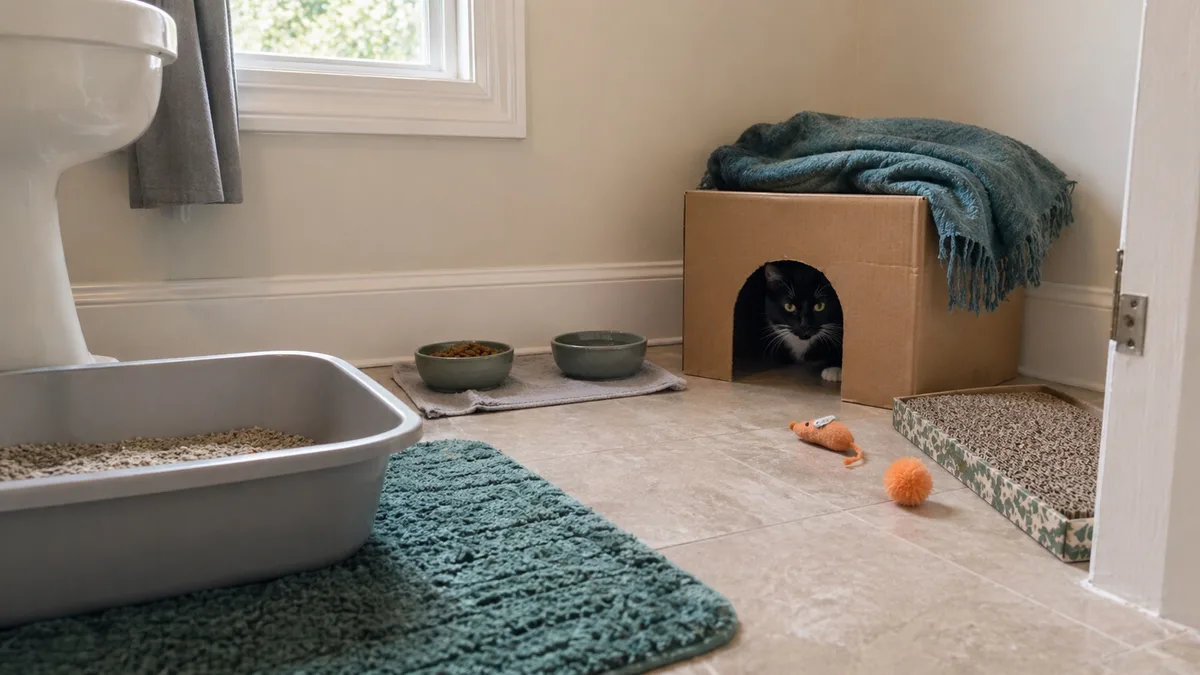
Create a safe and enriching environment for your cat. Provide toys, scratching posts, and cozy resting spots. This keeps your cat engaged and reduces boredom. Leave a piece of your clothing in their favorite spot. Your scent can provide comfort. Consider using pheromone diffusers. They mimic natural calming signals. These small changes can make a big difference.
Credit: tosvets.com
Preventing Separation Anxiety
Cats may develop separation anxiety due to changes in routine or a lack of social interaction. This anxiety can manifest in destructive behavior or excessive vocalization. Understanding the root cause helps in providing comfort and security to your feline friend.
Preventing separation anxiety in cats is crucial for their emotional well-being. As a loving cat parent, you want your feline friend to feel secure and happy even when you’re not around. By understanding and addressing potential triggers early on, you can help ensure your cat remains comfortable and content during your absences.Early Socialization
Socializing your cat early in life can make a significant difference. Encourage your kitten to interact with different people and environments. This exposure helps them develop confidence and reduces anxiety when alone. Consider arranging playdates with other cats or inviting friends over. This helps your cat get used to new faces and settings. A well-socialized cat is less likely to experience distress when left alone. Ask yourself: Is your cat comfortable around guests? If not, it might be time to introduce them to new experiences.Routine Establishment
Cats thrive on routine. Establishing a consistent schedule provides them with a sense of stability. Try to feed and play with your cat at the same times each day. Predictability in their environment helps reduce stress. It reassures your cat that their needs will be met, even when you’re not there. Have you noticed your cat getting anxious when you change your morning routine? It might be a sign they’re craving consistency. In my own experience, sticking to a simple routine made a world of difference for my anxious tabby. She calmed down significantly once she knew what to expect daily. Consider how routine changes might be affecting your cat and take steps to create a stable environment.Expert Recommendations
Understanding why your cat experiences separation anxiety can be challenging. Expert advice can offer clarity and solutions. By consulting veterinarians and behavioral specialists, you can create a comforting environment for your feline friend. Here’s what the experts suggest.
Veterinarian Advice
Veterinarians recommend starting with a thorough health check. Sometimes anxiety can stem from medical issues. Ensure your cat is healthy before addressing behavioral concerns. Consistent routines help cats feel secure. Feed and play with your cat at the same times each day.
Provide comforting items, like familiar blankets or toys. These can help ease their anxiety. Vets also suggest pheromone diffusers. These devices release calming scents that can soothe your cat.
Behavioral Specialist Tips
Behavioral specialists focus on training and environmental enrichment. They suggest gradually increasing the time spent away from your cat. Start with short absences and slowly extend them.
Interactive toys can keep your cat engaged. They distract from your absence. Create a safe space where your cat feels secure. A cozy bed in a quiet corner can work wonders.
Specialists also recommend positive reinforcement. Reward your cat with treats for calm behavior during your absence. This encourages them to feel more at ease when alone.
Frequently Asked Questions
How Do I Stop My Cat From Having Separation Anxiety?
Create a comfortable space with toys and familiar scents. Gradually increase time away to build tolerance. Use interactive play before leaving to tire them out. Provide background noise like music or TV. Consider calming products or consult a vet for severe anxiety.
Why Does My Cat Cry When I Leave?
Your cat cries when you leave due to separation anxiety. Cats form strong bonds with their owners. They miss your presence and routine. Providing toys and comfort items can help ease their stress. Consider gradually increasing alone time to help your cat adjust better.
Do Male Cats Have Separation Anxiety?
Male cats can experience separation anxiety. They may become stressed when their owners leave. Symptoms include excessive meowing, destructive behavior, or changes in appetite. Providing comforting toys or a companion can help. Consulting a vet is advisable for severe cases.
What Breed Of Cat Is Prone To Separation Anxiety?
Siamese cats are particularly prone to separation anxiety. They are social, affectionate, and crave constant companionship. Ragdolls and Burmese cats can also experience separation anxiety due to their friendly nature. Providing ample attention and interactive toys can help alleviate their stress when alone.
Conclusion
Cats can feel separation anxiety just like humans. Understanding their behavior helps. Keep their environment cozy and calm. Toys, puzzles, or a comfy bed can help. Spend quality time with them regularly. Routine provides comfort and stability. Patience and love are key to easing their stress.
A happy cat means a happy home. If anxiety continues, consult a vet. They can offer more solutions. Your furry friend deserves a worry-free life. Small changes can make a big difference. Help your cat feel safe and loved always.

Similar Posts