What Essential Oils are Not Safe for Cats: Crucial Warnings

When it comes to caring for your furry friend, understanding what essential oils are not safe for cats is crucial. You might be surprised to learn that some common oils can pose serious risks to your feline companion.
Imagine feeling confident about your pet’s well-being, knowing exactly which oils to avoid. This knowledge can help you create a safer environment, making your home a haven for your beloved cat. You’ll discover which essential oils to steer clear of and why they can be harmful.
Dive in to protect your cat from hidden dangers and make informed choices for their health and happiness.

Credit: www.pinterest.com
Common Essential Oils Harmful To Cats
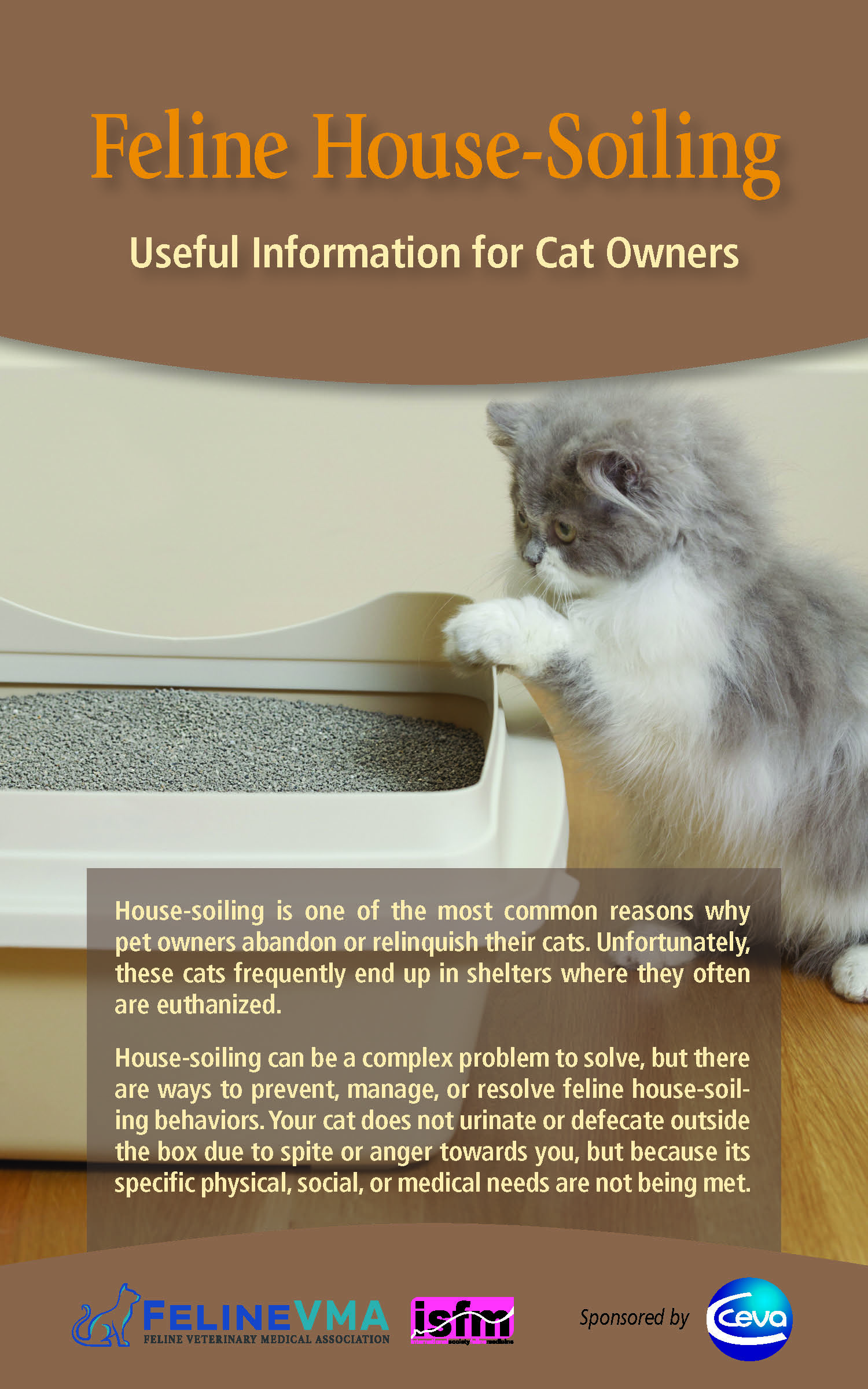
Cats are sensitive creatures, especially to certain essential oils. These oils might seem harmless to humans, but they can be toxic to cats. Understanding which oils pose a risk is crucial for every cat owner. Essential oils can enter a cat’s system through their skin, inhalation, or ingestion. This can lead to serious health issues or even death. So, let’s explore some common essential oils harmful to cats.
Tea Tree Oil
Tea tree oil is popular for its antiseptic properties. But it is highly toxic to cats. Even a small amount can lead to poisoning. Symptoms include drooling, vomiting, or weakness. Always keep tea tree oil away from cats. Never apply it directly on their skin or fur.
Eucalyptus Oil
Eucalyptus oil has a strong scent. It is often used in cleaning products and diffusers. Cats are sensitive to its compounds. Inhaling eucalyptus oil can irritate their respiratory system. It might cause breathing difficulties or lethargy. Avoid using eucalyptus oil in areas where your cat spends time.
Lavender Oil
Lavender oil seems calming, but it’s not safe for cats. Cats can experience nausea or loss of appetite from exposure. Direct contact can cause skin irritation or burns. If using lavender oil, ensure your cat cannot access it. Always prioritize your cat’s health and safety.
Symptoms Of Essential Oil Toxicity In Cats
Essential oils can pose serious risks to cats. Understanding the symptoms of toxicity is crucial for pet owners. Cats are sensitive to many essential oils. Exposure can lead to various health issues. Let’s explore the symptoms to watch out for.
Respiratory Issues
Essential oils can cause breathing problems in cats. You may notice coughing or wheezing. Heavy breathing is a major sign of distress. Cats might also seem short of breath. These symptoms need immediate attention.
Skin Irritation
Direct contact with essential oils can harm a cat’s skin. Look for redness or swelling. Your cat might scratch or lick the irritated area. Hair loss in affected spots is common. These signs indicate skin irritation.
Behavioral Changes
Essential oil toxicity can alter a cat’s behavior. Cats may become unusually lethargic. Changes in appetite can occur. Increased aggression is another symptom. Watch for unexplained behavioral shifts. These can signal a problem.
Why Cats Are Vulnerable To Essential Oils
Essential oils may seem harmless, but they can pose risks to cats. Cats have a unique physiology that makes them vulnerable. Understanding why can help protect them from harm.
Unique Metabolism
Cats have a different metabolism from humans. Their bodies process substances at a different rate. Essential oils can accumulate in their system faster. This accumulation can lead to toxicity. Cats are more sensitive to these oils than humans.
Lack Of Detoxifying Enzymes
Cats lack certain detoxifying enzymes. These enzymes help break down substances in the liver. Without them, essential oils remain in their system longer. This increases the risk of poisoning. Cats cannot eliminate these oils effectively.
Safe Alternatives For Cat Owners
Essential oils can be harmful to cats, causing serious health issues. Many oils contain compounds that cats cannot metabolize. This makes finding safe alternatives crucial for cat owners. Choosing products that are safe for cats ensures their well-being. Understanding which oils are safe and which are not is important.
Non-toxic Scents
Non-toxic scents are perfect for homes with cats. Lavender is a gentle fragrance that is safe for cats. Chamomile oil is another mild scent that poses no risk. Ensure the oils are diluted properly before use. Always choose oils that are labeled safe for pets.
Pet-friendly Products
Pet-friendly products cater to your cat’s safety. Many companies offer pet-safe essential oils. These products are formulated specifically for animal safety. They avoid harmful ingredients that can affect your cat’s health. Always read labels carefully before purchasing.
Steps To Take In Case Of Exposure
Essential oils can pose risks to cats. Understanding what to do during exposure is crucial. Cats are sensitive to many essential oils. Quick action can prevent serious harm.
Immediate Actions
First, remove your cat from the area. Open windows for ventilation. This reduces inhalation risks. If oil is on their skin, gently wash it off. Use mild soap and water. Do not scrub. Scrubbing may irritate their skin more. Monitor your cat’s behavior for signs of distress. Drooling, difficulty breathing, or lethargy need attention.
Seeking Veterinary Help
Contact a vet immediately if symptoms persist. Provide details about the oil involved. The vet needs to know the type and amount. Keep the oil bottle for reference. Follow the vet’s instructions carefully. Timely medical help can prevent complications. Better safe than sorry. Prompt action can save your cat’s life.

Credit: www.fetchpet.com
Preventive Measures For Cat Safety
Certain essential oils pose a danger to cats, including tea tree, eucalyptus, and peppermint oils. These oils can cause serious health issues if ingested or inhaled. Always ensure that these oils are kept out of reach to maintain your cat’s safety and well-being.
Protecting your feline friend from the potential harm of essential oils involves taking a few preventive measures. Cats are curious creatures, often getting into spaces you’d never expect. It’s crucial to be proactive in safeguarding their environment. You may love the aroma of essential oils, but your cat’s safety must come first. Let’s delve into two effective strategies to ensure your home is a safe haven for your furry companion.Proper Storage
Always store essential oils in a place your cat can’t access. A high shelf or a locked cabinet works well. Consider a spot that’s not only out of reach but also out of sight. Avoid leaving bottles open or unattended. Cats can easily knock things over, leading to spills. Even a small amount can be harmful if ingested or absorbed through their skin. Label your oils clearly, so you can quickly identify them. This helps prevent accidental use of the wrong oil around your pets. You wouldn’t want to confuse lavender with something more harmful.Monitoring Indoor Air Quality
Keep an eye on the air quality when using essential oils. Ventilation is key; open windows or use fans to disperse strong scents. Cats have a heightened sense of smell, and what might be mild to you can be overwhelming to them. Consider investing in an air purifier. It can help remove lingering particles from the air. This is especially useful if you’re using a diffuser. Pay attention to how your cat behaves when oils are diffused. Are they avoiding certain rooms? Do they seem more lethargic or distressed? These could be signs that the air quality is affecting them negatively. By being mindful of storage and air quality, you can create a safer environment for your cat. Have you ever had a close call with essential oils and your pet? Share your experience and what you learned from it in the comments below. Your story might help another cat owner keep their furry friend safe.
Credit: pfsprep.com
Frequently Asked Questions
What Essential Oils Are Poisonous To Cats?
Essential oils toxic to cats include tea tree, peppermint, cinnamon, citrus, eucalyptus, lavender, and pine. Cats lack enzymes to process these oils. Ingesting or inhaling these can lead to serious health issues, including liver damage. Always consult a veterinarian before using essential oils around cats.
Can I Diffuse Essential Oils Around My Cat?
Diffusing essential oils around cats can be harmful. Many oils like tea tree, lavender, and citrus are toxic. Always consult a vet before use. Opt for cat-safe oils and ensure proper ventilation to minimize risks. Prioritize your cat’s health and safety when using essential oils at home.
What Essential Oils Are Bad For Animals To Breathe In?
Essential oils harmful to animals include tea tree, eucalyptus, citrus, peppermint, pine, ylang-ylang, and clove. Ensure proper ventilation when using these oils. Avoid using them around pets to prevent respiratory issues or toxicity. Always consult a veterinarian for safe usage around animals.
What Happens If My Cat Smells Peppermint Oil?
Cats can experience irritation or toxicity from smelling peppermint oil. Symptoms may include drooling, vomiting, or difficulty breathing. Avoid using peppermint oil around cats to ensure their safety and well-being. If symptoms occur, consult a veterinarian immediately.
Conclusion
Keeping your cat safe is important. Some essential oils can be harmful. Oils like tea tree, eucalyptus, and peppermint pose risks. Cats have sensitive systems. They process oils differently than humans. Always check labels before use. Consult your vet for advice.
Knowledge keeps your furry friend healthy. Avoid risky oils to ensure their well-being. Your cat’s safety should always come first. Stay informed and make wise choices. Their health depends on it.

Similar Posts