Why are My Cats Peeing Outside the Litter Box: Causes & Fixes
Are you frustrated with finding puddles around your home instead of in your cat’s litter box? You’re not alone.
Many cat owners face the puzzling issue of their feline friends choosing to pee outside the designated area. It’s not just inconvenient; it can be a sign of underlying problems that need your attention. Imagine a future where you understand your cat’s behavior and can prevent these messy accidents.
Intrigued? Keep reading to uncover the reasons behind this behavior and discover solutions that will make both you and your furry companion happier.
Credit: ontariospca.ca
Common Causes Of Inappropriate Urination
Cats may pee outside the litter box due to stress, medical issues, or a dirty box. Changes in environment or routine can also lead to inappropriate urination. A trip to the vet can help identify the cause.
Understanding why your cat might be peeing outside the litter box can be both frustrating and puzzling. It’s a common issue that cat owners face, and it can stem from various causes. Let’s dig into some of the most common reasons behind inappropriate urination, so you can better address the problem and restore peace at home.Medical Issues
Sometimes, your cat’s litter box habits change due to medical reasons. Urinary tract infections, kidney disease, or diabetes might be causing pain or discomfort while urinating. A simple visit to the vet can rule out these conditions or get your pet on the road to recovery with the proper treatment.Behavioral Problems
Cats are creatures of habit, and a sudden change in their routine can lead to litter box aversion. They might be marking their territory or reacting to a new pet or family member. You might have noticed your cat acting out when a new kitten arrived, as a friend of mine did when her older cat started peeing on the carpet. It was his way of showing displeasure at sharing his space.Environmental Factors
The environment plays a significant role in your cat’s bathroom habits. A dirty or unappealing litter box can be a major turn-off. Ensure that the litter box is clean, placed in a quiet area, and accessible. Think about it: would you want to use a dirty bathroom? Your cat doesn’t either.Stress And Anxiety
Stress can trigger inappropriate urination. Loud noises, new furniture, or changes in your schedule can make your feline friend anxious. My own cat once started avoiding the litter box when we had construction work at home. You might need to identify and minimize these stressors to help your cat feel secure and relaxed again. Addressing these issues requires patience and observation. Which of these causes do you think might be affecting your cat? By pinpointing the root cause, you can take steps to solve the problem and ensure your cat feels comfortable using the litter box again.:strip_icc()/cat-pooping-outside-box-554017-b408bc2885e042a5a1937e7e0b183b5a.jpg)
Credit: www.thesprucepets.com
Medical Reasons For Urination Issues
Medical reasons can be a major factor why your cats might be peeing outside the litter box. Understanding these reasons is crucial for addressing the issue effectively. Health problems can cause discomfort or pain, prompting your feline friend to avoid their usual spot.
Urinary Tract Infections
Urinary tract infections (UTIs) can make urination painful for cats. If your cat is suddenly avoiding the litter box, a UTI might be the culprit. Consider scheduling a vet appointment to get a proper diagnosis and treatment.
Bladder Stones
Bladder stones can block the urinary tract, making it difficult for your cat to urinate. This can lead them to pee in unusual places. If your cat strains while peeing or if you spot blood in their urine, it’s time to consult your vet.
Kidney Disease
Kidney disease can affect your cat’s urinary habits. Cats with kidney issues might drink more and urinate more frequently. This increase in urination can lead them to seek alternative spots outside the litter box.
Diabetes
Diabetes might be another reason for your cat’s changing bathroom habits. Increased thirst and urination are common symptoms. If you notice your cat is drinking a lot more water, consider discussing diabetes testing with your vet.
Have you ever wondered what your cat would tell you if they could speak? Their actions, like avoiding the litter box, are their way of communicating discomfort. Addressing the medical reasons behind this behavior can make a world of difference for your pet’s comfort and your peace of mind.
Behavioral Factors Influencing Litter Box Usage
Cats sometimes pee outside the litter box due to behavioral reasons. Understanding these behaviors can help address the issue effectively. Cats have unique personalities and habits. Their litter box usage can be influenced by various factors. Let’s explore some common behavioral reasons why cats might avoid their litter boxes.
Territorial Marking
Cats are territorial animals. They often mark territory with urine to assert dominance. This behavior occurs especially in multi-cat households. Cats might feel threatened by other pets or new animals. Marking helps them establish boundaries. It is a way to communicate with other cats.
Litter Box Aversion
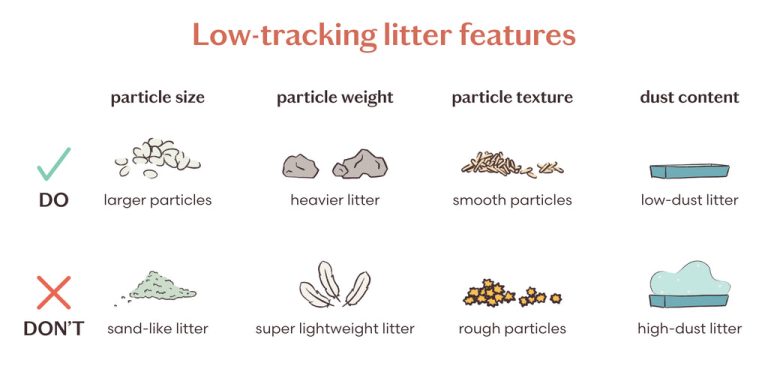
Some cats develop an aversion to their litter box. Unpleasant experiences can trigger this behavior. A dirty litter box can deter them from using it. Cats prefer clean and odor-free spaces. Inappropriate litter type can also cause aversion. Experimenting with different litters might help.
Changes In Routine
Changes in daily routine can affect a cat’s behavior. Cats are creatures of habit. New schedules or environments can cause stress. Stress can lead to litter box avoidance. Introduce changes gradually to ease the transition. Provide a calm and familiar environment for them.
Credit: microbelift.com
Impact Of Environment On Cat Behavior
Cats are sensitive to their surroundings. Small changes can affect their behavior. Peeing outside the litter box might be a sign of discomfort. Understanding environmental factors can help solve this issue.
Litter Box Location
Placement matters. Cats prefer quiet spots. Avoid noisy or crowded areas. A calm location is ideal. Try different spots to see what your cat likes. The right location encourages proper use.
Cleanliness Of The Litter Box
Cats dislike dirty litter boxes. They need a clean space. Regular cleaning is crucial. Scoop out waste daily. Wash the box weekly. A clean litter box prevents problems. It helps your cat feel comfortable.
Type Of Litter
Some cats are picky about litter. Texture and scent play a role. Test different types. Find one your cat prefers. Unscented and soft litters are often best. The right litter makes a big difference.
How Stress Affects Cat Urination
Stress is a silent but powerful factor that can influence your cat’s behavior, including where they choose to pee. When stressed, cats might avoid their litter box and urinate elsewhere as a form of expressing their discomfort. Understanding what triggers stress in cats can help you address the root cause and bring peace back to your home. Let’s dive into some common stressors and how they affect your furry friend’s urination habits.
New Family Members
Imagine you’re happily settled, and suddenly, a new family member arrives. It’s overwhelming, right? Cats feel the same way. Whether it’s a newborn baby, a new pet, or even a visiting relative, these changes can unsettle your cat. They might mark territory outside the litter box as a way to assert themselves amidst the chaos. Have you recently welcomed someone new into your home? Consider giving your cat extra attention and reassurance during this transition.
Moving Homes
A change in environment can be unsettling for anyone, and your cat is no exception. Moving homes can be a huge stressor, causing them to struggle with new surroundings. They might pee outside the litter box simply because everything feels unfamiliar and threatening. Have you moved recently? Create a cozy space for your cat with familiar objects to help them adjust. Slowly introduce them to new areas of the home.
Loud Noises
Have you ever jumped at an unexpected loud noise? Cats, with their keen sense of hearing, are even more sensitive. Thunderstorms, fireworks, or even loud music can stress them out, leading them to pee outside their litter box as a reaction. Is your home prone to sudden noises? You might consider a quiet, safe space where your cat can retreat when it all gets too much. Remember, a calm environment can go a long way in comforting your pet.
Reflect on your cat’s environment and routine. Are there stressors that might be influencing their behavior? Addressing these can lead to happier, healthier cats—and a cleaner home.
Effective Solutions For Litter Box Problems
Cats peeing outside the litter box can frustrate many cat owners. Understanding the root cause is crucial. Addressing the issue involves different strategies. These include medical, behavioral, and environmental solutions. By implementing these, you can ensure a cleaner home and a happier cat.
Medical Treatment Options
Health problems can lead to litter box issues. Urinary tract infections are common culprits. Visit a vet to rule out medical causes. They can offer treatments to alleviate discomfort. Remember, untreated health issues can worsen over time. Quick action is vital for your cat’s well-being.
Behavioral Modification Techniques
Stress can impact a cat’s bathroom habits. Identify sources of stress in your home. Cats might react to new pets or changes in routine. Address these to help your cat feel secure. Consider using pheromone diffusers. They can create a calming environment. Positive reinforcement encourages good behavior. Reward your cat when they use the litter box correctly.
Environmental Adjustments
The litter box setup can affect usage. Ensure it’s in a quiet, accessible location. Cats need privacy and space to feel comfortable. Keep the litter box clean and odor-free. Cats dislike dirty or smelly boxes. Experiment with different types of litter. Some cats have preferences for texture or scent. Adding more boxes can help in multi-cat households. Ensure each cat has their own space. This reduces territorial disputes and stress.
Preventing Future Litter Box Issues
Cats peeing outside the litter box can stem from stress, medical issues, or dislike of the box’s location. Addressing these causes helps prevent future accidents. Regular cleaning and placing the box in a quiet area can encourage proper use.
Cats peeing outside the litter box can be a frustrating experience for any pet owner. The key to solving this problem lies in prevention. By addressing potential issues before they escalate, you can maintain a harmonious household. Let’s explore some actionable steps to prevent future litter box issues.Regular Vet Check-ups
Regular vet check-ups are crucial for your cat’s health. Medical conditions like urinary tract infections or kidney issues can cause litter box avoidance. Schedule routine visits to catch any health problems early. One personal story involved my cat, Whiskers, who suddenly started peeing on my living room carpet. A vet visit revealed a minor bladder infection. With treatment, Whiskers was back to using the litter box in no time. Regular check-ups can catch such issues before they become bigger problems.Maintaining Clean Litter Boxes
Cats are notoriously clean creatures. A dirty litter box might drive them away. Clean the litter box daily to keep it fresh and inviting. Consider the type of litter you’re using. Some cats may dislike scented litter or the feel of certain materials. Experiment to find what your cat prefers, and stick with it.Reducing Stress Factors
Stress can be a major factor in litter box avoidance. Changes in the household, like a new pet or moving, can unsettle your cat. Identify stressors and try to minimize them. Provide plenty of hiding spots and quiet areas for your cat to retreat to. Interactive play can also help reduce anxiety and strengthen your bond with your feline friend. Have you noticed any changes in your home that might affect your cat’s behavior? Addressing these issues can prevent further litter box problems. By taking these proactive steps, you can ensure your cat remains comfortable and content, reducing the likelihood of future litter box issues.Frequently Asked Questions
How Do I Stop My Cat From Peeing Outside The Litter Box?
Clean the litter box regularly to keep it fresh. Ensure it’s in a quiet, private area. Use unscented litter that your cat prefers. Check for any medical issues with a vet. Encourage positive behavior by rewarding your cat when it uses the litter box.
When To Be Concerned About Cat Peeing Outside Litter Box?
Be concerned if your cat frequently pees outside the litter box. It may signal stress, urinary infections, or behavioral issues. Consult a vet if the behavior persists. Maintain clean litter boxes and monitor changes in your cat’s environment or routine to prevent recurrence.
Why Is My Cat Avoiding The Litter Box?
Cats avoid litter boxes due to stress, medical issues, or changes in environment. Dirty litter boxes can also deter them. Ensure the litter box is clean and located in a quiet spot. If the behavior continues, consult a vet to rule out any underlying health problems.
How Can I Stop My Cat From Peeing Outside?
To stop this behavior, clean any soiled areas thoroughly. Use enzymatic cleaners to eliminate odors. Ensure the litter box is appealing and regularly cleaned. Try different litter types or box designs. If the issue persists, consult a veterinarian to check for health problems.
Conclusion
Solving your cat’s litter box issues requires patience. Understand your cat’s needs. Clean the box daily. Try different litter types. Ensure the box is accessible. Observe changes in behavior. Stress affects cats. Ensure they feel safe. Consult your vet for health concerns.
Sometimes, it’s a simple fix. Other times, it needs expert help. Your cat relies on you. Comfort them. Watch for signs. Cats communicate subtly. Love and attention help them adjust. Keep experimenting. Every cat is unique. Find what works for yours.
Enjoy bonding moments. Happy cats, happy home.