Which Essential Oils are Safe for Cats: A Complete Guide
Have you ever wondered if your favorite essential oils are safe for your furry friend? As a cat owner, you want nothing but the best for your pet.
You might have heard about the calming and aromatic benefits of essential oils for humans. But when it comes to your beloved cat, things can get a bit tricky. Some essential oils can be harmful to cats, affecting their health and well-being.
You might be using them in diffusers or sprays without realizing the potential risks. Knowing which essential oils are safe for cats is crucial to ensuring their safety while enjoying the benefits yourself. Keep reading to discover the essential oils you can safely use around your cat, making your home a harmonious space for you and your feline friend.
Credit: www.amazon.com
Understanding Essential Oils
Cats can be sensitive to essential oils. Lavender and chamomile are generally safe for feline friends. Always dilute oils and consult a vet to ensure your cat’s safety. Avoid oils like tea tree and citrus, as they can be harmful.
Understanding essential oils is crucial, especially if you’re a cat owner. These potent plant extracts have surged in popularity for their numerous benefits, but not all are safe for your feline friends. You might be surprised to learn that some can be harmful, even in small amounts. It’s essential to know which ones to avoid and which are safe for your furry companion.What Are Essential Oils?
Essential oils are concentrated liquids extracted from plants. They capture the plant’s scent and flavor, also known as its “essence.” Each oil has unique chemical compounds that give it distinct properties. Have you ever used peppermint oil to freshen your space or lavender to relax? These are examples of how essential oils can influence your mood and environment. However, their potency means they must be used carefully, especially around pets.Common Uses Of Essential Oils
Essential oils are often used in aromatherapy to promote physical and emotional well-being. They are also popular in personal care products like lotions and shampoos. Some people use essential oils for cleaning due to their antibacterial properties. A few drops of lemon oil can make your home smell fresh and clean. But here’s a question: Have you considered how these oils affect your pets? Cats are particularly sensitive to certain oils. Understanding which oils are safe can prevent unwanted health issues. Think about the essential oils you currently use. Are they safe for your feline friend? By learning more about essential oils, you can create a safer environment for both you and your cat.
Credit: www.cbc.ca
Essential Oils And Cat Safety
Essential oils are popular for their aromatic and therapeutic benefits. Many pet owners use them to enhance their living spaces. But not all essential oils are safe for cats. Cats are more sensitive to these oils than other animals. Understanding which oils are harmful is crucial. This knowledge helps protect your feline friends.
Why Cats Are Sensitive To Essential Oils
Cats have unique liver enzymes. These enzymes process toxins differently. Unlike humans, cats lack certain enzymes. This makes it difficult for them to break down essential oils. Their bodies can accumulate harmful substances quickly. Even small amounts can pose a risk. Cats’ skin absorbs oils faster than humans. Inhalation is another concern. Their respiratory system is delicate. Exposure to strong scents can lead to complications.
Symptoms Of Essential Oil Toxicity In Cats
Recognizing toxicity symptoms is vital. Cats may show signs of drooling or vomiting. They might seem lethargic or uncoordinated. You might notice breathing difficulties. Some cats develop skin irritation or redness. Seizures can occur in severe cases. Early detection is key. Watch for these signs if oils are present.
Safe Essential Oils For Cats
Many cat owners are curious about using essential oils around their feline friends, but safety is a major concern. Cats have a unique metabolism that makes them more sensitive to certain substances. If you’re looking to introduce essential oils into your home, it’s crucial to know which ones are safe for your cat.
Lavender Oil
Lavender oil is a gentle option that many cat owners find beneficial. It’s known for its calming properties, which can help soothe anxious cats. I remember when my cat, Luna, was stressed during a move. A diffuser with diluted lavender oil created a serene environment that helped her relax.
However, always ensure the oil is well-diluted and used in a well-ventilated space. Direct contact or ingestion should be avoided to prevent any adverse reactions. Have you noticed your cat’s behavior change during stressful situations? Lavender oil might be worth a try.
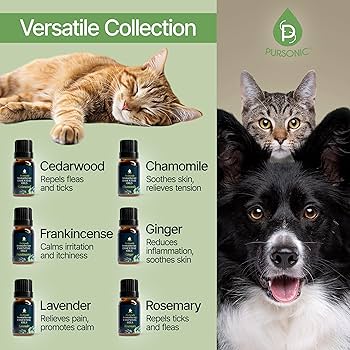
Cedarwood Oil
Cedarwood oil is another safe choice for cats, offering a natural way to repel insects. Its earthy scent can also be refreshing and invigorating. I’ve personally used cedarwood oil in my home to ward off fleas, and it doubled as a pleasant aroma enhancer.
Ensure the oil is diluted properly and avoid using it excessively. Too much of a good thing might not be beneficial for your furry friend. Are you looking for a natural insect repellent that’s safe for your cat? Cedarwood oil could be a perfect fit.
Chamomile Oil
Chamomile oil is renowned for its soothing qualities, not just for humans but also for cats. It can help calm a restless cat, making it a great choice for cats who have difficulty settling at night. I once used chamomile oil to help a friend’s cat who was recovering from surgery. The calming effect made a noticeable difference in the cat’s comfort level.
Always ensure it’s used in small amounts and well-diluted. Monitoring your cat’s reaction is key. Have you ever tried chamomile tea for relaxation? Your cat might appreciate the benefits of chamomile oil just as much.
When using any essential oil, it’s important to observe your cat’s behavior closely. Each cat is unique and may react differently. Always prioritize their health and well-being.
Credit: www.hannegrice.com
Essential Oils To Avoid
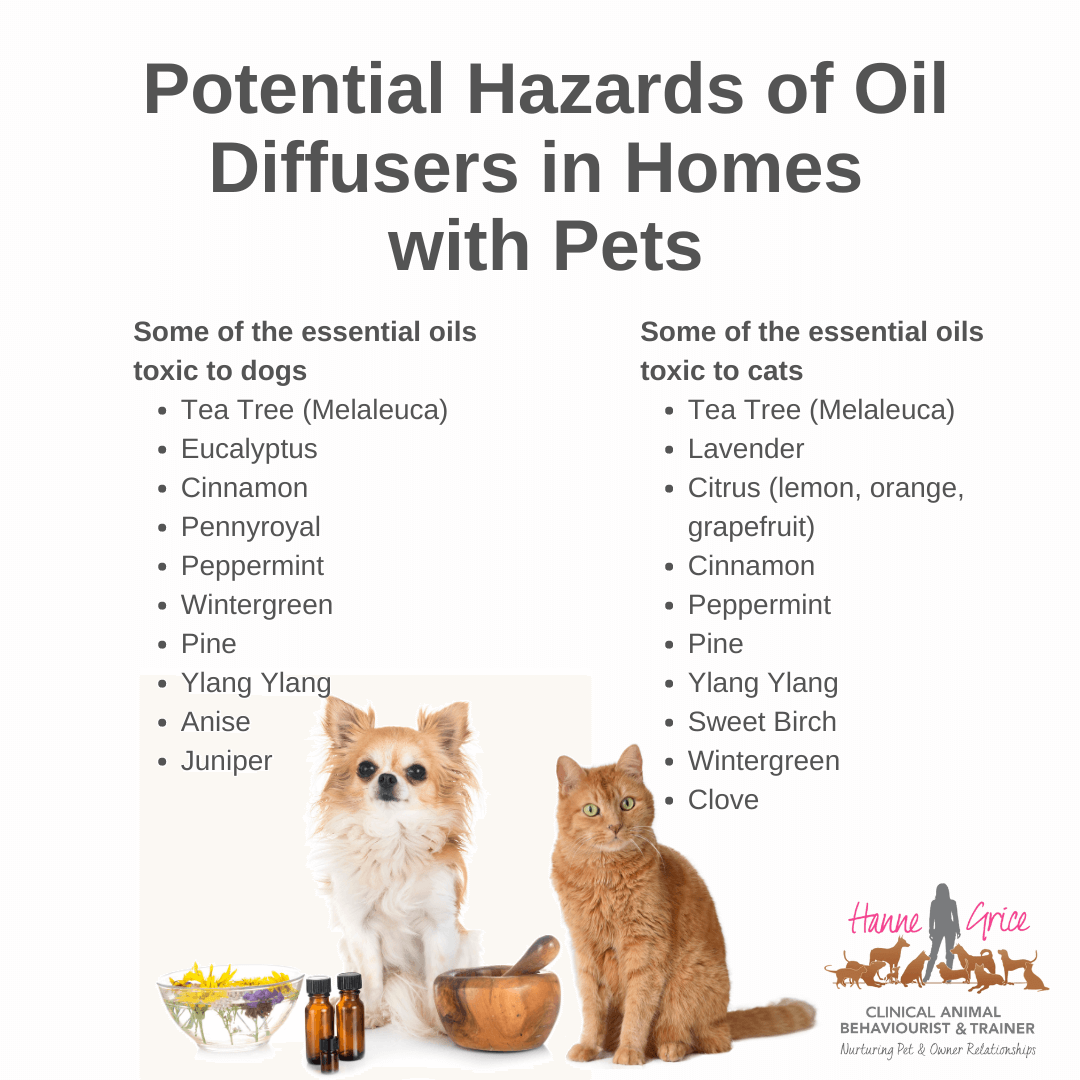
Cats can be sensitive to certain essential oils. Lavender, chamomile, and cedarwood are generally safe options. Avoid oils like tea tree, eucalyptus, and citrus, which can be harmful. Always ensure proper dilution and consult a vet for safety.
Essential oils have gained popularity for their aromatic and therapeutic benefits. While these oils can be beneficial for humans, some are harmful to cats. Cats lack certain enzymes to safely metabolize oils. This makes them sensitive to specific essential oils. It’s crucial to know which oils can harm your feline friends. Understanding these oils can help prevent health issues in cats.Tea Tree Oil
Tea tree oil is known for its antibacterial properties. It’s commonly used in skin care products. Yet, it’s toxic to cats. Even small amounts can cause serious harm. Symptoms include weakness, tremors, or even seizures. Avoid using tea tree oil around cats. Their safety should always be a priority.Eucalyptus Oil
Eucalyptus oil has a refreshing scent. Many people enjoy using it in diffusers. Cats, unfortunately, do not share this enjoyment. Eucalyptus oil can lead to respiratory issues in cats. Exposure may cause drooling, vomiting, or difficulty breathing. Keep eucalyptus oil out of reach of your pets. Their health could be at risk.Citrus Oils
Citrus oils are popular for their uplifting aroma. They are extracted from oranges, lemons, and limes. Citrus oils can be harmful to cats. Cats find the scent overpowering and unpleasant. Ingestion can lead to vomiting and diarrhea. Skin exposure might cause irritation or burns. It’s best to avoid citrus oils in cat-friendly spaces. Protect your cat from potential hazards.Using Essential Oils Around Cats
Choosing essential oils safe for cats is important. Lavender, chamomile, and frankincense are generally safe options. Always ensure proper dilution and consult with a vet to protect your furry friend’s health.
Using essential oils around cats requires careful consideration. Cats are sensitive to many substances, including essential oils. It’s important to use them safely to avoid harm. Understanding proper methods and practices is vital.Dilution And Application Methods
Always dilute essential oils before use. Undiluted oils can be harmful to cats. A small amount of oil in a carrier oil is safer. Use a ratio of one drop of essential oil to a teaspoon of carrier oil. Apply only to areas cats cannot reach. Avoid paws, face, and belly. Choose oils known to be safe. Chamomile and lavender are gentle options. Never apply directly on your cat’s fur or skin.Safe Diffusion Practices
Diffusing oils in the home can be safe. Use a diffuser in a well-ventilated room. Limit diffusion time to short periods. Ensure your cat can leave the room. Keep the diffuser away from your cat’s resting area. Select oils that are safe for cats. Avoid strong oils like tea tree and peppermint. Use gentle oils like cedarwood or rose. Always observe your cat for signs of discomfort. Discontinue use if any negative reactions occur.Consulting With Veterinarians
Consulting with veterinarians ensures the safe use of essential oils for cats. Some oils can harm pets. Expert advice helps identify cat-friendly options, promoting their well-being. Always prioritize your cat’s health by choosing oils with care.
Consulting with veterinarians is an essential step when considering the use of essential oils around your feline friends. Cats have unique metabolisms, and what’s safe for a human or even a dog might not be safe for them. A vet can offer you personalized advice, ensuring the safety and well-being of your cat. You might have heard stories of people using essential oils at home without issues, but remember, every cat is different. Consulting a professional can save you and your pet from potential health risks.When To Seek Professional Advice
It’s important to know when to reach out to a veterinarian. If you’re planning to introduce a new essential oil into your home environment, a vet can guide you on its safety for your cat. Have you noticed any changes in your cat’s behavior or health after using essential oils? This is a crucial time to consult your vet. They can help identify if the oils might be the cause. Your cat might have specific health conditions that make them more sensitive to certain substances. A vet can advise you on which oils to avoid. Don’t wait until you see signs of distress. Being proactive can prevent unnecessary complications.Questions To Ask Your Vet
When you visit your veterinarian, be prepared with questions. What essential oils are known to be toxic to cats? Knowing this can help you avoid common pitfalls. Ask about safe usage practices, such as diffusing oils versus applying them topically. It’s also useful to inquire about symptoms of essential oil poisoning in cats. Understanding these signs can help you act quickly if your cat is exposed. Ask if there are any specific brands they recommend or if there are any recent studies on essential oils and cat health. This ensures you have the most up-to-date information. Have you ever been surprised by your cat’s reaction to something you thought was harmless? Use this opportunity to discuss similar experiences with your vet. Their expertise can offer insights you might not have considered.Alternative Solutions For Cat Care
Many cat owners seek natural solutions for their feline friends. Essential oils offer some benefits, but not all are safe for cats. It’s essential to explore alternative solutions. These include herbal remedies and non-toxic cleaning options. They provide a safe environment for your cat.
Herbal Remedies
Herbs can be a gentle way to support cat health. Chamomile soothes and calms anxious cats. It can be used in small amounts. Catnip is another favorite. It entertains and relaxes cats. Valerian root can help ease stress and tension. Always consult a vet before introducing new herbs. Safety should always come first.
Non-toxic Cleaning Options
Many household cleaners contain harmful chemicals. These can be dangerous for cats. Choose non-toxic cleaning options to keep your home safe. Vinegar is an excellent natural cleaner. It cuts through grime without harming pets. Baking soda is another safe choice. It absorbs odors and freshens spaces. Always keep your cat’s safety in mind. Use products that ensure their well-being.
Frequently Asked Questions
Which Essential Oil Is Safe To Use Around Cats?
Lavender essential oil is generally considered safe for use around cats. Always dilute and use in moderation. Avoid direct contact with your cat, and ensure proper ventilation. Consult your veterinarian before introducing any essential oils to your home environment.
Can Cats Be In The Same Room As Essential Oils?
Cats should avoid being in the same room as essential oils. Some oils can be toxic to them. Ensure proper ventilation if using oils. Always consult a vet before introducing new scents around cats. Prioritize their safety to prevent potential health issues.
What Is The Best Calming Oil For Cats?
The best calming oil for cats is lavender essential oil. It naturally reduces stress and anxiety in cats. Always dilute it properly before use. Consult a vet before introducing any new product to your cat’s routine.
What Essential Oil Is Safe For Cats But Kills Fleas?
Cedarwood essential oil is safe for cats and effective against fleas. It naturally repels and kills fleas without harming your pet. Always dilute the oil and consult a vet before use to ensure safety. Cedarwood’s flea-killing properties make it a popular choice for pet owners.
Conclusion
Ensuring cat safety with essential oils is crucial. Only use cat-safe oils. Lavender and chamomile are generally safe choices. Always dilute oils before use. Avoid oils like tea tree and eucalyptus. These can harm your cat. Use essential oils in moderation.
Observe your cat’s reactions closely. If unsure, consult your vet. Their guidance can ensure safety. Prioritize your cat’s well-being above all. Making informed choices protects your furry friend. Safe practices lead to a happy pet. Always stay informed and cautious.
Your cat’s health depends on it. Keep learning about essential oils for pets. Stay proactive and caring.