What is Cat Litter Box: Essential Guide for Pet Owners
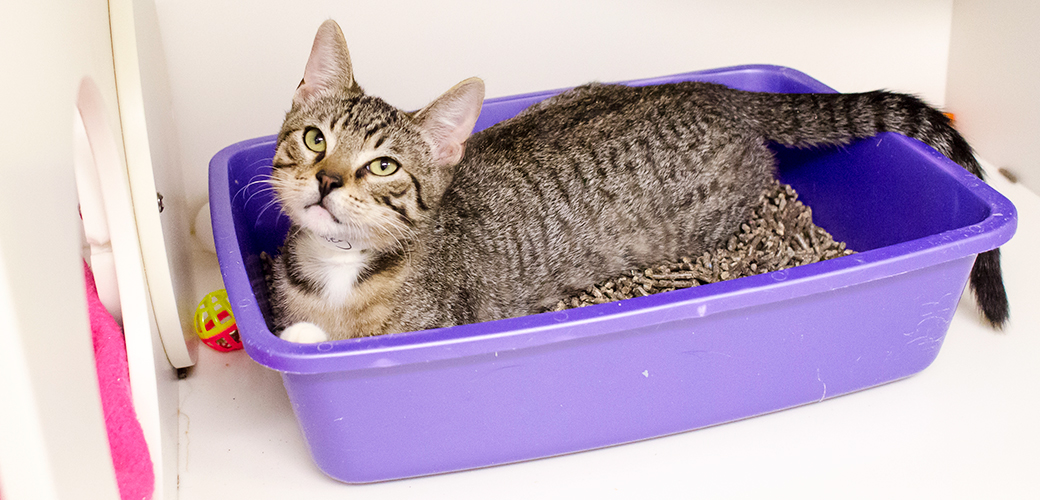
Imagine your beloved feline friend, happily exploring its domain, but suddenly faced with the dilemma of where to go when nature calls. That’s where a cat litter box comes into play.
You might think it’s just a box filled with sand or pellets, but there’s so much more to it. This seemingly simple tool is essential for maintaining a clean and odor-free home, ensuring your cat’s comfort, and even safeguarding their health.
As a cat owner, understanding the nuances of a cat litter box can transform your everyday experience, making life easier for both you and your furry companion. Why settle for the ordinary, when you can master the art of choosing, maintaining, and optimizing the best litter box for your cat? Dive in to uncover everything you need to know about cat litter boxes, and discover how this knowledge can enhance your life and your cat’s happiness.
Types Of Cat Litter Boxes
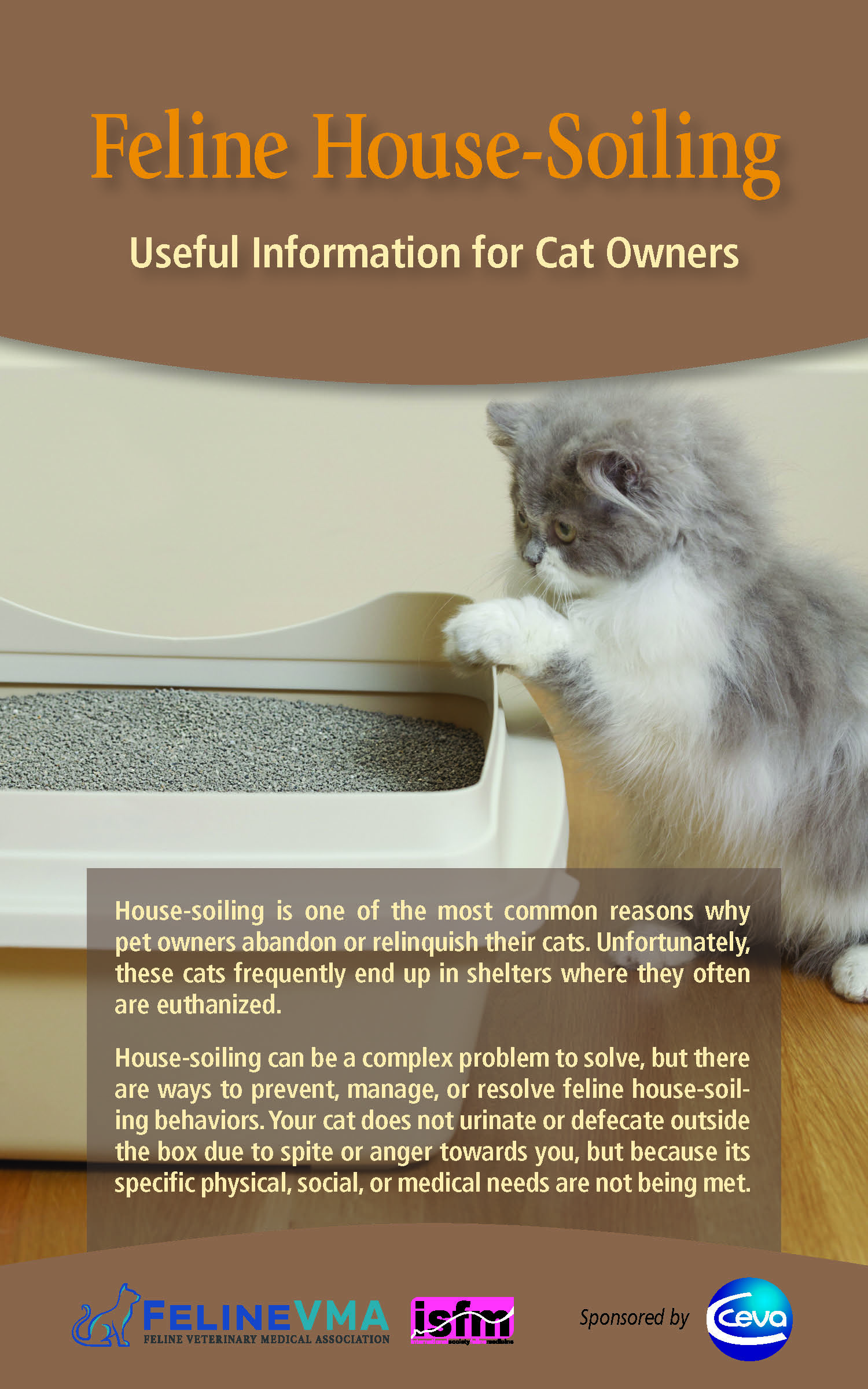
A cat litter box is essential for indoor cats to manage their bathroom needs. Various types include open, covered, and self-cleaning litter boxes, each offering unique benefits like odor control and privacy. Choose based on your cat’s preferences and your home environment.
Choosing the right cat litter box can make a world of difference for both you and your feline friend. With various types available, it can be daunting to pick the one that suits your cat’s needs and your home setup. Each type has its own set of benefits and challenges. Let’s take a look at the different types of cat litter boxes to help you make an informed decision.Open Litter Boxes
Open litter boxes are the simplest and most traditional option. They are easy to clean and give your cat plenty of space to move around. However, they can lead to more mess around the box, as there’s nothing to contain the litter your cat kicks out. For those who want a straightforward solution and don’t mind a little extra cleaning, open litter boxes can be a great choice. Remember to place them in a low-traffic area to give your cat a sense of privacy.Covered Litter Boxes
Covered litter boxes provide your cat with privacy and help contain odors. They come with a hood or cover, which can be a blessing if you have a cat that loves to dig. However, some cats may feel trapped inside. Consider your cat’s personality. If your pet is a little shy or you want to reduce the spread of litter, a covered box might be ideal. Ensure the cover is easily removable for cleaning and check that your cat is comfortable using it.Self-cleaning Litter Boxes
Self-cleaning litter boxes are a dream for busy pet owners. They automatically clean the litter after your cat uses it, saving you time and effort. However, they can be more expensive and may require specific types of litter. Are you someone who struggles to keep up with daily cleaning? This could be the solution you’re looking for. Keep in mind that some cats may need time to adjust to the noise or motion of self-cleaning boxes.Disposable Litter Boxes
Disposable litter boxes are great for travel or temporary situations. Made from biodegradable materials, they offer convenience and are eco-friendly. However, they may not be as sturdy as traditional boxes. If you’re on the move or need a quick fix, disposable litter boxes are a practical option. They are also perfect for those times when you need to set up an extra box in a pinch. Just remember to dispose of them responsibly. Ultimately, the right cat litter box depends on your cat’s preferences and your lifestyle. Have you considered trying a different type to see if it makes a difference?
Credit: www.amazon.com
Choosing The Right Size
Choosing the right size cat litter box can greatly impact your cat’s comfort. A well-sized litter box ensures your cat feels secure and relaxed. It also helps maintain cleanliness in your home. Consider the following aspects to find the perfect fit for your feline friend.
Consider Your Cat’s Size
Think about your cat’s size before selecting a litter box. A small box may not offer enough space for larger cats. They need room to move and turn around. A larger cat might feel cramped in a tiny box. Larger boxes are ideal for big cats. They provide comfort and ease of use.
Space Availability In Home
Assess the space you have available at home. A litter box should fit comfortably in its designated spot. It should not obstruct pathways or other areas. Measure the space before buying a litter box. Ensure it leaves room for your cat to enter and exit easily. A cluttered area can stress your cat. A well-placed box promotes a happy, relaxed environment.
Material Options
Choosing the right material for a cat litter box affects its durability and cleanliness. Plastic is lightweight and easy to clean, while stainless steel resists odor and bacteria. Silicone offers flexibility and is often used for liners. Each option caters to different needs, ensuring convenience and hygiene.
When choosing the perfect cat litter box, the material plays a crucial role in its functionality and durability. You might be surprised by the variety available! Each material type has its pros and cons, and your choice can affect both your cat’s comfort and your cleaning routine. Let’s dive into some popular options and see what might be the best fit for your feline friend.Plastic Litter Boxes
Plastic litter boxes are popular due to their affordability and lightweight nature. They’re easy to clean, which is a blessing for those frequent scooping sessions. However, they can absorb odors over time, especially if not cleaned regularly. If your cat is a digger, scratches might also appear, making it harder to maintain hygiene.Metal Litter Boxes
Metal litter boxes might not be as common, but they offer unique benefits. They are incredibly durable, resistant to scratches, and don’t absorb odors. Imagine not worrying about replacing your litter box every year! Yet, they can be heavier and more expensive. Consider if the benefits outweigh the cost for you.Eco-friendly Alternatives
Are you environmentally conscious? Eco-friendly alternatives like biodegradable boxes made from recycled materials might catch your interest. These options often use sustainable resources, providing a greener choice. While they help reduce your carbon footprint, they might require more frequent replacement. Do you value sustainability enough to invest in these options? Choosing the right material for your cat’s litter box is more than just a decision; it’s about enhancing your pet’s comfort and ensuring convenience for you. Which material resonates with your values and lifestyle?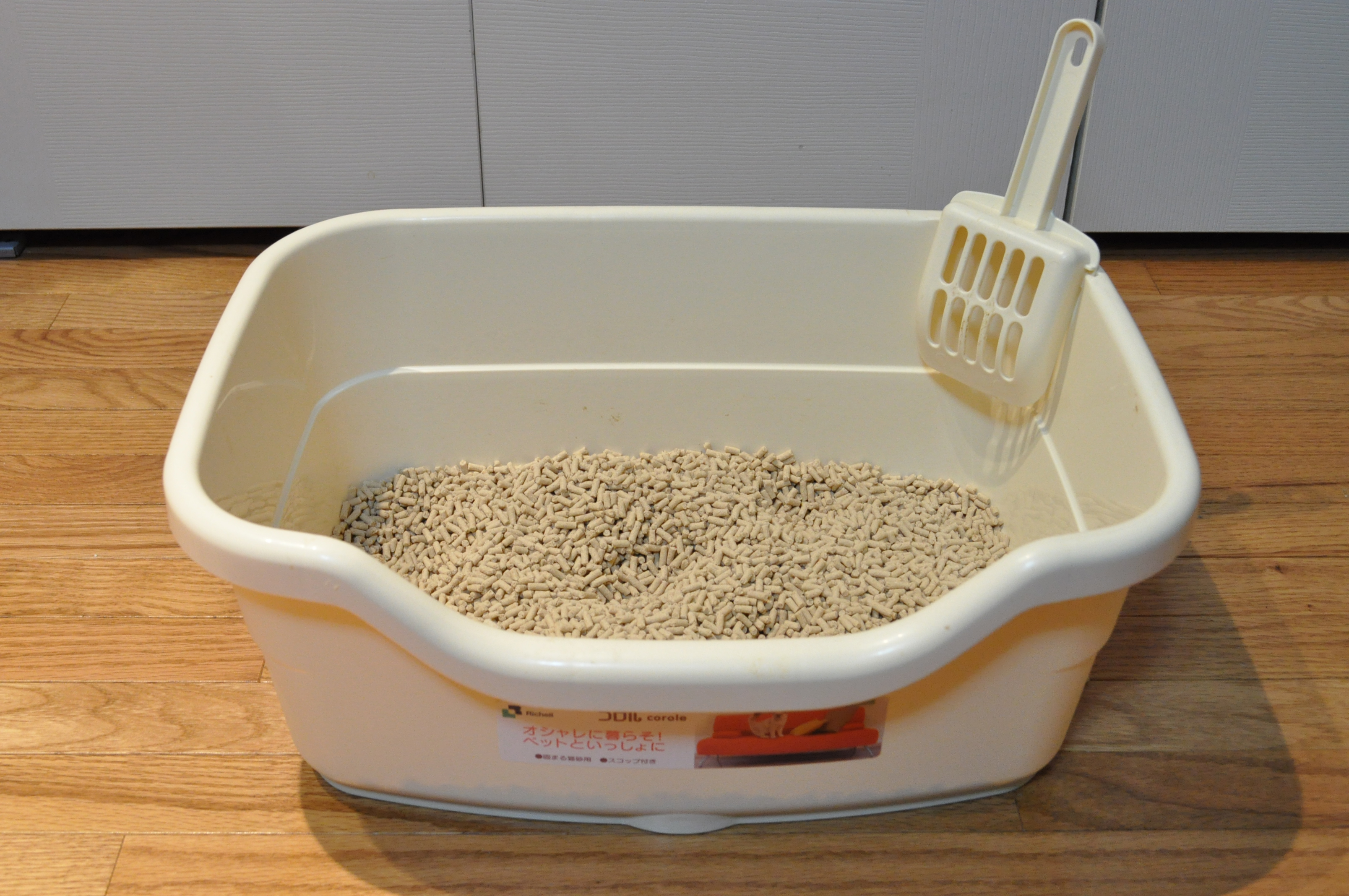
Credit: en.wikipedia.org
Litter Types
Choosing the right cat litter can be a game-changer in keeping your home clean and odor-free. With a variety of litter types available, understanding the differences can help you make the best choice for your feline friend. Let’s dive into the various options to find out which suits your lifestyle and your cat’s preferences.
Clumping Vs. Non-clumping
Clumping litter is favored by many cat owners for its convenience. When your cat uses the litter box, the waste forms solid clumps that are easy to scoop out. This makes daily cleaning a breeze.
Non-clumping litter, on the other hand, absorbs moisture but doesn’t form clumps. You might find it less convenient since it requires more frequent changes to keep the box fresh.
Consider your schedule and how much time you want to spend cleaning. Would a quick scoop each day fit better into your routine?
Silica Gel Litter
Silica gel litter is known for its excellent odor control and long-lasting properties. These little crystals absorb moisture and trap odors, making them popular among busy households.
If you’re looking for a low-maintenance option, silica gel could be your answer. You might change the litter less often, saving you time and effort.
However, some cats may dislike the texture under their paws. Does your cat show any signs of discomfort or hesitation when using it?
Natural And Biodegradable Options
For the environmentally conscious pet owner, natural and biodegradable litters offer a guilt-free choice. Made from materials like corn, wheat, or recycled paper, these options break down easily and have less impact on the planet.
These litters often appeal to cats with sensitive skin or allergies, providing a safer alternative to chemical-laden products. You might also appreciate their gentle scent.
Are you willing to experiment with natural litters to support a sustainable lifestyle while ensuring your cat’s comfort?
Placement Tips
Choosing the right spot for your cat litter box is crucial. It affects both your cat’s comfort and your home’s cleanliness. The placement should encourage your cat to use the box regularly. Consider these tips for optimal litter box placement.
Quiet And Private Locations
Cats prefer quiet places for their litter boxes. These areas allow them privacy and reduce stress. A quiet corner in a room is ideal. Avoid placing the box near noisy appliances. Loud sounds can scare your cat. A peaceful spot helps your cat feel secure.
Avoiding High Traffic Areas
High traffic areas are not suitable for litter boxes. Cats may feel uncomfortable with frequent movement around them. Busy areas can distract them and lead to accidents. Choose a calm area away from foot traffic. This ensures your cat can use the box without disturbance.
Accessibility Considerations
Ensure the litter box is easy for your cat to access. An accessible location makes it convenient for your cat to use. Avoid placing the box in hard-to-reach spots. The box should be on a flat surface. This helps prevent spills and keeps the area clean.
Cleaning And Maintenance
A cat litter box serves as a designated space for cats to relieve themselves indoors. Regular cleaning and maintenance prevent unpleasant odors and ensure a hygienic environment for both pets and owners. Proper upkeep involves scooping daily and changing the litter as needed.
Cleaning and maintaining your cat’s litter box is crucial for your feline’s health and happiness. It might seem like a tedious chore, but it’s a small task that can have a big impact. A well-maintained litter box ensures your home stays fresh and your cat feels comfortable.Regular Scooping
Regular scooping is the backbone of litter box maintenance. Aim to scoop the litter box at least once a day. This keeps the litter clean and prevents unpleasant odors from building up. Consider it a daily ritual—just like feeding your cat. The few minutes you spend scooping can save you from dealing with bigger messes later. Plus, a clean litter box encourages your cat to use it consistently.Deep Cleaning Schedule
Beyond daily scooping, a deep cleaning schedule is vital. Plan to empty and wash the litter box every couple of weeks. Use mild soap and warm water to scrub the box thoroughly. Don’t forget to dry it completely before refilling with fresh litter. This prevents dampness, which can lead to odor and bacteria growth. Mark your calendar to keep this routine consistent.Odor Control Methods
Odor control is a common concern for pet owners. There are simple methods to manage and reduce litter box smells. Choose a high-quality, clumping litter that neutralizes odors effectively. You might also consider using baking soda as an additional odor absorber. Sprinkle a thin layer on the bottom of the litter box before adding fresh litter. Some cat owners find that placing the litter box in a well-ventilated area makes a difference too. How do you handle litter box maintenance? Share your tips and tricks in the comments below!Training Your Cat
A cat litter box is essential for indoor cats. It provides a designated space for them to relieve themselves. Cleanliness and proper location ensure your cat uses it consistently.
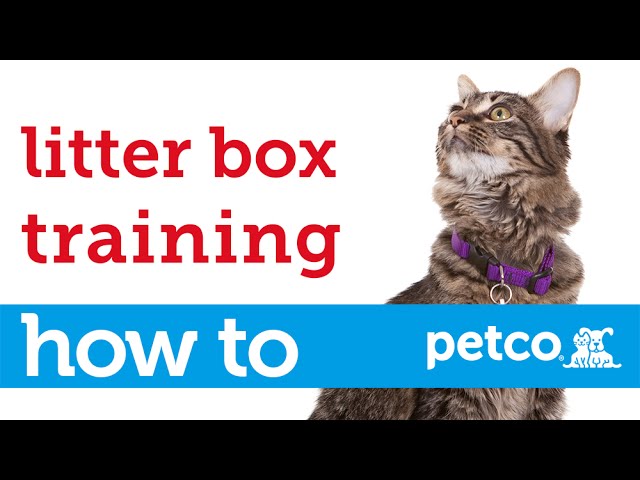
Training your cat to use a litter box can be simple. Cats have natural instincts to bury their waste. With patience, you can guide them to use the litter box regularly. This process involves introducing the litter box, encouraging consistent use, and troubleshooting common issues.Introducing The Litter Box
Start by placing the litter box in a quiet spot. Cats prefer privacy while doing their business. Ensure the area is easily accessible and away from their food. Show the box to your cat. Gently place them inside to familiarize them. They might sniff around or dig at first. This is normal behavior. Praise any interest they show. Positive reinforcement helps them associate the box with good feelings.Encouraging Consistent Use
Consistency is key in training. Keep the litter box clean. Cats dislike dirty spaces. Scoop out waste daily to maintain hygiene. After meals, guide your cat to the box. This reinforces the habit. Observe their behavior closely. If they start sniffing or scratching around, it’s a sign. Gently place them in the box. Encourage them with gentle words and soft strokes.Troubleshooting Common Issues
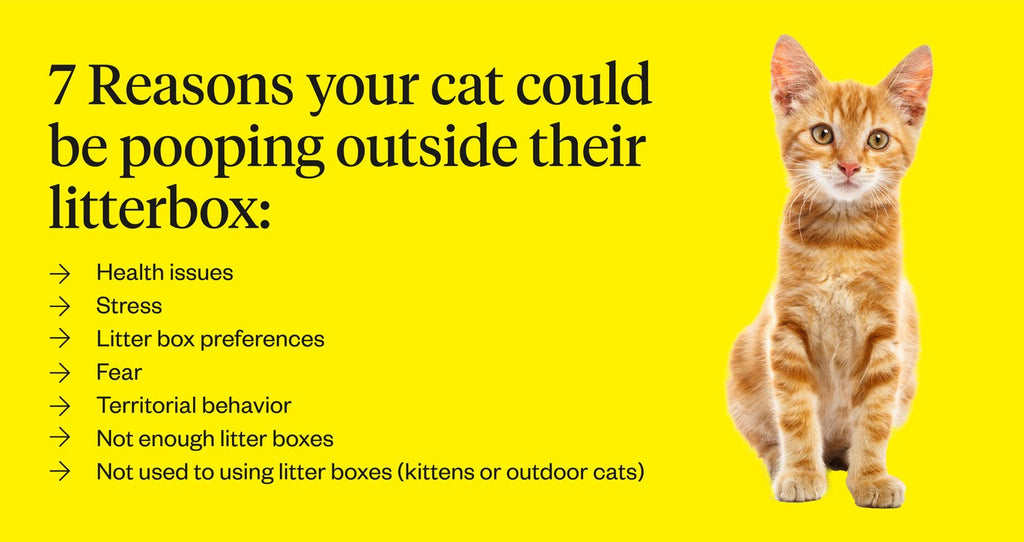
Sometimes, cats may avoid the litter box. Check if the box is clean and odor-free. Ensure the litter type is comfortable for their paws. Some cats prefer unscented litter. If problems persist, consult a vet. Health issues can affect litter box habits. Stress or changes in the home environment can also play a role. Address any changes that may affect their comfort.Health Benefits
Cat litter boxes offer more than just a place for cats to relieve themselves. They play a vital role in maintaining feline health. This section explores the health benefits of using a litter box. It highlights how they aid in monitoring, preventing, and reducing stress.
Monitoring Cat Health
Observing your cat’s litter box habits can reveal health issues. Changes in frequency or consistency may indicate illness. Spotting these early signs helps ensure prompt veterinary care.
Preventing Urinary Issues
A clean litter box encourages regular use. Cats avoid dirty boxes, which can lead to urinary problems. Regular cleaning reduces the risk of infections and discomfort.
Reducing Stress For Cats
Cats thrive in clean environments. A well-maintained litter box reduces stress. It provides a safe space for them to relieve themselves comfortably. Stress-free cats are happier and healthier.
Common Mistakes
Setting up a cat litter box seems simple. Yet many make common mistakes that affect both pets and owners. These errors can lead to unpleasant experiences. They might even cause health issues for cats. Understanding these mistakes can help you create a better environment for your furry friend.
Choosing The Wrong Location
Location matters a lot for a litter box. Placing it in a noisy spot can stress your cat. Avoid areas with heavy foot traffic or loud sounds. Cats prefer quiet, private places. This helps them feel safe and relaxed. A calm location encourages consistent use.
Neglecting Regular Cleaning
A clean litter box is crucial for your cat’s health. Cats dislike dirty boxes and might refuse to use them. Scoop out waste daily to keep it fresh. Change the litter weekly for best results. Regular cleaning prevents odor build-up. It also keeps your home smelling fresh.
Overcrowding In Multi-cat Homes
Each cat needs its own litter box. Sharing can lead to stress and fighting. Cats value their personal space. Provide one box per cat, plus one extra. This prevents territorial disputes and ensures harmony. More boxes mean less mess and happier cats.

Credit: en.wikipedia.org
Frequently Asked Questions
What Does A Cat Litter Box Do?
A cat litter box provides a designated space for cats to urinate and defecate indoors. It helps contain odors and mess, making it easier to clean and maintain a hygienic home environment. Litter boxes also cater to a cat’s natural instinct to bury their waste.
Why Do Cats Need A Litterbox?
Cats need litterboxes to manage their waste efficiently indoors. Litterboxes cater to their instinctive need to bury waste, ensuring hygiene. Providing a litterbox prevents accidents and promotes a clean home environment. Cats feel comfortable and safe using a designated area for elimination.
Regular cleaning maintains a healthy space for them.
Do Cats Use A Litter Box To Pee?
Yes, cats typically use a litter box to pee. They are naturally clean animals and prefer designated areas. Ensure the litter box is clean and accessible for best results. Training kittens early can help them develop good habits. Proper litter box maintenance ensures a healthy environment for your cat.
What Is Cat Litter Made Out Of?
Cat litter is commonly made from clay, silica gel, or recycled paper. Clay litters are absorbent and clump well. Silica gel offers moisture control and odor reduction. Recycled paper is eco-friendly and non-clumping. Each type caters to different needs, ensuring pets stay clean and comfortable.
Conclusion
A cat litter box is essential for every cat owner. It keeps your home clean. Cats feel safe using it. Choosing the right box matters. Think about size, material, and design. Clean it regularly to avoid smells. A good litter box makes your cat happy.
It also keeps your space tidy. Find what suits your cat best. Enjoy a clean home with a happy cat. Remember, a clean box means a healthy cat. Keep your cat’s needs in mind. Make the litter box part of your routine.
It’s worth the effort for both you and your cat.

Similar Posts