What is the Largest Breed of Cats: Discover the Majestic Giant

Have you ever wondered which breed of cats holds the title of the largest? If you have a passion for cats or are considering adding a new feline friend to your home, understanding the different breeds can be fascinating.
Picture a cat so large and majestic that it captures the attention of everyone who crosses its path. Imagine having a gentle giant that’s full of personality and charm, a cat that stands out in any room. By the end of this article, you’ll discover which breed reigns supreme in size and why they might be the perfect fit for you.
So, if you’re curious about the largest breed of cats and what makes them so special, keep reading. You might just find your new favorite feline friend.
Maine Coon: The Gentle Giant
Maine Coon cats are the largest domestic cat breed, known for their impressive size and gentle nature. These majestic felines can weigh up to 18 pounds and boast a long, bushy tail. Their friendly demeanor makes them a popular choice among cat lovers.
Maine Coon: The Gentle Giant The Maine Coon is often referred to as the “Gentle Giant” of the cat world, and for good reason. With their large stature and friendly demeanor, these cats are a favorite among families and cat enthusiasts alike. Their unique combination of size, intelligence, and sociable nature makes them stand out in the feline world. What Makes the Maine Coon the Largest Breed? Maine Coons can weigh anywhere from 10 to 25 pounds, with some males even surpassing that. Their bodies are long and muscular, complemented by a bushy tail that can almost equal their body length. This impressive size is not just about weight; it’s about their robust frame and striking presence. Personality Traits: More Than Just Size Maine Coons are known for their gentle and playful nature. Despite their size, they are incredibly agile and enjoy interactive play. Their intelligence is remarkable; they can learn tricks and even play fetch, much like a dog. Grooming Needs: Keeping the Coat Majestic Their thick, water-repellent coat requires regular grooming to prevent matting. A simple routine of brushing a few times a week can keep their fur in top condition. This grooming time can also serve as a bonding experience, allowing you to enjoy quality time with your Maine Coon. Living with a Maine Coon: What to Expect Living with a Maine Coon is like having a gentle giant as part of your family. They are known for their loving nature and can form strong bonds with their human companions. Expect a cat that follows you around, eager to be a part of whatever you are doing. Are You Ready for a Maine Coon? Before bringing a Maine Coon into your home, consider your living space and lifestyle. They thrive in environments where they can roam and explore. Are you ready to embrace the joy and responsibility of having a Maine Coon as your furry companion? Maine Coons are truly remarkable creatures, offering companionship and entertainment with their unique blend of size and personality. Whether you’re a seasoned cat owner or new to the feline world, a Maine Coon can bring immense joy to your life.
Credit: www.omlet.co.uk
Savannah Cat: Wild Elegance
Imagine a cat that combines the grace of a wild feline with the affectionate nature of a domestic pet. The Savannah Cat is just that. Known for its striking appearance and playful personality, this breed is a captivating choice for cat enthusiasts seeking a touch of wild elegance in their homes.
What Makes The Savannah Cat Unique?
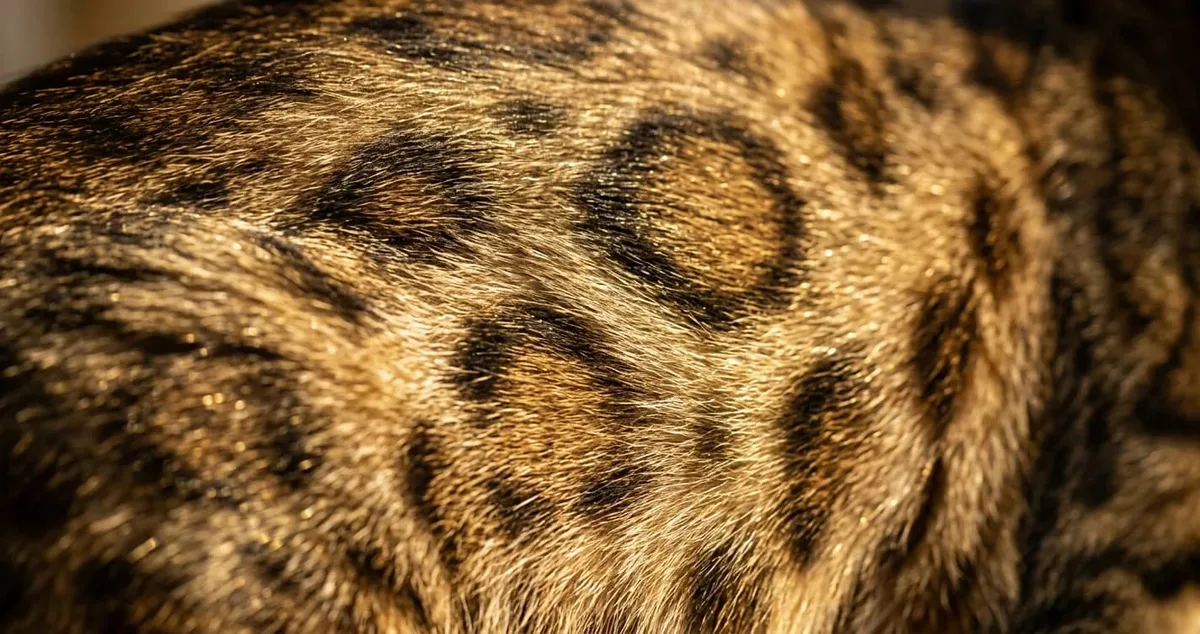
The Savannah Cat stands out due to its lineage. It’s a cross between a domestic cat and a serval, a wild African cat. This gives them their distinctive spotted coat and long legs.
These cats are larger than most domestic breeds. They can weigh up to 20 pounds, with some reaching 30 pounds, making them a significant presence in any room.
Their size is matched by their energy levels. Savannahs are highly active and enjoy exploring their surroundings. This makes them both entertaining and a bit of a challenge.
Are Savannah Cats Good Pets?
If you’re considering a Savannah Cat, think about your lifestyle. They’re known for their loyalty and can form strong bonds with their owners. This makes them great companions if you have the time to engage with them.
However, their wild ancestry means they require plenty of stimulation. Regular playtime and interactive toys can help keep them content.
Many owners find their intelligence impressive. They’re quick learners and can be taught to walk on a leash, making outdoor adventures possible.
What Should You Know Before Getting A Savannah Cat?
Before welcoming a Savannah Cat into your home, consider their space needs. Their love for climbing means tall cat trees are essential.
You’ll also need to be prepared for their vocal nature. Savannahs are known for their distinctive sounds, which can be surprising to new owners.
Think about your commitment. These cats can live up to 15 years, so they require a long-term dedication.
Are you ready to embrace the wild elegance of a Savannah Cat? This breed offers an intriguing mix of wild beauty and domestic charm. Would you consider adding one to your family?
Ragdoll: Fluffy And Friendly
The Ragdoll cat breed is known for its fluffy, friendly nature. They are large, with captivating blue eyes and silky fur. Their gentle demeanor makes them perfect companions. Ragdolls enjoy cuddling and are incredibly sociable.
What Makes Ragdolls Stand Out?
Ragdolls are known for their striking appearance. Their coat is soft, long, and requires regular grooming. They have a unique color pattern, often with a light body and darker points. Their expressive blue eyes are hard to miss.
Personality Traits Of Ragdolls
Ragdolls are famous for their calm and loving nature. They are often described as “puppy-like” due to their playful behavior. Ragdolls follow their owners around the house. They love to be part of family activities. This breed is also known for its relaxed attitude.
Care Requirements For Ragdolls
Ragdolls need regular grooming to keep their coat healthy. They enjoy interactive play and need mental stimulation. A balanced diet is essential for their well-being. Regular vet check-ups ensure they stay healthy and happy.
Why Choose A Ragdoll?
Ragdolls make excellent pets for families and singles alike. Their friendly nature suits homes with children and other pets. They adapt well to indoor living environments. Ragdolls offer love and companionship to their owners.
Norwegian Forest Cat: The Viking Survivor
The Norwegian Forest Cat, often described as a “Viking Survivor,” boasts an impressive lineage that traces back to the icy Scandinavian wilderness. This breed is not only known for its majestic appearance but also its resilience and adaptability, which have been shaped by centuries of harsh climates. Whether you’re a cat enthusiast or someone considering a new pet, understanding the unique traits of the Norwegian Forest Cat can provide valuable insights into what makes this breed truly extraordinary.
The Appearance Of A Viking Warrior
With their robust build and thick, water-repellent coat, Norwegian Forest Cats resemble the warriors of old. Their tufted ears and bushy tails are not just aesthetic traits; they were essential for survival in the cold. This breed’s striking appearance is matched by its strong and muscular frame, making them both elegant and hardy.
A Personality That Commands Respect
Norwegian Forest Cats are not only physically imposing but also possess a dignified and commanding presence. Known for their independence, they are often curious and intelligent. You might find them observing from a distance before engaging, a trait that reflects their cautious yet confident nature.
Your Home And The Norwegian Forest Cat
Bringing a Norwegian Forest Cat into your home means embracing their adventurous spirit. These cats love climbing and exploring, so consider adding cat trees or shelves for them to roam. Their playful demeanor ensures they’re always up for a game, making them great companions for active households.
Care Needs: More Than Just Grooming
While their thick fur requires regular grooming to prevent mats, Norwegian Forest Cats also need mental stimulation. Interactive toys and puzzles can keep them engaged. Their diet should support their active lifestyle, with a focus on high-quality proteins.
A Personal Tale Of Friendship
My first encounter with a Norwegian Forest Cat was unforgettable. As I sat in a friend’s living room, I felt a gentle presence beside me. This majestic cat had silently observed before deciding to join me. The calm and respectful approach demonstrated just how intuitive and thoughtful these cats can be, leaving a lasting impression.
Are you ready to welcome a Viking Survivor into your life? Reflect on the unique qualities of Norwegian Forest Cats and how they might fit into your lifestyle. Their strength and grace could be the perfect addition to your home.
Chausie: The Jungle Feline
The Chausie is a remarkable breed that captures the essence of wild jungle cats while fitting comfortably into domestic life. This unique breed boasts a lineage that includes the wild jungle cat from South Asia and Africa, making it one of the largest domestic cat breeds. You might find their striking features and energetic personality a captivating addition to your home.
Physical Characteristics Of The Chausie
Chausies are known for their impressive size and athletic build. Adult Chausies can weigh anywhere from 15 to 30 pounds, rivaling some of the largest domestic cats.
Their long, lean bodies are complemented by tall legs and a short, smooth coat. This gives them the agility and grace reminiscent of their jungle ancestors.
Their ears are large and tufted, adding to their wild appearance. Imagine having a mini jungle cat roaming your living room.
The Personality Of A Chausie
Chausies are incredibly active and playful. If you enjoy a lively household, this breed might be perfect for you.
They are intelligent and curious, often engaging with their surroundings in fascinating ways. Have you ever seen a cat solve a puzzle toy with ease?
Despite their wild roots, Chausies are known to form strong bonds with their humans. They can be affectionate and even follow you around the house.
Living With A Chausie
Owning a Chausie requires space for them to roam and exercise. An active lifestyle suits them well.
If you’re someone who enjoys interactive play, a Chausie will thrive with you. Consider toys that challenge their intellect and agility.
They may need more attention than other breeds, but the companionship they offer is truly rewarding. Are you ready for a feline friend that keeps you on your toes?
Caring For Your Chausie
Chausies have specific dietary needs due to their high energy levels. A protein-rich diet can keep them healthy and active.
Regular grooming is essential to maintain their sleek coat, although they are generally low-maintenance in this regard.
Routine veterinary check-ups ensure they remain in top health, especially given their unique genetic makeup. How will you ensure your Chausie thrives?
The Chausie is not just a cat; it’s a lively companion that brings a touch of the wild into your home. With the right care and environment, they can be an exciting addition to your family. Are you ready to embrace the jungle spirit in your living room?
Siberian Cat: The Russian Beauty
Meet the Siberian Cat, a majestic feline from Russia. Known for its large size, it’s one of the largest cat breeds. These cats are not only big but also beautiful, with thick fur and striking eyes. Perfect for cat lovers seeking a gentle giant.
Siberian Cat: The Russian Beauty The Siberian cat is often hailed as a true Russian beauty, embodying a blend of wild allure and gentle demeanor. With their thick, luxurious coat and striking eyes, these cats have captivated pet lovers worldwide. But what makes the Siberian cat stand out among the largest breeds?History And Origin Of The Siberian Cat
Originating from the snowy forests of Siberia, these cats have a rich history dating back over a thousand years. Initially, they were prized for their ability to control rodent populations. Today, they are cherished for their striking appearance and friendly nature.Physical Characteristics
The Siberian cat’s most notable feature is its plush triple-layered coat, designed to withstand harsh Russian winters. They possess a robust and muscular body, with males weighing between 15-20 pounds. Their eyes, often gold or green, exude an intense gaze that captures attention.Personality Traits
Siberian cats are known for their playful and affectionate temperament. Despite their large size, they are agile jumpers and climbers. If you enjoy interactive play, a Siberian cat will happily oblige, often surprising you with their intelligence and curiosity.Care And Grooming
Their dense coat requires regular grooming to prevent matting. A weekly brush can keep their fur healthy and reduce shedding. Pay attention to their diet as well, as their active nature requires balanced nutrition to maintain their muscular physique.Health Considerations
Generally, Siberian cats are healthy, but it’s essential to monitor for common feline issues like dental disease. Regular veterinary check-ups can ensure your Siberian stays in prime condition. Would you be ready to commit to this regal breed’s care?Personal Experience With Siberians
I once visited a friend who owns a Siberian cat, and I was amazed at how quickly it warmed up to me. Its playful antics and affectionate nature made it clear why Siberians are beloved family pets. Have you ever encountered a breed that left such an impression on you? The Siberian cat, with its blend of beauty and charm, is more than just a pretty face. Are you considering adding a Siberian cat to your family? Their loyal companionship and engaging personality might be the perfect fit for your home.British Shorthair: The Plush Companion
British Shorthair cats are known for their plush coats and round faces. While they are not the largest breed, they boast a sturdy and muscular build. Maine Coons actually hold the title as the largest domestic cat breed, often outweighing other feline companions.
If you’re thinking about adding a cat to your family, the British Shorthair might just be the perfect choice. Known for their plush, dense coats and round faces, these cats are like living teddy bears. Their calm demeanor and gentle nature make them great companions for both kids and adults.Understanding The British Shorthair’s Size
The British Shorthair is not just charming but also impressively sized. Males typically weigh between 12 to 20 pounds, while females are slightly smaller. Their sturdy build makes them one of the larger breeds, though they still manage to be incredibly agile.Personality Traits Of A British Shorthair
British Shorthairs are known for their easygoing nature. They are affectionate but not overly clingy, making them ideal for busy households. You might find them lounging in a sunbeam or quietly observing the world from a window sill.British Shorthairs And Family Life
These cats are excellent with children and other pets. Their patient temperament allows them to handle the rough and tumble of family life. Unlike some breeds, they don’t mind being left alone for a while, which is perfect if you work long hours.Grooming Needs: Keeping Your Plush Companion Happy
Despite their dense coats, British Shorthairs are relatively low-maintenance. A weekly brush is usually enough to keep their fur looking its best. This simple grooming routine can be a great bonding time between you and your cat.Health Considerations For British Shorthairs
While generally healthy, British Shorthairs can be prone to obesity. Ensuring they have a balanced diet and regular playtime is crucial. Regular vet check-ups will help keep them in top shape.Why Choose A British Shorthair?
Are you looking for a low-drama, high-joy pet? British Shorthairs offer the perfect mix of independence and affection. Their plush coats and amiable nature make them irresistible to cat lovers everywhere. Have you ever owned a British Shorthair or considered adopting one? Their unique charm and loving nature could just be what you need in a feline friend. Why not explore the possibility of sharing your home with such a delightful companion?
Credit: www.reddit.com
Size And Weight Comparisons
When you think of a big cat, you might picture a lion or tiger. But did you know that domestic cat breeds can also reach impressive sizes? Let’s dive into the world of feline giants and compare their size and weight. You’ll discover what makes them stand out and why their size might surprise you.
Size And Weight Of Maine Coon Cats
Maine Coons are often the first breed people think of when it comes to large cats. Male Maine Coons can weigh between 13 to 18 pounds, while females range from 8 to 12 pounds. Their length, including the tail, can exceed 40 inches. Imagine having a cat that stretches over three feet!
Norwegian Forest Cats: A Nordic Giant
Norwegian Forest Cats are another breed that competes for the title of largest domestic cat. These cats are stocky and can weigh up to 16 pounds. Their thick fur adds to their imposing presence, especially in colder climates where they are naturally found.
Savannah Cats: The Exotic Hybrid
Savannah Cats, a crossbreed between a domestic cat and a serval, can weigh anywhere from 12 to 25 pounds. Their tall, lean bodies make them appear larger than their weight suggests. Their striking appearance often raises the question: is this a pet or a wild animal?
Ragdoll Cats: Gentle Giants
Ragdolls are known for their docile nature and large size. These fluffy companions typically weigh between 10 to 20 pounds. Their calm demeanor and plush fur make them seem even bigger. Have you ever felt a Ragdoll’s comforting weight on your lap?
Why Size Matters In Cat Breeds
Size isn’t just a number; it’s a factor in a cat’s health, diet, and space needs. Larger cats often require more food and bigger litter boxes. Consider how much space you have at home before bringing a big cat into your life. Would you be prepared for such a commitment?
These comparisons highlight the diversity in cat breeds and their sizes. Whether you favor a Maine Coon or a Savannah, understanding these differences can help in choosing the right feline friend. What will you prioritize in your search for a new pet?
Traits And Temperaments
Understanding the traits and temperaments of the largest cat breed is fascinating. These cats possess unique characteristics that set them apart from smaller breeds. They often display gentle and friendly personalities. Despite their size, they are typically affectionate and sociable with humans and other pets. Their distinct behaviors and mannerisms often captivate cat lovers.
Size And Appearance
The largest cat breed is known for its impressive size. These cats have muscular bodies with strong legs. Their coats are thick and luxurious, requiring regular grooming. Their large paws and bushy tails add to their majestic look. Many have striking eyes that enhance their regal presence.
Playfulness And Energy
Despite their large size, these cats are very playful. They enjoy interactive toys and games that challenge their agility. Their energy levels can surprise many pet owners. They love climbing and exploring their surroundings. These cats often remain active well into adulthood.
Social Behavior
These cats are known for their sociable nature. They often seek out human companionship. They tend to get along well with children and other pets. Their friendly demeanor makes them great family pets. They usually adapt well to different living environments.
Vocalization And Communication
These cats are often vocal, using various sounds to communicate. They may chirp or trill to express themselves. Their vocalizations are usually gentle and pleasant. Many owners find their communication style endearing. They often respond to their names, showing intelligence.
Maintenance And Care
Regular grooming is essential for these cats due to their thick coats. Their diet should be tailored to maintain their health and size. Routine vet visits help monitor their wellbeing. They thrive in environments with plenty of stimulation. Proper care ensures they live happy, healthy lives.
Care And Maintenance Needs
Maine Coon cats, known as the largest breed, require regular grooming due to their thick fur. Ensure they have a spacious environment to thrive and regular vet check-ups to maintain their health. Their playful nature demands interactive toys for mental stimulation and exercise.
Caring for the largest breed of cats, such as the Maine Coon, comes with unique responsibilities that are both rewarding and challenging. These gentle giants require more than just basic care due to their size and distinctive features. Understanding their specific needs will ensure you provide the best environment for your furry friend.Feeding Requirements
Maine Coons have a hearty appetite. Their larger size means they need more food compared to smaller cat breeds. You should provide a balanced diet rich in protein to maintain their muscle mass and support their energy levels. Consider integrating both dry kibble and wet food. This variety can help prevent boredom and ensure they get all necessary nutrients. Always consult with your vet to determine the ideal serving size for your cat’s weight and age.Grooming Essentials
These cats have long, dense fur that requires regular grooming. If neglected, their beautiful coats can become matted, leading to discomfort. Brush your Maine Coon at least twice a week to keep their fur smooth and healthy. Do you enjoy bonding with your pet? Use grooming sessions to strengthen your relationship. Many owners find it a relaxing way to connect, turning a maintenance task into a cherished routine.Exercise And Play
Maine Coons are playful and energetic. While they aren’t overly hyper, they do need regular exercise to stay healthy. Interactive toys, like feather wands or laser pointers, can keep them engaged and active. Have you ever watched a Maine Coon chase a toy mouse? It’s a delightful sight that underscores their natural hunting instincts. Ensure your home has space for them to roam and explore safely.Regular Health Check-ups
Due to their size, Maine Coons may be prone to certain health issues like hip dysplasia. Regular vet visits are essential to catch any problems early. Keep track of their vaccinations and schedule annual check-ups to ensure they remain in top condition. Is your cat less active than usual? It might be time for a vet visit. Being proactive can save you from more serious health concerns down the road.Creating A Comfortable Living Space
Maine Coons appreciate a comfortable, spacious environment. Invest in larger litter boxes and cat beds that accommodate their size. High perches are also a favorite, allowing them to observe their surroundings from a safe vantage point. Do you want your cat to feel at home? Arrange their living area to cater to their needs. A happy cat is a healthy cat, and a few adjustments can make a big difference in their quality of life. In caring for Maine Coons, attention to detail can transform your experience from ordinary to extraordinary. By addressing their specific needs, you not only ensure their happiness but also enrich your own life with the joy they bring.Popular Myths And Misconceptions
The world of cats is filled with fascinating breeds. Among them, the largest breed often sparks curiosity and debate. Many myths surround these majestic felines. Let’s explore some common misconceptions.
Misconception 1: All Large Cats Are Aggressive
Size doesn’t define behavior. Large cats like the Maine Coon are gentle giants. They are often playful and affectionate.
Misconception 2: Bigger Cats Require More Food
Diet depends on activity and health, not just size. Large breeds may eat similar amounts to smaller cats.
Misconception 3: Large Cats Are Less Agile
Big cats can be surprisingly nimble. They jump and climb with ease. Their size doesn’t hinder their agility.
Misconception 4: Large Cats Are Harder To Care For
Caring for any cat involves love and attention. Large breeds have similar needs to other cats. Regular grooming and exercise are key.
Misconception 5: Large Cats Are Wild
Domestic large cats are not wild animals. They are bred to be companions. They enjoy human interaction and comfort.
Misconception 6: All Big Cats Have Long Fur
Fur length varies among large breeds. Some have short coats. Long fur is not a universal trait.
Misconception 7: Large Cats Are Rare
Large breeds are common in homes worldwide. They are popular for their friendly nature. Many families choose them as pets.

Credit: www.youtube.com
Choosing The Right Giant For You
Maine Coon cats stand as the largest domestic breed, famous for their majestic appearance and gentle nature. These furry giants weigh between 10 and 25 pounds, displaying bushy tails and tufted ears. Ideal for families, they offer loyalty and affection, making them a popular choice for cat enthusiasts.
Choosing the right giant cat can be both thrilling and challenging. These majestic felines, often known for their size and gentle disposition, require a special kind of owner. If you’re considering adopting one, it’s crucial to understand their unique needs and characteristics.Understanding The Size And Space Requirements
Large breed cats, like the Maine Coon or Savannah, thrive in spacious environments. They need room to stretch, play, and explore. If your living space is limited, think about how you can adapt it to meet their needs. Could you add cat trees or shelves to give them vertical space?Considering The Temperament And Personality
Giant cats often have a gentle and sociable nature. However, each cat is an individual with its own personality. Spend time with different breeds to see which temperament aligns with your lifestyle. Are you looking for a playful companion or a laid-back lap cat?Evaluating Grooming And Health Needs
Larger cats can have specific grooming needs, especially those with long fur. Regular brushing can prevent matting and reduce shedding. Also, be aware of any breed-specific health issues. Are you prepared for regular vet visits and potential health challenges?Assessing The Financial Commitment
Owning a large cat can be more expensive than smaller breeds. Consider costs for food, grooming, and medical care. Are you ready to invest in quality food and regular health checkups to ensure your giant stays healthy?Reflecting On Your Lifestyle Compatibility
Think about your daily routine and how a giant cat fits into it. These cats often crave attention and companionship. Do you have the time and energy to dedicate to a larger pet? Would a giant cat be happy in your household’s dynamic?Seeking Advice From Other Giant Cat Owners
Talking to other owners can provide valuable insights. They can share personal experiences and tips for raising large cats. Have you joined any online forums or local groups to connect with other giant cat enthusiasts? By considering these aspects, you can find the perfect giant cat that complements your life. Remember, adopting a pet is a long-term commitment. Make sure both you and your new feline friend are set up for a happy, fulfilling relationship.Frequently Asked Questions
What Is The Largest Domestic Breed Of Cat?
The Maine Coon is the largest domestic cat breed. Males typically weigh between 13 and 18 pounds. These cats are known for their long, bushy tails and tufted ears. Maine Coons are friendly, intelligent, and adapt well to family life.
Their size and gentle nature make them popular pets.
What’s Bigger, Maine Coon Or Savannah Cat?
The Maine Coon is generally larger than the Savannah cat. Maine Coons can weigh up to 18 pounds or more. Savannah cats, depending on the generation, typically weigh between 12 to 25 pounds. Size can vary based on genetics and individual characteristics.
What Is Bigger, A Maine Coon Or Norwegian Forest Cat?
Maine Coons are generally larger than Norwegian Forest cats. They weigh between 10-25 pounds, while Norwegian Forest cats range from 8-18 pounds. Maine Coons also have a longer body and tail. Both breeds are fluffy and majestic but Maine Coons typically take the lead in size.
What Is The Largest Breed Of Big Cat?
The Siberian tiger is the largest breed of big cat. Adult males can weigh up to 660 pounds. They are native to the forests of Russia and known for their majestic appearance and strength. Conservation efforts are crucial to protect their dwindling population in the wild.
Conclusion
Big cats capture the heart with their majestic size and grace. Maine Coons, the largest domestic breed, stand out with their playful nature. Their thick fur and tufted ears make them unique companions. Owning one means enjoying gentle giants with a loving spirit.
Consider space and care needs before adopting. These beautiful creatures offer endless love and companionship. Their presence turns a home into a warm and lively place. Fascination with large cats continues to grow. Curiosity about their traits and care enriches our understanding and appreciation.
Explore and enjoy the wonder of these magnificent animals.

Similar Posts