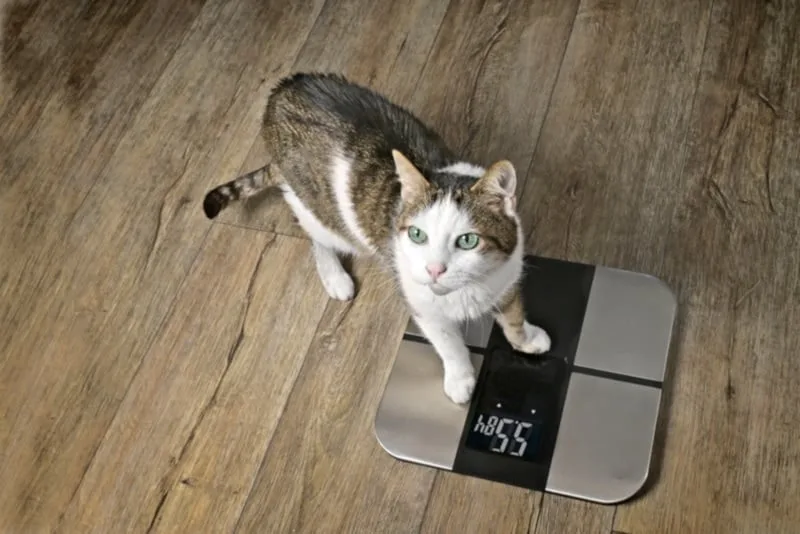
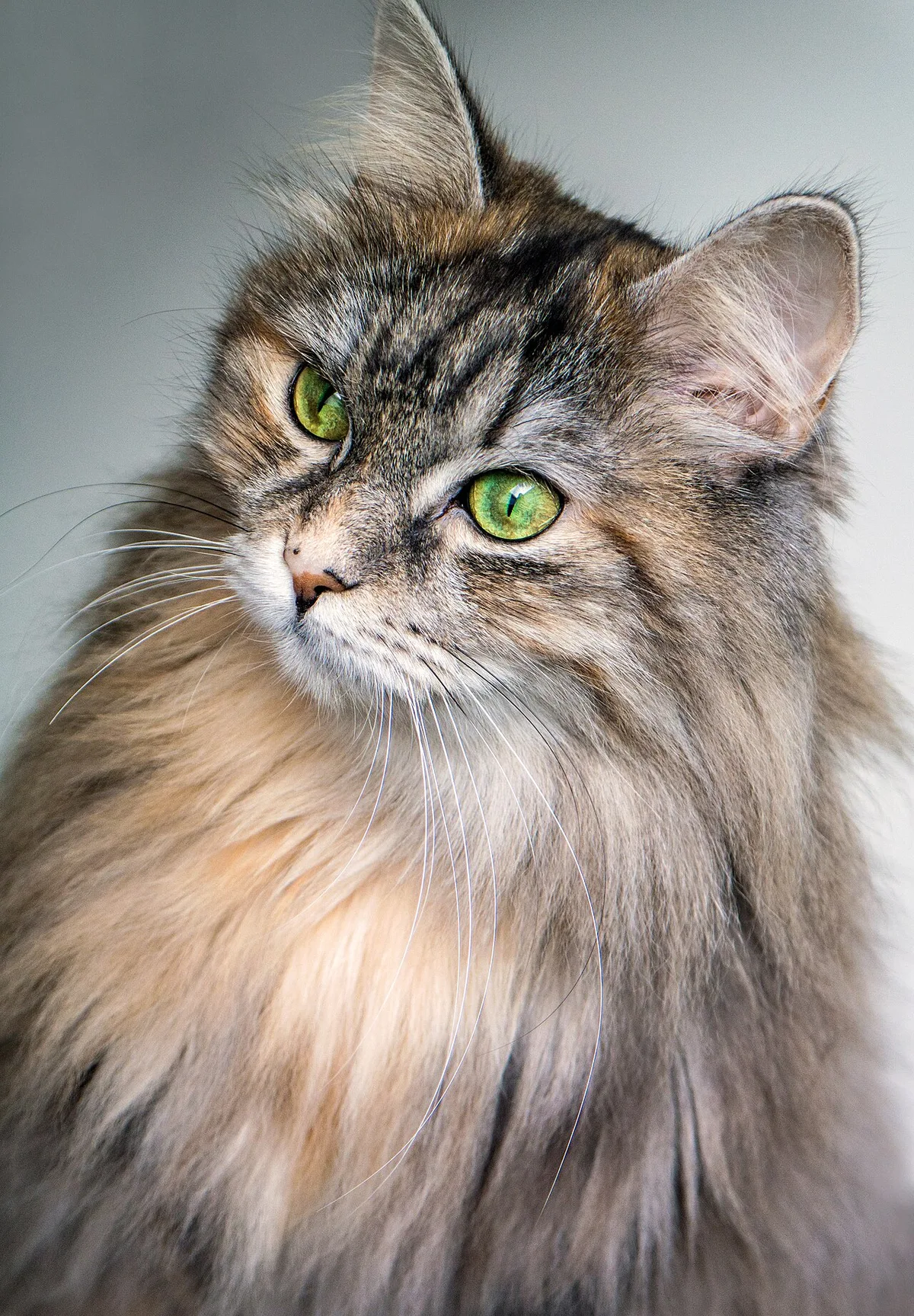
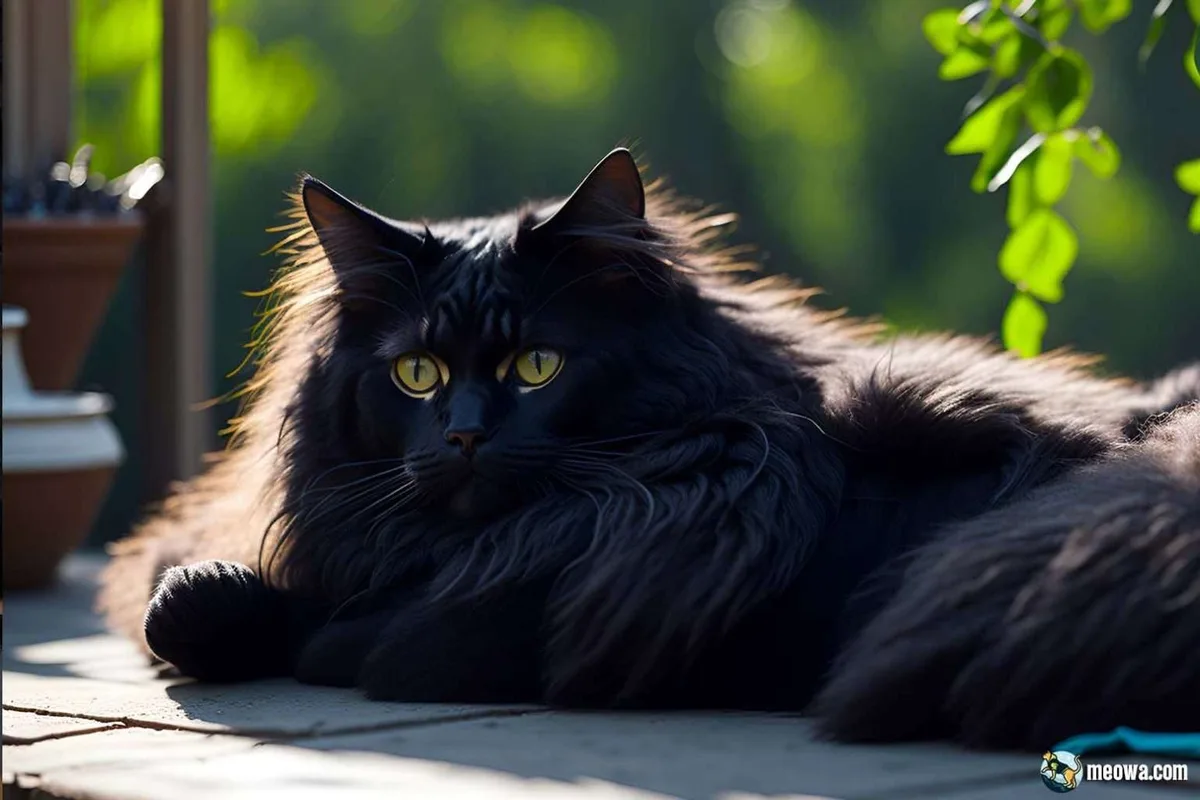
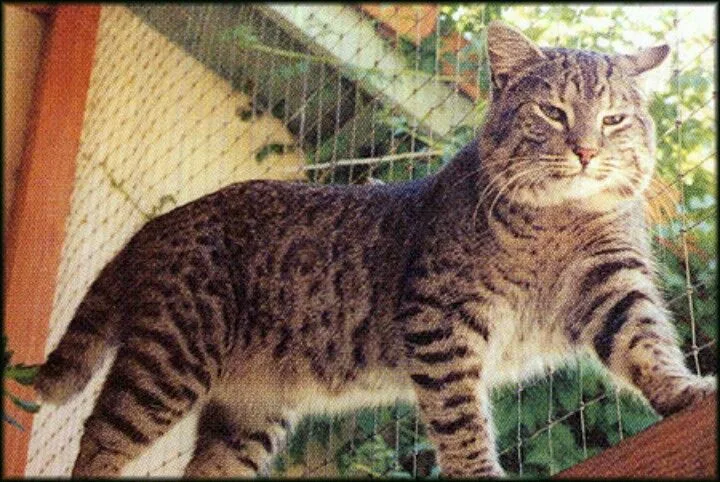
What Breed of Domestic Cat is the Largest: Discover Now
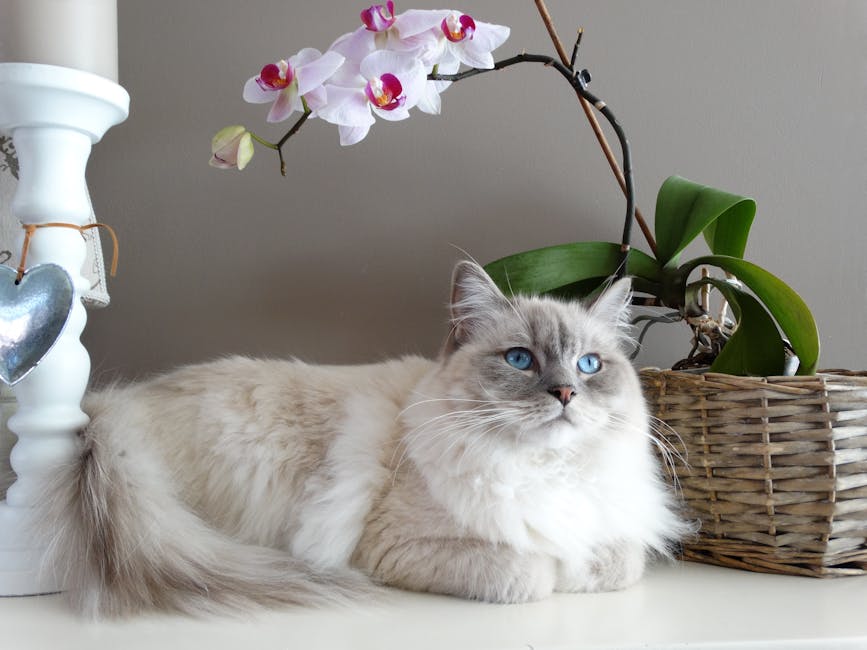
Imagine curling up on the couch with a cat that’s not just a pet, but a gentle giant. If you’re curious about which breed of domestic cat holds the title for being the largest, you’re in the right place.
As cat lovers, we often find ourselves fascinated by the diverse sizes and personalities of these furry companions. Knowing which breed is the largest can help you understand more about their behaviors, their care needs, and even how they might fit into your home.
Are you ready to discover which breed might be the perfect fit for your family, and why their size is just one of the many intriguing aspects? Keep reading, because you might be surprised by what you learn.
Credit: www.reddit.com
Largest Domestic Cat Breeds
The Maine Coon holds the title for the largest domestic cat breed. Known for their long, fluffy tails and gentle nature, they can weigh up to 18 pounds or more. Their size doesn’t compromise their playful and affectionate personalities.
Have you ever wondered which domestic cat breeds are the largest? Some cats can grow to impressive sizes, making them almost as big as some small dog breeds. If you’re considering adopting a big cat or simply curious, you’re in the right place. Let’s explore some of the largest domestic cat breeds out there and discover what makes each of them unique.Maine Coon
Maine Coons are often known as the gentle giants of the feline world. They can weigh between 10 to 25 pounds, with some even reaching 30 pounds. Their long, bushy tails and tufted ears give them a distinctive look. These cats are not just about size. They’re known for their friendly and social nature. If you’re looking for a cat that enjoys being around people and is easy to train, a Maine Coon might be perfect for your home.Savannah Cat
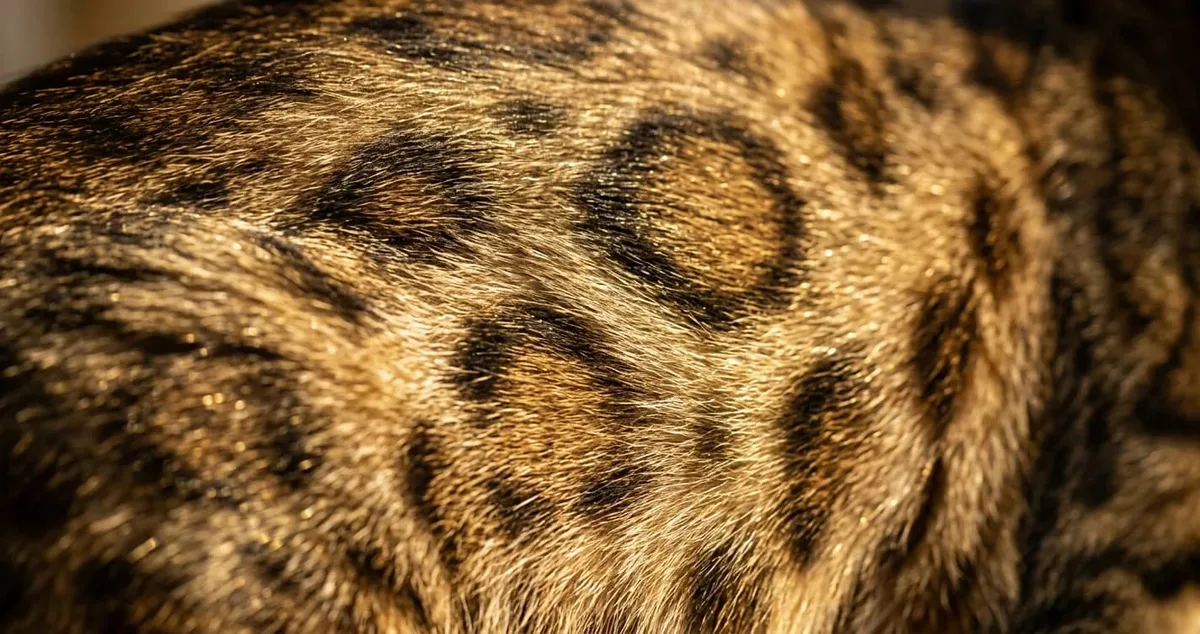
The Savannah cat stands out due to its exotic appearance and impressive size. A crossbreed between a domestic cat and a serval (a wild African cat), they can weigh up to 25 pounds. Their coat resembles that of a wild cat, with spots and stripes that capture attention. Savannah cats are known for their adventurous spirit. They love to explore and can even be trained to walk on a leash. Would you be ready to have a cat that challenges the norms of what a pet cat can do?Norwegian Forest Cat
The Norwegian Forest Cat, also known as “Wegie,” is a robust and muscular breed. They can weigh between 9 to 16 pounds, with some males reaching even more. Their thick, water-repellent fur is perfect for cold climates. These cats have a calm and gentle demeanor. They enjoy the company of humans and can be great companions. If you want a cat that combines size with a laid-back attitude, a Norwegian Forest Cat might be the right fit. — Choosing a large cat breed can be a fulfilling experience. These majestic cats offer not only size but also personality and companionship. When thinking about adding one to your family, consider how their unique traits align with your lifestyle. Which of these giant felines would you welcome into your home?Characteristics Of Large Cat Breeds
Maine Coon cats hold the title for largest domestic cat breed. Renowned for their impressive size, they often weigh between 10 to 25 pounds. Their long, bushy tails and tufted ears add to their majestic appearance.
When choosing a feline companion, size can be an intriguing factor. Large cat breeds boast unique characteristics that set them apart. They combine impressive physical features with distinct personalities, making them a captivating choice for cat lovers. Let’s dive into the specifics of what makes these big cats special.Physical Features
Large cat breeds like the Maine Coon and Savannah can weigh significantly more than the average domestic cat. Maine Coons, for instance, can tip the scales at up to 18 pounds or more. Their long, bushy tails and tufted ears give them a majestic appearance. Savannahs, a cross between a domestic cat and a serval, are known for their tall, slender bodies and strikingly long legs. Their exotic spotted coats and bold markings set them apart in a crowd. Have you ever seen a cat that looks like it stepped right out of the wild?Temperament And Personality
Big cats often have personalities to match their size. Maine Coons are known as gentle giants, friendly and sociable, making them great companions. They enjoy interacting with their human family and often follow them from room to room. Savannahs, on the other hand, can be more energetic and curious. They love to explore and play, requiring plenty of mental stimulation. Their dog-like loyalty can surprise you, as they might even enjoy a game of fetch!Care Requirements
Caring for a large cat breed involves a bit more effort than for their smaller counterparts. They often need more space to roam and play. Ensuring they have access to vertical spaces like cat trees can help satisfy their natural climbing instincts. Grooming is another consideration. Maine Coons, with their long fur, require regular brushing to prevent matting. Have you ever tried brushing a cat that resembles a small lion? It can be quite the bonding experience. Diet is crucial too. Large breeds may need a diet tailored to support their size and energy levels. Consulting with your vet can help you find the best nutrition plan for your big feline friend. Choosing a large cat breed is about more than just size. It’s about embracing their unique characteristics and meeting their needs. Are you ready to welcome one of these gentle giants into your home?Comparing Size And Weight
When exploring the world of domestic cats, size and weight are key factors. Cat lovers are often curious about which breed stands out in terms of size. Several large cat breeds captivate with their impressive presence. Understanding their size and weight helps in appreciating their uniqueness and care needs.
Average Size Range
Maine Coon cats are among the largest domestic breeds. They typically measure 10 to 16 inches tall. Their length often reaches up to 40 inches, including their tail. Another large breed is the Savannah cat. It usually stands 10 to 17 inches tall. Their long bodies can extend to 33 inches.
Ragdolls, known for their gentle nature, also have notable size. They often measure 9 to 11 inches in height. Their bodies can stretch to a length of 20 to 26 inches. These measurements highlight their grand stature.
Weight Considerations
Weight plays a crucial role in determining a cat’s size. Maine Coons often weigh between 10 to 25 pounds. Their muscular build contributes to this weight. Savannah cats are slightly lighter. They usually weigh 12 to 20 pounds, depending on their generation.
Ragdolls are known for their hefty weight. They can weigh anywhere from 10 to 20 pounds. Their fluffy coats add to their weight perception. These breeds require proper care to maintain healthy weight.
Understanding these size and weight factors guides potential cat owners. It helps in making informed decisions about adopting large breeds. Each breed offers a unique personality and presence.

Credit: www.reddit.com
Factors Influencing Cat Size
Understanding what influences a cat’s size helps identify the largest breed. Various factors contribute to a cat’s growth and development. These include genetics, diet, nutrition, and environment. Each factor plays a unique role in shaping a cat’s physical attributes.
Genetics
Genetics is a primary factor in determining cat size. Each breed has specific genetic traits. These traits are passed down through generations. Large breeds like the Maine Coon have genes for greater size. Breeding practices also affect a cat’s genetic makeup. Selective breeding can enhance certain size traits.
Diet And Nutrition
Diet and nutrition impact a cat’s growth significantly. Proper nutrition supports healthy growth. Cats need a balanced diet with proteins, vitamins, and minerals. Overfeeding can lead to obesity, affecting size. Undernourishment can stunt growth. Quality cat food ensures optimal nutrition.
Environment
The environment influences a cat’s physical development. Space to roam and exercise is essential. Limited space can restrict growth. Stressful environments may affect a cat’s health. Calm, spacious settings promote well-being. A healthy environment supports healthy growth.
Choosing The Right Large Cat
Choosing the right large cat requires careful consideration. Large cats are majestic and fascinating. They have unique needs that differ from smaller breeds. Understanding these requirements is crucial for a happy home. Different factors come into play when selecting a large cat. Lifestyle compatibility and space needs are key considerations. By understanding these aspects, you can ensure a harmonious relationship with your feline friend.
Lifestyle Compatibility
Large cats have specific lifestyle needs. They thrive in homes with active owners. They enjoy playing and engaging in various activities. A home with a lively atmosphere suits them well. These cats often bond with those who spend time with them. Consider your daily schedule before adopting. Ensure you have time for play and interaction.
Space And Activity Needs
Large cats require ample space. They love exploring and roaming around. A spacious home can enhance their well-being. These cats also need mental stimulation. Toys, climbing trees, and interactive games are ideal. Ensure your home has room for these activities. A bored cat can become destructive. Meeting their space and activity needs is vital.

Credit: greensafaris.com
Popular Myths About Large Cats
Many believe the Maine Coon is the largest domestic cat breed. These majestic cats can weigh up to 18 pounds. Their fluffy tails and gentle nature make them popular pets.
Popular myths about large cats often cloud the truth about these majestic creatures. Many people believe that bigger cats are inherently more aggressive or prone to health issues. But how much of this is true? You might be surprised to learn that some myths are just that—myths. Let’s break them down together.Misconceptions About Aggression
Some believe that large cats, like the Maine Coon or the Savannah, have a natural tendency towards aggression. This isn’t necessarily true. I once thought my friend’s Maine Coon would be fierce because of its size. Yet, it turned out to be the most gentle and affectionate cat I’ve ever met. Size doesn’t dictate a cat’s personality. It’s all about their upbringing and environment. Have you considered how your interactions shape your pet’s behavior? Just like any other cat, large breeds respond well to love and proper training.Health Concerns
Another common myth is that larger cats are more prone to health problems. While it’s true that some larger breeds can face specific health challenges, it’s not a universal rule. Regular vet check-ups and a balanced diet can keep your big feline friend healthy. Think about the health of smaller breeds. They can have unique issues too. The key is understanding your cat’s specific needs, regardless of size. You might wonder if a bigger cat means bigger medical bills. Not necessarily. Preventive care often minimizes costs. How can you ensure your cat stays healthy? Simple habits like maintaining a healthy weight and providing regular exercise make a huge difference. By debunking these myths, you can appreciate the true nature of large cat breeds. They offer companionship without the misconceptions. Are you ready to see these gentle giants in a new light?Frequently Asked Questions
Are Maine Coon Or Savannah Cats Bigger?
Savannah cats are generally larger than Maine Coons. Savannahs can reach up to 17 inches tall and weigh 25 pounds. Maine Coons typically stand around 10-16 inches tall and weigh 10-18 pounds. Both breeds are known for their impressive size and distinctive features.
What Breeds Are Xl Cats?
XL cat breeds include Maine Coons, Ragdolls, and Savannahs. These breeds are known for their large size and gentle nature. Maine Coons have tufted ears, Ragdolls are floppy when held, and Savannahs have striking, exotic appearances. They make great companions for those seeking sizable, affectionate pets.
What Is Bigger, A Maine Coon Or Norwegian Forest Cat?
Maine Coons are generally larger than Norwegian Forest cats. They can weigh between 10-25 pounds. Norwegian Forest cats typically weigh 8-16 pounds. Both breeds are known for their robust build, but Maine Coons often take the lead in size and weight.
What Is The Highest Domestic Cat?
The Savannah cat holds the title of the tallest domestic cat breed. It can reach up to 17 inches in height. Known for its striking appearance and energetic nature, the Savannah cat is a hybrid, resulting from crossing a domestic cat with a serval, a wild African cat.
Conclusion
Choosing the largest domestic cat breed can be exciting. Maine Coons often top the list. They’re known for their size and friendly nature. Savannah cats also impress with their wild look and long legs. Both breeds offer unique traits and loving companionship.
Whether you prefer a gentle giant or an exotic-looking friend, there’s a perfect cat for you. Remember, a cat’s personality is as important as size. Always consider your lifestyle and home. A big heart matters more than a big body.
Enjoy the journey of finding your ideal feline companion.

Similar Posts