What Breed is a Grey Cat: Unlocking Feline Mysteries
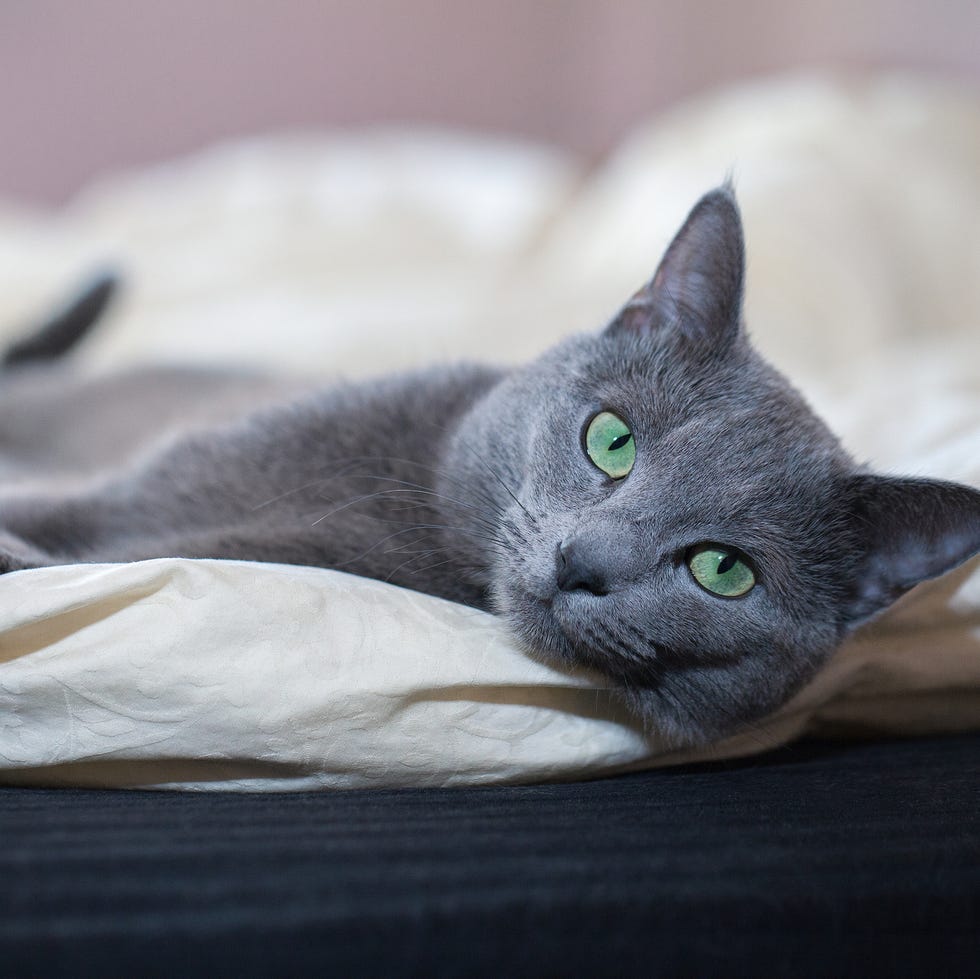
Have you ever wondered about the breed of that mysterious grey cat that seems to capture your heart every time? You’re not alone.
Grey cats have a certain allure that makes them stand out. Their captivating eyes and sleek fur often leave us intrigued. But what breed could they be? Understanding the breed of your grey cat can reveal fascinating insights into their behavior, health, and personality traits.
Imagine knowing exactly why your feline friend does what they do. This guide will help you unravel the mystery of grey cats, providing you with the knowledge to better care for and appreciate your unique companion. Dive in, and let’s explore the world of grey cats together!

Credit: www.dailypaws.com
Common Grey Cat Breeds
Many cats with grey fur belong to breeds like Russian Blue, British Shorthair, or Chartreux. Each breed boasts unique features, from the Russian Blue’s plush coat to the British Shorthair’s round face. Grey cats are often admired for their elegant appearance and gentle nature.
If you’ve ever caught yourself admiring a sleek, grey feline, you’re not alone. Grey cats possess a mystique and elegance that many find irresistible. Whether you’re looking to adopt or simply curious about these enchanting creatures, understanding their breeds can be fascinating. Let’s uncover the common grey cat breeds that could make the perfect addition to your home.Russian Blue
The Russian Blue is renowned for its shimmering, silvery coat and striking green eyes. These cats are not just pretty faces; they’re known for their gentle and affectionate nature. A friend once shared how her Russian Blue would greet her at the door every day, a testament to their loyal companionship. They are perfect for those who appreciate a cat that enjoys a mix of play and quiet time. If you’re someone who values a peaceful home environment, this breed might be your ideal match.British Shorthair
The British Shorthair is a beloved breed, recognized by its dense, plush coat and round face. These cats are often calm and easy-going, making them great companions for families. My neighbor’s British Shorthair is the highlight of their family gatherings, always ready for a cuddle or a nap in the sun. They are not overly demanding and can adapt well to various living situations. If you’re seeking a cat that is both independent and loving, consider welcoming a British Shorthair into your life.Chartreux
Chartreux cats are distinguished by their robust bodies and woolly, blue-grey coats. These cats are known for their playful yet quiet demeanor. A colleague once mentioned how her Chartreux loved to chase toys around the house but would settle down quietly by her side when work needed to be done. They are often described as having a dog-like loyalty, following their owners from room to room. If you’re someone who enjoys a cat that is both interactive and serene, the Chartreux could be the perfect fit. When considering a grey cat, it’s important to think about your lifestyle and what you seek in a feline friend. Each breed offers unique traits that can complement different homes and personalities. Which grey cat breed do you think would be the best companion for you?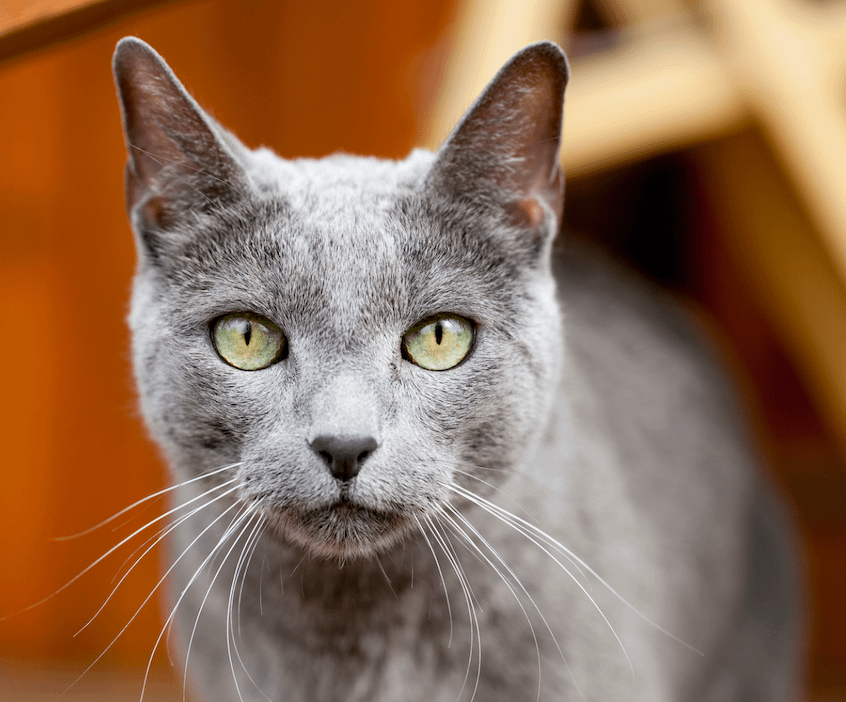
Credit: www.litter-robot.com
Distinctive Characteristics
Have you ever wondered what makes a grey cat so special? These feline friends stand out due to their distinctive characteristics. Whether it’s their coat texture or the mesmerizing variety of eye colors, grey cats captivate the hearts of many. Let’s dive into the fascinating traits that make grey cats unique.
Coat Texture And Color
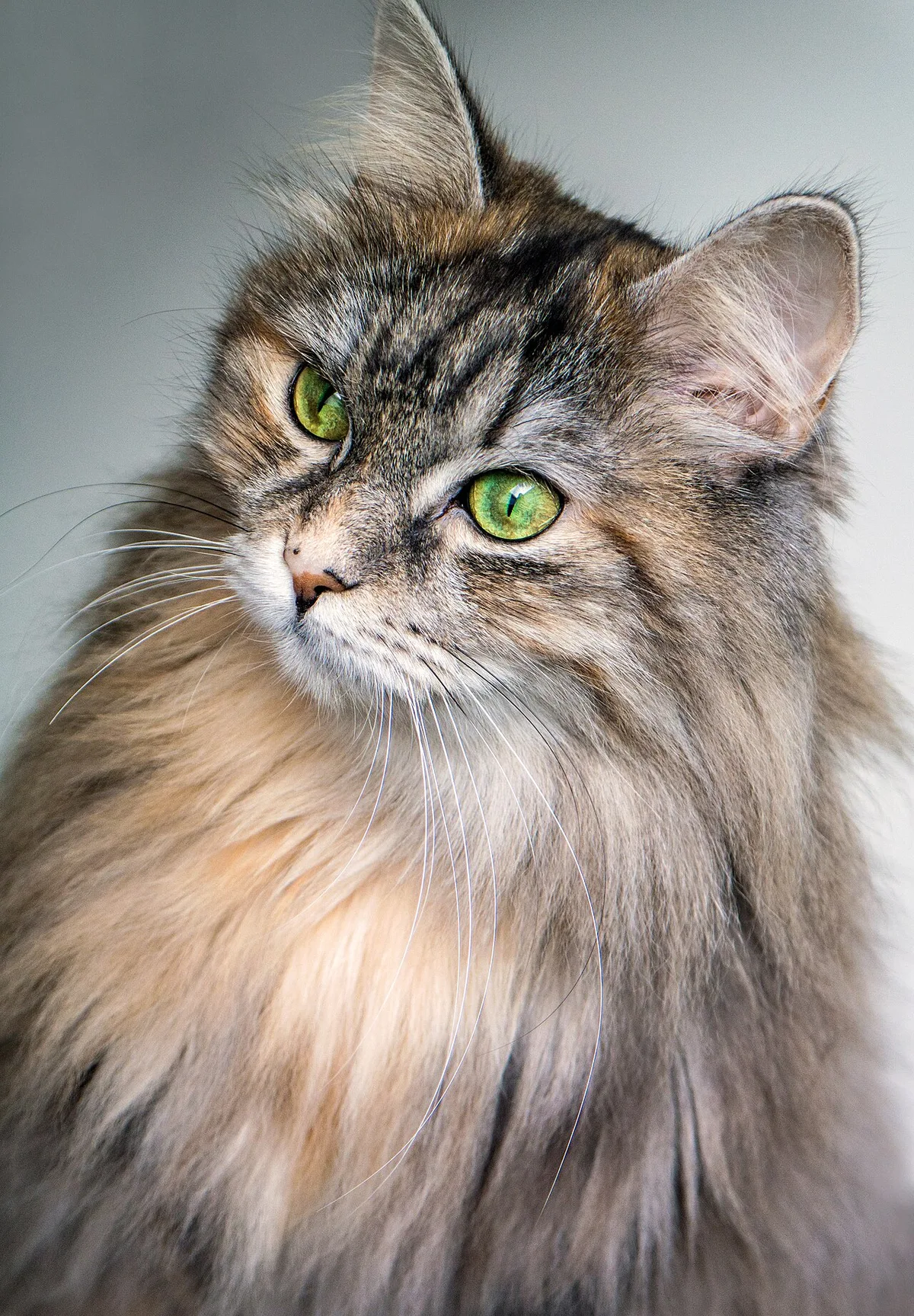
Grey cats are known for their striking coat colors. The shades can vary widely, from light silver to deep charcoal. This variation makes each grey cat unique.
Some grey cats have a smooth and sleek coat, while others flaunt a fluffy, soft texture. Think about the feel of silk versus velvet—each offers a different kind of tactile experience.
Have you ever stroked a grey cat’s fur and felt like it was like touching a cloud? Their coat invites you to run your fingers through it, offering a sense of comfort and tranquility.
Eye Color Variations
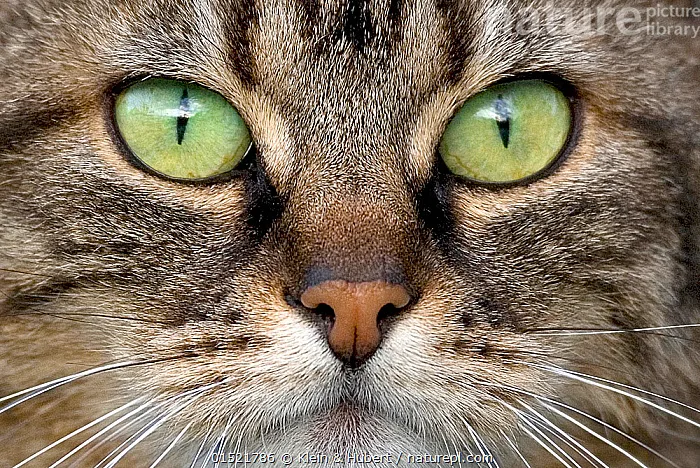
Grey cats often have stunning eye colors that range from vibrant greens to deep amber. This contrast with their coat can make their eyes appear even more vivid.
Imagine looking into the eyes of a grey cat and feeling like you’re peering into a magical forest or a sunset. Their eyes can tell stories, asking you to wonder about what lies beyond.
Have you noticed how a grey cat’s eyes change with the light? Sometimes, their eyes might look almost golden, while other times they seem more emerald. This dynamic quality adds to their allure.
So, what do you think makes grey cats so fascinating? Is it their coat, their eyes, or perhaps the combination of both? As you ponder these questions, remember the unique beauty each grey cat brings into your life.
Behavioral Traits
Grey cats are often admired for their striking appearance, but have you ever wondered what behavioral traits accompany their unique looks? From their temperament to their socialization tendencies, understanding these traits can help you connect better with your grey feline friend. Whether you’re considering adopting a grey cat or already have one, this insight into their behavior can enhance your relationship and ensure a happier home for both of you.
Temperament Of Grey Cats
Grey cats are known for their balanced temperament. They often exhibit a calm demeanor, making them perfect companions for those who enjoy a peaceful environment. They tend to be neither overly aggressive nor excessively timid. This makes them ideal for families and individuals who want a pet that can be both playful and relaxed.
Have you noticed how your grey cat seems to intuitively understand your moods? Many grey cat owners report that their cats display an uncanny ability to sense when they need comfort. This empathetic trait can be incredibly soothing during stressful times. It’s as if these cats have a sixth sense for emotional support.
Socialization Tendencies
Grey cats generally enjoy socializing but at their own pace. They often approach new situations with curiosity rather than fear. This makes them adaptable to different environments and people, whether it’s a bustling household or a quiet apartment.
However, grey cats are known to be selective about their companions. Have you ever wondered why they seem to prefer certain people over others? This selective socialization means they value quality interactions over quantity. This trait can be beneficial as it encourages meaningful relationships with their human companions.
While grey cats are friendly, they also appreciate their alone time. Do you notice your grey cat seeking solitude occasionally? They enjoy a balance of social interaction and personal space. Understanding this can help you provide them with the right environment, ensuring they feel secure and content.
As you observe your grey cat, think about how these behavioral traits align with your lifestyle. Are you offering them enough opportunities for socialization and relaxation? How can you enhance your bond with them? By focusing on these questions, you can create a harmonious relationship with your grey feline friend.

Credit: www.purina-arabia.com
Care And Maintenance
Grey cats can belong to various breeds, such as Russian Blue or British Shorthair. Proper care includes regular grooming and balanced nutrition. Routine vet visits ensure their health and longevity.
Caring for your grey cat involves understanding its specific needs and providing the right maintenance to ensure a happy, healthy life. Grey cats are not just beautiful to look at; they bring joy and companionship to your home. But do you know what it takes to keep them thriving? Let’s explore the essential care tips that every grey cat owner should know.Grooming Needs
Grey cats, like all cats, require regular grooming to stay clean and comfortable. If your grey cat has short hair, a weekly brushing will suffice to remove loose fur and prevent mats. Long-haired breeds demand more attention—daily brushing is ideal to keep their coats tangle-free. Have you ever noticed how your cat loves being brushed? It’s more than just a grooming session; it’s a bonding moment. Use a soft-bristle brush for the best results, and your cat will thank you with purrs.Dietary Requirements
A balanced diet is crucial for your grey cat’s health. High-quality cat food rich in protein supports muscle development and energy levels. Look for brands that avoid fillers like corn and soy—these offer little nutritional value. Consider adding wet food to your cat’s diet to ensure proper hydration. Remember, your cat’s dietary needs may change with age. Regular check-ups with your vet will help you adjust their diet as needed. How do you know if your cat’s diet is working? Monitor their weight and energy levels. A healthy cat is active and maintains a consistent weight. By focusing on grooming and diet, you’re not just maintaining your grey cat’s beauty; you’re ensuring they live a long, joyful life. What will you do today to enhance your cat’s care routine?Health Concerns
Grey cats come in various breeds, each with unique characteristics. Understanding their health concerns is crucial for ensuring a happy and healthy life. These cats might face specific health challenges that owners should be aware of.
Common Health Issues
Grey cats might experience certain health problems linked to their breed. Russian Blues, for instance, can suffer from bladder stones. British Shorthairs may have heart issues like hypertrophic cardiomyopathy. Korat cats might face issues with gangliosidosis, a genetic disorder.
Regular check-ups can help catch these early. Some grey cats are prone to obesity, impacting their overall health. Proper diet and exercise are essential to maintaining their well-being.
Preventative Measures
Prevention is key to keeping your grey cat healthy. Ensure regular veterinary visits to monitor for potential issues. Feed them a balanced diet tailored to their breed’s needs. Provide ample opportunities for exercise and mental stimulation.
Consider genetic testing, especially for breeds with known hereditary concerns. Vaccinations play a vital role in preventing illnesses. Keep their living space clean to reduce the risk of infections.
Educate yourself on the specific health needs of your cat’s breed. This knowledge helps in taking proactive steps towards their health.
Adoption Considerations
Adopting a grey cat? Consider their breed. Grey cats can be British Shorthairs, Russian Blues, or Chartreux. Each breed has unique traits and needs. Understand these to ensure a good match for your lifestyle. Research thoroughly before making a decision.
This helps both you and the cat thrive together.
Adopting a grey cat can be a fulfilling journey, filled with love and companionship. However, making the right choice involves considering several factors to ensure a happy home for both you and your feline friend. Understanding these adoption considerations can help you make an informed decision and find the perfect grey cat to fit your lifestyle.Finding The Right Breed
Grey cats come in various breeds, each with unique traits and personalities. Are you looking for a playful and energetic companion, or do you prefer a calm and cuddly lap cat? Researching different breeds can help you match their characteristics with your expectations. For instance, Russian Blues are known for their affectionate nature and striking appearance, making them a popular choice among grey cat lovers. On the other hand, the Chartreux is famous for its quiet demeanor and loyalty. Understanding these differences will guide you in selecting a breed that aligns with your family dynamics and living situation.Adoption Vs. Breeding
Should you adopt or look for a breeder? This question often arises when considering a new pet. Adoption offers the chance to provide a loving home to a cat in need, often at a lower cost than purchasing from a breeder. Plus, adoption centers usually have a variety of grey cats with differing backgrounds, allowing you to find one that resonates with you. Breeding, however, can offer predictability in terms of lineage and health. If you have specific requirements, such as allergies, breeders might provide detailed information about the cat’s ancestry. Yet, it’s essential to weigh the ethical considerations and responsibilities that come with supporting breeders versus giving a rescued cat a second chance. Which path aligns with your values and lifestyle? By pondering this question, you’ll not only make a decision that suits your needs but also one that supports the broader welfare of these beautiful creatures.Grey Cats In Culture
Grey cats often belong to breeds like the Russian Blue, British Shorthair, or Chartreux. These cats are famous for their soft, dense coats and striking appearances. Their elegant grey hue is often associated with sophistication and mystery in various cultures.
Grey cats have a unique charm that has captured the attention of cultures around the world. Their mysterious allure often finds them a prominent place in art, literature, and popular culture. This raises an interesting question: why do these cats, with their silvery coats, captivate our imaginations so much?Symbolism In Art And Literature
Throughout history, grey cats have been depicted in numerous art forms and literary works. They often symbolize wisdom and mystery, aligning with their calm and composed demeanor. In Edgar Allan Poe’s writings, for example, cats appear as enigmatic creatures that add an element of suspense and intrigue. Artists also use grey cats to convey a sense of serenity and elegance. The color grey itself suggests balance and neutrality, which is perhaps why they fit so seamlessly into various artistic expressions. Next time you visit an art gallery, look for paintings or sculptures featuring grey cats, and observe the subtle messages they convey.Famous Grey Cats
Think of any famous grey cats you know. Tom from “Tom and Jerry” is a classic example. His antics and adventures have entertained generations, turning this grey cat into a beloved character worldwide. Another notable grey cat is the Cheshire Cat from Lewis Carroll’s “Alice in Wonderland”. Known for its mischievous grin and ability to disappear, the Cheshire Cat adds whimsy and wisdom to the story. These characters highlight the diverse roles grey cats play in storytelling. Have you ever noticed a grey cat in a movie or book that left an impression on you? Share your thoughts in the comments. It’s fascinating to see how these felines continue to inspire creativity and imagination across different media.Frequently Asked Questions
What Breed Are Grey Cats Usually?
Grey cats are commonly Russian Blue, British Shorthair, and Chartreux breeds. Each has distinct features and personalities. Russian Blues are known for their plush coats, British Shorthairs are robust and friendly, while Chartreux are gentle and quiet. These breeds are popular for their beautiful grey fur and affectionate nature.
Are Grey Cats Just Diluted Black Cats?
Grey cats often have a diluted gene that lightens black fur to grey. This genetic variation creates the beautiful grey color. Both grey and black cats share the same basic color genetics, but the dilution gene alters the intensity. Grey cats are not just diluted black cats; they are unique.
Are Grey Cats Tabby Cats?
Not all grey cats are tabby cats. A tabby cat has a distinct coat pattern with stripes, dots, or swirls. Grey cats can have solid coats or tabby patterns. The term “tabby” refers to the pattern, not the color. Always check for the characteristic tabby markings to identify them.
How Rare Is A Pure Grey Cat?
Pure grey cats are uncommon, but not extremely rare. Breeds like Russian Blue and Chartreux often have grey coats. Grey cats can vary in shade from light to dark. Their rarity can depend on the region and breeding practices. Many people find their unique color appealing.
Conclusion
Grey cats come in many breeds. Each breed has unique traits. Some are calm, others playful. Many are loyal and loving. Understanding breed helps you care better. It aids in choosing a good match. Cats like Russian Blue, British Shorthair, and Korat are popular.
Each offers distinct looks and personalities. Observing behavior, coat, and size helps identify breed. Researching your grey cat’s breed can be rewarding. It enhances your bond and care for the cat. Whether purebred or mixed, grey cats bring joy and companionship.
Discover your feline friend’s breed and enjoy shared moments together.

Similar Posts