How to Know the Breed of My Cat: Expert Tips
Have you ever gazed into your cat’s eyes and wondered about its unique lineage? Knowing your cat’s breed can unravel fascinating insights into its behavior, personality, and even health needs.
Maybe your feline friend has a distinctive feature or an unusual trait that piques your curiosity. You’re not alone in this quest to discover more about your furry companion’s origins. Understanding your cat’s breed can enhance your bond and help you tailor its care to meet specific needs.
We’ll guide you through simple, effective steps to identify your cat’s breed, ensuring that you gain valuable knowledge and enrich your pet’s life. Dive in to uncover the secrets that lie within your cat’s DNA!
Identifying Physical Traits
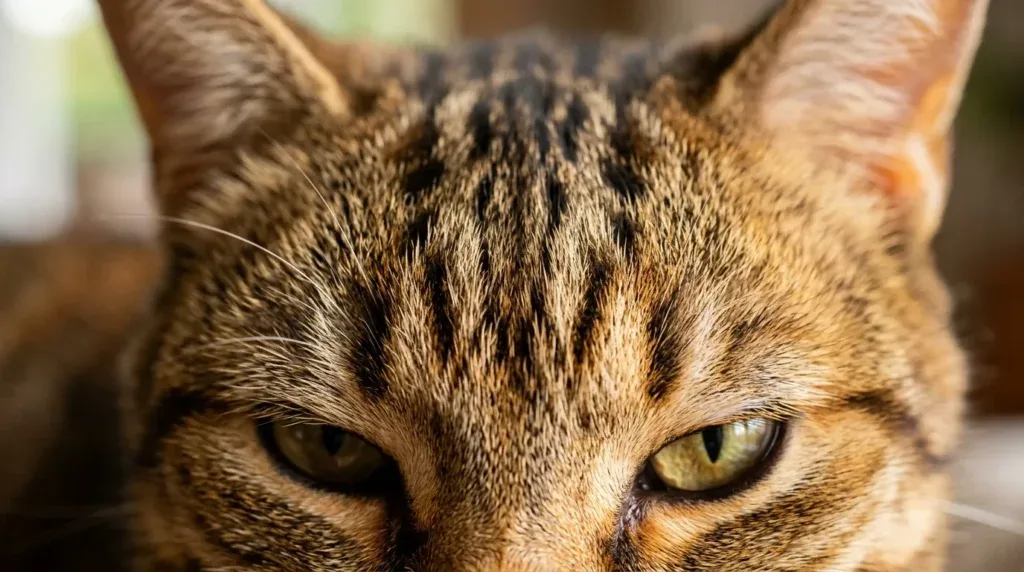
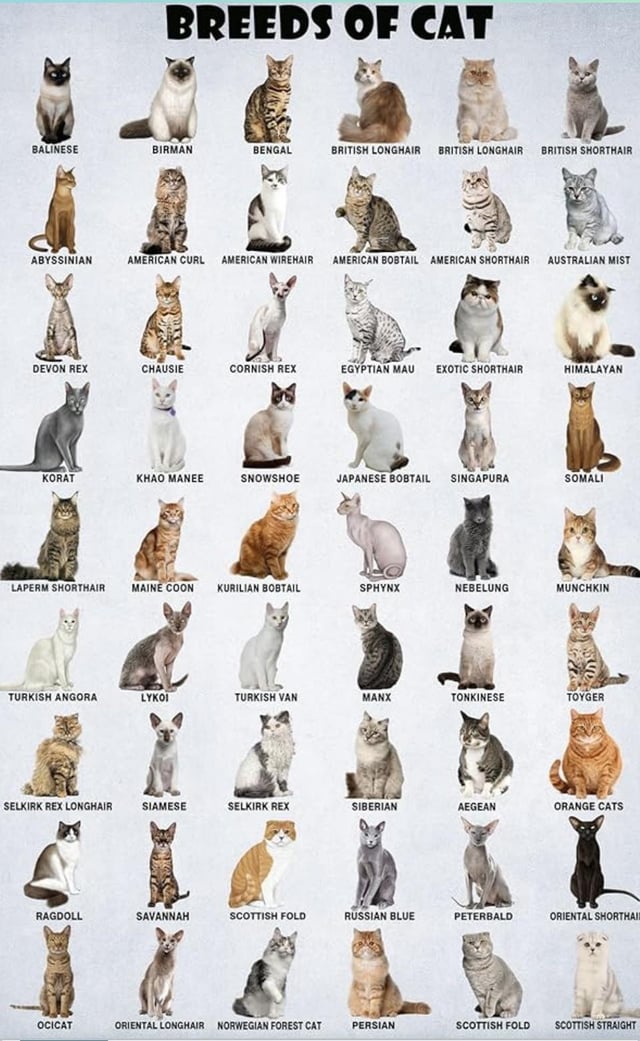
Spotting unique features in your cat helps identify its breed. Observe coat patterns, eye color, and body size. Tail shape and ear placement also provide important clues.
Identifying your cat’s breed is both fun and informative. Physical traits provide helpful clues. These traits can guide you in understanding your feline friend better. Let’s explore some key areas to focus on.
Coat Patterns And Colors
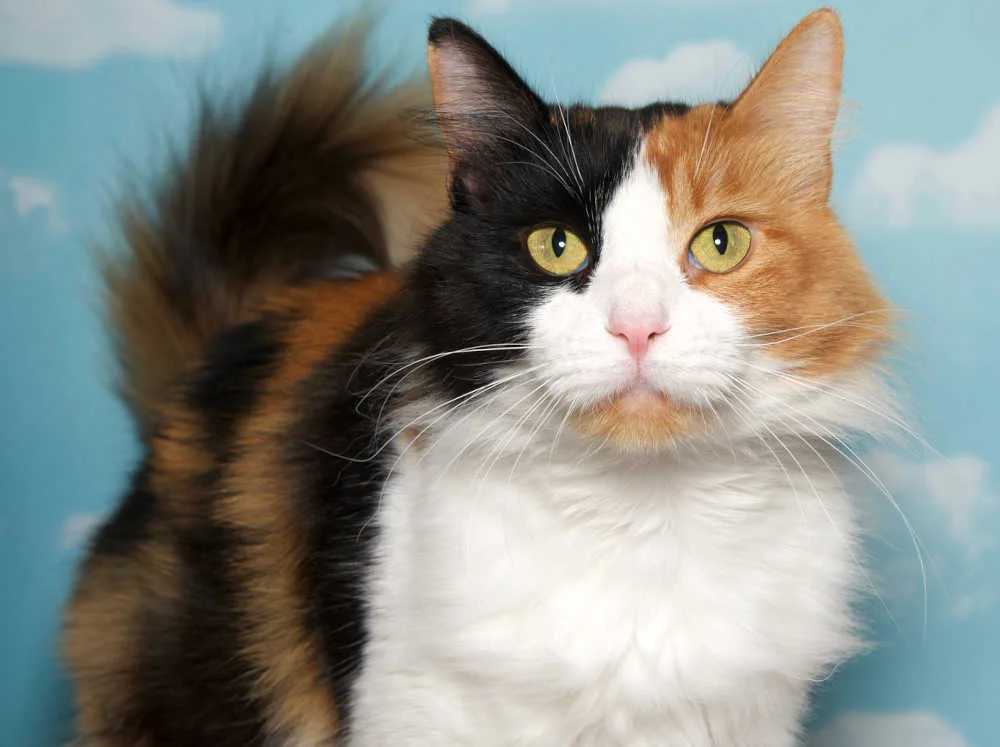
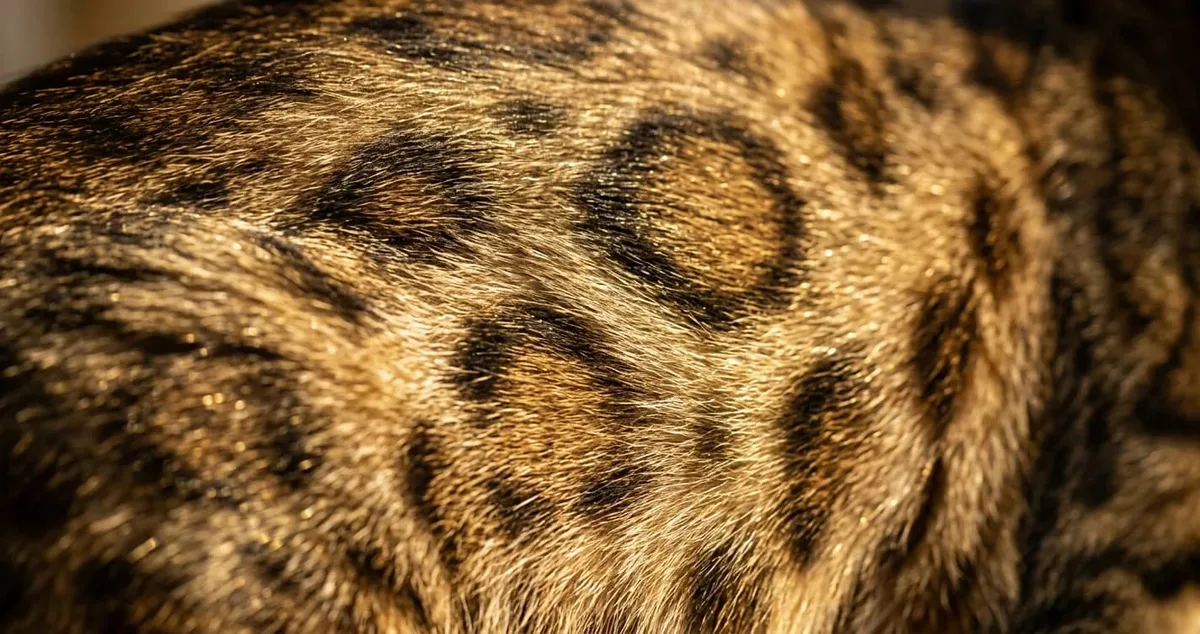
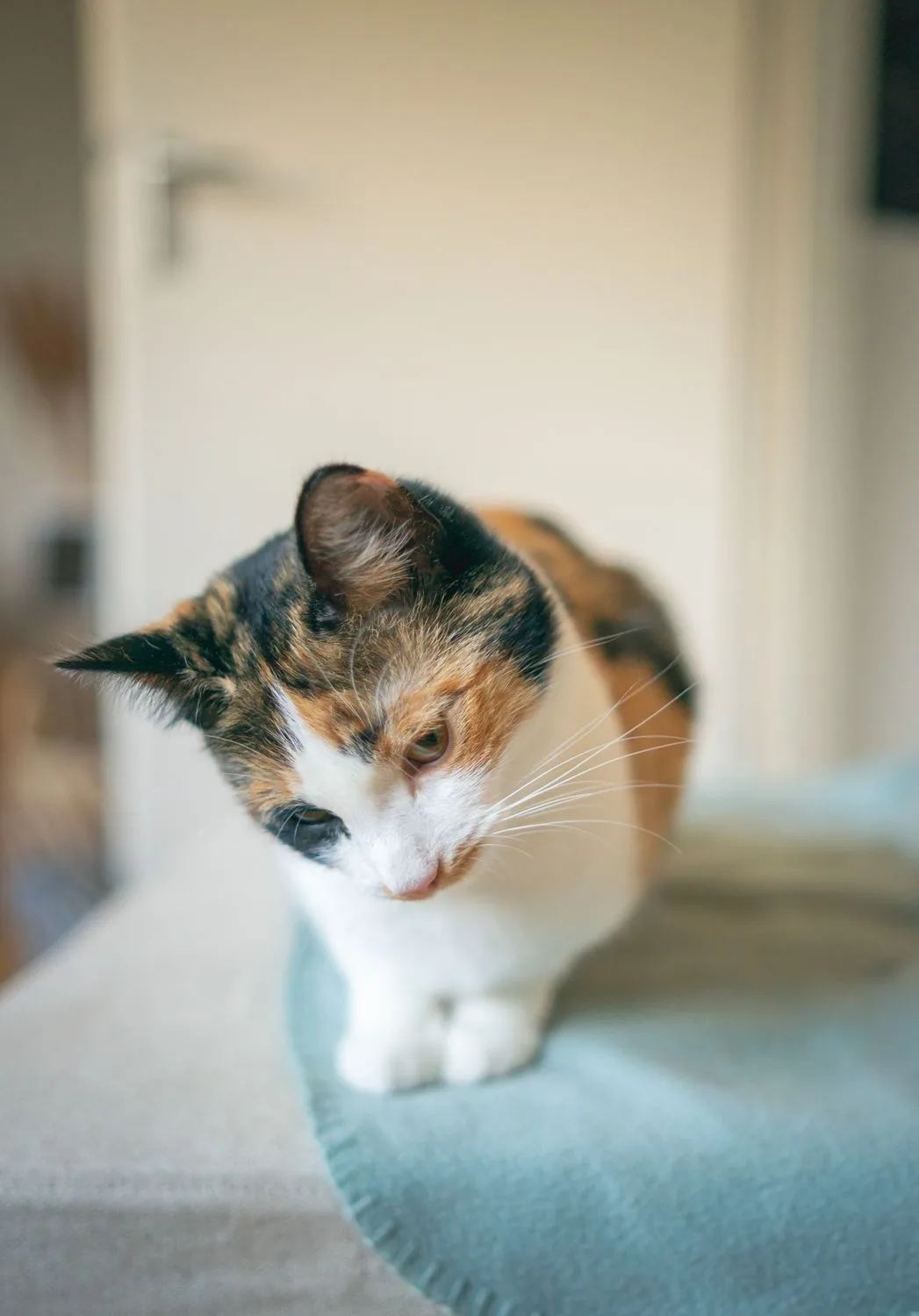
Cats come in many colors and patterns. A tabby cat has stripes or spots. A calico cat displays patches of orange, black, and white. Solid-colored cats, like black or white, are also common. Some breeds have unique coats. For example, Siamese cats have a pointed pattern. Observe your cat’s coat closely. It might reveal its breed.
Body Structure And Size
The size and shape of your cat’s body can provide hints. Maine Coons are large with bushy tails. Siamese cats are slender and graceful. Persian cats have a stocky build. Consider your cat’s length and height. Also, note the tail and leg lengths. These can signal specific breeds.
Distinctive Facial Features
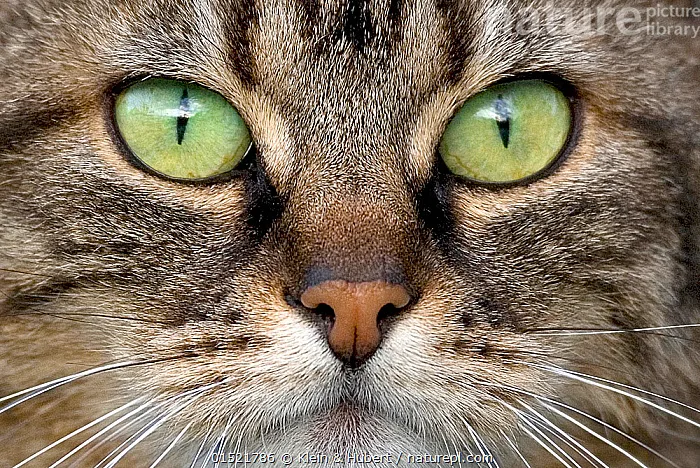
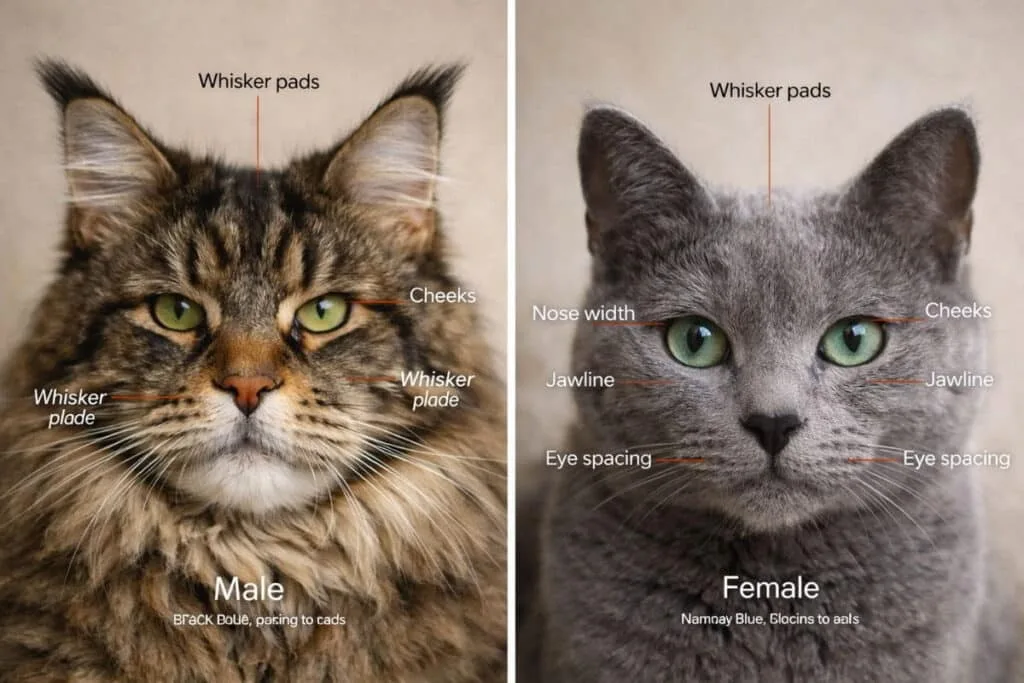
A cat’s face can tell a lot. Persian cats have flat faces with round eyes. Siamese cats have almond-shaped eyes and large ears. Scottish Folds have unique folded ears. Observe your cat’s face closely. It might reveal distinctive breed traits. Look at the eye shape and nose size. Even the ear shape can be a clue.

Credit: cattree.uk
Behavioral Characteristics
Identifying your cat’s breed involves observing its behavior. Some cats are playful, while others prefer solitude. Look for unique traits, such as vocalization patterns or social habits, to determine the breed. These behavioral characteristics often hint at specific breeds, helping you understand your feline friend better.
Understanding the behavioral characteristics of your cat can provide valuable insights into their breed. While physical traits might give you some hints, a cat’s behavior often reveals the subtleties of their genetic lineage. Observing their actions, moods, and interactions can guide you toward a more accurate identification of their breed. Let’s dive into how temperament, activity, and socialization can be revealing.
Temperament And Personality
Your cat’s temperament can be a window into their breed. Some breeds are known for their calm and affectionate nature, while others might be more independent or feisty. Consider how your cat reacts to new situations. Do they approach new experiences with curiosity or caution? My own cat, whom I suspected was part Maine Coon, showed a gentle demeanor and seemed unfazed by loud noises or strangers. This was a trait often associated with the Maine Coon breed.
Activity Levels And Habits
How active is your cat during the day? Some breeds, like the Siamese, are known for their high energy and playful antics. Others, such as the Persian, prefer a leisurely pace with frequent naps. Notice the times your cat is most active. Are they nocturnal or do they enjoy sunny spots during the day? These habits can offer clues to their breed lineage.
Socialization Tendencies
Observe how your cat interacts with humans and other animals. Some breeds thrive on companionship and are very social, while others might enjoy solitude. Does your cat follow you around or do they retreat to a favorite hiding spot? I recall my friend’s Ragdoll cat, who would greet everyone at the door, showcasing the breed’s social nature. It’s moments like these that can help pinpoint your cat’s breed characteristics. Take time to reflect on your cat’s unique behaviors. They may be telling you more about their breed than you realize. What quirky habits does your cat have that might be breed-specific?
Consulting Breed Guides
Discovering your cat’s breed is easy with consulting breed guides. These resources help identify physical traits and behavior patterns. Understanding your feline’s breed enhances care and deepens your bond.
Consulting breed guides can help identify your cat’s breed. These resources provide detailed information on physical traits and characteristics. Understanding these can give insights into your cat’s lineage.
Popular Breed Books
Many books cover cat breeds extensively. They often include high-quality images and descriptions. “The Cat Encyclopedia” is a popular choice. It offers detailed information on numerous breeds. Another well-regarded book is “The Complete Cat Breed Book”. It provides insights into breed history and care needs. Visiting a local library or bookstore can yield more options. These books are great for hands-on learning.
Online Resources And Databases
The internet offers a wealth of cat breed information. Websites like The International Cat Association provide detailed breed standards. Cat Fanciers’ Association also has a comprehensive breed list. These sites often have images and breed histories. They help in comparing your cat’s traits with known breeds. Forums and breed-specific communities offer personal insights. They can be a great place to ask questions and share experiences.
Mobile Apps For Cat Breeds
Several apps can assist in identifying cat breeds. Apps like “Cat Scanner” use photos to suggest breeds. They analyze your cat’s features and provide possible matches. “Cat Breed Identifier” is another popular app. It offers a user-friendly interface and detailed breed information. These apps are convenient and easy to use. They make learning about your cat’s breed fun and interactive.

Credit: www.pinterest.com
Seeking Professional Advice
Identifying your cat’s breed can be challenging. Consult a vet for professional advice. They can analyze physical traits and behavior to determine the breed.
Understanding your cat’s breed can be a fascinating journey that involves more than just a glance at their fur color or eye shape. Sometimes, you need a little help from professionals who have the expertise to identify those subtle traits that make your feline unique. Whether it’s through a vet consultation or insights from cat show judges, seeking professional advice can offer clarity on your cat’s lineage and characteristics. You might be surprised at what these experts can reveal about your furry friend.
Veterinarian Consultations
Your veterinarian is often the first point of contact when you have questions about your cat’s breed. They can provide informed insights based on physical characteristics and health profiles. During your visit, ask specific questions about traits and behaviors that might align with certain breeds. Vets can also refer you to specialists if needed, offering a pathway to more detailed genetic analysis. Remember, their familiarity with a wide range of breeds means they might notice features you overlook.
Animal Genetics Experts
If you’re looking for precise answers, animal genetics experts can delve into your cat’s DNA. These professionals conduct tests that map out genetic markers, offering definitive insights into your pet’s breed. Imagine discovering that your seemingly ordinary tabby carries genes from a rare breed—it’s an eye-opening revelation. Genetic testing can be a thrilling way to learn more about your cat’s ancestry, providing a scientific approach to your curiosity.
Cat Show Judges Insights
Cat show judges are trained to spot breed-specific traits with an eagle eye. Attending a local cat show and speaking with judges can be an enlightening experience. They assess everything from body structure to unique mannerisms. Engage them with questions about your cat’s appearance or behaviors. You might leave with unexpected insights that redefine how you view your pet. Have you ever considered that your cat’s quirky tail flick might be a breed-specific trait? Seeking professional advice is not just about confirming your cat’s breed—it’s about discovering more about your pet’s story. So why not take a step further and see what the experts have to say?
Using Genetic Testing
Discover your cat’s breed using genetic testing. This simple process reveals your pet’s ancestry and traits. Uncover fascinating details about your feline friend with ease and accuracy.
Understanding the breed of your cat can be as simple as observing its physical traits or as complex as diving into its genetic makeup. If you’ve ever wondered about the mysterious lineage of your feline friend, using genetic testing can offer some concrete answers. It’s a fascinating process that allows you to uncover your cat’s breed composition, health predispositions, and even quirky traits you might not have noticed before. But how does it work, and is it worth the investment?
Dna Testing Kits
DNA testing kits for cats are becoming increasingly popular. They come with everything you need to collect your cat’s DNA, typically through a simple cheek swab. You send this sample to a laboratory where it is analyzed for specific genetic markers associated with different breeds. These kits are user-friendly and often provide results that include a detailed breed breakdown. Some even offer insights into your cat’s health and personality traits. When choosing a kit, consider the reputation of the company and the comprehensiveness of the information provided.
Interpreting Genetic Results
Once you receive your cat’s genetic results, you might be surprised at the diversity in your cat’s ancestry. The results usually come with a percentage breakdown of the breeds present in your cat’s DNA. This can be both exciting and enlightening. Understanding these results can help you cater better to your cat’s specific needs. If your cat has a significant percentage of a breed known for certain health issues, you can proactively manage their health. But remember, these results are best viewed as a guide rather than a definitive answer.
Limitations Of Genetic Testing
While genetic testing offers valuable insights, it does have its limitations. The accuracy of these tests depends on the size and diversity of the reference database used by the testing company. Some breeds may not be well-represented, potentially skewing results. Additionally, genetic testing cannot account for environmental factors that shape your cat’s behavior and appearance. It’s also worth noting that these tests can sometimes identify a mix of breeds, leaving you with a broad understanding rather than pinpoint precision. Is knowing your cat’s exact breed essential to how you care for them? Perhaps not, but genetic testing can certainly deepen your understanding and appreciation of your feline companion.
Exploring Mixed Breeds
Curious about your cat’s breed? Examine their physical traits like fur patterns and ear shapes. DNA tests offer precise results, revealing your feline’s ancestry.
Exploring mixed breeds in cats can be an exciting journey. These unique felines are a blend of various cat breeds. They often possess a fascinating mix of physical traits and behaviors. Understanding your cat’s mixed heritage can deepen your bond with them. Let’s dive into the world of mixed breed cats and uncover their secrets.
Identifying Mixed Traits
Mixed breed cats often exhibit diverse physical traits. They may have the coat of one breed and the eyes of another. Look for unique features like ear shape, fur pattern, and size. These can give clues about your cat’s lineage. Observing their body structure also helps. Some may have the sleek body of an Oriental breed. Others might showcase the robust build of a Maine Coon.
Common Mixed Breed Combinations
Certain mixed breed combinations are more common. The Siamese and Domestic Shorthair mix is popular. It often results in a sleek cat with striking blue eyes. The Persian and Maine Coon mix is another favorite. These cats usually have long hair and a gentle temperament. Each combination creates a unique cat with its own charm.
Understanding Mixed Breed Behavior
Mixed breed cats can display varied behaviors. They may inherit social traits from one breed and independent traits from another. Some might be vocal like Siamese cats. Others could be laid-back like Ragdolls. Watching your cat’s behavior gives insights into their mixed heritage. Understanding these behaviors helps in nurturing a happy, healthy feline friend.

Credit: www.reddit.com
Frequently Asked Questions
How Do I Figure Out What Breed My Cat Is?
Identify your cat’s breed by examining physical traits like fur length, color, and patterns. Compare these with breed standards online. Genetic testing kits offer detailed insights into your cat’s ancestry. Consult a vet or feline expert for professional advice.
Can Google Lens Identify Cat Breeds?
Yes, Google Lens can identify cat breeds. It uses image recognition technology to analyze and match cat images. Results can vary based on image quality and breed uniqueness. For best results, provide clear pictures. It’s a helpful tool for cat enthusiasts and pet owners.
How Can I Identify A Cat?
Identify a cat by its triangular ears, whiskers, and retractable claws. Cats have a sleek body and soft fur. They often exhibit playful behavior and purring sounds. Look for a long tail and distinctive meowing to confirm it’s a cat.
How Much Is It To Find Out What Breed My Cat Is?
Cat DNA tests typically cost between $50 and $150. Prices vary by provider and test complexity. Some offer detailed reports on breed, health, and ancestry. Always compare features before purchasing to ensure it meets your needs.
Conclusion
Discovering your cat’s breed can be an exciting journey. Start with observing their unique traits. Look at fur patterns, eye color, and size. Use online tools for quick insights. Ask your vet for professional advice. Consider DNA tests for more details.
These tips help you learn more about your cat. Understanding breeds enhances your connection with them. Enjoy your exploration. Your cat’s breed reveals more than you think. It’s about knowing your furry friend better. Each cat is special. Embrace their uniqueness.
Share your findings with fellow cat lovers. Happy discovering!

Similar Posts