Are fleas turning your furry friend’s life into a constant itch-fest, but the thought of giving your cat a bath sends shivers down your spine? You’re not alone.
Many cat owners dread bath time, and for good reason—most cats are not fans of water. The good news is, you don’t have to wrestle with your feline to keep those pesky fleas at bay. Imagine a stress-free solution that keeps your cat happy and flea-free, without a single drop of water.
Sounds like a dream, right? Stick around as we dive into effective methods that will help you get rid of fleas on your cat without the dreaded bath. Your feline friend—and your sanity—will thank you!
Credit: vetic.in
Identify Flea Infestation
Fleas can cause your cat significant discomfort. Identifying a flea infestation early can prevent further issues. Knowing what to look for is crucial. Fleas are small, but their presence leaves signs. Understanding these signs helps you take action quickly.
Signs Of Fleas On Cats
Is your cat scratching more than usual? This is a common sign. Fleas bite and cause itching. Check for small, red bumps on the skin. These bumps are flea bites. Flea dirt, or flea feces, is another indicator. It looks like tiny black specks on your cat’s fur. Comb your cat with a fine-toothed comb. If you find specks, it’s likely flea dirt.
Flea Lifecycle And Behavior
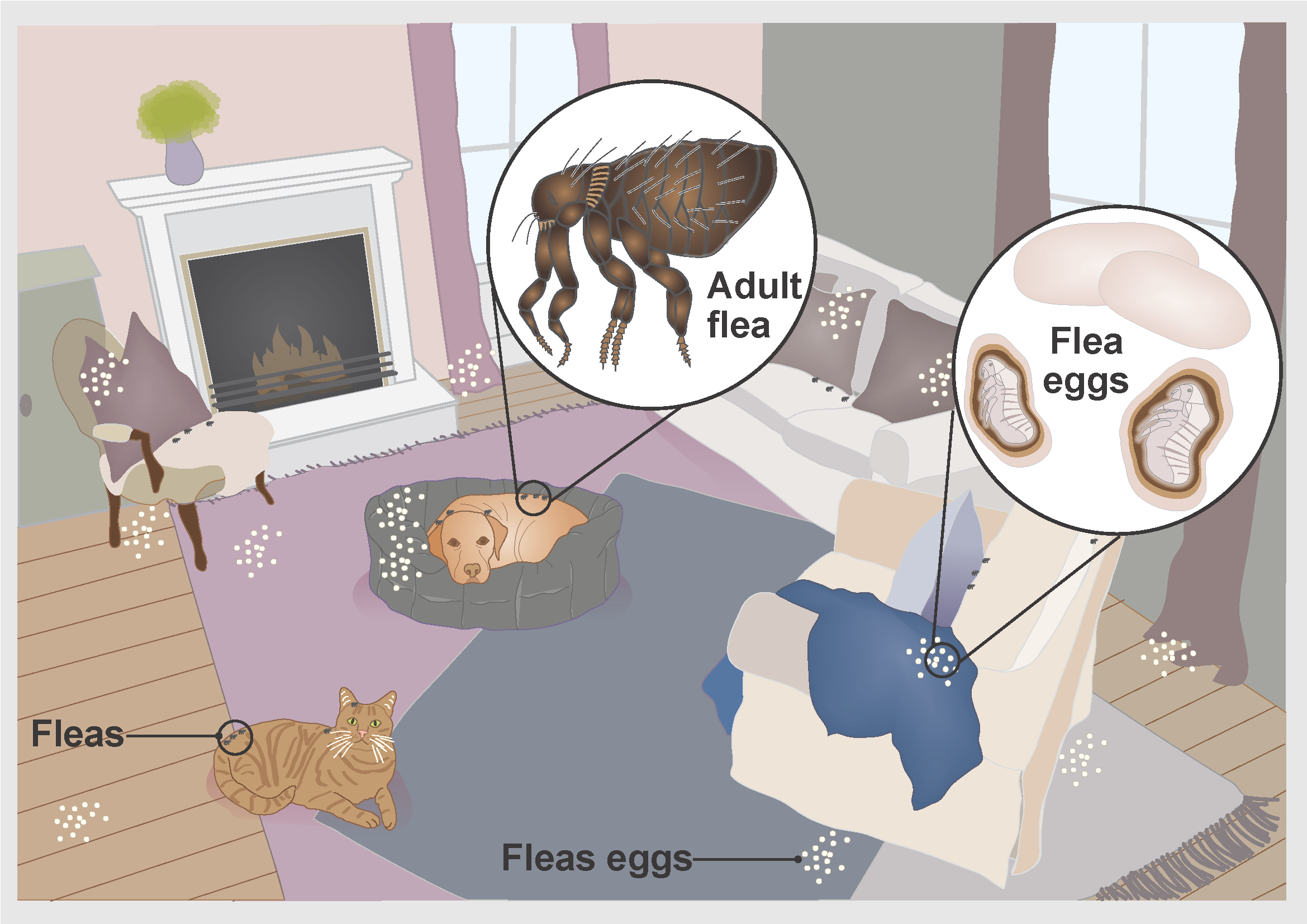
Understanding fleas helps in dealing with them. Fleas have a four-stage lifecycle. Egg, larva, pupa, and adult. Adult fleas live on your cat. They lay eggs in the fur. These eggs fall off and hatch elsewhere. Larvae feed on organic matter. They later turn into pupae. Pupae develop into adult fleas. Adult fleas can jump onto your cat again.
Fleas multiply quickly. One female flea lays up to 50 eggs daily. This rapid reproduction makes infestations hard to control. Fleas are attracted to warmth and movement. They can hide in carpets, bedding, and furniture. Regular checks are essential to keep your cat flea-free.
Natural Flea Remedies
Eliminate fleas on cats naturally using diatomaceous earth. Sprinkle it on your cat’s fur and gently brush. Lavender essential oil can also help. Apply a few drops diluted in water to a collar. Keep your cat flea-free without a bath.
When fleas become an uninvited guest on your beloved cat, finding ways to eliminate them without a stressful bath can be a relief. Natural flea remedies offer a gentle yet effective approach, using ingredients you might already have at home. These methods can be a game-changer in maintaining your cat’s comfort without the hassle of a watery ordeal.
Diatomaceous Earth
Diatomaceous earth is a natural powder made from fossilized algae. It’s safe for your cat but deadly for fleas. Sprinkle a thin layer on your cat’s bedding and around your home. This powder dries out fleas, causing them to perish. Remember, use food-grade diatomaceous earth to ensure safety. Have you noticed your cat scratching less after using this? Many pet owners swear by its effectiveness. It’s an easy solution that requires minimal effort and can be a lifesaver when baths are out of the question.
Apple Cider Vinegar Solution
Apple cider vinegar is more than a kitchen staple; it’s a powerful flea deterrent. Mix equal parts water and apple cider vinegar in a spray bottle. Lightly mist your cat’s fur, avoiding the eyes and ears. This solution changes the pH of your cat’s skin, making it less appealing to fleas. Have you tried this before and seen your cat’s relief? It’s surprising how a simple spray can make such a difference. If your cat dislikes baths, this method can be a gentle alternative.
Herbal Flea Collars
Herbal flea collars offer an ongoing defense against fleas. These collars are infused with natural oils like eucalyptus and citronella, which repel fleas. Place a collar on your cat and let it work its magic. Ever watched your cat roam freely without scratching incessantly? Herbal flea collars can provide peace of mind as they guard your furry friend against infestations. Plus, they’re simple to use and don’t require any messy application. Natural flea remedies can be your ally in keeping your cat flea-free without the drama of bath time. Which method will you try next?
Chemical-free Flea Treatments
Tackling fleas on cats can be done without a bath. Use flea combs to catch and remove fleas. Natural powders like diatomaceous earth can be sprinkled on fur to kill fleas. Regular vacuuming and washing your cat’s bedding also helps.
These methods are safe and chemical-free.
Chemical-free flea treatments offer a safe way to protect your cat. These methods avoid harsh chemicals and are gentle on your pet’s skin. They help to maintain the natural balance of your cat’s health. Let’s explore effective options to combat fleas without using water.
Flea Combs And Grooming
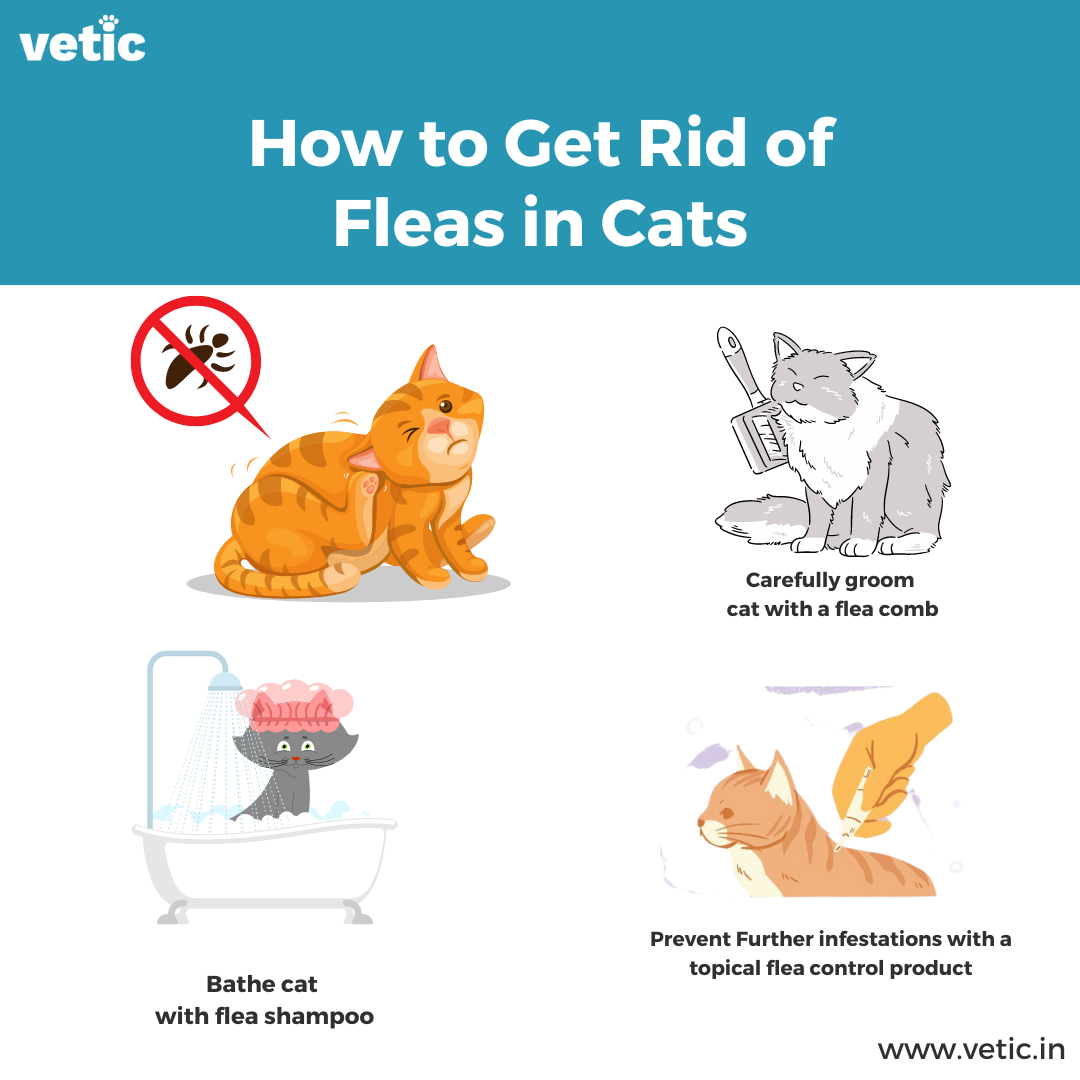
A flea comb is a simple tool for removing fleas. Its teeth are finely spaced to catch fleas and their eggs. Regular combing keeps fleas away and helps to monitor flea activity. Grooming also strengthens your bond with your cat.
Essential Oils For Fleas
Essential oils can repel fleas naturally. Lavender and cedarwood are popular choices. Mix a few drops with water and spray lightly on your cat. Always check for any skin reactions. Avoid direct contact with your cat’s skin to ensure safety.
Non-toxic Flea Sprays
Non-toxic flea sprays offer quick relief from fleas. They contain natural ingredients like vinegar and lemon. Spray on your cat’s fur and around your home. This keeps fleas at bay without harming your pet. Regular application helps maintain a flea-free environment.
Environmental Control
Fleas on cats can be eliminated without bathing using effective methods like flea combs and topical treatments. Regular vacuuming and washing pet bedding also help control fleas. Natural remedies, such as diatomaceous earth, offer a chemical-free option to tackle these pesky insects.
Getting rid of fleas on your cat without giving them a bath might seem challenging, but addressing the environment your pet lives in can be a game-changer. Fleas thrive not just on your pet, but in their surroundings, making environmental control crucial. By focusing on key areas of your home and yard, you can effectively reduce the flea population and create a safer space for your furry friend.
Vacuuming And Cleaning
Regular vacuuming is a powerful weapon against fleas. Make it a habit to vacuum carpets, rugs, and upholstery at least twice a week. Pay special attention to areas where your cat spends most of its time, like under furniture and in corners. Dispose of the vacuum bag or empty the canister immediately after each session. This prevents fleas from escaping back into your home. Using a vacuum with a HEPA filter can also help trap allergens and flea eggs more effectively.
Bedding And Fabric Treatment
Cat bedding is a hotspot for fleas. Wash your cat’s bedding in hot water weekly to kill fleas and their eggs. Drying on high heat adds an extra layer of protection. Consider using a pet-safe flea spray or powder on carpets and upholstery. These treatments can provide an additional line of defense, ensuring fleas have nowhere to hide. Always check that any product used is safe for pets.
Outdoor Flea Prevention
Your yard can be a breeding ground for fleas. Keep your grass trimmed and remove any debris or leaf piles where fleas might thrive. Fleas love humid environments, so reducing moisture by fixing leaky faucets or improving drainage can deter them. Think about using natural outdoor flea repellents, like diatomaceous earth, which is safe for pets. Sprinkle it lightly in areas where your cat likes to roam. Be mindful of applying it after rain, as it can lose effectiveness when wet. By taking these steps, you not only protect your cat but also your household from these pesky invaders. Have you considered how environmental changes might impact your pet’s well-being? Making small adjustments can lead to a flea-free home and a happier, healthier cat.
Dietary And Health Considerations
Dietary and health considerations can play a vital role in managing fleas on cats without bathing them. Adjusting your cat’s diet can strengthen their immune system, making them less susceptible to flea infestations. Ensuring a healthy diet is essential for your cat’s well-being. Let’s explore immune-boosting foods and supplements that can aid in flea resistance.
Immune-boosting Foods
Some foods enhance your cat’s immune system. Salmon is rich in omega-3 fatty acids, which improve skin health. A healthy skin barrier makes it harder for fleas to thrive. Pumpkin is another excellent food. It’s full of vitamins A and C. These vitamins help build a strong immune system. Adding small amounts of spinach can also be beneficial. Spinach provides iron and antioxidants, supporting overall health.
Supplements For Flea Resistance
Supplements can also aid in flea resistance. Brewer’s yeast is a popular option. It contains vitamins that improve skin health. A cat with healthy skin is less attractive to fleas. Omega-3 supplements can enhance the benefits of omega-rich foods. They reduce inflammation and bolster skin defenses. Probiotics are another useful supplement. They support gut health, which indirectly boosts the immune system.
Credit: www.embassyofpakistanusa.org
When To Seek Veterinary Help
Persistent scratching and red bumps on your cat’s skin signal potential flea infestation. Consult a vet if at-home remedies don’t work or your cat shows signs of discomfort, such as excessive grooming or lethargy.
When your efforts to eliminate fleas from your cat without bathing seem futile, it might be time to consider seeking veterinary help. While home remedies and over-the-counter products can be effective, sometimes they just aren’t enough. Understanding when to involve a professional can save your cat from discomfort and potential health issues.
Persistent Flea Problems
If your cat continues to scratch excessively despite using flea combs and topical treatments, it might indicate a persistent flea problem. You may notice fleas returning shortly after treatment or an increase in flea dirt on your cat’s skin. This persistence could mean that the infestation is severe or that your current methods aren’t effective. Consulting a vet can help in identifying the right flea control measures. They can recommend stronger prescription treatments that may not be available over-the-counter. A vet’s expertise ensures that your cat is getting the best possible care tailored to their specific needs.
Signs Of Allergic Reactions
Is your cat showing signs of intense itching, redness, or even hair loss? These could be signs of an allergic reaction to flea bites, known as flea allergy dermatitis. Cats with this condition react more severely to flea saliva, causing heightened discomfort. A vet can provide antihistamines or corticosteroids to manage these allergic reactions. These medications can reduce inflammation and alleviate your cat’s discomfort. Remember, ignoring these signs can lead to more serious skin infections. Have you noticed any unusual behavior in your cat related to fleas? Seeking veterinary advice can be a proactive step in safeguarding your pet’s health. A vet visit ensures that your cat gets a comprehensive examination, ruling out other potential health issues.
Credit: www.adamspetcare.com
Frequently Asked Questions
What Kills Fleas On Cats Immediately?
Use fast-acting flea treatments like Capstar, which kills fleas on cats within 30 minutes. Always consult your vet before use.
How Do I Draw Fleas Off My Cat?
Use a flea comb to gently remove fleas from your cat’s fur. Bathe your cat using a vet-approved flea shampoo. Regularly clean your cat’s bedding and vacuum your home. Consider using a veterinarian-recommended flea treatment or prevention product for long-term control.
Always consult a vet for severe infestations.
Do I Need To Bathe My Cat To Get Rid Of Fleas?
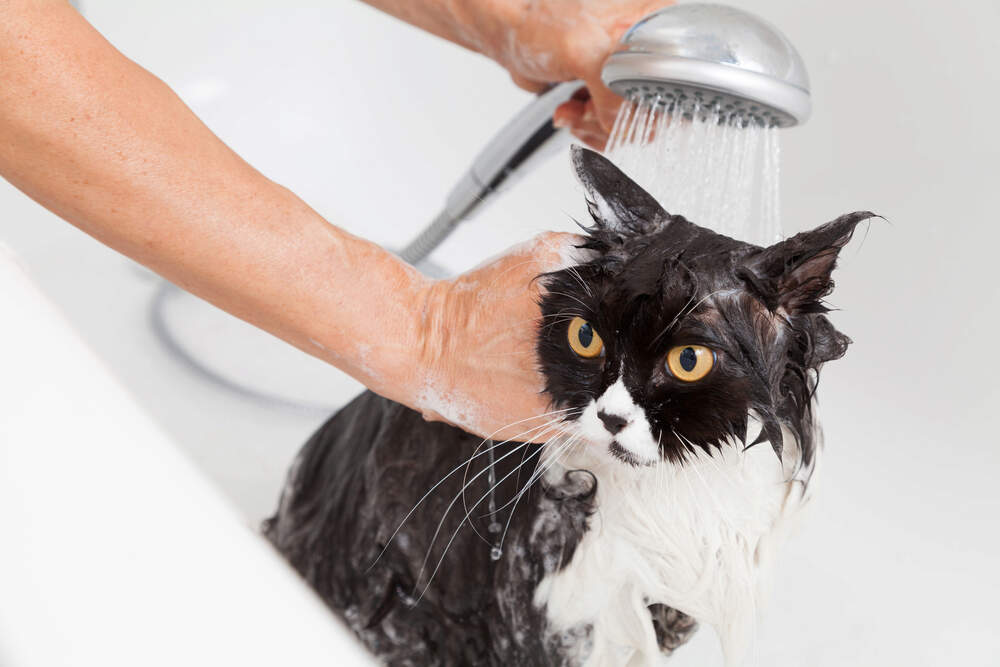
Bathing your cat can help remove fleas, but it’s not always necessary. Use vet-recommended flea treatments. Consult a veterinarian for the best advice and products. Regular grooming and cleaning your cat’s environment also aid in flea control. Always prioritize your cat’s comfort and health.
What Kills Fleas On Contact Without Bathing?
Use a flea spray containing natural ingredients like lemon or vinegar. Diatomaceous earth can also kill fleas on contact. Essential oils like lavender or peppermint repel fleas effectively. Ensure to treat home surfaces and pet bedding for best results. Always follow product instructions and consult a vet.
Conclusion
Caring for your cat without a bath is possible. Use safe flea treatments. Regularly comb your cat to remove fleas. Vacuum your home often to tackle fleas. Clean your cat’s bedding and environment. Check for fleas regularly to catch them early.
Simple steps can keep your cat flea-free. Your cat stays comfortable and happy. No stress from baths needed. Fleas can be managed with patience and care. Your furry friend deserves a flea-free life. Keep these methods in mind. Enjoy peace of mind and a healthy cat.