Why are Some Cats Hairless: Unveiling Feline Mysteries
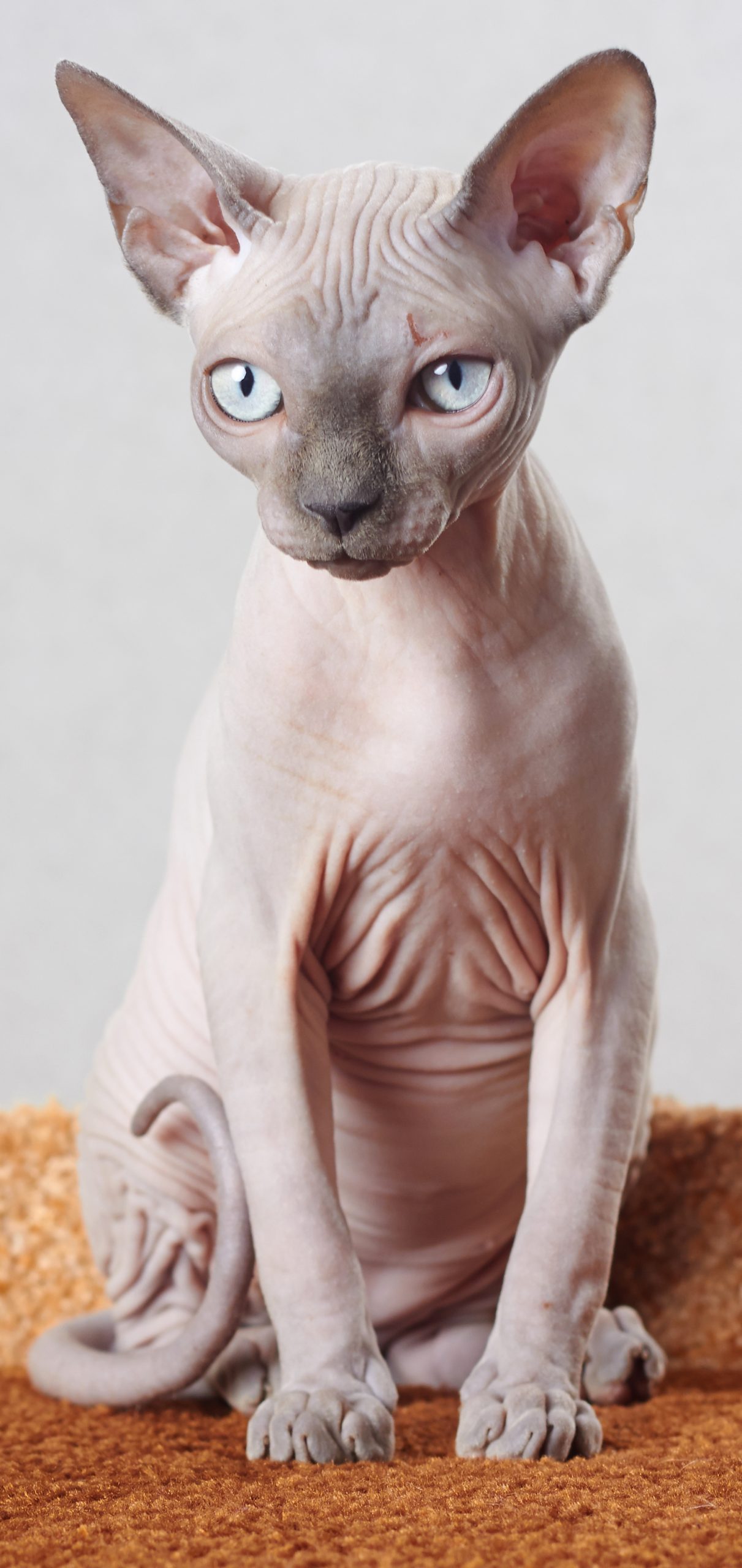
Have you ever wondered why some cats are completely hairless? Picture a cat without the typical fluffy coat, showcasing smooth and bare skin instead.
You might find yourself intrigued by their unique appearance, and perhaps even a bit captivated. These hairless cats, with their striking look, prompt curiosity about what makes them different from their furry cousins. As you delve into this fascinating topic, you’ll uncover the reasons behind their hairlessness.
Whether it’s genetics, evolution, or something else entirely, understanding these captivating creatures might just change how you view them. So, prepare to be surprised and enlightened as you discover why these peculiar felines are unlike any others.

Credit: en.wikipedia.org
The Origin Of Hairless Cats
Hairless cats captivate with their unique appearance. Their lack of fur intrigues many pet lovers. But where do these fascinating felines come from? Discover the origin of hairless cats. Explore ancient breeds and genetic mutations that led to their hairless trait.
Ancient Breeds
Ancient civilizations first noticed hairless cats. Aztecs revered these unique creatures. They believed hairless cats held mystical powers. Mexican Hairless Cats are one such breed. Native to regions in Mexico. Their existence dates back hundreds of years.
These cats adapted to hot climates. Their hairlessness helped them survive extreme temperatures. Their lack of fur may have been an evolutionary advantage. Ancient people valued them for their rarity and charm. These breeds laid the foundation for modern hairless cats.
Genetic Mutations
Genetic mutations contribute to hairless cats. A spontaneous change in genes can cause hairlessness. The Sphynx is a well-known example. Originating from a genetic mutation in the 1960s. Breeders embraced this unique trait.
Such mutations are rare but natural. They create diversity in cat breeds. Hairless cats often result from these genetic changes. This trait has been passed down to future generations. Breeders continue to refine these mutations.
Genetic mutations add variety to feline species. They lead to the creation of unique breeds. Hairlessness is just one fascinating outcome. These mutations ensure a wide range of cat characteristics.
Popular Hairless Cat Breeds
Certain genetic mutations cause some cats to be hairless, resulting in unique and popular breeds like the Sphynx and Peterbald. These cats are known for their distinctive appearance and affectionate nature. Lack of fur leads to a closer bond with their owners, as they often seek warmth and comfort.
If you’ve ever encountered a hairless cat, you might have been startled by its smooth, warm skin. These unique felines capture attention and hearts with their distinct appearance and affectionate nature. Hairless cats are not a result of a modern trend but stem from natural genetic mutations. Let’s explore some of the most popular breeds that fall into this fascinating category.Sphynx
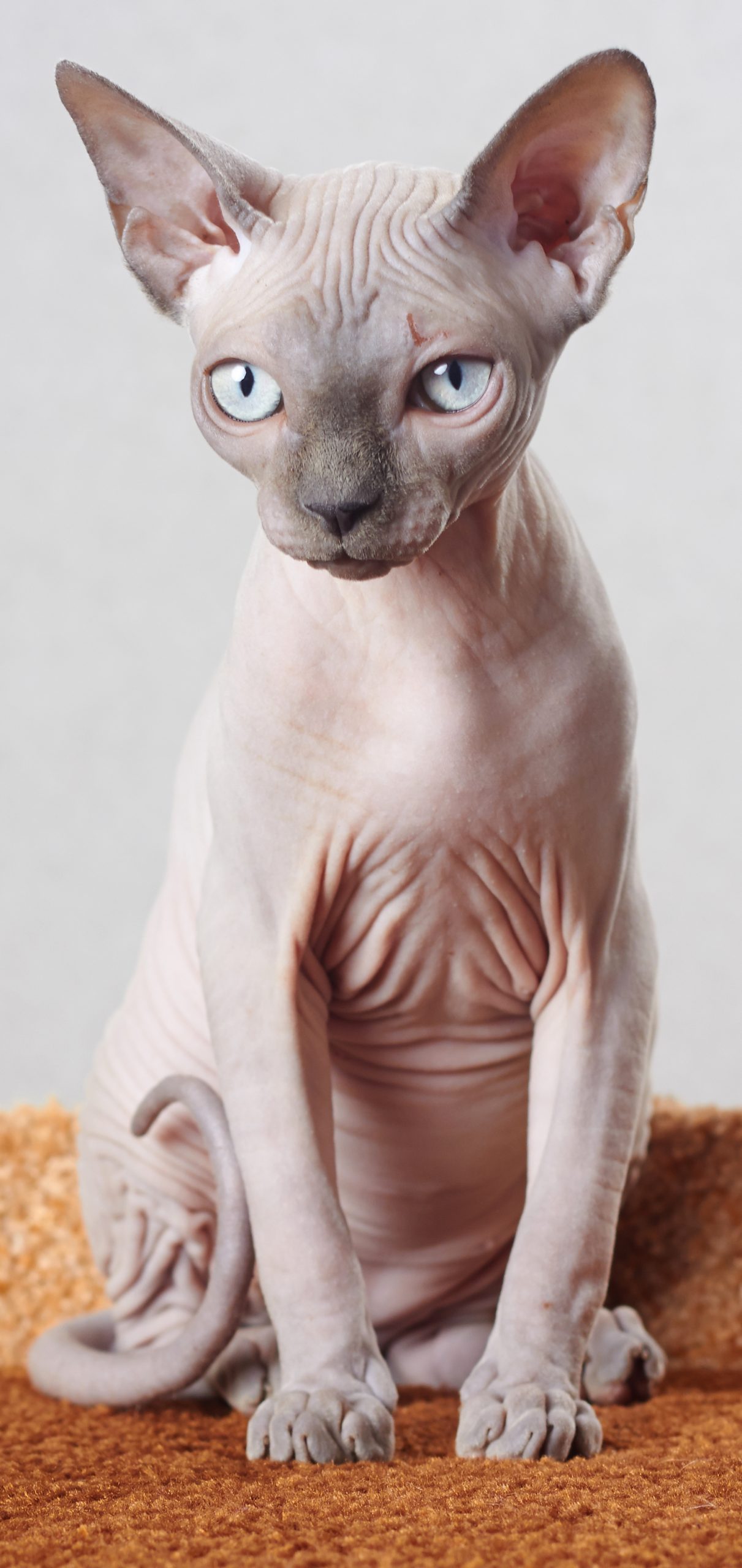
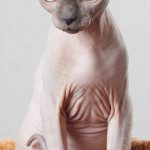
The Sphynx is perhaps the most well-known hairless cat breed. Originating from Canada, this breed emerged in the 1960s. Their lack of fur is due to a genetic mutation that causes them to have a soft, suede-like skin. Sphynx cats are known for their playful and energetic personalities. They often act like a dog, following you around the house and greeting guests at the door. If you’ve ever owned a Sphynx, you know how they love to snuggle for warmth, often burrowing under blankets or cuddling next to you.Peterbald
The Peterbald is another fascinating hairless breed. This breed was developed in Russia in the 1990s by crossing a Donskoy cat with an Oriental Shorthair. The result is a sleek, elegant cat that can be hairless or have a short, fuzzy coat. These cats are intelligent and curious. They enjoy climbing and exploring every corner of your home. If you’re looking for a cat that will keep you on your toes, the Peterbald might be the perfect companion.Donskoy
The Donskoy, also known as the Don Sphynx, hails from Russia. This breed was first discovered in 1987 when a hairless kitten was found and later bred to create more of its kind. Unlike the Sphynx, the Donskoy’s hairlessness is due to a dominant gene. Donskoys are known for their loyal and social nature. They thrive on interaction and enjoy being part of a family. Have you ever considered how a pet could become your shadow? The Donskoy exemplifies this, often choosing to follow its owner everywhere. Hairless cats are more than just their appearance. They offer unique companionship and require special care due to their lack of fur. Which breed piques your interest the most, and how might it fit into your life?Genetics Behind Hairlessness
Cats with no fur often fascinate us. But why are some cats hairless? The secret lies in their genetics. Specific genes control this unique trait. These genes affect the development of hair follicles. Understanding these genetic factors can explain the hairless appearance.
Hairless cats, like the Sphynx, have a unique genetic makeup. Their appearance is due to mutations in certain genes. These mutations alter the normal growth of hair. This results in the distinct hairless look.
Role Of The Gene
A specific gene, known as the “hr” gene, plays a crucial role. This gene affects hair growth. In hairless cats, the “hr” gene is altered. This alteration leads to less hair production. Another gene, the “KRT71” gene, is also involved. It impacts the structure of hair follicles. Both genes contribute to the hairless trait.
These genes don’t completely stop hair growth. Some hairless cats may have fine down or fuzz. But, the genes significantly reduce the amount of visible fur. This gives hairless cats their signature look.
Inheritance Patterns
Genetic traits pass from parents to offspring. Hairlessness follows a specific inheritance pattern. The trait is often dominant. This means one parent with the gene can pass it on. In some breeds, the trait is recessive. Both parents must carry the gene for it to appear.
Breeders often use selective breeding. They aim to maintain or enhance the hairless trait. Understanding inheritance patterns helps in breeding programs. It ensures the continued existence of hairless cats. This genetic insight helps predict offspring appearance.

Credit: danspetcare.com
Unique Traits Of Hairless Cats
Hairless cats, such as the Sphynx, have distinct traits that set them apart. These unique felines captivate with their unusual appearance and charm. Their characteristics often surprise and delight cat enthusiasts worldwide.
Skin Characteristics
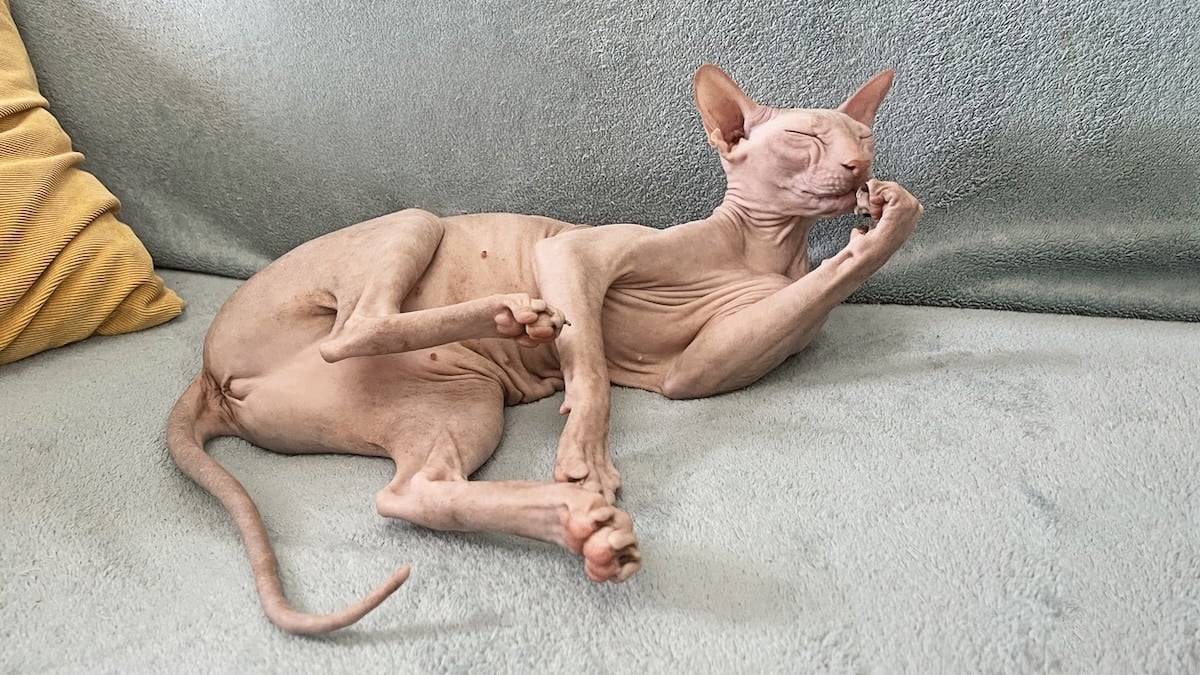
Hairless cats have skin that feels warm and soft. Their skin can be more sensitive than that of furry cats. They require regular cleaning to remove oil and dirt. Sun exposure can be a concern due to their lack of fur. Owners often apply sunscreen to protect them.
Behavioral Differences
These cats often display playful and curious behavior. They tend to be more social and enjoy human company. Hairless cats are known to be affectionate and love cuddling. Their bold nature makes them entertaining companions.
Caring For Hairless Cats
Some cats are hairless due to genetic mutations or selective breeding. These breeds, like the Sphynx, require special care to maintain their skin health. Regular baths and moisturizing keep them comfortable and clean.
Caring for hairless cats requires attention to unique needs. These cats lack fur, so they need extra care. Their skin is delicate and needs regular maintenance. They also feel the cold more than furry cats. Understanding their needs helps them stay healthy and happy. Let’s explore these needs further.Skin Care Needs
Hairless cats have sensitive skin that requires regular cleaning. Dirt and oils build up quickly on their skin. Use a gentle, cat-safe cleanser to wash them. Bathing them once a week helps keep their skin clean. Avoid harsh soaps that may cause irritation. Moisturizing their skin is also important. Use a vet-recommended lotion to keep their skin soft and healthy.Temperature Sensitivity
Hairless cats feel cold more than other cats. Their lack of fur makes them sensitive to temperature changes. Keep your home warm for their comfort. Provide them with cozy blankets and heated beds. In hot weather, protect them from sunburn. Use pet-safe sunscreen when they go outside. Keeping them comfortable in different temperatures ensures their well-being.Common Misconceptions
Some believe hairless cats are a result of shaving, but they are naturally hairless due to genetics. These unique felines have a natural mutation that causes their lack of fur, not human intervention.
Hairless cats often spark curiosity and fascination. Their unique appearance leads to a host of assumptions, many of which aren’t quite true. Let’s clear up some common misconceptions about these intriguing felines.Allergies And Hairless Cats
You might think a hairless cat is perfect for someone with allergies. This isn’t entirely accurate. Allergic reactions are typically caused by proteins found in a cat’s saliva, skin, and dander, not just their fur. Hairless cats still produce these proteins. If you spend time with a hairless cat, you might notice fewer allergens in the air, but it doesn’t guarantee an allergy-free experience.Health Concerns
Are hairless cats less healthy than their furry counterparts? Not necessarily. They have specific needs, like regular skin care, to prevent oil buildup and sunburn. This doesn’t mean they’re unhealthy, just that they require a bit more attention. My friend adopted a Sphynx cat thinking it would need less grooming. She was surprised to find it needed weekly baths to keep its skin clean. Can you see yourself dedicating time to meet their unique needs? These cats can be as healthy and happy as any other breed with proper care.Cultural Impact And Popularity
The cultural impact and popularity of hairless cats are fascinating. These unique felines have captured attention worldwide. Their distinct appearance sets them apart. Hairless cats have become symbols of elegance and style. Their influence extends beyond pet ownership. They have made significant marks in media and celebrity circles.
Media Representation
Hairless cats often appear in movies and TV shows. Their unusual look intrigues filmmakers. They add a mysterious and exotic touch to stories. Animated films also feature these cats. They bring a unique charm to characters. Cartoons often portray them as intelligent or mischievous. This representation boosts their fame and appeal.
Celebrity Ownership
Many celebrities own hairless cats. Their choice influences public interest. These famous faces bring attention to the breed. They share photos on social media. Fans adore these elegant pets. Celebrities often highlight their cats in interviews. This exposure increases the breed’s popularity. Their lifestyle impacts how people perceive these cats.
Credit: www.rover.com
Exploring The Future Of Hairless Breeds
Hairless cats are fascinating creatures. Their unique appearance captures attention. But what lies ahead for these hairless breeds? As interest in these cats grows, breeding and research evolve. This exploration reveals what the future may hold.
Breeding Developments
Breeders aim to enhance hairless cat traits. They focus on health and temperament. Selective breeding plays a key role. It ensures healthy offspring with desired features. This careful process maintains breed standards.
New hairless varieties may emerge. Breeders explore different genetic combinations. They seek unique and appealing characteristics. This innovation could expand the range of hairless breeds.
Scientific Research
Scientists study hairless cat genetics. Their research uncovers genetic mutations. These mutations cause the hairless trait. Understanding them aids in breed development.
Research also focuses on health issues. Hairless cats face unique challenges. Scientists aim to improve their well-being. This knowledge benefits breeders and owners alike.
Future studies may reveal new insights. They could lead to healthier, more robust hairless breeds. This ongoing research shapes the future of these intriguing cats.
Frequently Asked Questions
What Is The Point Of A Hairless Cat?
Hairless cats are ideal for allergy sufferers due to minimal shedding. Their unique appearance fascinates many pet lovers. They often have affectionate, playful personalities and require less grooming. Their skin needs special care, which some owners enjoy. These cats can thrive indoors, making them perfect for urban living.
Why Do Some Cats Have No Hair?
Some cats have no hair due to genetic mutations. Breeds like the Sphynx are naturally hairless. Hairless cats can also result from selective breeding. These cats require special care to protect their skin from sunburn and cold.
Are Hairless Cats Unhealthy?
Hairless cats are generally healthy, but they require special care. Their skin needs regular cleaning to prevent oil buildup and infections. They can be prone to respiratory issues due to lack of fur. Regular vet check-ups ensure they stay healthy.
Why Do Sphynx Cats Get So Dirty?
Sphynx cats get dirty due to their lack of fur, which causes skin oils to accumulate. Regular baths are essential to prevent oil buildup and maintain cleanliness. Their exposed skin also attracts dust and debris, requiring frequent cleaning to keep them tidy and healthy.
Conclusion
Hairless cats stand out with their unique appearance. Some are born this way due to genetic mutations. Others are selectively bred for their bald look. They require special care, like regular baths, to maintain skin health. Despite their lack of fur, they can be affectionate companions.
Their distinct look and personality make them popular among cat lovers. Understanding their needs ensures a happy, healthy life. Hairless cats truly offer a different pet experience. A charming addition to any family.

Similar Posts