How to Calm a Stressed Cat: Expert Tips & Techniques

Is your feline friend acting a little out of sorts lately? As a loving cat owner, seeing your pet stressed can tug at your heartstrings.
You want to help, but where do you start? Cats, just like humans, can experience anxiety and stress for a variety of reasons. Maybe it’s a change in their environment, a new family member, or even just the weather. Understanding these triggers is the first step to restoring harmony in your home and ensuring your cat feels safe and happy.
Imagine transforming your anxious kitty into a purring bundle of joy. Picture your cat lounging calmly, free from worry, and enjoying every minute of their day. This article is your gateway to achieving that serene state, offering simple and effective solutions tailored for your feline companion’s unique needs. From creating a peaceful environment to using soothing techniques, you’ll find everything you need to calm your stressed cat. Read on to discover the secrets to a happier, more relaxed pet.

Credit: restorapet.com
Identifying Stress Signs
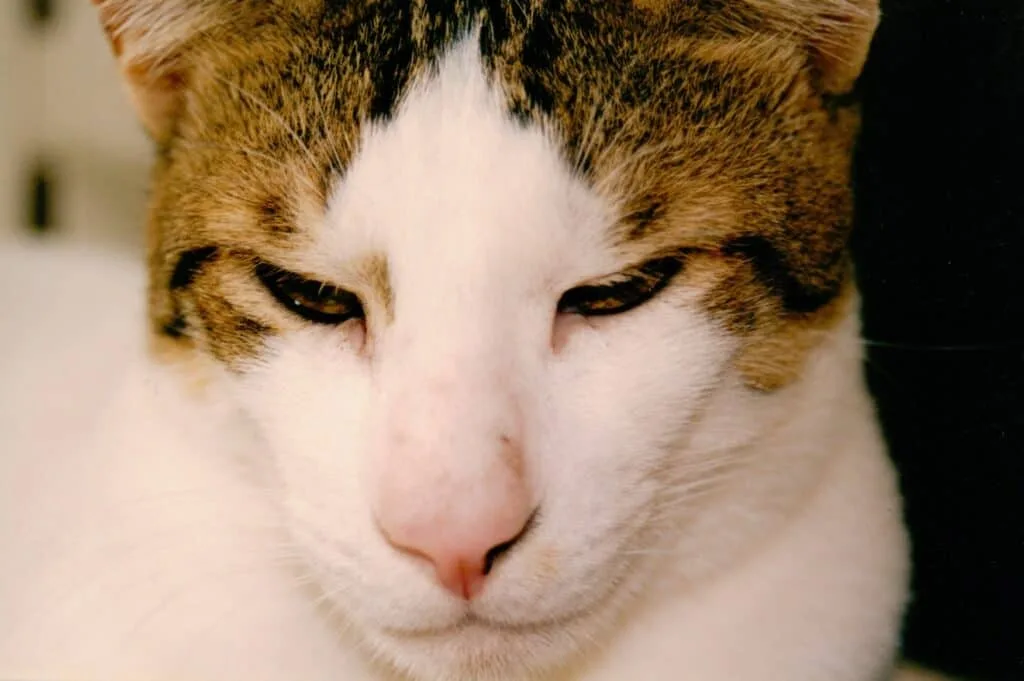
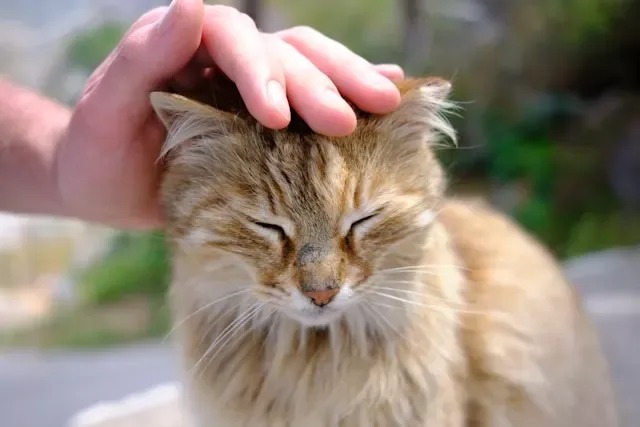
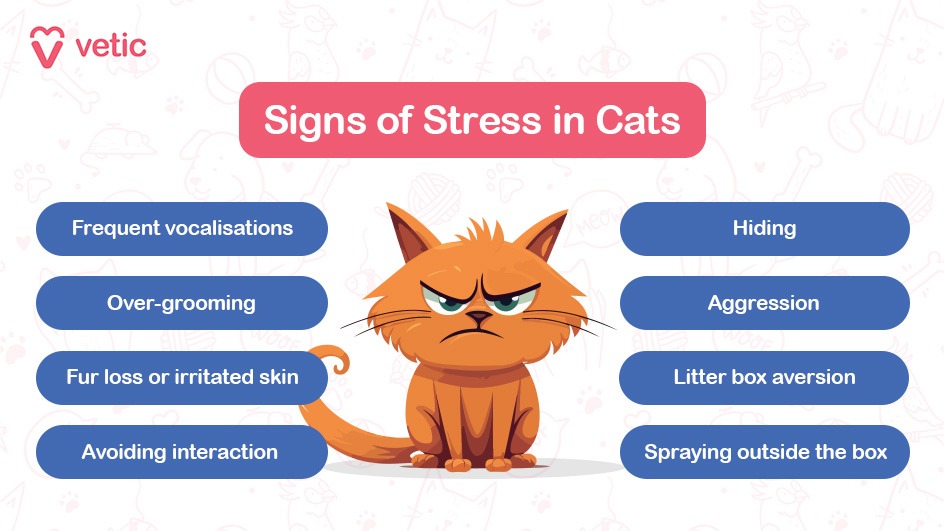
Spotting stress in cats involves observing changes in behavior. Look for signs like excessive grooming, hiding, or aggression. Calm your cat with a quiet environment, gentle petting, and soothing music.
Identifying stress signs in cats is crucial for their well-being and your peace of mind. Understanding what to look for can make a significant difference in how you address and alleviate your cat’s stress. Let’s delve into the various signs that can indicate your furry friend is not quite themselves.
Behavioral Changes
Cats often express stress through changes in behavior. Have you noticed your cat hiding more than usual? This could be a sign of stress. Cats might also become more aggressive or, conversely, overly clingy. Pay attention to any sudden shifts in their routine. If your cat starts avoiding the litter box or refuses food, it’s time to consider stress as a possible cause. Remember, each cat is unique. What might be a stress signal for one may not be the same for another. Keep a close eye on any deviations from their normal behavior.
Physical Symptoms
Physical symptoms can often accompany behavioral changes in stressed cats. You might observe excessive grooming leading to bald spots or skin irritation. This was the case with my tabby, Muffin, who began licking her fur off during a stressful move. Look for signs like vomiting or diarrhea, as stress can affect a cat’s digestive system. Changes in sleeping patterns, such as sleeping much more or less than usual, can also indicate stress. Have you noticed your cat shedding more than normal? Excessive shedding can be another sign of stress. Keep an eye on your cat’s coat condition and general health. Understanding these signs can help you act quickly to calm your stressed cat. What signs have you noticed in your feline friend? Recognizing these can be the first step to ensuring their comfort and happiness.
Creating A Safe Environment
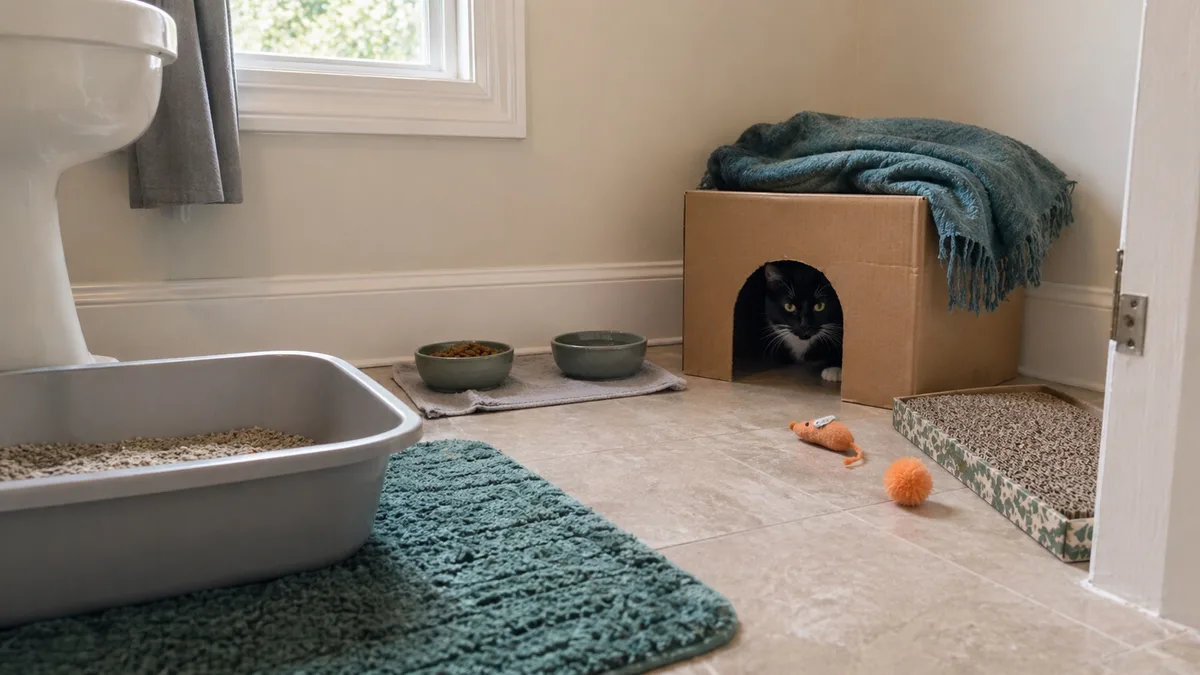
Creating a peaceful space helps soothe a stressed cat. Offer cozy hiding spots and use calming scents. Gentle play and soft music can relax their nerves.
Cats, just like humans, can experience stress due to various changes in their environment. Creating a safe environment for your stressed cat can significantly help them relax and feel at ease. By making simple adjustments in your home, you can transform it into a haven for your feline friend. Let’s explore how you can create a comforting atmosphere for your cat with some easy and effective strategies.
Quiet Spaces
Cats often seek solace in quiet places when they’re feeling overwhelmed. Provide your cat with a designated quiet area in your home. This could be a spare room, a corner in your living room, or even a cozy nook in your bedroom. Ensure this space is away from noisy appliances or high foot traffic areas. My cat, Luna, always preferred the top shelf of my closet. It was quiet and away from the hustle and bustle of daily life. Do you have a similar space where your cat can escape the noise?
Safe Zones
Safe zones are areas where your cat feels completely secure. These can be elevated spaces like shelves or cat trees, which offer both safety and a great vantage point. Cats naturally love high places because they can survey their environment from a safe distance. You can also create safe zones using cozy beds or soft blankets in enclosed spaces. Cardboard boxes can make excellent temporary hideouts. Remember, the key is to provide your cat with a sense of security and privacy. By offering these quiet spaces and safe zones, you’re giving your cat the tools they need to manage their stress. It’s all about making them feel comfortable and protected in their own home. What small changes can you make today to help your cat feel more at ease?
Interactive Play Techniques
Calming a stressed cat involves interactive play techniques that focus on gentle movement and engaging toys. Cats respond well to activities that mimic hunting, such as feather wands or laser pointers. These methods help release tension and provide mental stimulation, promoting relaxation and comfort for your feline friend.
Cats, like humans, experience stress, and one of the most effective ways to help them unwind is through interactive play. Play isn’t just a fun activity; it’s a vital part of a cat’s life that can soothe their nerves and stimulate their mind. Let’s look at how you can create a stress-free environment for your feline friend through interactive play techniques.
Toy Selection
Choosing the right toys for your cat can make a big difference in how effective playtime is. Cats have different preferences, so it’s crucial to observe what your cat enjoys most. Does your cat love chasing feathers or pouncing on small balls? Consider toys that mimic natural prey movements. These can include feather wands, mouse-shaped toys, or even laser pointers. Variety is key—mix it up to keep your cat interested and engaged. Interactive toys are also great for solo play when you’re busy. Puzzle toys that release treats can keep your cat mentally stimulated and rewarded.
Scheduled Playtime
Consistency is comforting for cats. Establishing a regular play schedule can help reduce their stress by creating a predictable routine. Try to dedicate specific times in the day for play, perhaps before meals or during the evening when you’re unwinding. A friend of mine noticed her cat’s stress levels drop significantly after she set up regular play sessions. It became their bonding time and gave the cat something to look forward to each day. Think about your daily schedule. Can you spare 15 minutes in the morning and evening for interactive play? Even short, frequent sessions can make a difference in your cat’s mood and overall well-being. Interactive play is a simple yet powerful tool in reducing your cat’s stress. What playful adventure will you embark on with your cat today?

Credit: www.banfield.com
Using Calming Aids
Calming a stressed cat can be challenging. Cats are sensitive creatures. They can become anxious due to changes in their environment. Using calming aids can help ease their anxiety. These aids come in natural and commercial forms. Each has its own benefits. Let’s explore these options to bring peace to your feline friend.
Natural Remedies
Natural remedies are a gentle way to soothe your cat. They often use herbs and scents. Lavender is popular for its calming effects. Chamomile is another soothing choice. These can be used in diffusers or sprays. You may also consider Bach Flower Remedies. These are safe and easy to use. They help balance your cat’s emotions.
Pheromone diffusers work naturally. They mimic the scent a cat releases when happy. This can make your cat feel safe and secure. Try placing them in areas your cat frequents. Natural aids are ideal for mild stress cases. They are gentle and non-intrusive. Always observe your cat’s response.
Commercial Products
Commercial products are designed for quick relief. They are available in various forms. Cat calming collars are one option. They release calming pheromones around the clock. This continuous release helps maintain calm.
Calming treats are another choice. These are infused with calming ingredients. They can be a tasty way to ease stress. Supplements are also available for stress relief. They often contain amino acids like L-theanine. This ingredient promotes relaxation naturally.
Vet-approved sprays can be sprayed on bedding or toys. These sprays provide immediate relief. They are useful in stressful situations. Always check product labels for safety. Consult your vet for advice on the best choice. Commercial products can be effective in severe stress cases.
Diet And Nutrition
Calming a stressed cat can involve careful attention to diet and nutrition. Offering nutrient-rich foods and balanced meals can improve their mood and well-being. A healthy diet may help reduce anxiety and promote a more relaxed demeanor.
Diet and nutrition play a pivotal role in calming a stressed cat. Just as humans feel different after eating a comforting meal, your feline friend can experience relief through the right food choices. Have you ever noticed how your cat seems more relaxed after a good meal? This is not a coincidence. Proper nutrition can significantly impact their mood and stress levels. Let’s dive into how you can make smart dietary choices for your cat.
Stress-reducing Foods
Certain foods can naturally lower stress levels in cats. Look for those rich in omega-3 fatty acids, which are found in fish like salmon. These nutrients can help keep your cat’s nervous system balanced. Another option is incorporating foods rich in antioxidants. Ingredients like blueberries can bolster your cat’s immune system, making them more resilient to stress. This simple addition might be the change your cat needs to feel calmer. Protein-rich diets can also stabilize mood swings. A cat’s diet should be high in protein, as they are carnivores by nature. Chicken or turkey can be excellent choices.
Proper Feeding Routine
Consistency in feeding routine can dramatically affect your cat’s stress levels. Cats thrive on routine, and disruptions can lead to anxiety. Feeding your cat at the same times each day provides a sense of security. Consider breaking up meals into smaller, more frequent portions. This can prevent hunger-induced stress and keep your cat’s energy levels balanced throughout the day. Don’t forget hydration. Ensure your cat has access to fresh water all day. Dehydration can exacerbate stress, so make this a priority. Have you tried adjusting your cat’s diet to reduce stress? If not, these simple changes could be the solution to help your furry friend lead a calmer life.
Credit: www.greensafaris.com
Importance Of Routine
Establishing a routine helps calm a stressed cat by providing predictability. Consistent feeding times and play sessions offer comfort. Stability in their environment reduces anxiety.
A routine is crucial for your cat’s well-being, especially when stress is a factor. Cats thrive on stability and predictability, which helps them feel secure. A well-structured routine can be a simple yet powerful way to calm your stressed feline friend.
Consistency In Daily Activities
Cats are creatures of habit. They find comfort in knowing what to expect. Feeding your cat at the same times each day can significantly reduce anxiety. Similarly, regular play sessions can keep your cat engaged and release pent-up energy. A 15-minute playtime in the morning and evening can work wonders. Even your interactions matter. Spend a few minutes petting or talking to your cat consistently every day. This routine reinforces your bond and provides reassurance.
Impact Of Predictability
Predictability in a cat’s environment can alleviate stress. When your cat knows what will happen next, it’s less likely to be anxious. Consider your own experiences. When plans change unexpectedly, it can be unsettling, right? Cats feel the same way with abrupt schedule changes. Incorporate predictable elements, like a feeding bell or a specific play toy, to signal upcoming activities. This can help your cat anticipate and prepare, reducing stress. Think about it: How would you feel if your daily life was in constant flux? Your cat craves the same stability and predictability that you do. By establishing a routine, you offer your cat the calm and comfort it needs to thrive.
Professional Help
Sometimes, a stressed cat needs more than just a cozy corner or a new toy. Seeking professional help can make a world of difference. Experts can offer insights and solutions tailored to your cat’s unique needs. This approach ensures your feline friend gets the best care possible.
Consulting A Veterinarian
A veterinarian is often the first point of contact for a stressed cat. They can rule out medical issues that might cause anxiety. Regular check-ups help spot problems early. The vet may also recommend specific treatments or dietary changes. Sometimes, a simple adjustment can ease your cat’s stress.
Behavioral Therapy
Behavioral therapy is a structured way to address stress in cats. A professional can help identify triggers causing your cat’s anxiety. They may use techniques like desensitization or counter-conditioning. These methods teach your cat to respond calmly to stressful situations. Patience is key here, as results may take time.
Enlisting a behaviorist can offer new perspectives. This expert provides strategies that cater specifically to your cat’s behavior. Over time, therapy can improve your cat’s quality of life.
Monitoring Progress
Monitoring your cat’s progress is key to reducing stress effectively. Knowing how your cat reacts helps in adjusting your methods. Keep an eye on any changes or improvements. This ensures you’re on the right track to calming your feline friend. Let’s dive deeper into the process.
Tracking Behavioral Changes
Observe your cat’s daily behavior. Is your cat hiding less? Notice if they are grooming themselves more often. These signs might show a decrease in stress. Keep a journal of these behaviors. Write down any changes you notice each week. This helps in understanding your cat’s stress levels. It also shows what techniques work best.
Adjusting Techniques
Sometimes, the same method doesn’t work for every cat. If one technique isn’t effective, try another. Change the environment slightly. Maybe add a new toy or a cozy bed. Each cat is unique. They respond differently to changes. Pay attention to their reactions. Make small adjustments as needed.
Frequently Asked Questions
How Do I Reduce My Cat’s Stress?
Create a calm environment for your cat with cozy spaces. Engage in daily play to release energy. Provide interactive toys and scratching posts. Use calming pheromone diffusers or sprays. Maintain a consistent routine to make them feel secure.
What Is The 3-3-3 Rule For Cats?
The 3-3-3 rule for cats refers to their adjustment period in a new home. Cats typically need 3 days to feel safe, 3 weeks to settle in, and 3 months to fully adjust and feel comfortable. Following this guideline helps ensure a smoother transition for your feline friend.
What Are Signs Of Stress In Cats?
Cats may show stress through changes in appetite, hiding, aggression, excessive grooming, and avoiding the litter box. Watch for increased vocalizations or destructive behavior. These signs often indicate discomfort or anxiety. Consult a vet if stress signs persist.
What Naturally Calms Cats?
Cats naturally calm with gentle petting, soothing music, and pheromone sprays. Catnip can also have a relaxing effect. Create a quiet space for them to unwind. Regular playtime helps reduce stress and anxiety. Provide scratching posts and cozy bedding for comfort.
Conclusion
Helping your cat feel calm is important. Try these simple tips daily. A quiet environment works wonders for stressed cats. Create a cozy spot they love. Gentle petting can soothe them. Use soft tones while speaking. Cats enjoy routine, so stick to it.
Interactive toys keep them engaged. A vet visit might help if stress continues. Your cat’s peace is your peace too. Building trust takes time. Patience matters. Remember, a happy cat means a happy home. Enjoy the journey with your feline friend.
Keep observing and learning about their needs. Your efforts will pay off.

Similar Posts