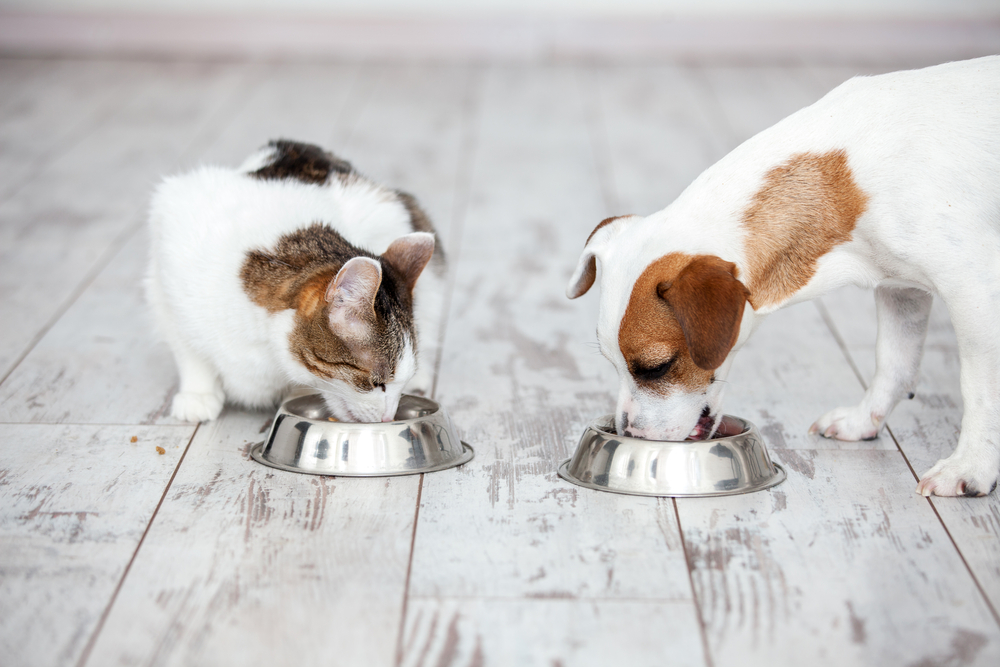
Have you ever found your dog nibbling on your cat’s food? You might brush it off as harmless or even cute, but is it really safe for your furry friend?
The truth is, the occasional stolen bite might not seem like a big deal, but consistently feeding your dog cat food can lead to unexpected health issues. It’s crucial to understand the differences between cat and dog nutritional needs. We’ll unravel the mystery behind whether cat food can actually hurt dogs, and why it’s important for you to keep your pets’ diets separate.
Stay with us to learn how to protect your dog’s health and ensure they’re getting the proper nutrition they need.
Credit: www.hospimedcr.com
Nutritional Differences
Feeding dogs cat food might lead to health issues due to nutritional differences. Cat food is high in protein and fat, which can upset a dog’s stomach. Always choose appropriate food for your pet to ensure their well-being.
Understanding the nutritional differences between cat food and dog food is essential for pet owners. While both cats and dogs are beloved companions, their dietary needs differ significantly. Feeding your dog cat food might seem harmless, but this practice can lead to nutritional imbalances. Let’s dive into the specifics to understand why this is the case.
Protein And Fat Content
Cat food typically contains higher levels of protein and fat compared to dog food. This is because cats are obligate carnivores, meaning they need a diet rich in animal-based proteins. Dogs, on the other hand, are omnivores and can thrive on a more balanced diet. Have you noticed your dog sneaking a bite from your cat’s bowl? While it might seem cute, it can lead to weight gain and pancreatitis in dogs due to the high fat content. It’s crucial to ensure your dog gets the appropriate balance of nutrients tailored for them.
Essential Vitamins And Minerals
Cat food is formulated with vitamins and minerals that cater specifically to feline needs. For example, taurine is an essential amino acid in cat food that dogs don’t require in the same amounts. Overconsumption of certain nutrients can be harmful to your dog. Imagine your dog’s diet lacking necessary nutrients like zinc or vitamin E because they are consuming cat food. This deficiency can affect their immune system and overall health. Always check the labels and consult with your veterinarian to ensure your dog is getting the right nutrients. Do you often find yourself wondering if your pets can share food? While it may be convenient, it’s important to remember that their nutritional needs are distinct. Ensuring each pet gets the right food will keep them healthy and happy.
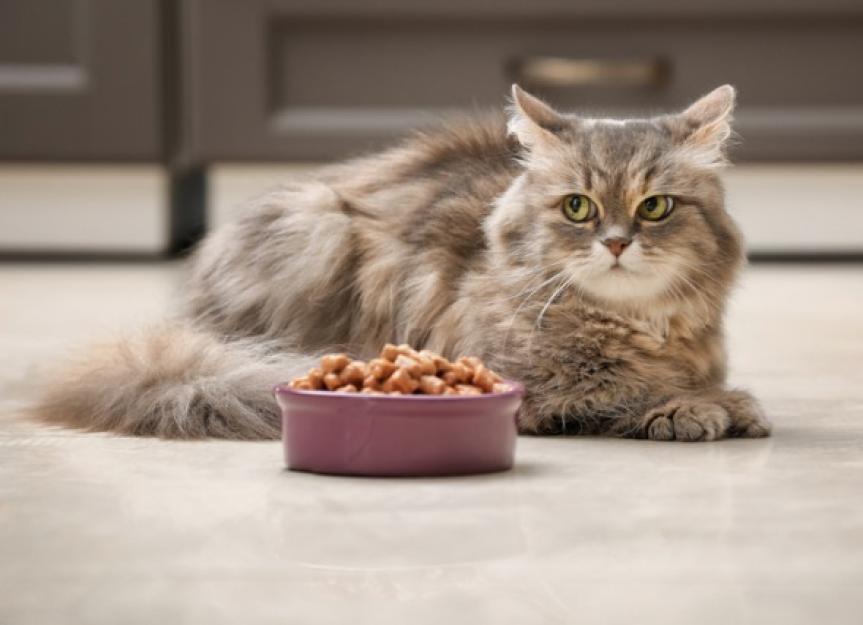
Credit: www.petmd.com
Digestive Issues
While your dog might be tempted by the savory aroma of cat food, it’s essential to be cautious. Cat food can lead to digestive issues for dogs. A dog’s digestive system is quite different from a cat’s, which can cause problems when they consume food meant for felines.
Potential For Upset Stomach
Have you ever noticed your dog sniffing around the cat food bowl? It might seem harmless, but this curiosity can lead to an upset stomach. Dogs can experience symptoms like vomiting and diarrhea after eating cat food.
Their stomachs aren’t designed to process the high protein and fat content found in cat food. This can overwhelm their system, making them feel uncomfortable and sick. It’s important to monitor your dog’s behavior and diet closely.
Long-term Health Concerns
Beyond immediate discomfort, feeding your dog cat food regularly can pose serious long-term health risks. High levels of protein and fat can lead to obesity, which is a growing concern in pet health.
Obesity can further result in conditions like diabetes and heart disease. You wouldn’t want to compromise your dog’s health by offering them the wrong food. This raises an important question: Is the convenience of feeding your dog cat food worth the risk?
Ensuring your dog eats a balanced diet formulated for their specific needs is crucial. This approach not only prevents digestive problems but also supports their overall well-being. Consider consulting your veterinarian to find the best diet for your furry friend.
Allergic Reactions
Dogs and cats have different dietary needs. Feeding a dog cat food might trigger allergic reactions. Allergies occur when the immune system reacts to certain ingredients. Identifying these allergens is crucial for pet safety.
Common Allergens In Cat Food
Cat food often contains proteins like fish or chicken. These proteins can cause allergies in dogs. Dairy products in cat food may also be problematic. Some dogs react to grains found in cat food. Artificial additives or preservatives are common allergens too.
Symptoms In Dogs
Allergic reactions in dogs can show in many ways. Skin issues are a common sign. Dogs might itch or develop rashes. Digestive problems like vomiting or diarrhea can occur. Watch for changes in behavior or energy levels. Breathing difficulties could also signal an allergy.
Behavioral Impact
Understanding the behavioral impact of feeding dogs cat food is crucial. Dogs and cats have distinct dietary needs. Feeding habits may change, affecting your dog’s behavior. A dog’s preference for food can also shift.
Food Preference Changes
Dogs might start preferring cat food over their own meals. Cat food contains higher protein levels, which may attract dogs. This shift can lead to dogs ignoring their regular food. Owners might notice their dogs begging for cat food. This change can become a challenge during meal times.
Feeding Habits Alteration
Feeding habits can significantly alter with cat food exposure. Dogs may develop new eating patterns. They might eat more frequently or demand food at odd hours. Some dogs might become picky eaters. This can cause stress for both pets and owners. It may also affect the dog’s overall health and nutrition.
Safety Measures
Feeding your pets requires careful attention. Cat food is not safe for dogs. There are specific safety measures to ensure both pets eat healthily. Understanding these measures prevents health issues.
Proper Food Storage
Store pet food in a cool, dry place. Use airtight containers to keep food fresh. This prevents contamination and spoilage. Check the expiration date regularly. Old food can harm pets. Keep food away from sunlight. Heat and light degrade nutrients.
Feeding Guidelines
Follow feeding guidelines on the packaging. Dog and cat food have different nutrients. Dogs need more protein and fat. Cat food lacks specific dog nutrients. Always use a clean bowl for feeding. Avoid feeding dogs cat food regularly. It may cause digestive problems.

Credit: www.akc.org
Veterinarian Insights
Cat food can negatively affect dogs due to different nutritional needs. Higher protein and fat content may upset their stomachs. Over time, it might lead to health problems like pancreatitis.
Understanding the nuances between cat and dog nutrition can be a real eye-opener, especially when you realize how different their dietary needs truly are. Veterinarians often see cases where well-meaning pet owners unintentionally feed their dogs cat food, not realizing the potential harm. This section offers a peek into what veterinarians recommend when it comes to feeding our furry friends and what you can do if your dog has had a taste of cat food.
Professional Recommendations
Veterinarians stress the importance of feeding pets food specifically formulated for their species. Cat food is higher in protein and fat, which can be taxing on a dog’s digestive system. Dr. Emily, a vet with over 15 years of experience, once shared a story about a Labrador named Max who developed pancreatitis after regularly eating his feline friend’s food. When considering what to feed your dog, always prioritize dog-specific food. These products are crafted to meet their nutritional needs and help maintain their overall health. If you’re ever in doubt, consult with your vet to tailor a diet that best suits your dog’s lifestyle and health conditions.
Treatment Options
If your dog has eaten a significant amount of cat food, monitor them for any unusual behavior such as vomiting, diarrhea, or lethargy. In such cases, it’s crucial to contact your veterinarian promptly. A professional can offer advice over the phone or recommend bringing your dog in for a check-up. Treatment might include dietary adjustments or medication to alleviate symptoms. For instance, if your dog is experiencing mild digestive issues, a vet might suggest a bland diet for a few days. Have you ever had to tweak your pet’s diet due to a mishap? It’s a common scenario, but with the right guidance, your pet will be back to their playful self in no time. Remember, your dog’s health is paramount. By understanding these insights, you can make informed decisions about their diet and avoid potential pitfalls. Have you ever wondered how a small change in diet could impact your pet’s well-being? It’s always worth considering.
Frequently Asked Questions
What Happens If My Dog Eats Cat Food?
Dogs might experience digestive issues like diarrhea or vomiting after eating cat food. Cat food lacks essential nutrients for dogs, potentially causing nutritional imbalances over time. Monitor your dog for any adverse reactions and consult a veterinarian if symptoms persist.
Regular consumption is not recommended for a healthy canine diet.
What Happens If Cat Food Is Given To A Dog?
Dogs can eat cat food occasionally, but it’s not ideal. Cat food lacks essential nutrients for dogs. It can lead to digestive issues, obesity, and nutrient deficiencies if consumed regularly. Always provide dog-specific food for balanced nutrition. Consult a vet for advice if your dog eats cat food frequently.
How Much Cat Food Is Toxic To Dogs?
Dogs consuming small amounts of cat food usually isn’t toxic. Large quantities can cause digestive issues or pancreatitis. Always monitor your dog and consult a vet if symptoms like vomiting or diarrhea occur. It’s best to keep cat food out of their reach to avoid potential health problems.
What Happens When I Feed My Cat Dog Food?
Feeding your cat dog food can lead to nutritional deficiencies. Cats need more protein, taurine, and specific vitamins than dog food provides. Consistently feeding dog food might cause health issues like heart problems and poor coat condition. Always provide cat-specific food to ensure their health and well-being.
Conclusion
Feeding cat food to dogs can lead to health issues. Cats and dogs have different nutritional needs. Dog food is made for dogs. Cat food is not. It lacks the right balance for dogs. Dogs may gain weight or lack vital nutrients.
Always check with a vet before changing diets. Keeping pets healthy is important. Understanding their dietary needs helps. Choose food made for dogs. It ensures they get the right nutrients. Protect your dog’s health with proper food choices. Healthy dogs are happy dogs.
They deserve the best care possible. Remember, a healthy diet leads to a happy life.