How Do I Figure Out What Breed My Cat is: Expert Guide
Have you ever found yourself staring at your cat, wondering about its mysterious lineage? You’re not alone.
Many cat owners are curious about the breed of their feline friends. Knowing your cat’s breed can help you understand its behavior, health needs, and even its quirks. Imagine having a deeper bond with your cat because you understand it better.
You’ll discover simple ways to identify your cat’s breed without needing an expert. You’ll learn how to spot key characteristics, use helpful tools, and perhaps uncover some surprising truths about your furry companion. Dive in, and let’s unravel the mystery of your cat’s unique heritage together!

Credit: www.reddit.com
Identifying Physical Traits
Understanding your cat’s breed involves observing its physical traits. These traits offer clues about their lineage. From coat colors to body shape, each detail matters. This section helps you explore these traits.
Coat Color And Patterns
Coat color provides a hint about your cat’s breed. Solid colors like black or white are common. Look for specific patterns, too. Tabby, tortoiseshell, and calico patterns are distinctive. These patterns can guide you toward identifying the breed. Note if your cat has a unique mix of colors.
Body Shape And Size
Body shape is another indicator of your cat’s breed. Some breeds are slender and sleek. Others have a more robust build. Pay attention to the cat’s size. Large cats might belong to breeds like the Maine Coon. Smaller cats often relate to breeds like Siamese. Each body type tells a story.
Eye Color And Shape
Eye color and shape can reveal breed characteristics. Blue eyes might suggest a Siamese lineage. Green or amber eyes are also common. The shape of the eyes holds clues, too. Almond-shaped eyes are typical in certain breeds. Round eyes might indicate a different lineage. Observe these features closely.
Analyzing Behavioral Characteristics
Identifying your cat’s breed involves observing its behavior. Certain breeds exhibit unique habits and traits. For instance, Siamese cats are often vocal and social, while Maine Coons display gentle and friendly characteristics. Understanding these behavioral patterns can guide you in pinpointing your cat’s breed.
When trying to determine your cat’s breed, analyzing behavioral characteristics can provide valuable insights. Cats, like humans, have unique personalities that often reflect their breed. By observing how your cat behaves in different situations, you can gather clues about its lineage. Let’s dive into some key behavioral traits that might help you identify your cat’s breed.Activity Levels
Is your cat a bundle of energy or a laid-back lounger? Activity levels can vary significantly among different breeds. For instance, Bengal cats are known for their high energy and love for play. They might frequently zoom around your home or engage in interactive games. On the other hand, breeds like the Persian are more likely to enjoy relaxing and taking long naps. Notice your cat’s energy bursts and play preferences to uncover potential breed traits.Social Interactions
How does your cat interact with you and others? Some breeds are notably more social and affectionate. Siamese cats, for example, often form strong bonds with their owners and enjoy being the center of attention. They may follow you around the house or insist on sitting on your lap. Conversely, breeds like the Russian Blue might be more reserved, preferring to observe from a distance until they feel comfortable. Pay attention to your cat’s social preferences and see if they match any breed characteristics.Vocalizations
Does your cat have a lot to say? Vocalization is another behavioral trait that can hint at your cat’s breed. Breeds like the Siamese are famous for their talkative nature, often engaging in conversations with their owners. They might meow frequently to communicate their needs or simply to interact. In contrast, a British Shorthair might be more on the quieter side, using vocalizations sparingly. Listen to your cat’s vocal habits and see if they align with specific breed tendencies. By examining these behavioral characteristics, you can start piecing together the puzzle of your cat’s breed. Consider keeping a journal of your observations. This way, you can track patterns over time and compare them to breed profiles. Does your cat’s personality match any particular breed’s traits? Your feline friend’s behavior might just hold the answers you’re looking for.Understanding Genetic Testing
Curious about your cat’s breed? Genetic testing can help. It uses DNA to reveal breed details. Many pet owners find this information useful. Knowing your cat’s breed can offer insights into its behavior and health.
Benefits Of Dna Testing
DNA testing provides clear breed identification. It helps in understanding your cat’s genetic health risks. These tests can offer valuable data on potential hereditary conditions. Knowing these can help in managing your cat’s health better.
How Genetic Tests Work
Genetic tests start with a simple cheek swab. This collects DNA from your cat’s mouth. The sample is then sent to a lab. Experts analyze the DNA to identify breed markers. Results are shared with you, revealing your cat’s breed and traits.
:max_bytes(150000):strip_icc()/black-white-cat-on-lap-dpddm-JD-913-2000-9ba4ae3a902544d88af9f7ded6d7fe0c.jpg)
Credit: www.dailypaws.com
Exploring Breed-specific Features
Curious about your cat’s breed? Check physical traits like coat color and patterns. Observe personality and behavior. Consult a vet or use online tools for genetic testing. Identifying breed helps understand needs and characteristics.
Figuring out your cat’s breed can be a fascinating journey. Understanding breed-specific features not only satisfies curiosity but can also help you better cater to your feline friend’s needs. Different breeds have unique characteristics that can reveal much about their health, behavior, and preferences. Let’s dive into the details and explore some common and rare breeds that might resemble your furry companion.Common Domestic Breeds
Domestic breeds often share familiar traits. You might spot a tabby cat with its distinctive “M” marking on the forehead. If your cat has a sleek, short coat and loves to talk, it could be a Siamese. These cats are known for their vocal nature and striking blue almond-shaped eyes. Another breed to consider is the Maine Coon. Known for their size and fluffy tails, Maine Coons are gentle giants with tufted ears. If your cat seems larger than average with a friendly disposition, you might have a Maine Coon mix.Rare And Exotic Breeds
Rare breeds can be more challenging to identify but are worth the effort. If your cat has a coat that resembles a leopard, it might be a Bengal. Bengals are energetic and have a wild appearance that sets them apart. Alternatively, if your feline has a curly coat, you could be dealing with a Selkirk Rex. This breed is known for its unique fur texture, making them stand out in a crowd. Imagine discovering that your cat’s striking features are linked to an exotic breed. It adds a layer of intrigue to your relationship with your pet. As you observe your cat’s features, consider its behavior and personality. Does your cat show signs of being a rare breed, or does it fit the profile of a more common domestic type? This exploration can deepen your bond and enhance your understanding of your pet. When you look at your cat, what unique traits can you identify? Could these traits hint at a specific breed? Your observations can lead to a rewarding discovery about your feline friend.Consulting Veterinary Experts
When you’re puzzled about your cat’s breed, consulting veterinary experts can be incredibly helpful. These professionals have vast knowledge and experience with various feline breeds. They can provide insights that might otherwise be overlooked when trying to determine your cat’s lineage on your own.
Professional Opinion
Veterinarians are equipped with the expertise to assess physical traits and behaviors that can hint at your cat’s breed. They consider features like fur patterns, eye shape, ear structure, and body size. During a visit, share any unique habits your cat exhibits, like a particular way of playing or vocalizing, which might align with certain breeds.
A friend once discovered her tabby had traits resembling those of a Bengal, thanks to her vet’s keen observation. Have you ever thought your cat’s quirks might be linked to its breed? A professional opinion might just surprise you.
Role Of Breed Registries
Breed registries play a significant role in identifying purebred cats. These organizations maintain detailed records of various breeds, including their defining characteristics. Your veterinarian can refer to these registries to compare your cat’s features with documented standards.
Imagine the registry as a meticulous database where every breed is catalogued. If your vet suspects your cat could be a rare breed, they might consult these records for confirmation. It’s fascinating how these registries can provide answers to your feline mysteries.
Have you ever considered that your cat might belong to a breed you’ve never heard of? Breed registries could hold the key to uncovering those possibilities.

Credit: cattree.uk
Utilizing Online Resources
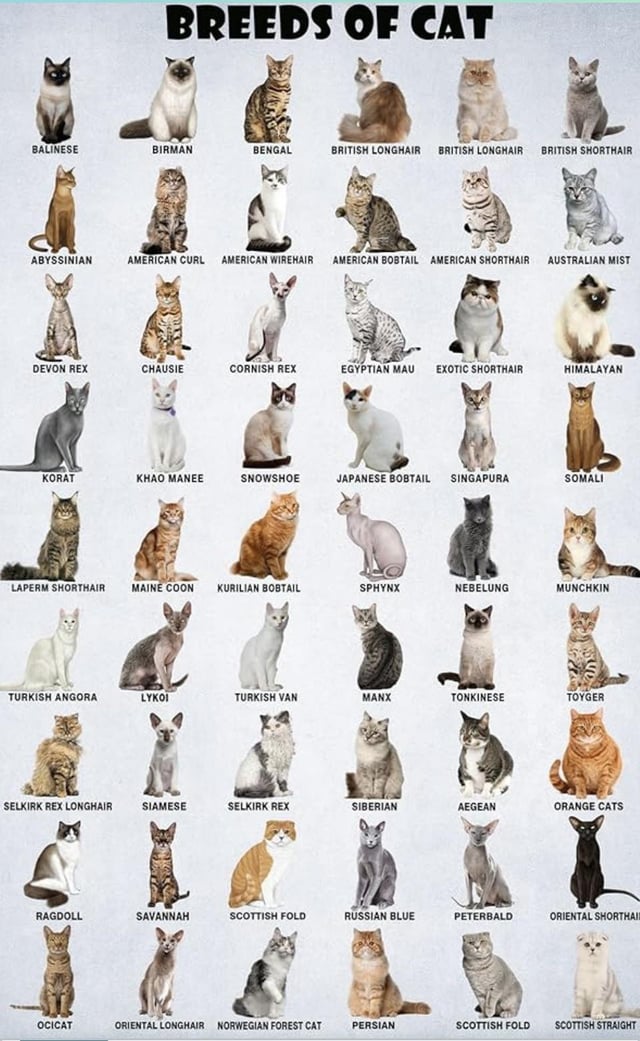
Determining your cat’s breed can be easier with online tools. Search for websites with detailed breed guides. Compare your cat’s features with the images and descriptions found there.
Figuring out the breed of your mysterious feline friend can be both exciting and puzzling. Thanks to modern technology, there are now many online resources to assist you in identifying your cat’s breed. These tools and platforms can offer insights, connect you with other cat enthusiasts, and guide you in your quest to uncover your cat’s heritage.Breed Identification Tools
Online breed identification tools can provide a quick and informative snapshot of your cat’s possible breed. Websites like CatScanner and Petfinder utilize photos of your cat to analyze and suggest potential breeds. Simply upload a clear picture of your cat, and let the tool do the work. These platforms often use a database filled with breed characteristics, making the identification process more accurate. However, keep in mind that these tools provide educated guesses, not definitive answers. It’s a fun starting point, but further research may be needed.Forums And Communities
Engaging with cat lover forums and communities can be a treasure trove of information. Platforms such as Reddit’s r/cats or specialized Facebook groups allow you to share pictures and details of your cat. These communities are filled with cat enthusiasts who might have personal experiences or knowledge about different breeds. By participating in these discussions, you might discover similarities between your cat and others of a specific breed. Have you ever received unexpected insights from a fellow cat owner? Sharing your journey and findings can be both educational and rewarding. Plus, you might make a new friend along the way who shares your passion for felines. When using these online resources, always stay curious and open-minded. What new discoveries will your search reveal about your beloved pet?Comparing With Known Breeds
Identifying your cat’s breed involves comparing its traits with those of known breeds. Look for distinct features such as fur length, color patterns, and personality traits. This comparison helps in getting closer to finding out your cat’s lineage.
Figuring out what breed your cat belongs to can be an exciting journey. Comparing your feline friend with known breeds is a practical step in this quest. This method provides a framework to identify shared traits and characteristics. Your cat may have unique features that align with specific breeds, and recognizing these similarities can be both enlightening and fun. Let’s explore how you can use visual comparisons and historical breed traits to identify your cat’s breed.Visual Comparisons
Start by observing your cat’s physical attributes. Examine their fur pattern, color, and texture. Is your cat’s coat solid, tabby, or maybe even calico? Take note of their body structure. Are they slender like a Siamese or more robust like a Maine Coon? Ears also matter. Some breeds, like the Scottish Fold, have distinct ear shapes. You can also compare their eye color and shape. Persian cats have large, round eyes, while the Abyssinians have almond-shaped eyes. These visual cues can help you narrow down the breed possibilities.Historical Breed Traits
Consider historical traits and behaviors. Does your cat have a vocal personality? Siamese cats are known for their talkative nature. Look at their activity level. Energetic cats might share traits with Abyssinians or Bengals, who are known for their lively behavior. Think about their social tendencies. Does your cat prefer solitude or do they crave constant company? Breeds like the Ragdoll are famously affectionate and social. These behavioral patterns can provide clues about your cat’s breed lineage. Reflect on your own experiences with your cat’s traits. Have you noticed any peculiar habits or preferences? These small details can often align with specific breeds and lead you closer to identifying their lineage. By comparing with known breeds, you not only learn more about your cat but also strengthen your bond with them. So, take your time, observe keenly, and enjoy the discovery process. What surprising traits does your feline friend share with established breeds?Frequently Asked Questions
How Can I Tell What Breed My Cat Is By Picture?
Upload a clear picture to an online cat breed identifier tool. Consider consulting a vet or feline expert for accuracy.
How Do I Identify My Cat’s Breed?
Identify your cat’s breed by examining physical traits like fur color, pattern, and body shape. Compare these with breed characteristics online or consult a veterinarian. Use cat DNA testing for more accurate results.
How Can I Identify A Cat?
Identify a cat by its triangular ears, whiskers, and retractable claws. Cats have sharp eyes and agile bodies. They exhibit unique behaviors like purring and grooming themselves. Their tails often signal mood changes. Each cat has distinctive markings, making them easily recognizable.
Can Google Lens Identify Cat Breeds?
Google Lens can identify cat breeds using image recognition technology. It analyzes photos to suggest breed names. While it’s helpful, accuracy can vary. Always verify with a veterinarian or breed expert for precise identification.
Conclusion
Discovering your cat’s breed can be both fun and insightful. Use online tools and apps for quick results. Compare your cat’s traits with breed standards. Consult a vet or breed expert for accurate identification. Remember, every cat is unique and special.
Breed knowledge helps in understanding behavior and health needs. Enjoy the journey of discovering more about your furry friend. It’s about love and care, not just breed. Embrace the mystery and cherish each purr and meow. Your bond with your cat matters most.