How Can You Tell the Breed of Your Cat: Expert Tips

Do you ever look at your furry friend and wonder about their origins? Understanding the breed of your cat can unravel fascinating details about their behavior, personality, and even health needs.
If you’ve ever found yourself curious about your cat’s lineage, you’re not alone. Many cat owners desire insights into their pet’s breed for a deeper connection and better care. This article will guide you through simple, yet effective, ways to identify your cat’s breed.
Get ready to discover the secrets hidden in your feline’s paws and whiskers! Keep reading to find out how you can become a cat detective and unlock the mysteries of your cat’s heritage.
Credit: www.rover.com
Identifying Physical Traits
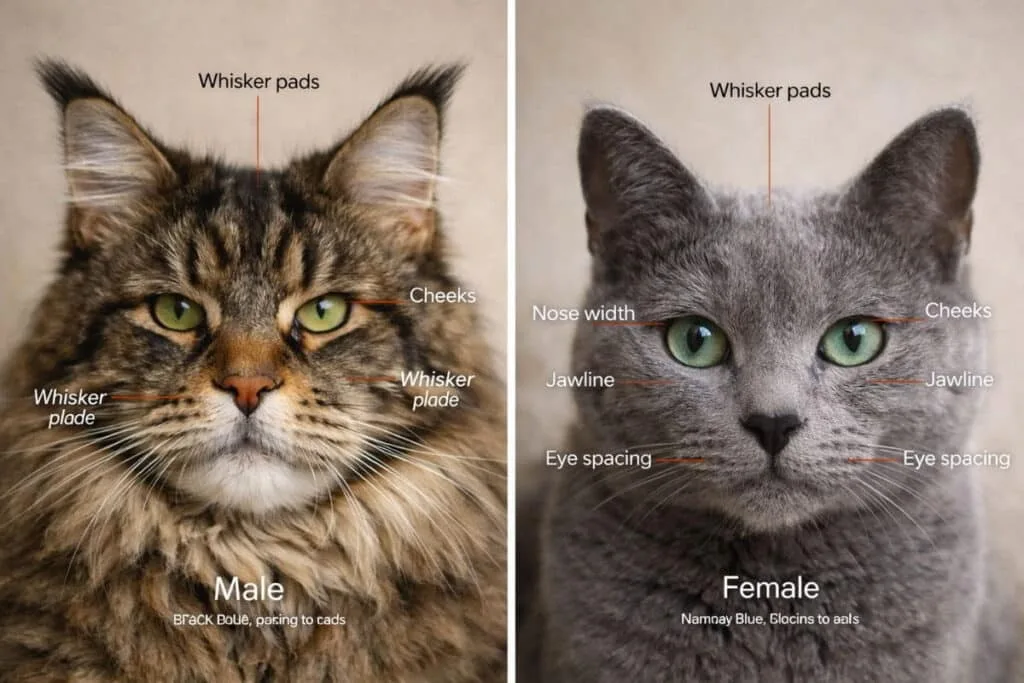
Spotting your cat’s breed involves observing its physical traits. Notice the fur length, color patterns, and eye shape. These characteristics can give clues about whether your feline friend is a Siamese, Maine Coon, or another breed.
Identifying the breed of your cat can be an intriguing journey. Physical traits offer vital clues to help you. By observing specific characteristics, you can guess your cat’s lineage. Pay attention to details like coat patterns, body shape, and eye color. These features often hint at your feline friend’s breed.Coat Patterns And Colors
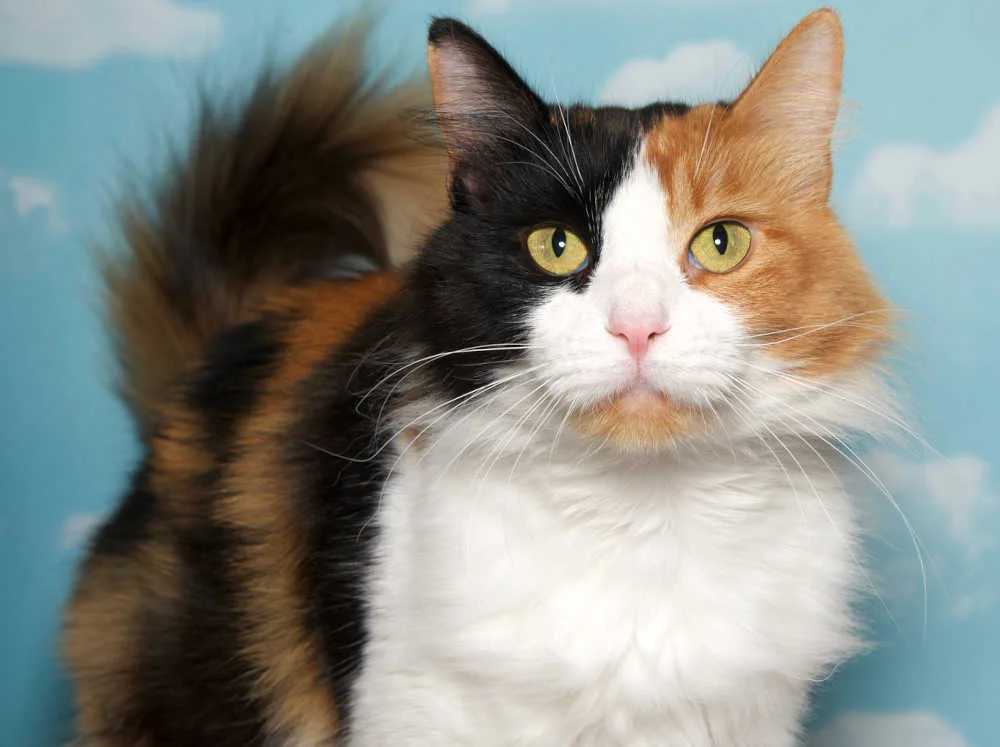
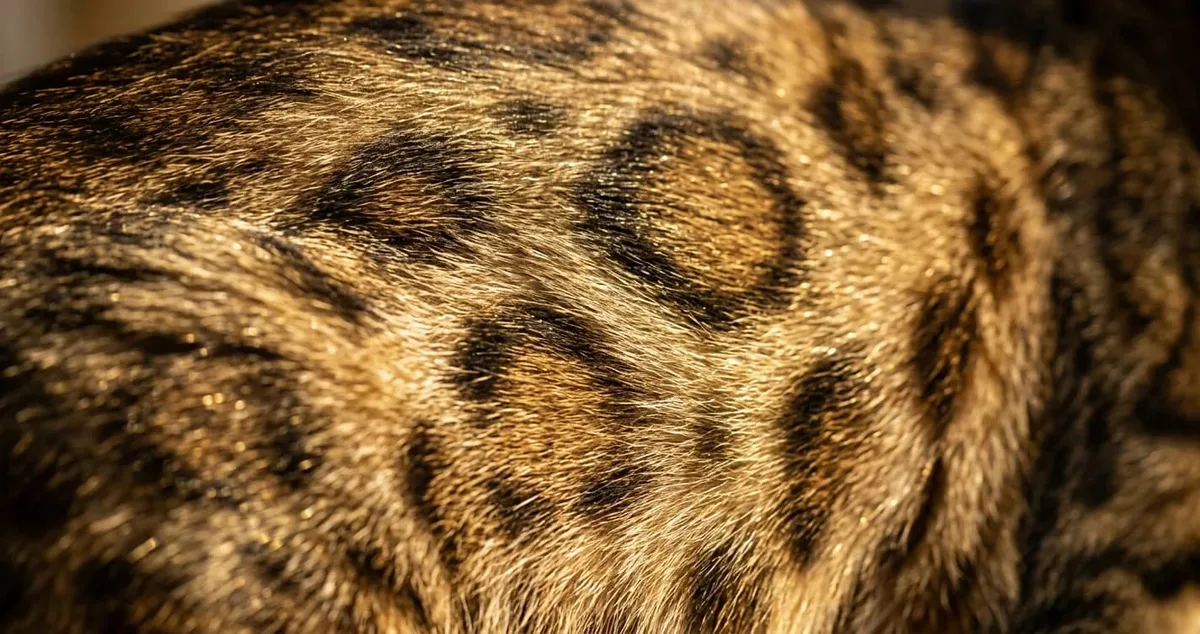
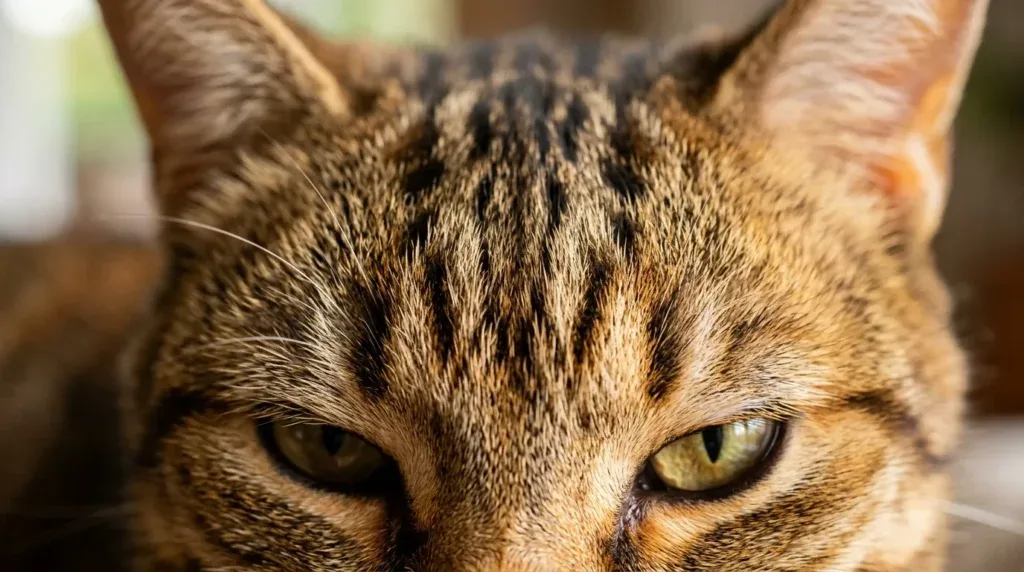
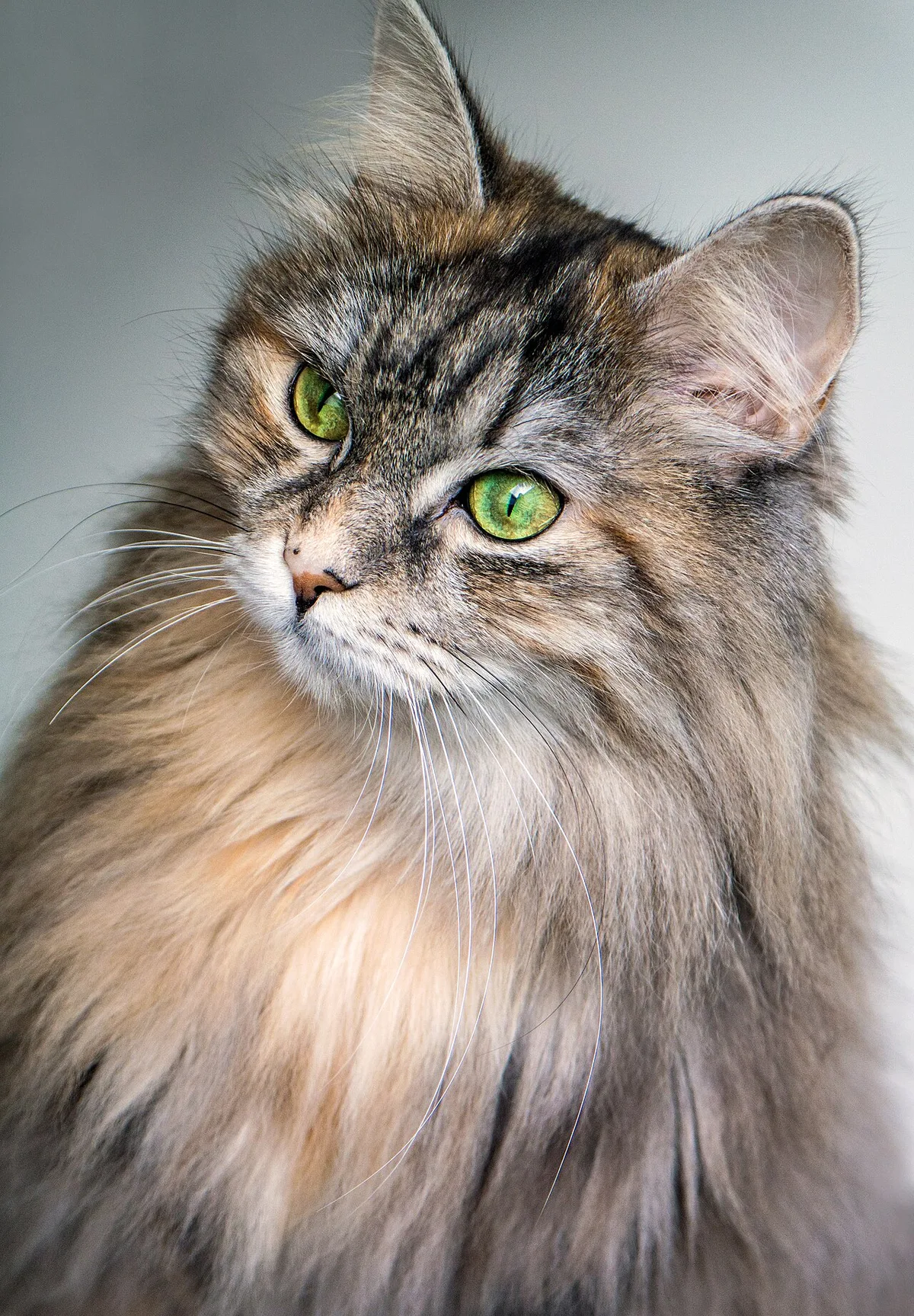
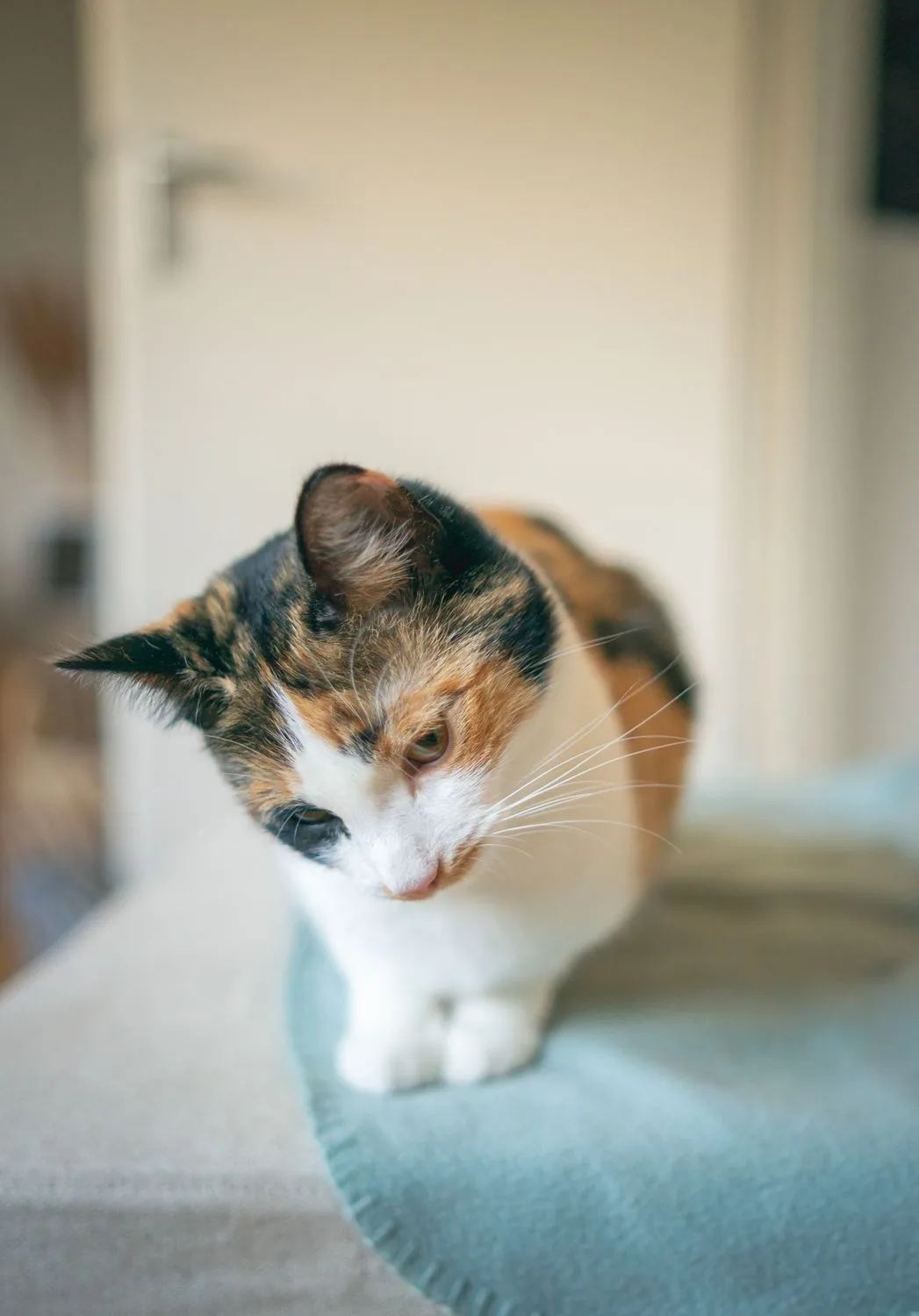
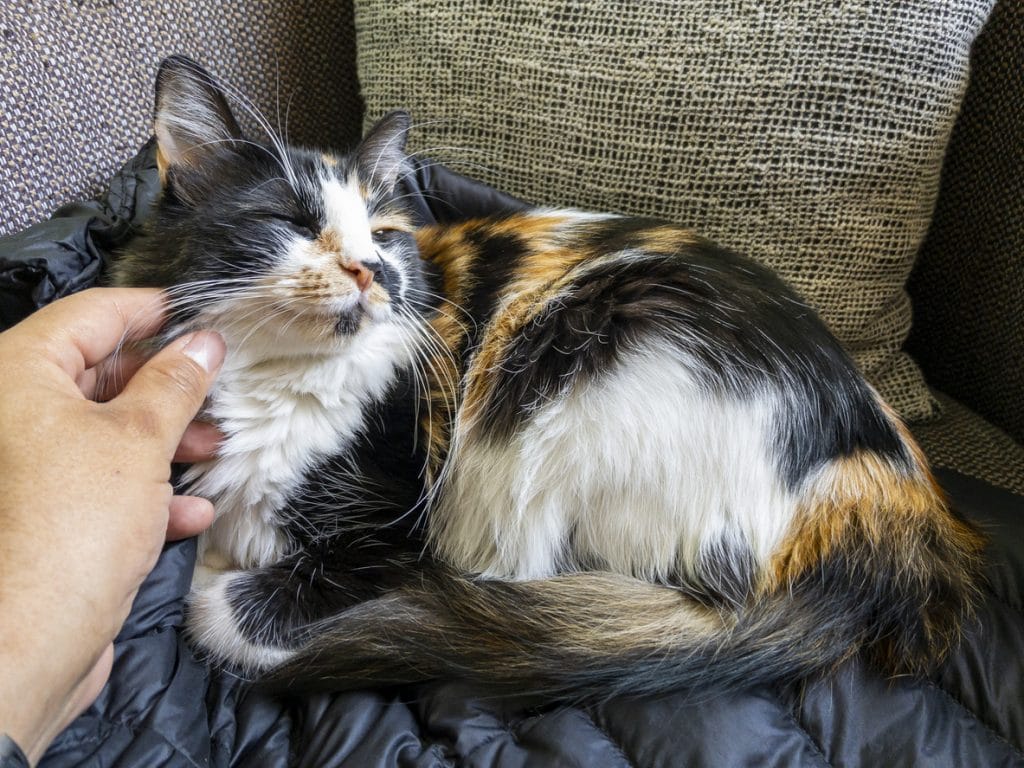
The coat of a cat speaks volumes. Each pattern and color tells a story. Solid coats come in single colors like black or white. Tortoiseshell cats display a mix of black and orange. Tabby cats have stripes, swirls, or spots on their fur. Siamese cats often have cream bodies with darker points. These points appear on their ears, face, paws, and tail.Body Shape And Size
Body shape varies among cat breeds. Some cats are slender and long, like the Siamese. Others have a robust, muscular build, like the Maine Coon. The Persian cat is known for its round face and compact body. A cat’s size also offers clues. Maine Coons are larger, while Singapuras are smaller. Notice the tail length and ear shape too.Eye Color And Shape
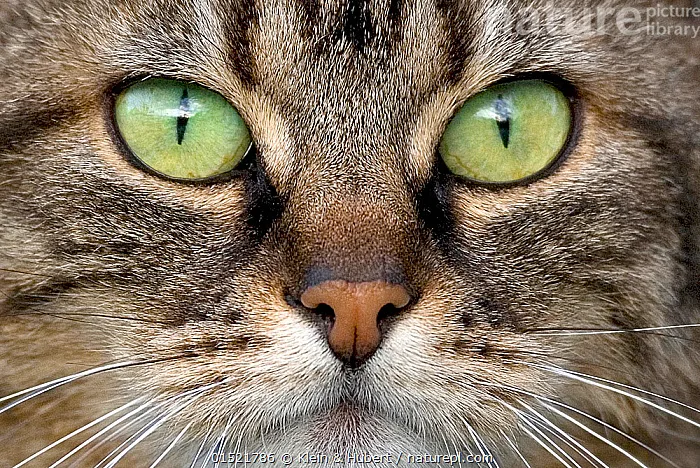
A cat’s eyes reveal much about its breed. Eye color ranges from gold to blue or green. Siamese cats often have striking blue eyes. The shape of the eyes can also be a clue. Round eyes may indicate a British Shorthair. Almond-shaped eyes suggest a Siamese or Bengal. Eye details can help narrow down breed possibilities. By examining these traits, you gain insight into your cat’s breed. Each feature adds a piece to the puzzle. Observing these details can be both fun and rewarding.Personality Clues
Your cat’s personality can offer intriguing clues about its breed. While physical characteristics are often the go-to for identifying breeds, observing how your feline friend behaves can reveal more than you might expect. Personality traits can be strong indicators, giving you insights that physical traits might miss. Have you ever wondered why your cat acts a certain way? Let’s delve into the behavioral tendencies and playful nature that might hint at your cat’s lineage.
Behavioral Tendencies
Every breed has distinct behavioral patterns. Some cats are fiercely independent, while others seek constant companionship. Consider the Siamese, known for its vocal nature and desire to be the center of attention. On the other hand, a Persian cat might prefer lounging silently in a cozy corner. Watch how your cat interacts with its environment. Does it exhibit signs of curiosity or caution? These tendencies might align with specific breeds.
Think about your cat’s daily routine. Does it follow you around the house or hide away in a quiet spot? These actions can be telling. Breeds like the Maine Coon are known for their dog-like loyalty and may shadow you throughout the day. Noticing these small behavioral cues can help you narrow down potential breeds.
Playfulness And Socialization
Playfulness is a key personality trait. Some breeds are more playful than others, showing endless energy and engaging in games. If your cat is constantly pouncing on toys, it might have Abyssinian lineage, known for their playful antics. Conversely, breeds like the British Shorthair are more reserved, preferring subtle play over high-energy antics.
Socialization habits are another clue. Observe how your cat interacts with guests or other animals. Does it rush to greet them or shy away? The Ragdoll breed is famous for its friendly disposition and might approach strangers with ease. If your cat is more cautious or selective, it may belong to a breed that values its personal space.
Understanding these personality clues can deepen your bond with your cat. Reflect on your cat’s behavior and consider how it aligns with known breed traits. What does your cat’s personality say about its origins? By tuning into these subtle cues, you can uncover fascinating aspects of your feline companion’s heritage.
Genetic Testing
Curious about your cat’s breed? Genetic testing offers a clear answer. It’s a simple process. You collect your cat’s DNA. Then, you send it to a lab. Experts analyze the sample. They provide a detailed report. This report reveals your cat’s breed. It also shares other useful information.
Benefits Of Dna Testing
DNA testing offers many benefits. It identifies your cat’s breed accurately. This helps in understanding its behavior. It also reveals health risks. Knowing these risks aids in prevention. Early action can keep your cat healthy. DNA testing also uncovers your cat’s ancestry. It’s fascinating to learn about your pet’s roots.
Understanding Test Results
Understanding DNA test results is crucial. The report includes your cat’s breed. It may list more than one breed. This shows your cat’s mixed ancestry. The report also highlights health markers. These markers indicate potential health issues. Don’t panic if you see risks. Discuss them with your vet. They can guide you on preventive measures. The report might also include personality traits. This helps in understanding your cat better.

Credit: cattree.uk
Consulting Professionals
Identifying your cat’s breed involves observing physical traits like fur length and color. Behavior patterns can also provide clues. Consulting professionals can guide you through DNA testing, ensuring accurate results in determining your feline friend’s lineage.
Identifying the breed of your cat can sometimes feel like solving a mystery. Sure, you can make educated guesses based on appearance, but consulting professionals can provide clarity. These experts possess the knowledge and experience to pinpoint specific traits and characteristics that may elude the casual observer.Veterinarian Insight
Your veterinarian is often the first professional you consult about your cat’s breed. They deal with numerous breeds daily and can offer valuable insight. With their medical expertise, they can identify subtle physical traits linked to specific breeds. They might notice unique patterns in your cat’s fur or specific body structures. Have you ever wondered why your cat is so vocal or particularly agile? These behavioral cues might be linked to their breed. Your vet can help you connect these dots. Moreover, they may recommend a DNA test for more accurate results.Cat Breeder Expertise
Professional cat breeders are another excellent resource. They have a keen eye for breed-specific characteristics and nuances. With years of experience, they can spot a breed from a mile away. If you acquired your cat from a breeder, they could provide detailed information about your cat’s lineage. Breeders are also familiar with the behavior and temperament of different breeds. Ever questioned why your cat prefers solitude or loves to climb? A breeder might explain these quirks based on their breed. Consider reaching out to local breeders for their expert opinion. They might even point you to resources for learning more about your cat’s breed traits.Consulting professionals can turn your cat breed mystery into a fascinating journey. Wouldn’t it be rewarding to know your cat’s breed and traits better?
Online Resources And Communities
Identifying your cat’s breed can be a fascinating journey. With the rise of online resources and communities, you have access to a treasure trove of information right at your fingertips. These platforms offer not only detailed breed databases but also interactive forums where you can connect with fellow cat enthusiasts. Whether you’re trying to uncover the mystery of your feline friend’s lineage or simply curious, these resources can be incredibly helpful.
Breed Databases
Breed databases are a goldmine for cat lovers seeking to identify their feline’s breed. Websites like Cat Fanciers’ Association and The International Cat Association provide extensive lists of recognized breeds with detailed descriptions.
You’ll find information on physical characteristics, personality traits, and even genetic predispositions. Some databases offer photos for comparison, making it easier to match your cat’s features. Have you ever wondered if your cat’s quirky behavior is typical of a specific breed? These databases can offer insights.
Forums And Discussion Groups
Connecting with other cat owners through forums and discussion groups can be eye-opening. Platforms like Reddit or specialized cat forums allow you to share pictures and ask for opinions on your cat’s breed.
Engaging with these communities can be like joining a detective club. Members often share personal stories, tips, and their own experiences with breed identification. You might stumble upon someone who has a cat that looks just like yours!
Are you ready to dive into these online communities and discover your cat’s breed? The journey could lead to surprising insights and new friendships!
Common Misidentifications
Identifying your cat’s breed can be tricky due to common misidentifications. Many cats look similar, causing confusion. Observing physical traits like fur pattern and eye color helps differentiate breeds.
Identifying the breed of your cat can sometimes feel like solving a mystery. With so many unique characteristics and overlapping traits, it’s easy to misidentify your feline friend. Understanding the common misidentifications can help you better appreciate your cat’s unique background and personality.Mixed Breeds Vs. Purebreds
Many cat owners wonder if their cat is a purebred or a mixed breed. It’s important to know that most cats are actually mixed breeds. These cats often have a blend of traits from different breeds, making them unique in their own right. Purebreds, on the other hand, have distinct characteristics that are consistent across the breed. If your cat has a pedigree or a specific set of features, it might be purebred. But remember, purebreds are less common than mixed breeds. Have you ever thought your cat was a Maine Coon because of its fluffy tail and large size? It might just be a domestic longhair with similar traits. This is a classic example of how easy it is to mix up breeds.Myths About Breed Characteristics
Breed myths are another reason cats are often misidentified. Some people believe all Siamese cats are loud and talkative. While many are, it’s not a rule. Personality varies greatly even within a breed. Consider the myth that all Persian cats are lazy. While they do enjoy lounging, many Persians are playful and active. Don’t let stereotypes limit your understanding of your cat’s behavior. If you think your cat must be a certain breed because of one characteristic, think again. Cats are individuals, and their personalities can surprise you. Have you ever discovered a quirk in your cat that defies typical breed traits? Understanding your cat’s breed can deepen your bond and help you cater to its needs. Look beyond appearances and myths to truly know your feline friend.
Credit: www.reddit.com
Frequently Asked Questions
How Can I Tell What Breed My Cat Is?
Identify your cat’s breed by observing physical traits like coat color, pattern, and size. Consult a vet for DNA testing or use online breed identification tools. Compare your cat with breed standards from cat associations for more insights.
Can Google Lens Identify Cat Breeds?
Yes, Google Lens can identify cat breeds. Simply take a photo, and Lens analyzes features to suggest possible breeds. Results may vary based on image quality and breed distinctiveness.
How Can I Identify A Cat?
Identify a cat by its pointy ears, whiskers, retractable claws, and sleek fur. Cats usually have vertical slit-shaped pupils and a flexible tail. They often purr, meow, and exhibit playful or curious behavior. Cats are generally independent, agile, and skilled climbers.
How To Tell If Your Cat Was Bred?
Check for a swollen belly, increased appetite, and nipple enlargement. Consult a vet for confirmation. Observe behavioral changes like increased affection or nesting instincts.
Conclusion
Identifying your cat’s breed can be a fun journey. First, observe their physical traits. Look at their fur, eyes, and ears. Next, consider their personality. Are they playful, calm, or vocal? Finally, use online resources. Many websites offer breed identification tools.
Remember, cats are unique. Even mixed breeds have fascinating qualities. Cherish your cat’s distinctiveness. Your cat’s breed is just one part of their charm. Appreciate their individuality and quirks. Every cat brings joy in its own way. Embrace the mystery and enjoy your feline friend.

Similar Posts