Why are My Cats Not Using the Litter Box: Solve It Fast
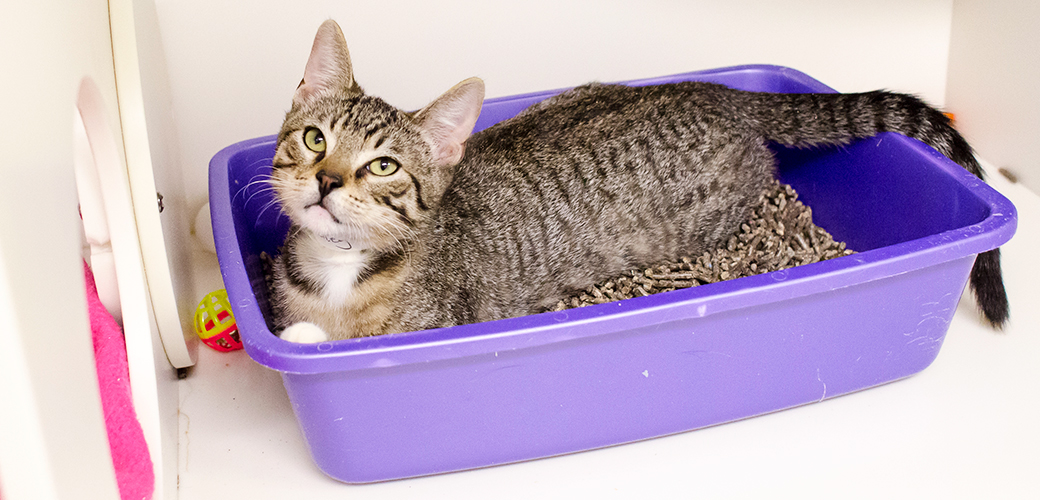
Are you feeling frustrated because your cats have suddenly decided to ignore their litter box? You’re not alone.
Many cat owners encounter this puzzling behavior, and it can be both confusing and messy. Before you start wondering if your cat is trying to make a statement, let’s dive into the reasons behind this change. Understanding why your cats might be avoiding their litter box is crucial for addressing the issue effectively.
By the end of this article, you’ll have a clearer idea of what might be going on in your feline friend’s mind and how you can encourage them to use the litter box again. Keep reading to discover the secrets to a happier, cleaner home for you and your cats.
Common Reasons For Avoiding The Litter Box
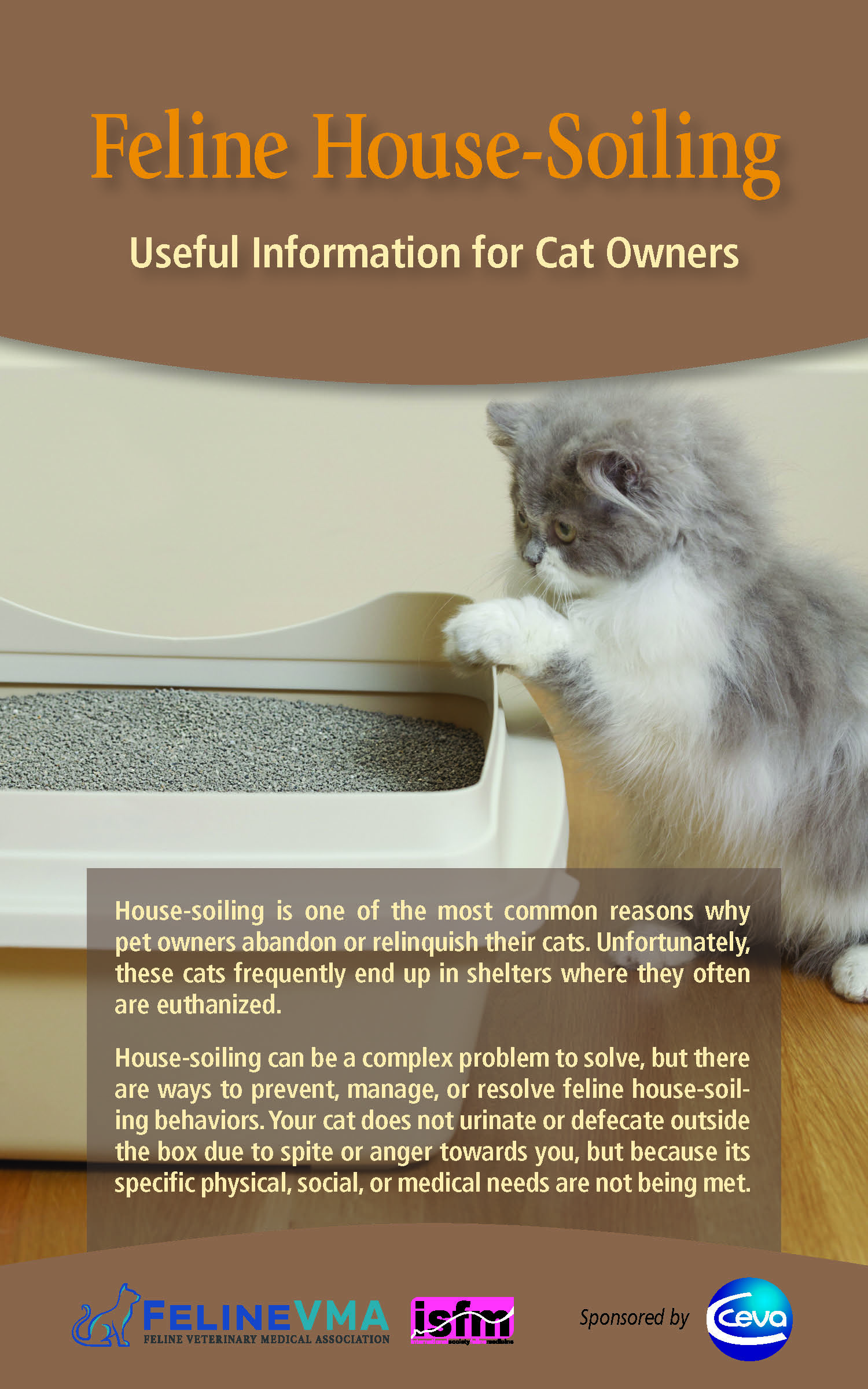
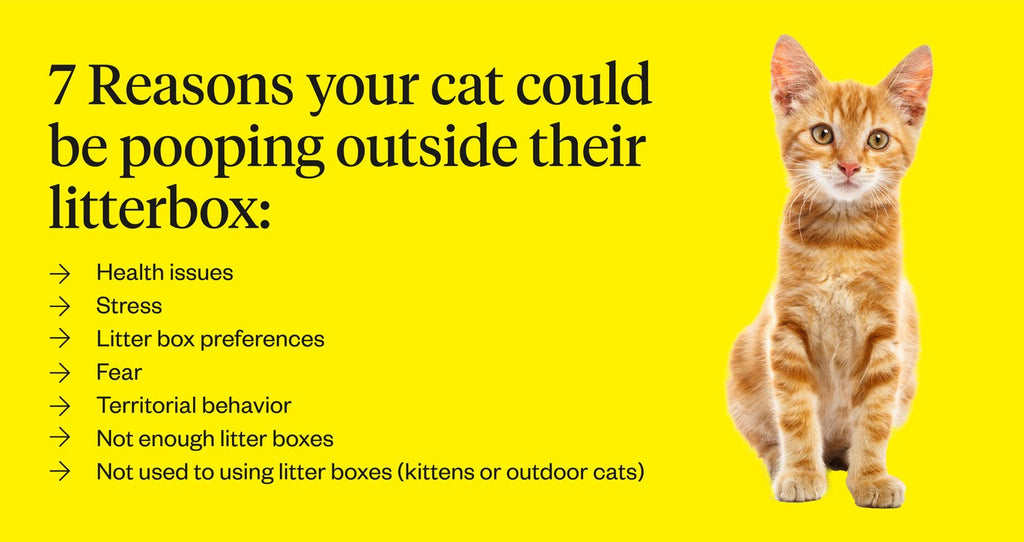
Cats are beloved companions, but litter box issues can be frustrating. Understanding why they avoid the litter box helps address the problem effectively. Several common reasons might explain this behavior.
Medical Issues
Health problems can cause litter box avoidance. Urinary tract infections are a frequent culprit. Cats may associate the box with pain during urination. Digestive issues also contribute. Constipation or diarrhea can lead to accidents outside the box. Regular veterinary check-ups help rule out these problems.
Stress Factors
Cats are sensitive creatures. Changes in the environment can stress them. New pets or family members are common stressors. Even moving furniture might unsettle them. Stress can cause litter box avoidance. Providing a calm space helps reduce their anxiety.
Litter Box Preferences
Cats have specific litter box preferences. The box’s location is crucial. Cats prefer quiet, private areas. The type of litter matters too. Some cats dislike scented litter. Others may prefer a certain texture. Ensuring the box is clean is essential. A dirty box can deter use.
Territory Marking
Marking territory is natural for cats. It can lead to litter box avoidance. Unneutered males are more likely to spray. However, any cat might mark if they feel threatened. Properly addressing marking behavior is key. Neutering and providing ample resources help.
Assessing Your Cat’s Health
Cats avoiding the litter box might signal health issues or stress. Investigate if changes in environment affect their habits. Ensure the litter box is clean and accessible to encourage usage.
Cats sometimes avoid the litter box due to health issues. Understanding these issues helps in addressing the problem. Cats communicate discomfort through behavior changes. Ignoring these signs can worsen their health. Let’s explore how to assess your cat’s health.Signs Of Illness
Cats often hide pain or illness well. Watch for changes in appetite. Notice any vomiting or diarrhea. Increased thirst or urination can signal issues. Check for limping or difficulty moving. Look for changes in grooming habits. Cats may neglect grooming if unwell. Bad breath or drooling can indicate dental problems. Always monitor these signs closely.Consulting A Veterinarian
If signs of illness appear, consult a vet. Early diagnosis can prevent serious problems. Vets can perform tests to find hidden issues. They can offer treatments to ease your cat’s discomfort. Regular check-ups help maintain your cat’s health. Don’t wait for symptoms to worsen. Schedule a vet visit if concerned. `Creating A Cat-friendly Environment
Cats might avoid the litter box due to stress or an uncomfortable environment. Ensure it’s clean and placed in a quiet spot. Introduce familiar scents and toys to create a welcoming space.
Creating a cat-friendly environment can be the key to solving litter box issues. Cats are sensitive creatures, and even small changes can impact their behavior. By making their surroundings comfortable and stress-free, you can encourage them to use their litter box consistently.Reducing Stress
Stress can be a major reason why cats avoid the litter box. Think about changes in your home that might be unsettling for your cat. Have you moved furniture or introduced a new pet? A personal story: When I added a new rug to my living room, my cat stopped using the litter box. It turned out the rug’s texture was bothering him. I removed it, and he returned to his regular litter habits. Simple adjustments can make a difference. Keep your home calm and avoid sudden changes. Pay attention to how your cat reacts to new items or people.Safe Spaces
Cats need their own safe areas where they can relax. Consider where your litter box is located. Is it in a busy hallway or near a loud appliance? Try placing the litter box in a quiet corner or a room where your cat feels secure. You might notice an improvement in their habits. Think about creating a sanctuary space just for your cat. A cozy bed or a perch by the window might be all they need. When cats feel safe, they’re more likely to have consistent litter box habits. What adjustments can you make to help your cat feel more at ease?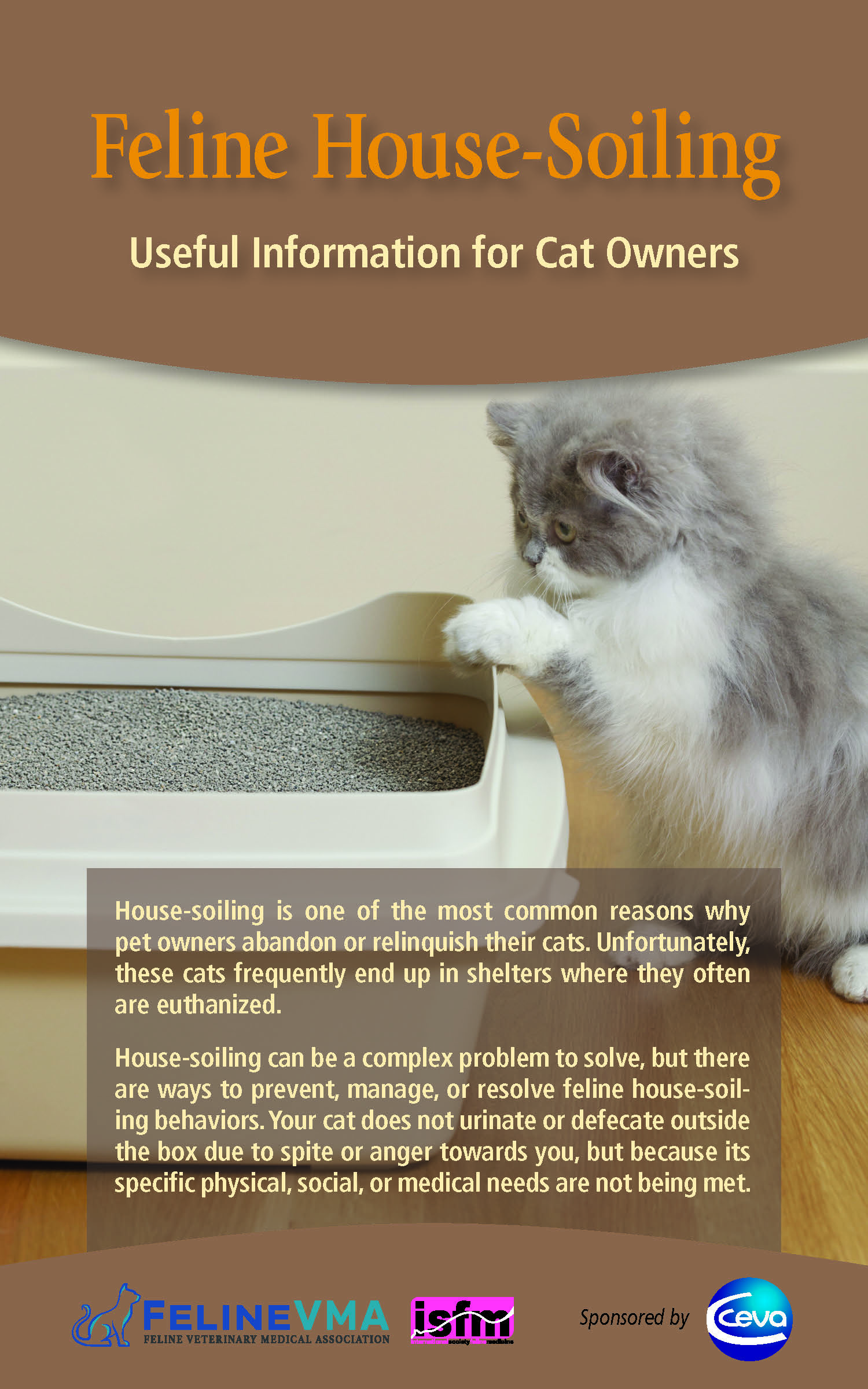
Credit: catfriendly.com
Choosing The Right Litter Box
Choosing the right litter box for your feline friends can be a game changer in ensuring they actually use it. Cats are particular creatures, and even the smallest detail can make a big difference. Let’s dive into the essentials of selecting the perfect litter box.
Size And Design
Did you know that the size of the litter box could be the reason your cats are avoiding it? A cramped box can make them feel uncomfortable. Consider a box that’s at least one and a half times the length of your cat. This gives them the space they need to move around and find that perfect spot.
Design also plays a crucial role. Some cats prefer open litter boxes while others may feel safer in a covered one. Observe your cat’s preferences. My own cat, Luna, refused to use her box until I switched to an open design. A simple change like this can make a huge difference.
Location Matters
Where you place the litter box can be as important as the box itself. Cats are private creatures. They might avoid a box that’s in a busy or noisy location. Try placing it in a quiet, low-traffic area of your home. This gives your cat a sense of security.
However, don’t make it too hard for them to reach. A box tucked away in an obscure corner might be ignored. Would you want to trek across your house just to use the bathroom? Keep the box accessible yet discreet.
Have you ever wondered if your cat is ignoring the litter box because of its placement? A small tweak in location might be all it takes to solve the problem. Remember, your cat’s comfort and convenience should be your guiding principles.
Selecting Suitable Cat Litter
Choosing the right cat litter is crucial for encouraging litter box use. Cats are picky creatures, and their litter preferences can vary greatly. Selecting suitable cat litter involves understanding your cat’s specific needs and preferences. This can prevent litter box avoidance.
Texture Preferences
Cats have unique preferences for litter texture. Some prefer soft, sandy textures. Others may like coarser grains. It’s essential to observe your cat’s behavior. Try different textures to see which one they prefer. A comfortable texture can make a big difference.
Scent Considerations
Scent plays a significant role in litter choice. Many cats dislike strong, artificial scents. Unscented litter may be more appealing to them. Some cats might tolerate mild scents. If your cat avoids the litter box, try changing the scent. It could be the key to solving the issue.

Credit: www.youtube.com
Maintaining Cleanliness
Cats avoiding the litter box may signal issues. Stress or changes in environment can disrupt their routine. Ensure the box is clean and accessible, catering to their preferences for a comfortable space.
Cats are fascinating creatures, but they can be quite particular about their litter box habits. When your feline friend starts avoiding their litter box, it often boils down to cleanliness. Ensuring the litter box is clean and inviting is crucial. Maintaining cleanliness isn’t just about scooping; it involves regular care and attention to detail.Regular Cleaning
A clean litter box is a happy litter box. Cats have a keen sense of smell, and even a slight odor can be off-putting. Make it a habit to scoop out the waste at least once a day. A friend once shared how her cat stopped using the litter box because she only scooped every few days. Once she started daily cleaning, her cat returned to the box. Could your cat be asking for the same? Replace the litter entirely every week or two. A fresh start can make all the difference. When was the last time you gave your cat’s litter box a complete refresh?Avoiding Harsh Chemicals
Cats are sensitive to strong odors, and harsh cleaning chemicals can deter them from using the litter box. Opt for mild, unscented cleaners when washing the box. Once, I made the mistake of using a scented cleaner. My cat refused to use the litter box for days. A quick rinse with water solved the problem. Have you ever considered how the cleaning product’s scent might affect your cat? Consider natural alternatives like vinegar or baking soda, which can clean effectively without overpowering smells. A clean, welcoming litter box is essential for ensuring your cat feels comfortable doing their business. By focusing on regular cleaning and avoiding harsh chemicals, you can help your feline friend stay happy and stress-free. Have you checked your cleaning routine lately? It might just hold the key to solving your litter box mystery.Behavioral Solutions
Understanding why your cat avoids the litter box can be challenging. Behavioral solutions can guide them back to good habits. Cats are creatures of habit. Small changes in their environment can affect their litter box use. Addressing behavioral issues requires patience and understanding. Let’s explore some effective strategies.
Positive Reinforcement
Cats respond well to positive reinforcement. Praise them when they use the litter box. Use treats as a reward. This encourages good behavior. Avoid scolding or punishment. It can create fear or stress. Instead, focus on rewarding desired actions. Consistency is key. Over time, they will associate the litter box with positive experiences.
Training Techniques
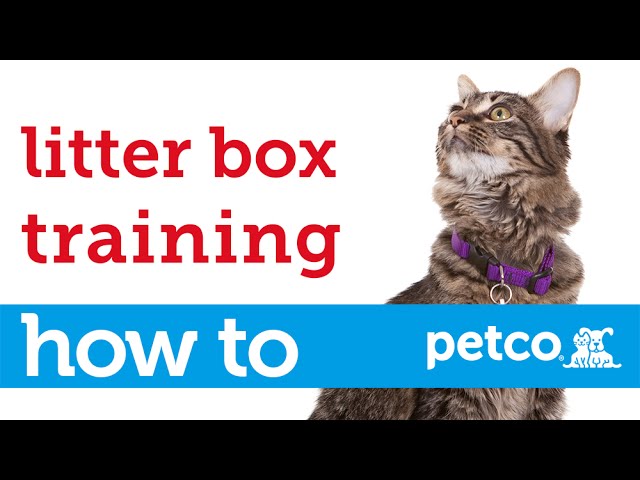
Training your cat can improve their litter box habits. Start by showing them the box. Place them gently in it. Let them explore it at their own pace. Make the box a comfortable place. Keep it clean and odor-free. You can also use verbal cues. Say a specific word when they use the box. Cats can learn to connect this word with the action. Patience and persistence are crucial. Over time, these techniques can yield results.
Seeking Professional Help
When your cats suddenly refuse to use the litter box, it can be incredibly frustrating. You’ve tried everything you can think of, but nothing seems to work. That’s when seeking professional help might be the best step forward. You don’t have to navigate this challenge alone, and sometimes the insight from a professional can be the key to understanding your cat’s behavior. Let’s explore how consulting experts can make a difference.
Animal Behaviorists
An animal behaviorist can be a game-changer in understanding why your cats are avoiding the litter box. These professionals specialize in decoding animal behavior and can provide tailored advice based on your specific situation. They might identify subtle stressors in your home environment that you hadn’t considered before.
I once consulted a behaviorist for my cat, and she pointed out that the new carpet could be emitting a scent that my cat disliked. Such insights are invaluable and can lead to simple yet effective changes. Would you have thought a household item could be the culprit?
Behaviorists often suggest gradual changes to your cat’s environment, helping them feel more secure. These steps can ensure that your cat feels comfortable returning to their litter box without fear or anxiety.
Long-term Strategies
Professional advice often includes long-term strategies that go beyond immediate fixes. You may receive a plan that involves regular changes to your litter box setup or consistent cleaning routines. These strategies focus on creating a positive experience for your cat, encouraging them to use the litter box regularly.
Think about how adopting a simple daily routine could change your cat’s behavior. Maybe adding a soft mat near the litter box or changing the litter type can make all the difference. What small changes can you make today?
Professionals often emphasize the importance of patience and consistency. Implementing these strategies requires time, but they can lead to lasting improvement. Are you ready to commit to a long-term plan for your cat’s well-being?
Seeking help can provide clarity and direction when you feel stuck. Your cat’s comfort and health are worth the investment, and professional guidance can pave the way for a happier home for both you and your feline friend.

Credit: artsonlinegallery.com
Frequently Asked Questions
Why Do Cats Suddenly Refuse To Use A Litter Box?
Cats may refuse to use a litter box due to stress, medical issues, or dirty litter. Changes in location, type of litter, or a new pet can also cause aversion. Consult a vet to rule out health problems and ensure the box is clean and accessible.
What Do I Do If My Cat Won’t Use The Litter Box?
Ensure the litter box is clean and accessible. Try changing the litter type. Consult a vet if issues persist.
Why Is My Cat Using The Floor Instead Of The Litter Box?
Your cat might avoid the litter box due to stress, health issues, or dirty litter. Ensure the box is clean, accessible, and in a quiet location. If issues persist, consult a vet to rule out medical problems.
Why Does A Cat Quit Using A Litter Box?
Cats may stop using litter boxes due to stress, illness, or dirty conditions. Ensure cleanliness and a comfortable environment. Consult a vet for health issues. Consider box location and litter type changes. Monitor for behavioral shifts or new pets affecting habits.
Conclusion
Cats may avoid the litter box for various reasons. Stress, illness, or even dislike of the litter can be factors. Pay attention to their behavior. Observe changes in their routine. Address any health issues promptly. Consider switching to a different litter type.
Clean the box regularly to keep it inviting. A clean and comfortable environment encourages good habits. Consult a vet if problems persist. Understanding your cat’s needs helps them feel secure. Happy cats use their litter box without fuss. Keep experimenting until you find what works best for your furry friend.

Similar Posts