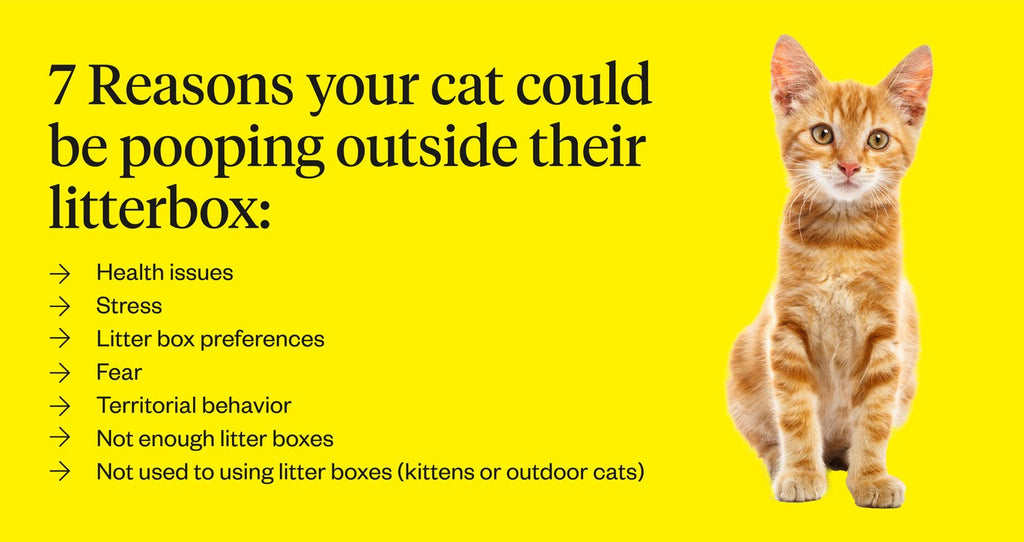
How to Make Cat Use Litter Box: Easy Training Tips
Are you struggling to get your cat to use the litter box? You’re not alone.
This is a common issue that many cat owners face, and it can be both frustrating and challenging. But don’t worry; there are effective strategies to help guide your feline friend to use the litter box consistently. Imagine a home free from unexpected messes and the peace of mind that comes with it.
Understanding your cat’s behavior and preferences is key to solving this problem. You’ll discover practical tips and tricks to make your cat feel comfortable and confident using the litter box, turning your home into a cleaner and more harmonious space. Let’s dive in and find the solution that works for you and your furry companion.

Credit: www.thehonestkitchen.com
Choosing The Right Litter Box
Choosing the right litter box can encourage your cat to use it more consistently. Place the box in a quiet area to reduce stress. Ensure it’s easy for your cat to access, and keep it clean to promote regular use.
Choosing the right litter box for your cat is more than just picking the first one you see at the pet store. It plays a crucial role in whether or not your cat will use it. Understanding what makes a litter box suitable for your feline can make all the difference.Size And Design Considerations
The size and design of the litter box are crucial. A litter box that is too small may discourage your cat from using it. Ensure that the box is large enough for your cat to turn around comfortably. Cats often prefer open litter boxes rather than ones with covers. Covered boxes can trap odors, which might not appeal to your cat’s sensitive nose. Think about your cat’s size and age; kittens may need lower sides to climb over easily.Types Of Litter Boxes
There are several types of litter boxes available, each catering to different needs. Traditional open boxes are simple and usually effective. Self-cleaning boxes, although more expensive, can save you time and keep the box cleaner for your cat. High-sided boxes are great for cats that tend to scatter litter. If your cat is older or has mobility issues, consider a box with lower sides for easy access. Remember, the best type of litter box is the one your cat feels most comfortable using. Choosing the right litter box might seem trivial, but it can significantly impact your cat’s litter habits. Why not give it a thought and see how your cat’s behavior changes?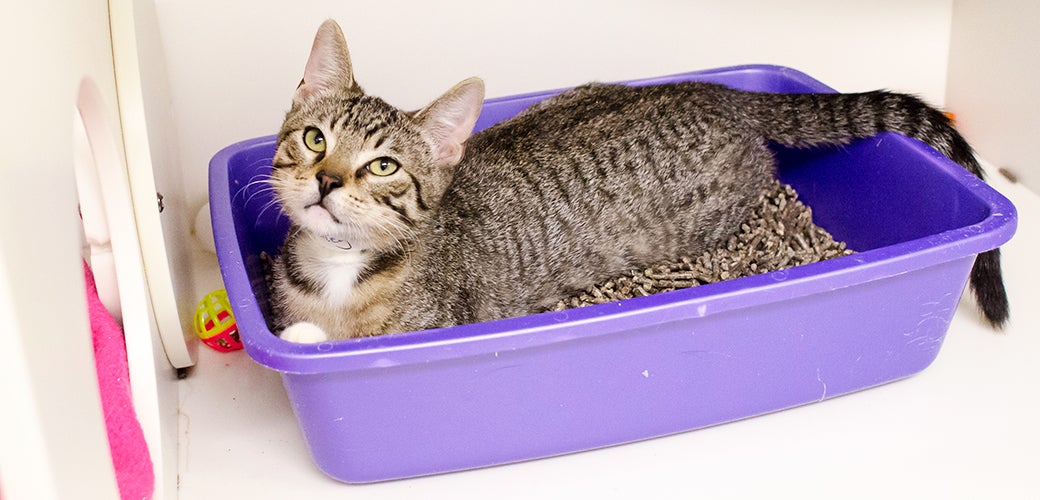
Credit: www.aspca.org
Selecting The Best Cat Litter
Choosing the right cat litter is crucial for litter box success. Cats can be particular about their litter preferences. The wrong choice can lead to accidents outside the box. Understanding different litter types helps find the best fit for your cat. Let’s explore the options.
Clumping Vs. Non-clumping
Clumping litter forms solid clumps when wet. This makes it easy to scoop out waste. Many cat owners prefer this type for its convenience. It helps keep the litter box clean and odor-free. Non-clumping litter absorbs moisture but doesn’t form clumps. You need to change it more often to maintain cleanliness.
Scented Vs. Unscented
Scented litter masks odors with fragrances. It can be appealing to humans but might bother cats. Cats have a strong sense of smell. Some may avoid the box if the scent is too strong. Unscented litter offers a natural choice. It avoids overpowering smells, keeping the box inviting for your cat.
Strategic Placement Of The Litter Box
Strategic placement of the litter box is key to cat training success. Cats are particular about where they do their business. Ensuring the right spot can prevent accidents and stress. Consider these essential factors to make the litter box inviting.
Quiet And Accessible Locations
Cats prefer peace during their private moments. Place the litter box in a quiet area. Avoid noisy appliances or loud rooms. This creates a stress-free environment for your cat. Accessibility is crucial too. Ensure your cat can easily reach the box. Avoid placing it behind closed doors or obstacles.
Avoiding High Traffic Areas
Cats dislike busy environments. High traffic areas can make them anxious. Avoid placing the litter box near busy hallways or entryways. This ensures your cat feels safe and comfortable. A calm space encourages regular use. Remember, a little privacy goes a long way.
Credit: www.thehonestkitchen.com
Introducing The Cat To The Litter Box
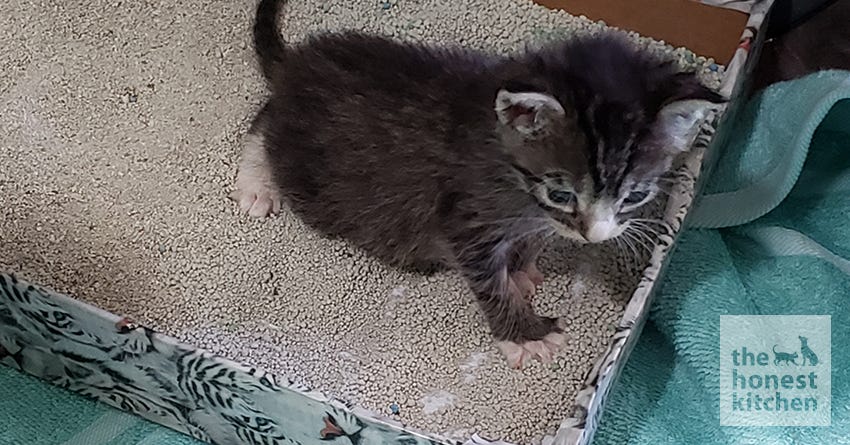
Introducing a cat to a litter box requires patience. Place the box in a quiet spot. Show the cat the box and gently place them inside. Cleanliness is key; keep the litter fresh to encourage regular use.
Introducing a cat to a litter box can feel like a daunting task, especially if you’re a first-time pet owner. But don’t worry; with patience and the right techniques, your feline friend will soon be a pro at using the litter box. The key is to make the experience stress-free and rewarding for both you and your cat. Let’s dive into some effective methods to help your cat become comfortable with their new bathroom setup.Gradual Introduction Techniques
Start by placing the litter box in a quiet, accessible area. Cats prefer privacy, so avoid high-traffic zones. If your cat is particularly wary, try introducing them to the litter box gradually. Begin by placing them near the box after feeding, as this is a natural time for them to want to go. Observe how your cat reacts. Do they sniff around or seem curious? That’s a good sign. If they seem hesitant, it’s important not to rush them. Allow them to explore at their own pace. Consider using a litter that mimics the texture of soil or sand, as it may be more appealing to them.Using Positive Reinforcement
Cats respond well to positive reinforcement. Praise them when they show interest in the litter box. You can use treats as a reward when they use the box successfully. This reinforces the behavior you want. Make sure the litter box is clean. A dirty box might discourage your cat from using it. Think back to a time you learned something new. Wasn’t it easier when someone cheered you on? Cats feel the same way. Engage your readers: Have you tried rewarding your cat before? What worked best for you? By encouraging your cat through positive experiences, you’ll build their confidence and make litter box use a natural part of their routine. Remember, patience is your best friend in this process. Cats are creatures of habit, and with a little time and encouragement, they’ll find their way.Maintaining Litter Box Hygiene
Maintaining litter box hygiene is crucial to keep your cat happy and healthy. A clean litter box encourages your cat to use it consistently. It also prevents unpleasant odors from lingering in your home. Let’s dive into some practical tips to ensure your litter box stays spotless and fresh.
Regular Cleaning Schedule
Set a regular cleaning schedule to keep the litter box pristine. Scoop out waste every day to prevent buildup. This not only keeps the box clean but also makes it more inviting for your cat.
Once a week, completely change the litter and wash the box with mild soap and water. This ensures any lingering bacteria are removed. Consider it as a necessary routine, like washing dishes or doing laundry.
Using clumping litter can make daily scooping easier. It forms solid clumps that are simple to remove, leaving the rest of the litter clean for your cat’s next visit.
Monitoring For Odors
Be vigilant about odors. If you notice a strong smell, it’s a sign to clean the box more thoroughly. Consider using odor-neutralizing products designed for litter boxes. They can make a significant difference in keeping your home smelling fresh.
Sometimes, the litter itself might be the issue. Experiment with different types of litter to find one that minimizes odors effectively. Your cat may also prefer certain textures or scents, so pay attention to their preferences.
Ask yourself: would you want to use a bathroom that smells bad? Your cat likely feels the same. Keeping odors at bay can make your home more pleasant for everyone.
Maintaining litter box hygiene doesn’t have to be a chore. With these simple steps, you can ensure a clean and welcoming environment for your feline friend. Have you tried any of these tips? Share your experiences in the comments!
Troubleshooting Common Issues
Helping your cat use the litter box involves understanding common issues. Ensure the box is clean and placed in a quiet spot. Experiment with different types of litter to find one your cat prefers.
Troubleshooting common issues with your cat’s litter box usage can feel like a puzzle. You’re not alone in facing these challenges. Many cat owners find themselves scratching their heads over why their feline friend suddenly stops using the litter box. Could it be a behavioral hiccup? Or perhaps a health concern? Let’s dive into these possibilities and see how you can encourage your cat back to the box.Addressing Behavioral Problems
Cats are creatures of habit, and any change can throw them off. Did you recently move the litter box? Cats may refuse to use it if it’s in a new or noisy location. Try moving it back to its original spot. Consider the litter itself. Some cats are picky about texture or scent. Experiment with different types of litter to see which one your cat prefers. Stress is another factor. Have you introduced a new pet or had a significant change in the household? Cats can react by avoiding the litter box. Spend extra time playing or comforting your cat to ease the transition.Medical Concerns Affecting Usage
Sometimes, the issue isn’t behavioral. Health problems can lead to litter box avoidance. If your cat starts having accidents outside the box, a vet visit may be in order. Urinary tract infections or kidney issues are common culprits. They can cause pain during urination, making your cat associate the box with discomfort. Pay attention to other signs. Is your cat drinking more water than usual or losing weight? These could indicate a medical problem affecting litter box habits. Have you noticed any other behavior changes? Cats often hide their pain, so subtle cues are crucial. If something feels off, trust your instincts and consult a vet. Remember, understanding your cat’s needs requires patience and observation. What’s the most surprising thing you’ve learned about your cat’s litter box habits?Tips For Multi-cat Households
Encourage cats to use the litter box by placing multiple boxes in quiet, accessible areas. Keep them clean to prevent odor and ensure comfort. Provide positive reinforcement with treats when they use the box, making them feel secure and happy.
Having multiple cats in one household can be a delightful experience, but it also brings unique challenges, especially when it comes to litter box usage. Ensuring all your feline friends are comfortable and happy with their bathroom arrangements is crucial for a harmonious home. Let’s dive into some effective strategies for making sure your cats use the litter box correctly, even in a multi-cat household.Providing Multiple Litter Boxes
It’s essential to have enough litter boxes for each cat. A good rule of thumb is to have one litter box per cat, plus one extra. This ensures that even the most particular feline has a space to go without feeling crowded. Place the litter boxes in different locations around your home. This prevents a single cat from dominating all the boxes and gives every cat a choice. Consider your cats’ preferences and habits—some may prefer a quiet corner, while others might like a more central location. Keep the boxes clean. Cats are fastidious creatures, and a dirty litter box might deter them from using it. Scoop the boxes daily and change the litter regularly to keep odors at bay and your cats content.Preventing Territorial Conflicts
Cats are territorial by nature, and introducing multiple cats to one litter box can lead to conflicts. You can minimize these tensions by providing enough space and resources for everyone. Observe your cats’ behavior. Are there any signs of aggression or avoidance around the litter box? Identifying these behaviors early can help you address them before they escalate. Consider using different types of litter boxes. Some cats may prefer a covered box, while others might like an open one. By offering variety, you ensure that each cat finds a box that suits their preference. Ensure that each cat has their own space. Even in a multi-cat household, every cat should have a spot they can retreat to when they need some alone time. A cozy bed or a perch by a window can offer a sense of security and reduce stress. What strategies have you found effective for managing litter boxes in a multi-cat home? Share your experiences and tips to help fellow cat lovers create a peaceful environment for their furry family members.Frequently Asked Questions
How Can I Encourage My Cat To Use The Litter Box?
Place the litter box in a quiet, accessible location. Keep it clean daily. Use unscented litter. Praise and reward your cat for using it. Ensure your cat feels comfortable and safe around the litter box.
Why Can’t I Get My Cat To Use The Litter Box?
Your cat may avoid the litter box due to stress, health issues, or dislike of its location. Ensure cleanliness, comfort, and proper positioning. Consult a vet if problems persist.
How Can I Attract My Cat To The Litter Box?
Place the litter box in a quiet, accessible area. Keep it clean and odor-free. Use unscented, fine-grained litter. Ensure the box is the right size for your cat. Offer positive reinforcement, like treats, when your cat uses the box.
How Long Does It Take To Teach A Cat To Use A Litter Box?
Teaching a cat to use a litter box usually takes 1 to 2 weeks. Start by placing the cat in the box after meals. Consistency and patience are key. Reward and praise your cat for using the litter box correctly.
Most cats adapt quickly to their new routine.
Conclusion
Training a cat to use the litter box takes patience. Stay consistent with your efforts. Offer praise when your cat uses the box correctly. Try different litter types if needed. Keep the litter box clean and in a quiet spot.
Watch for any changes in your cat’s behavior. These might indicate a problem. Consult a vet if issues persist. With time, your cat will learn. A happy cat equals a happy home. Enjoy the bond you build through this process.
Your efforts will pay off.

Similar Posts