What is the Best Anti Anxiety Medication for Cats: Top Choices

Does your cat seem anxious or stressed? You’re not alone.
Many cat owners face this challenge and want to ensure their furry friends feel comfortable and happy. You might be wondering what the best anti-anxiety medication for cats is. This is an important question, and getting the right answer can make a big difference in your cat’s life.
You’ll discover the options available and learn how to choose what’s best for your feline companion. You’ll find out which medications are most effective and have the fewest side effects. Plus, we’ll share tips on how to support your cat’s mental health naturally. By the end of this read, you’ll feel more confident about helping your cat live a stress-free life. Dive in to find the perfect solution for your pet’s peace of mind.

Credit: www.petcarerx.com
Understanding Feline Anxiety
Cats can suffer from anxiety just like humans. Vet-prescribed medications, like fluoxetine or buspirone, often help reduce stress. Always consult your vet for the best choice for your pet’s needs.
Understanding Feline Anxiety Cats, much like humans, can experience anxiety. It can be distressing to see your feline friend in discomfort. Understanding what triggers their anxiety is crucial to providing the right care. Anxiety in cats can manifest in numerous ways. It’s not just about a frightened cat hiding under the bed. It might be more subtle, like changes in eating habits or using the litter box. Recognizing these behaviors helps in addressing the problem effectively. Let’s delve into the signs and causes of anxiety in cats.Signs Of Anxiety In Cats
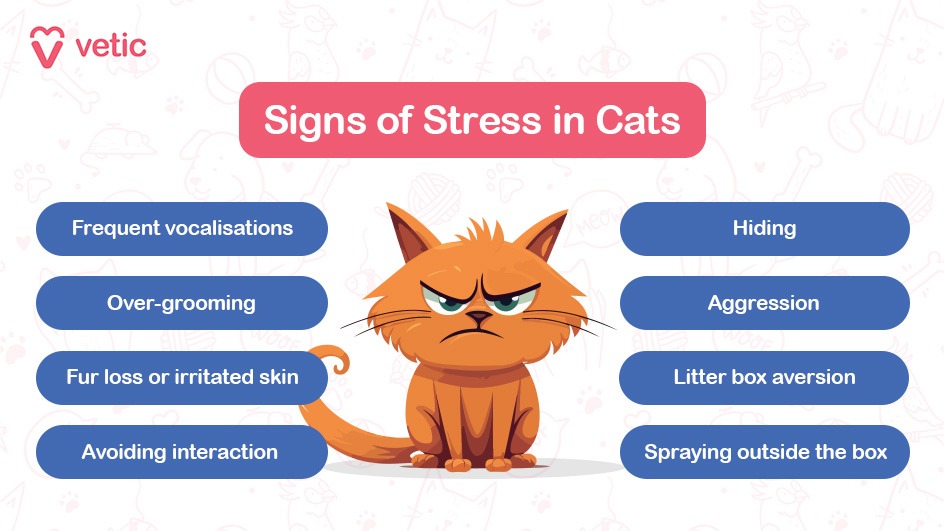
Anxious cats may show a range of symptoms. Some common signs include excessive grooming, which might lead to bald spots. Others might vocalize more, yowling or crying without a clear reason. Watch for changes in litter box habits. A previously well-trained cat might start soiling outside the box. Some cats might also become aggressive or overly clingy. Each cat is unique, and symptoms can vary. Have you noticed any sudden behavior changes in your cat? It might be anxiety.Common Causes Of Anxiety
Various factors can trigger anxiety in cats. A new pet or family member can upset their sense of security. Even minor changes, like rearranging furniture, might stress them out. Health issues can also cause anxiety. If your cat is in pain or discomfort, it might react with anxiety. Regular vet check-ups can help rule out health-related causes. Environmental factors, such as loud noises or changes in routine, can also be culprits. Is your cat more anxious during thunderstorms or fireworks? Identifying these triggers is key to managing anxiety effectively. Understanding your cat’s anxiety isn’t just about medication. It’s about creating a supportive environment. What steps can you take today to help your furry companion feel more at ease?
Credit: www.thedodo.com
Role Of Medication In Treating Cat Anxiety
Cat anxiety can be a challenging issue for pet owners. It can manifest as aggression, excessive grooming, or hiding. Medication often provides relief for anxious cats. It helps them feel calm and more secure. Not all cats need medication. But for some, it can be beneficial.
Understanding the role of medication is crucial. It works by altering certain chemicals in the brain. This can reduce stress and anxiety levels. A veterinarian can guide you in choosing the right medication.
Benefits Of Medication
Medication can offer several benefits for cats with anxiety. It can help reduce stress-related behaviors. This includes excessive meowing and aggression. A calmer cat can improve its quality of life. It may also improve its relationship with humans and other pets.
Medication can also help with long-term anxiety issues. It can create a more stable environment for the cat. This can lead to a happier and healthier pet.
Potential Side Effects
While medication can help, it may have side effects. Some cats might experience drowsiness. Others could have changes in appetite. It’s important to monitor your cat closely. Report any unusual behavior to your vet.
Side effects can vary depending on the medication. Always follow the vet’s instructions carefully. This can ensure the best outcome for your cat.
Popular Anti-anxiety Medications
Finding the best anti-anxiety medication for cats involves understanding their specific needs. Common options include Gabapentin, which calms nerves, and Alprazolam, effective for situational anxiety. Consult a veterinarian to determine the most suitable choice for your feline friend.
When your feline friend is feeling anxious, it can be distressing for both of you. The good news is that there are various medications available to help ease your cat’s anxiety. These medications range from prescription options to over-the-counter alternatives. Understanding these options can make a world of difference for your cat’s well-being and your peace of mind.Prescription Options
Prescription medications are often recommended for severe anxiety in cats. These drugs are typically stronger and require a veterinarian’s approval. Fluoxetine, commonly known as Prozac, is one such medication. It has been used successfully to treat anxiety and compulsive disorders in cats. Buspirone is another prescription option. Unlike some medications, it doesn’t sedate your cat. Instead, it works to reduce anxiety symptoms over time. A friend once shared how Buspirone helped her cat become more sociable and less fearful of visitors. Veterinarians might also suggest Amitriptyline for cats with anxiety. It is a tricyclic antidepressant that can also help with behavioral issues. Always consult your vet to determine which medication is best suited for your cat’s specific needs.Over-the-counter Alternatives
For mild to moderate anxiety, over-the-counter solutions might suffice. These options are generally more accessible and can be a good first step. Feliway, a synthetic pheromone diffuser, is widely used to create a calming environment. Many cat owners report seeing a noticeable improvement in their pet’s behavior after using it. Natural supplements like L-Theanine and Zylkene are also popular. They are known for their calming properties without causing drowsiness. These supplements can be mixed with your cat’s food, making them easy to administer. Another effective option is Bach Rescue Remedy, a blend of flower essences. It’s been praised for helping cats during stressful events like fireworks or vet visits. Have you tried any of these alternatives with your cat? What results did you notice? Choosing the right anti-anxiety medication involves understanding the severity of your cat’s anxiety and consulting with your vet. Whether you opt for prescription medications or over-the-counter solutions, the goal is to ensure your cat feels safe and secure.Choosing The Right Medication
Choosing the right medication for your cat’s anxiety can feel overwhelming. You want the best for your furry friend, but the choices are numerous. It’s crucial to make an informed decision that ensures your cat’s well-being while addressing their anxiety effectively. Let’s explore some key factors to consider and why consulting a veterinarian should be your first step.
Consulting A Veterinarian
Your veterinarian is your go-to expert for your cat’s health. They have the knowledge and experience to guide you toward the most suitable medication.
Discuss your cat’s symptoms with them. Is your cat hiding more than usual? Are they excessively grooming or avoiding interactions? These details help the vet pinpoint the anxiety level and suggest appropriate treatment.
Veterinarians can also rule out underlying health issues. Sometimes, anxiety may be a symptom of another condition that needs attention first.
Factors To Consider
Several factors influence the choice of anti-anxiety medication for your cat. Understanding these can guide you toward the right decision.
- Severity of Anxiety:Mild anxiety may require different treatment compared to severe cases. Your vet can help assess this.
- Side Effects:All medications come with potential side effects. Learn about these and weigh them against the benefits.
- Ease of Administration:Some medications are easier to give than others. If your cat is difficult with pills, consider alternatives like liquid forms or transdermal gels.
- Cost:Budget is important. Discuss various options with your vet to find an affordable yet effective solution.
Have you ever tried different ways to calm your cat’s anxiety? Share your experiences and insights with your vet. They might consider these when recommending a medication plan.
Choosing the right medication is crucial, but it’s just one part of the puzzle. Keep an open dialogue with your vet and remain observant of your cat’s behavior. What works for one cat might not work for another. It’s all about finding the right balance for your furry friend.
Natural Remedies For Cat Anxiety
Cat anxiety is a common issue that many pet owners face. It can manifest in various ways, such as hiding, aggression, or excessive grooming. Natural remedies can help ease this anxiety. These solutions offer a gentle approach, often with fewer side effects. Pet owners can explore these options to improve their cat’s well-being.
Herbal Supplements
Herbal supplements can provide relief for anxious cats. Valerian root is a popular choice. It has calming effects and can reduce stress. Chamomile is another option. It soothes the nervous system and promotes relaxation. These herbs are often available in pet-safe forms. Always consult a vet before use.
Behavioral Modifications
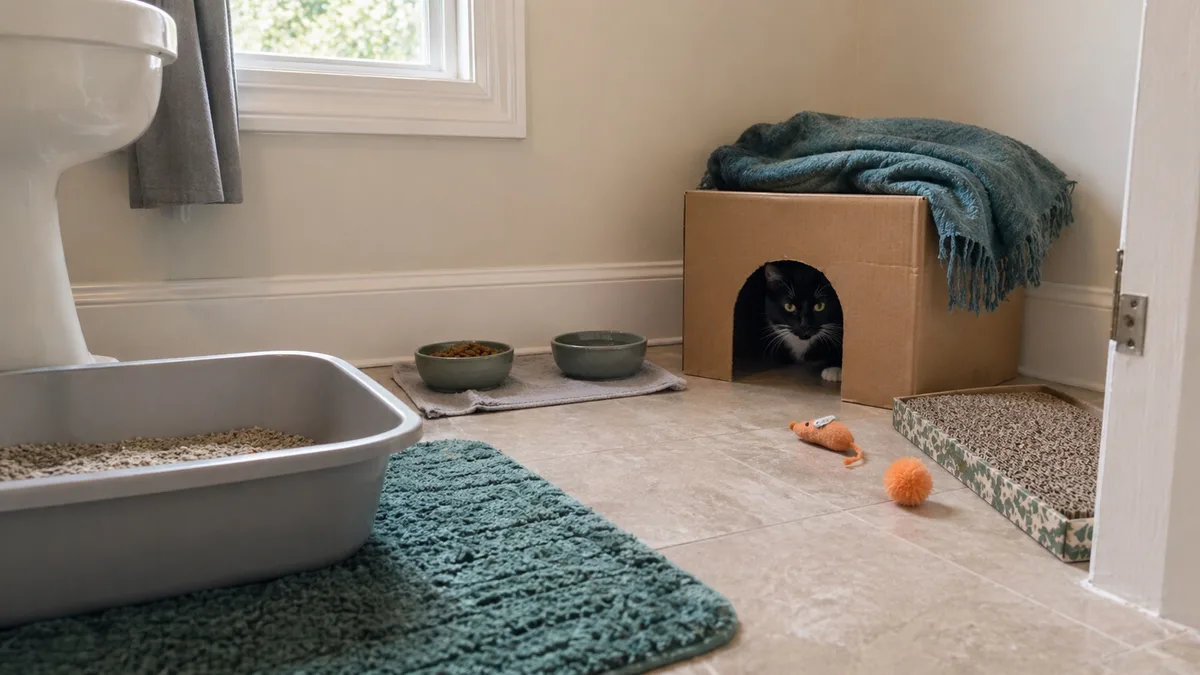
Behavioral modifications play a crucial role in managing cat anxiety. Creating a safe environment is essential. Provide hiding spots and quiet areas for your cat. Regular playtime can also help. It releases pent-up energy and reduces stress. Consistency in routines offers comfort and predictability. These changes can make a significant difference.
Credit: www.humaneworld.org
Monitoring And Adjusting Treatment
Monitoring and adjusting treatment for cats on anti-anxiety medication is crucial. Cats, like humans, have unique responses to medications. To ensure your feline friend receives the best care, observe their behavior closely. Adjust the dosage when necessary. This process helps maintain their well-being and happiness.
Observing Cat Behavior
Watch for changes in your cat’s behavior. Are they more relaxed? Or still showing signs of anxiety? Look for subtle changes in their routine. Increased hiding or aggression could signal issues. Keep a diary of their daily activities. Record any unusual behavior.
Share these observations with your vet. This information helps adjust the treatment plan. Regular communication with your vet is essential. It ensures your cat’s medication is effective. Their behavior will guide any necessary adjustments.
Adjusting Medication Dosage
Sometimes, a cat’s medication dosage needs tweaking. Each cat metabolizes medication differently. This means dosages may vary between cats. Your vet may suggest a higher or lower dose. Always follow their advice. Never adjust the dosage without consulting your vet.
Regular vet check-ups help monitor your cat’s progress. Blood tests might be necessary to check medication levels. This ensures your cat receives the right dosage. A balanced dosage maintains their calmness and reduces anxiety.
Adjusting dosage is part of finding the right treatment. Be patient and observant. Your cat’s health and happiness depend on it.
Frequently Asked Questions
What Is The Best Medicine For Cats With Anxiety?
The best medicine for cats with anxiety often includes prescription options like fluoxetine or clomipramine. Consult your vet for personalized treatment. Natural remedies such as pheromone diffusers or calming supplements may also help. Always discuss with a veterinarian before starting any medication.
Is Trazodone Or Gabapentin Better For Cats?
Choosing between trazodone and gabapentin for cats depends on the specific condition. Trazodone often helps with anxiety. Gabapentin is frequently used for pain and seizures. Consult your veterinarian for the best option tailored to your cat’s needs. Always follow professional advice for your pet’s health.
Should I Put My Cat On Anxiety Medication?
Consult your veterinarian before giving anxiety medication to your cat. They assess your cat’s needs and suggest appropriate treatment. Medication is one option among several. Consider behavioral changes and environmental adjustments first. Always prioritize your cat’s well-being and safety.
What Is The New Calming Medication For Cats?
The new calming medication for cats is called Zylkene. It contains alpha-casozepine, derived from milk protein. Zylkene helps reduce anxiety and stress in cats, promoting relaxation. It’s easy to administer and effective for travel, vet visits, or environmental changes. Always consult your veterinarian before starting any new medication.
Conclusion
Choosing the right anti-anxiety medication for cats can be challenging. Cats react differently, so consult your vet first. They know your cat’s history and needs. Medications like Prozac and Buspirone often help. Natural options, like pheromone diffusers, can also work.
Always monitor your cat’s response. Adjust treatments as needed for best results. Patience and observation are key. Your furry friend depends on you for comfort. Keep them calm and happy. Your care makes a big difference.

Similar Posts