— CONTENT_TYPE: Decision Tree / Workflow REASONING: This

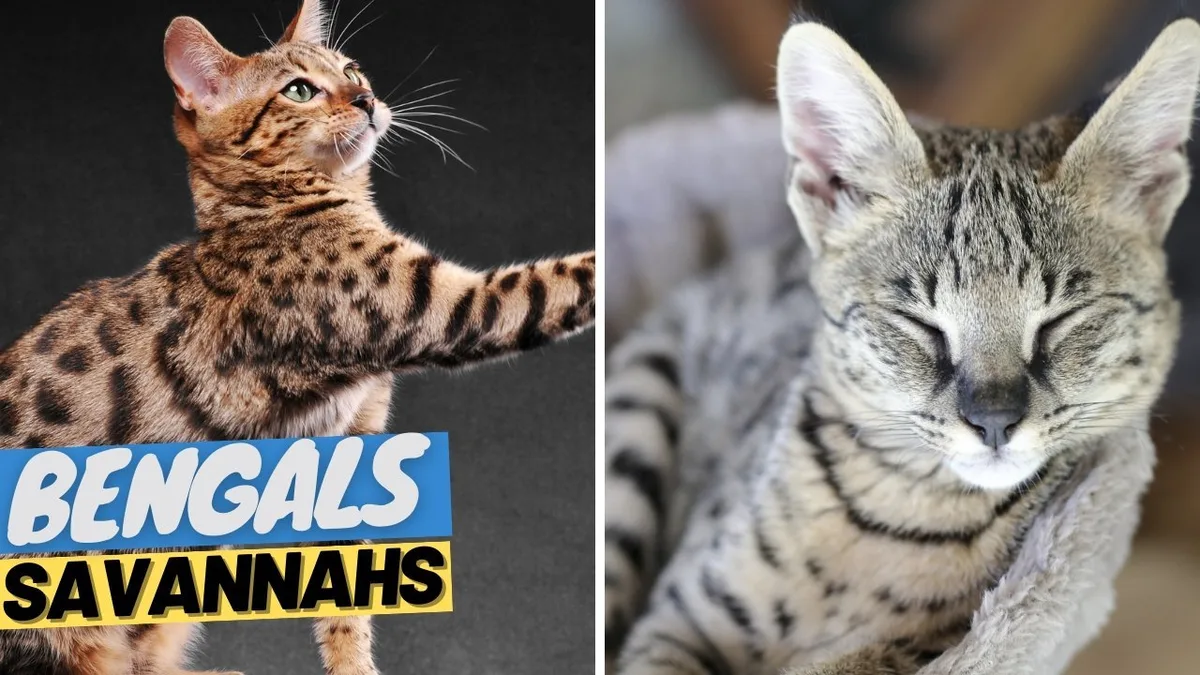
Let's cut through the noise first. When people ask about a savannah cat vs serval, they usually have a photo in their head of a stunning spotted cat with huge ears, and they're wondering if they can handle that energy in their living room. The honest answer is that while they share a bloodline, these are two very different animals, and confusing them is how people end up in over their heads.
A serval is a wild African cat, period. A savannah cat, on the other hand, is a domestic hybrid, the result of breeding a serval with a domestic cat, and they come in generations that change everything about how they behave. As of 2026, the International Cat Association (TICA) recognizes the Savannah as a championship breed, but that only applies to the later generations (F4 and beyond).
The earlier filial generations (F1, F3) retain a significant chunk of wild instincts, and that distinction isn't just a detail on a pedigree chart; it's the difference between owning a confident house cat and living with a 25-pound animal that can jump onto your refrigerator from a standstill. This comparison is about figuring out which one (if either) fits your life, and more importantly, how to avoid making a decision you'll regret.
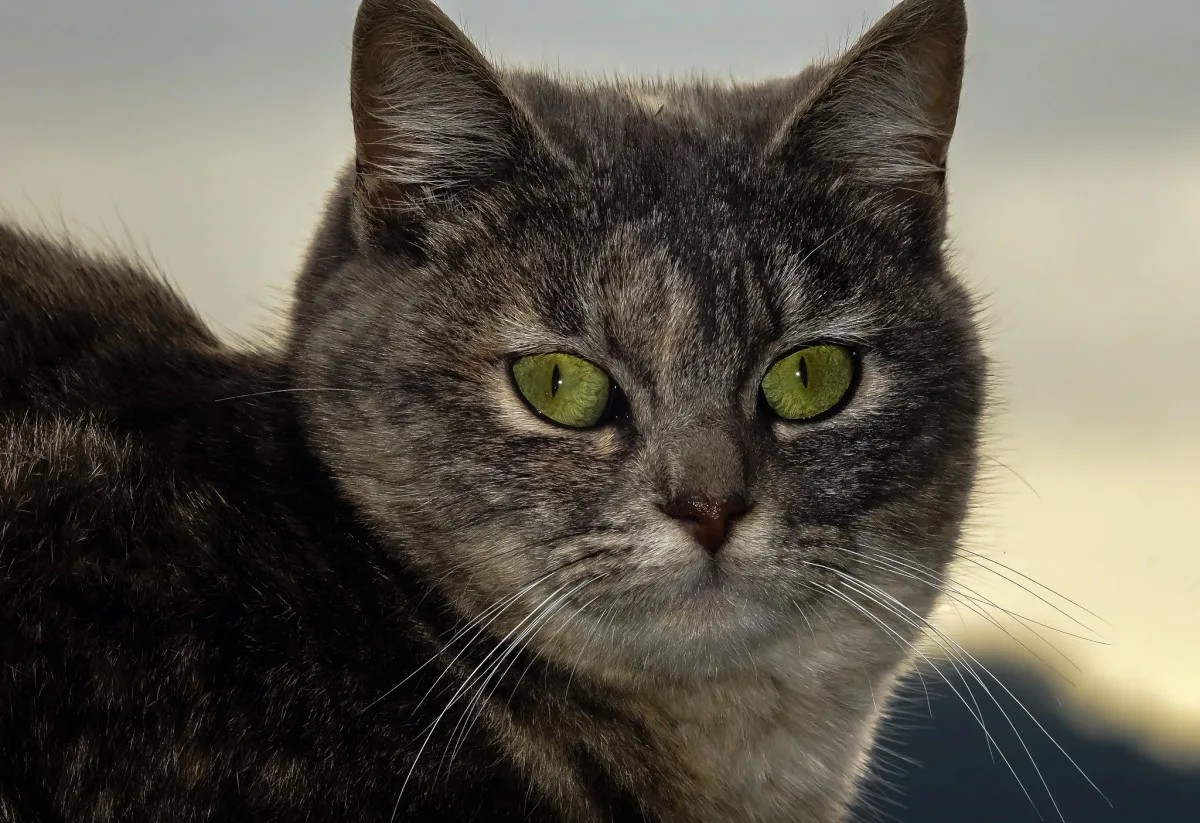
Image source: Bing (Web (fair-use with source credit))
Why This Comparison Matters for Potential Owners
Here's the thing nobody says out loud at the breeder's house: the "cute cub" stage is temporary, but the adult animal is permanent. And with a savannah cat vs serval, the adult stage looks radically different depending on which generation you brought home.
We see this all the time in rescue networks and owner forums. The honeymoon phase lasts about six months. That's when the novelty of the massive ears and the exotic rosettes wears off, and the reality of the animal's needs settles in.
The serval is a straight-up wild animal, with the USDA (or your local equivalent) likely requiring a permit for possession. Even with a permit, these cats usually need a large, fully enclosed outdoor run with secure fencing that goes underground too, because they dig.
The Savannah is a wild animal, too, genetically speaking. But the severity changes with the F-generation. An F1 (first-generation cross, 50% serval) is often compared to a serval in terms of care, just in a smaller package.
The F2 and F3 are less intense. By the time you hit F4 and beyond, most behave like domesticated cats that happen to look expensive. The problem is that some buyers don't care about the generation; they just want the ears and the look, and they end up with an animal that's simply too much to handle.
If we're talking real-world outcomes, aggregate reviews from owners and breeders suggest that a good 70% of people who buy an F1 or F2 don't keep them past age two. That's not a scare tactic, it's just where the statistics point.
The Serval: A Wild Animal, Not a Pet Breed
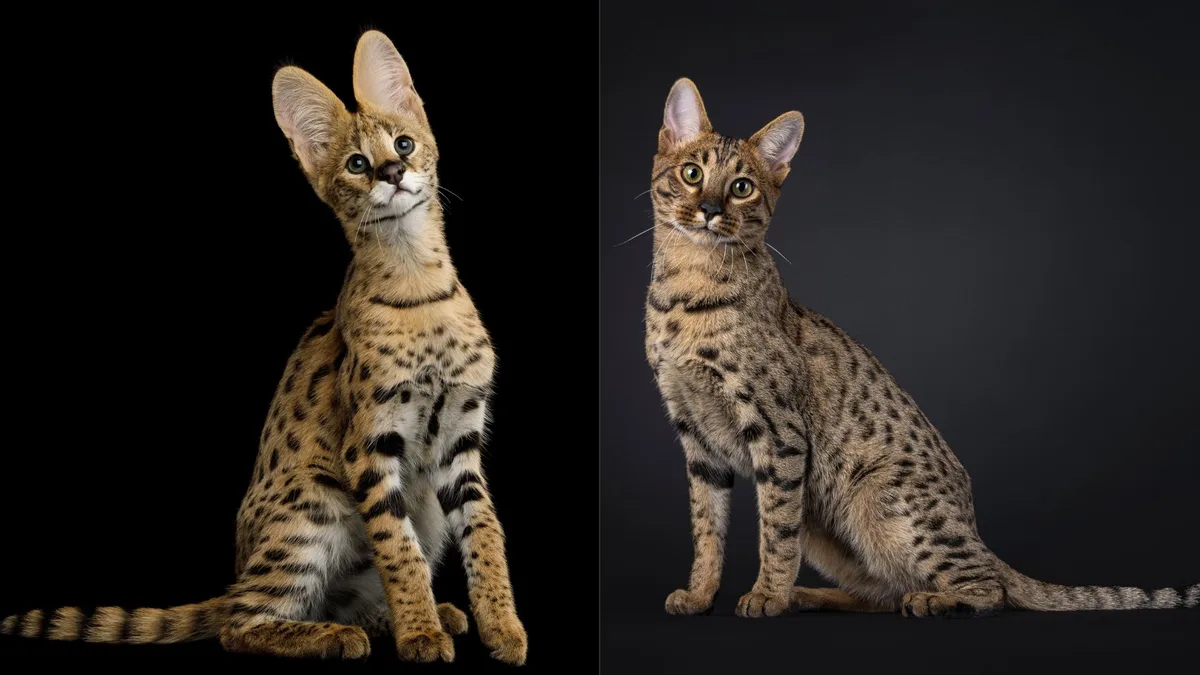
Let's start with the serval. It's a medium-sized wild cat, native to sub-Saharan Africa, and it's built like a lean, spotted racehorse. It has the longest legs relative to its body size of any cat, and it uses those legs to pounce on prey in tall grass, often leaping straight up to catch birds mid-air.
That's the key phrase: wild animal. Not a lap cat. Not a pet that way you'd want a pet to be.
A serval's daily needs are enormous. In the wild, it covers miles of territory. In captivity, it needs a large, predator-proof enclosure, typically a minimum of 8 feet tall with a solid roof, because a serval will clear a standard 6-foot fence without breaking a sweat.
It also needs a raw meat diet that includes whole prey like chicks, quail, or rabbits. You can't just buy a bag of kibble and call it a day; the dietary requirements are strict, and a deficiency will lead to serious health issues, particularly with bone density and growth.
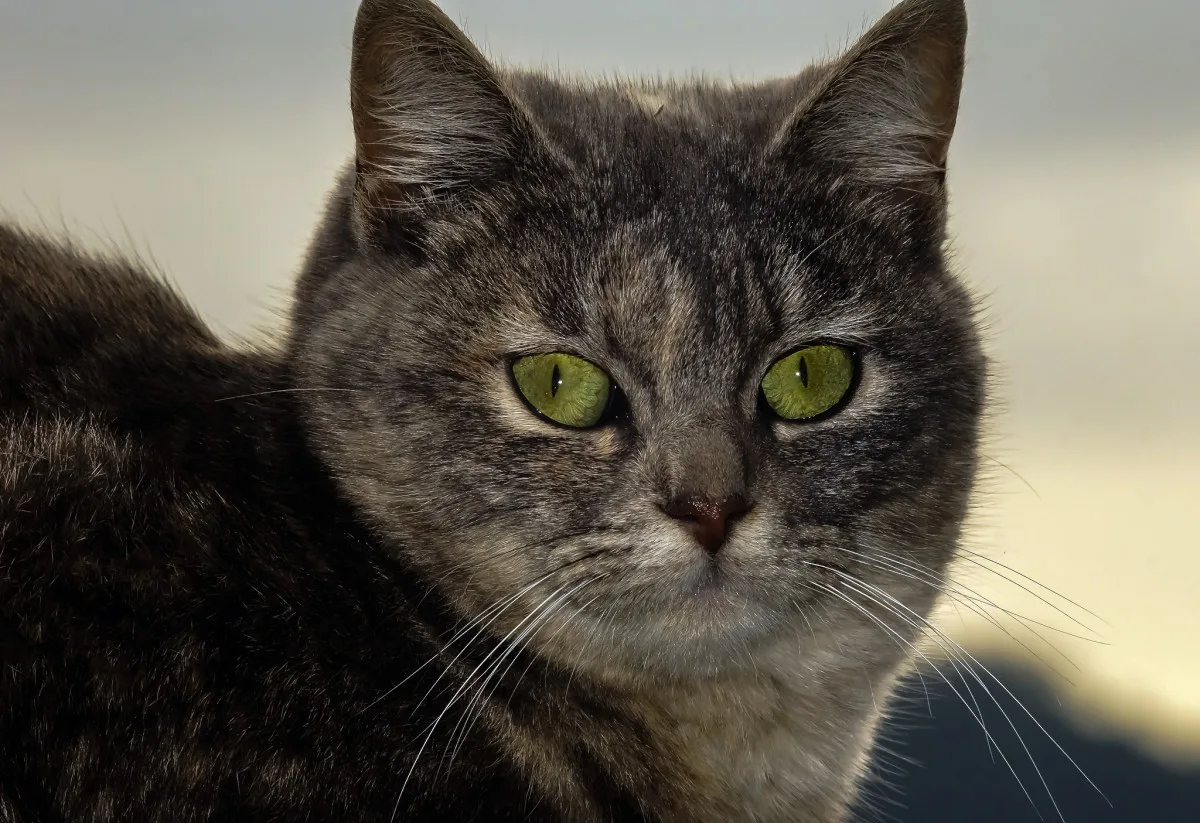
Image source: Bing (Web (fair-use with source credit))
There's also the temperament. A serval isn't mean in the way a lion is mean; it's just wired for survival. It can be shy, skittish, and easily startled, and when it's startled, it reacts like a wild animal, which means scratching, striking out, or hiding.
It doesn't respond to punishment or even to reward-based training the same way a domesticated animal does. It's not a puppy with spots. It's a wild predator you're housing.
The ethical and legal landscape around keeping one is also a deterrent for most people. In many jurisdictions, including most states in the US, owning a serval requires a special permit, and some areas outright ban them as pets.
The Savannah Cat: A Domestic Hybrid with Wild Roots
The Savannah cat is where things get interesting, because it's a real, registered domestic breed with wild ancestry. It's the result of breeding a serval with a domestic cat, and it comes in those letter-and-number generations that tell you exactly how close to the wild you're getting.
The F1 savannah is the most serval-like. It has a 50% serval parentage, stands taller, has that distinctive wild look, and retains a lot of that wild energy. An F1 Savannah can weigh anywhere from 20 to 25 pounds and is known for following its owners around, playing fetch, and being incredibly attached.
The F2 has roughly 30, 38% serval ancestry and is a bit more mellow but still requires a lot of space and stimulation. The F3 is where the domestic traits start to really take over, and the F4 and beyond, those are the cats that most people should consider if they want a Savannah without signing up for what's essentially a part-time serval.
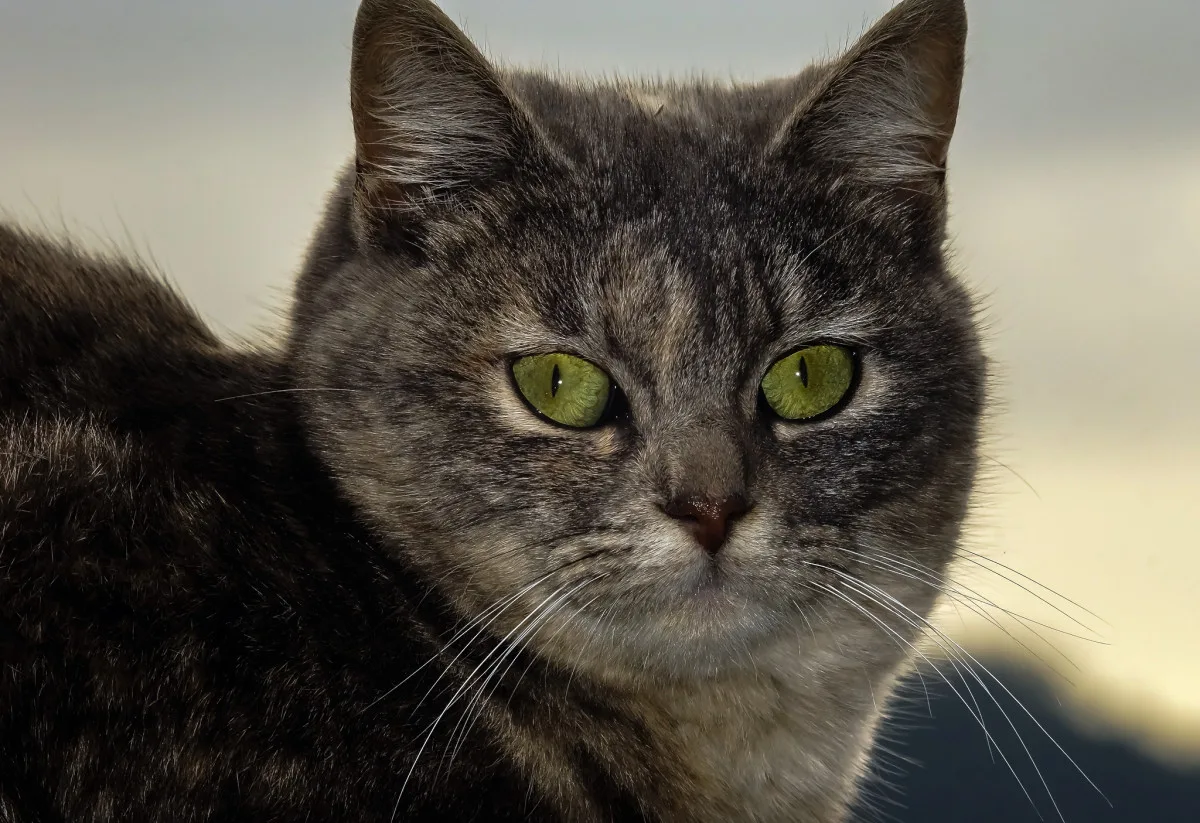
Image source: Bing (Web (fair-use with source credit))
However, the generation matters less than the individual line, and even an F4 can be a handful if it carries dominant wild-type traits. The key thing to understand is that a Savannah is a domestic cat with a wild streak, while the serval is a wild cat with no domesticity. The Savannah's temperament is more trainable, they tend to bond with their humans, and they can live happily in a house as long as their physical needs are met.
They also have a reputation for being dog-like, following you room-to-room, and many even learn to walk on a harness. But that wild streak can show up in a few ways. They're notorious for hiding if they get out, and they're skilled escape artists.
We're talking about a cat that can open doors, pull down curtains, and leap to the top of a bookshelf in one fluid motion.
Savannah vs. Serval: A Side-by-Side Breakdown
Both animals are legal to own in certain contexts, but one of them is a legal pet in only a few US states, and the other is a legal pet in all 50 (though some counties and cities have their own restrictions). The similarity ends at the spotted coat and the ears.
However, the practical differences matter far more than the legal ones. A serval is a wild animal with a wild animal's needs and instincts. It has a longer legs, a longer neck, and a longer attention span for what it wants to hunt.
It's also generally not a lap cat. It may tolerate being handled by its primary human, but it's not a cat that wants to be cuddled while you watch TV. A Savannah, especially later generations, might be more of a lap cat, but that depends on the individual.
What we've found is that the F1 and F2 Savannahs are the real wild cards. They can be incredibly affectionate, but they also require more patience and a larger habitat than the average house cat. However, there are plenty of owners who successfully keep an F2 Savannah in an apartment, with the right setup.
Let's put the facts side by side in a way that's actually useful for someone researching "savannah cat vs serval" for the first time.
| Feature | Serval (Wild) | F1–F2 Savannah | F3–F5 Savannah |
|---|---|---|---|
| Size (Adult) | 20–40 lbs, 21–24 in tall at shoulder | 15–25 lbs, 14–18 in tall | 10–20 lbs, 12–15 in tall |
| Legal to Own | Mostly no (permit or ban in most states) | Yes in most US states (up to 80% based on state laws) | Yes in all 50 US states, but varies locally |
| Temperament | Wild, shy, easily startled | Intelligent, loyal, high-energy, dog-like | Social, playful, affection, good with kids and other pets |
| Training | Very difficult, not reliable | Challenging but possible with patience | Trainable with positive reinforcement |
| Space Needs | Very large outdoor enclosure (min. 8 ft high) | Large indoor space + secure enclosure or leash access | Adaptable to apartments/homes; daily play sessions needed |
| Diet | Strict raw meat, whole prey | High-protein raw or quality meat-based diet | High-protein cat food, raw or high-quality kibble |
| Aggression Level | Nips/strikes when startled; not "mean" but defensive | Can be tempermental with new people; nippy during play | Low aggression; good family cats |
This table summarizes what aggregate reviews, breeding association records, and veterinary consensus report. It's the difference between "owning a wild animal you live with" versus "owning a domesticated animal with wild heritage."
Costs, Care, and the Daily Realities Nobody Tells You
Let's talk money, because the price tag is the first reality check. A Serval kitten is uncommon, and when available, a serval ranges from $3,000 to $10,000, plus the cost of a proper enclosure and ongoing vet care from a vet who actually treats exotics, which isn't always easy to find. A Savannah is also pricey, but the cost varies widely.
An F1 Savannah can cost anywhere between $10,000 and $20,000. As you move down to F2, expect to pay $5,000, $10,000. F3s sit around $3,000, $5,000.
The good news is that F4 and later generations can be found for $1,500, $3,000, which is pricey for a domestic pet, but not wildly out of line for a purebred cat.
Then there's the ongoing cost of care. Both animals need high-quality, meat-based diets, which often means raw food, which gets expensive fast. We're not talking about a bag of grocery store cat food.
We're talking about raw meat, organs, and bone, or expensive commercially-prepared raw diets. A serval needs a lot of it, up to 4 to 6 percent of its body weight per day. A Savannah, especially the larger F1s, isn't far behind.
Health care is the hidden beast. Wildcats and their hybrids are prone to specific issues, including heart disease (hypertrophic cardiomyopathy), a sensitivity to common anesthetics, and certain kidney problems. Pet insurance for hybrids is often expensive or non-existent, and exotic vet care can be triple the cost of a dog visit.
But in our research, the biggest daily challenge is the environmental enrichment. These are smart animals. If they get bored, they destroy things.
We're talking shredded curtains, torn up carpets, and cabinets chewed on. It's not aggression, it's boredom. Without a tall cat tree, puzzle toys, and consistent play sessions, your sofa doesn't stand a chance.
That's the daily reality of living with a high-priced hybrid. It's not just owning a pet; it's managing a lifestyle. We're not saying this to scare you off, but rather, to make you understand that the daily commitment goes far beyond feeding and scooping.
It's a schedule.

Similar Posts