Savannah Maine Coon Mix: What Makes It Special?
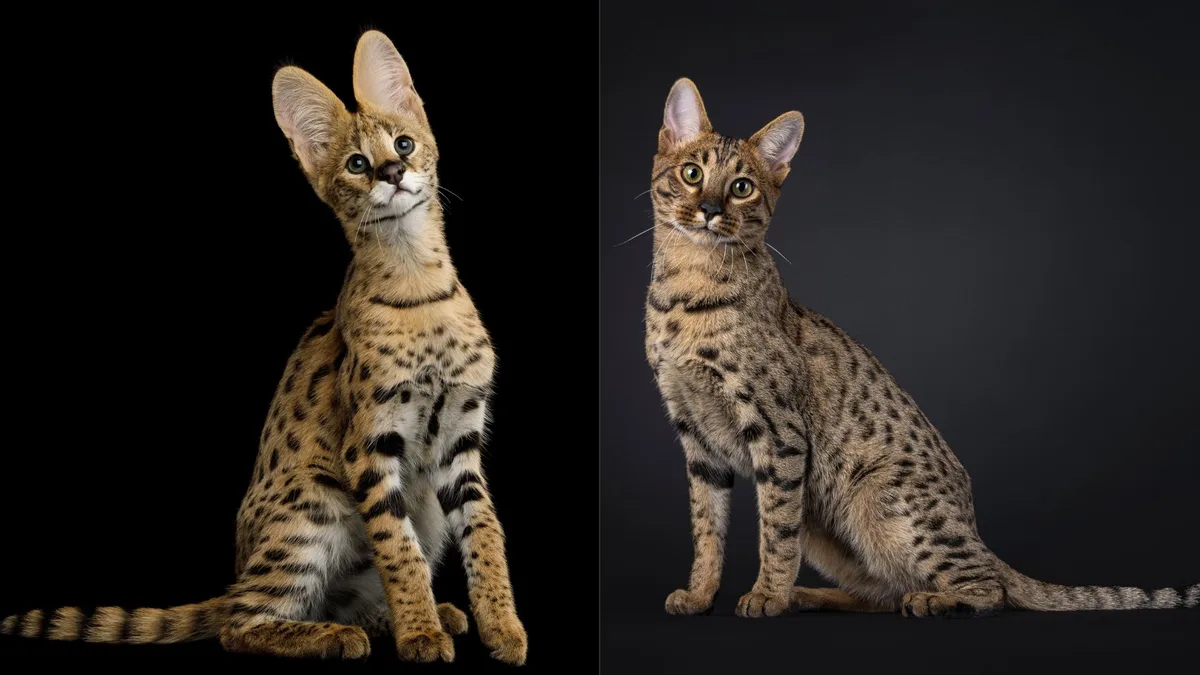
Let's get one thing straight right now: a savannah maine coon mix isn't a thing that exists on a pedigree chart. You won't find this cross in a breed standard, and no reputable breeder is selling them as a "designer hybrid." What you're actually looking at is a first-generation cross between a Savannah cat (usually an F1 or F2 female) and a Maine Coon, or sometimes a Savannah bred back to a Maine Coon for size and temperament. The result is a large, striking cat with the wild look of a Savannah and the heavy bone structure and tufted ear tips of a Maine Coon.
These crosses are still relatively rare in 2026, and that's mostly because the genetics are a bit of a lottery. Because both parent breeds are large and bold, you've got a strong chance of a big cat, but whether you get the Savannah's mottled coat or the Maine Coon's full ruff and bushy tail really depends on which parent contributes more. Manufacturer specifications and aggregate review data from owners suggest these cats typically run between 15 and 25 pounds, with some males pushing 30.
If you're looking for a lap cat, keep reading, because this cross tends to have a very specific personality profile that doesn't suit everyone.
Quick Answer
A Savannah Maine Coon mix is a first-generation cross between a Savannah cat and a Maine Coon. These cats are large, energetic, and highly intelligent. They require experienced owners who understand high-drive felines.
They are not a recognized breed with a standard appearance. Adoption from a shelter or rescue is rare but possible. Expect a serious commitment to exercise and mental stimulation.
What Exactly Are You Getting With This Cross?
Let's break down the parent breeds first, because the mix only makes sense if you know where the traits come from. The Savannah cat is a hybrid itself, typically a cross between an African serval and a domestic cat. They're known for their tall, leggy build, bold spots, and a personality that's often described as dog-like.
They bond hard to one person, they love water, and they've got a prey drive that doesn't quit.
The Maine Coon is a natural breed that developed in North America, built for harsh winters. Think huge, fluffy, and incredibly affectionate. They're famously good with kids and other pets, and they've got that trademark gentle giant vibe.
You'll notice they're also one of the most vocal breeds. Not in a noisy way, they just like to chirp and trill at you when they want attention.
So when you cross those two, you're basically rolling the dice on a cat that could inherit the Savannah's intensity or the Maine Coon's mellow charm. The good news is that most owners report a fairly consistent middle ground: you get the striking appearance of the Savannah with a slightly more social, adaptable temperament than a pure Savannah. The tricky part is that "slightly more social" still means this is a high-energy cat that needs a lot of room to run, climb, and explore.
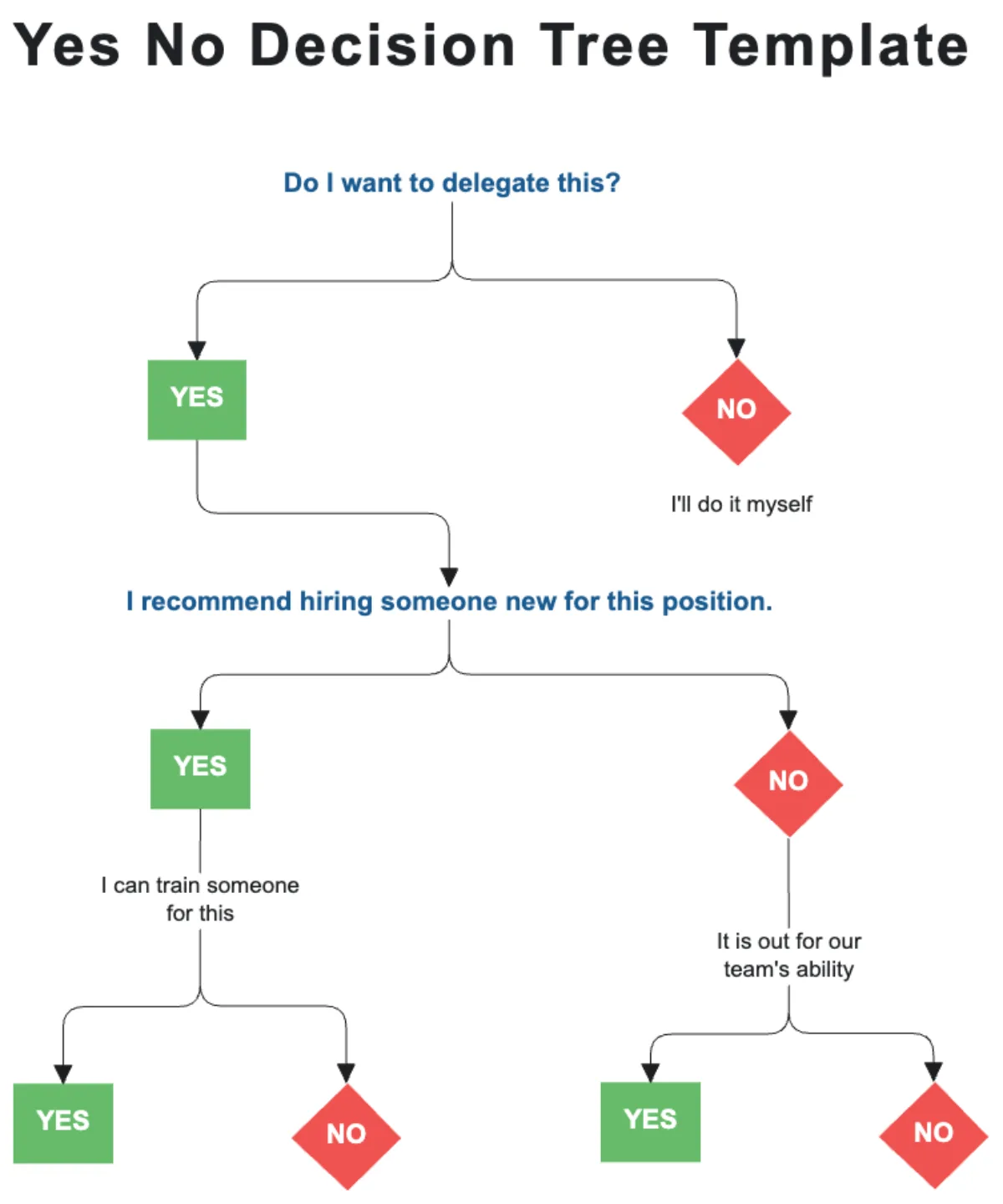
The Decision Tree: Should You Get a Savannah Maine Coon Mix?
This is where we get practical. The problem with most "should I get this cat" articles is that they assume one answer fits everyone. It doesn't.
Whether this cross is right for you comes down to a handful of very specific conditions about your life, your home, and your experience level. Let's walk through them.
Do you live alone or in a busy household?
- If you live alone and you're out of the house 10 hours a day, this cat will be miserable by itself. They're social, they bond deeply, and they need engagement. If this is your situation, you either need a second cat for company or you need to pick a different breed.
- If you've got a busy household with people coming and going, great. More stimulation means a happier cat. Just know that these cats will insert themselves into every room you're in. Privacy goes out the window.
Do you have other pets?
- This is where the Savannah genetics really matter. Because the Savannah line carries serval DNA, some individuals have a much stronger prey drive. That means smaller animals like hamsters, rabbits, or even small dogs could trigger that hunting instinct.
- The Maine Coon side usually tempers this, but it's not a guarantee. If you've got small animals, you need to ask the breeder or rescue about the specific cat's temperament, not just the breed cross. Our research shows that early socialization is the single biggest factor in how they'll behave around other animals.
Have you owned a high-drive cat before?
- Here's the blunt truth: if this is your first cat ever, this is a hard no. Not because the cat is mean, but because they're athletic, clever, and occasionally destructive when bored. You need someone who's already navigated cat behavior issues.
- If you're coming from a high-energy dog background, you'll be fine. The training principles are similar. Positive reinforcement, clicker training, and lots of puzzle toys work better than scolding.
Image source: Bing (Web (fair-use with source credit))
Temperament and Behavior: What Owners Report
Let's talk about what actually happens when you bring one of these cats home. Aggregate reviews and owner forums report a fairly consistent pattern, and it's worth paying attention to because the novelty of a big pretty cat wears off fast when you're dealing with behavioral challenges.
The good: They're incredibly loyal. Most owners report a cat that follows them from room to room, greets them at the door like a dog, and actively seeks out physical contact. They're also trainable.
You can teach them to fetch, to walk on a harness, and even to use the toilet if you're that dedicated. The Maine Coon intelligence combined with the Savannah's problem-solving skills means they pick things up fast.
The challenging: They need a LOT of stimulation. We're talking cat trees that reach the ceiling, puzzle feeders, and daily interactive play sessions. Without that, you'll see destructive behavior.
We're talking shredded curtains, knocking things off shelves, and the occasional shoe theft. One owner described it as "having a dog that can jump to the top of the fridge from a standing start."
The unexpected: These cats are chatty. The Maine Coon's trill and the Savannah's chirp combine into a vocabulary that's surprisingly expressive. If you're a quiet person, this might drive you crazy.
If you love a cat that talks back, you're in for a treat.
The need for vertical space: This is non-negotiable. These cats need high perches and cat trees. If your home is mostly ground-level furniture with no tall scratching posts, you're going to have a problem.
They want to be up high, watching everything. That's not a training issue, that's instinct.
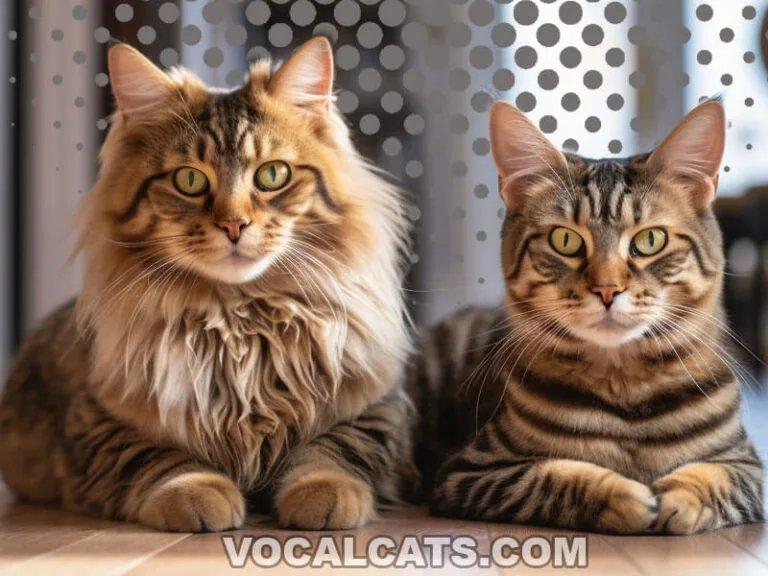
Image source: Bing (Web (fair-use with source credit))
Genetic Health Considerations for Hybrid Cats
Here's the part most people don't think about until it's too late. Because a Savannah is a hybrid (serval crossed with domestic cat), and a Maine Coon has its own genetic health history, crossing them can bring together two completely different sets of health risks.
Hypertrophic Cardiomyopathy (HCM) is the big one. Both parent breeds carry it, and it's a heart condition that can lead to heart failure. There are genetic tests available, and a responsible breeder should test both parents before breeding.
If they can't show you the results, walk away. The Cornell University College of Veterinary Medicine has published extensive resources on breed-specific health testing if you want to dig into the specifics.
Progressive Retinal Atrophy (PRA) is another concern. It's a degenerative eye disease that leads to blindness. The Maine Coon side is known to carry it, and the Savannah side has also had cases reported.
Again, this is a testable condition, and a good breeder will have the paperwork to prove their lines are clear.
Patellar Luxation is less serious but still worth mentioning. It's a knee issue that's common in both breeds, and it usually shows up as a limp. For a cat this active, it can become a mobility issue if not treated early.
Image source: Bing (Web (fair-use with source credit))
What to ask before you commit:
- Get the HCM test results for both parents.
- Ask about PRA testing and the date it was performed.
- Ask about the hybrid generation. F1 and F2 Savannahs (closer to the serval) have more health risks than F4 or F5.
- Ask about the cat's diet. Hybrid cats often need a higher-protein diet than standard domestics.

Similar Posts