Can Cats Cause Dermatitis? Uncover the Surprising Truth
Have you ever noticed a sudden itch or rash after spending time with your feline friend? If so, you might be wondering, “Can cats cause dermatitis?”
You’re not alone. Many cat owners experience mysterious skin irritations and wonder if their beloved pets could be the cause. This article will uncover the truth behind cat-induced dermatitis, helping you understand why it happens and how to manage it.
Dive in to discover essential insights that could transform your relationship with your cat and your skin health. Uncover the secrets to maintaining a harmonious life with your furry companion without compromising your well-being. Your comfort and happiness are just a few scrolls away!
What Is Dermatitis?
Dermatitis is a skin condition that can affect anyone, including your beloved pets. As a cat owner, you might be surprised to learn that your feline friend could be a source of this itchy problem. Understanding what dermatitis is can help you manage and prevent it. It can turn your cozy home into an uncomfortable space if not addressed.
Dermatitis refers to inflammation of the skin. It’s a broad term that can encompass various types of skin issues. You might notice redness, swelling, or an annoying itch. Sometimes, dry patches or blisters can form. The skin’s natural barrier is disrupted, making it more sensitive to irritants.
Imagine waking up with an itch that just won’t go away. That’s what dermatitis feels like. It can be caused by allergens, irritants, or even stress. Your daily routine can be disrupted if the symptoms worsen. Have you ever wondered how something so common can be so bothersome?
If you’ve ever had a rash after trying a new soap, you’ve experienced dermatitis. It’s a skin reaction that’s often temporary, but can linger without proper care. Taking simple steps can prevent it from becoming a chronic issue.
Types Of Dermatitis
Dermatitis comes in several forms. Contact dermatitis is triggered by direct contact with an irritant or allergen. This could be anything from a plant to a chemical in your cleaning supplies. Have you ever had a rash after gardening or cleaning?
Atopic dermatitis, often associated with eczema, is more complex. It’s commonly seen in children but can affect adults too. It involves genetic, immune, and environmental factors. Do you have a family history of skin issues?
Then there’s seborrheic dermatitis, usually affecting oily areas like the scalp. You might recognize it as dandruff or redness in the skin folds. It’s more common than you think, especially during cold weather.
Symptoms To Watch For
Keep an eye out for itchy skin, redness, and dry patches. If you’re scratching more than usual, it might be a sign. Are you noticing any blisters or skin peeling?
Sometimes, dermatitis can cause swelling or tenderness. This can make wearing certain clothes uncomfortable. Have you had to change your wardrobe choices because of skin irritation?
Be aware of any skin changes after exposure to new products or environments. It’s important to identify triggers to manage symptoms. Do you notice any patterns in your skin reactions?
Managing And Preventing Dermatitis
Identify and eliminate triggers to reduce flare-ups. Keeping a diary of your skin’s reactions can be helpful. Have you tried noting what products or activities worsen your symptoms?
Moisturize regularly to keep your skin barrier intact. Choose products free from harsh chemicals. Have you found a favorite moisturizer that soothes your skin?
Consult a dermatologist for persistent issues. They can offer targeted treatments. Do you have access to professional advice for your skin health?
Understanding dermatitis is the first step in managing it effectively. By staying informed and proactive, you can enjoy a comfortable, itch-free life with your furry friend. Are you ready to take control of your skin health?
Credit: www.catster.com
Common Causes Of Dermatitis
Dermatitis in cats can be a perplexing issue for many pet owners. Understanding the common causes is key to addressing this problem effectively. You might wonder, what triggers dermatitis in our feline friends? From allergies to parasites, several factors can play a role. Let’s explore some of the most common causes and how they might affect your cat.
Allergies
Allergies are a prevalent cause of dermatitis in cats. These can stem from food, environmental factors, or even flea bites. You may notice your cat scratching persistently or developing patches of irritated skin. Have you ever switched your cat’s diet or noticed changes in the environment that might coincide with their symptoms?
Fleas And Parasites
Fleas and other parasites are notorious for causing skin issues in cats. A single flea bite can trigger a severe allergic reaction leading to dermatitis. Regular grooming and using preventive flea treatments can help keep these pesky parasites at bay. Have you checked your cat’s fur for any signs of fleas recently?
Contact With Irritants
Sometimes, dermatitis can occur if your cat comes into contact with certain irritants. These could be household cleaning products, specific types of plants, or even a new fabric. If your cat suddenly develops skin issues, consider any recent changes in their environment. What new items or products have you introduced into your home lately?
Infections
Bacterial and fungal infections can also lead to dermatitis. These infections might result from a minor wound or scratch that becomes infected. Prompt treatment is crucial to prevent the infection from spreading. Do you keep an eye out for any unusual wounds or signs of infection on your cat’s skin?
Understanding these common causes can help you take proactive steps in managing your cat’s skin health. Regular check-ups with your vet and keeping an eye on any changes in your cat’s behavior or environment can make a big difference. Your awareness and attention can be your cat’s best defense against dermatitis.
Allergic Reactions To Cats
Many people adore cats for their playful nature and companionship. Yet, these furry friends can trigger allergic reactions. Cat allergies are common and can lead to skin issues. Understanding these reactions can help manage symptoms effectively.
Cat Allergens Explained
Cat allergens primarily come from proteins in skin flakes, saliva, and urine. The most known allergen is Fel d 1, found in cat dander. Even clean cats produce these allergens. They spread through the air and settle on surfaces. Not all cats produce the same amount of allergens. Some breeds are less likely to cause allergies.
Symptoms Of Cat-induced Dermatitis
Cat-induced dermatitis often appears as itchy skin. Redness and swelling are common signs. Small blisters or rashes may develop. These symptoms can affect the face, neck, and arms. Scratching worsens the condition and leads to infection. It’s crucial to recognize these symptoms early. Quick treatment can reduce discomfort.
Understanding Cat Dander
Cats are beloved pets, but their dander can cause allergies. Cat dander consists of tiny skin flakes shed by felines. These microscopic particles can trigger allergic reactions. Understanding cat dander is key to managing skin health.
Impact On Skin Health
Cat dander can lead to skin irritation. Those with sensitive skin might experience itching or redness. Allergic reactions are common among people with dermatitis. Cat dander can make dermatitis symptoms worse. It’s important to know how dander affects skin health.
Ways To Reduce Exposure
Reducing exposure to cat dander can improve skin health. Regular cleaning helps remove dander from surfaces. Vacuum often to keep carpets and furniture free from dander. Using air purifiers can filter dander from the air. Keeping cats out of bedrooms can reduce contact with dander. Bathing cats occasionally might also help lower dander levels.
Preventing Cat-related Dermatitis
Preventing cat-related dermatitis can be a challenge, but with the right strategies, you can protect your skin and still enjoy the company of your feline friend. Whether you’re a cat owner or simply interact with cats, understanding how to minimize the risk of dermatitis is crucial. From cleaning methods to medications, there are practical steps you can take to keep your skin healthy.
Effective Cleaning Methods
Keeping your home clean is vital when you have a cat. Cat allergens can linger on surfaces long after your pet has left the room. Regular vacuuming can help reduce allergens on carpets and furniture. Make sure to use a vacuum with a HEPA filter for maximum efficiency.
Think about using allergen-reducing sprays. These sprays can neutralize allergens on fabrics and surfaces. Don’t forget to wash your cat’s bedding frequently. This simple step can significantly reduce the risk of dermatitis.
Allergy Medications And Treatments
If cleaning doesn’t fully alleviate your symptoms, consider allergy medications. Antihistamines can be effective in managing skin reactions related to cat allergies. Consult your doctor about the best options for you.
Topical treatments can also offer relief. Hydrocortisone creams may reduce inflammation and itchiness. Have you ever tried natural remedies like aloe vera? This plant has soothing properties that might help with minor skin irritations.
Are there other strategies you’ve found helpful in reducing cat-related dermatitis? Share your tips and experiences in the comments below. Your insights might be the solution someone else has been searching for.
Living With Cats And Skin Sensitivities
Cats can sometimes cause dermatitis in sensitive individuals. Their dander and saliva may trigger skin irritation. Regular cleaning and allergy testing can help manage symptoms effectively.
Living with a cat can be a source of joy and companionship. But what if you find yourself itching and scratching more than you should? Some people develop skin sensitivities that can be triggered by the allergens cats carry. It’s not just about cat hair; proteins found in cat saliva and dander can cause dermatitis in sensitive individuals. How can you enjoy the company of your feline friend while keeping your skin healthy?Creating A Safe Environment
Start by keeping your living space clean and allergen-free. Regularly vacuum carpets and furniture to reduce the presence of dander. Consider using air purifiers to filter out airborne allergens. Designate cat-free zones in your home to create safe spaces for your skin. Bathing your cat can also help reduce allergens. Choose a gentle pet shampoo and consult your vet for the best bathing routine. Make sure your cat’s litter box is in a well-ventilated area to prevent the accumulation of allergens.Consulting With Healthcare Professionals
If you suspect your skin sensitivities are related to your cat, seek advice from a healthcare professional. Dermatologists can provide tests to determine specific allergies and suggest treatments. They might recommend topical creams or antihistamines to manage symptoms. Veterinarians can offer insights into managing your cat’s allergens. They might suggest specific diets or supplements to reduce dander production. Open communication with professionals can lead to a tailored plan that suits both you and your pet. Are you willing to make adjustments for the comfort of your skin? Balancing your love for cats with skin sensitivities is possible with proactive steps. Your relationship with your pet doesn’t have to suffer because of dermatitis.Myths And Facts About Cats And Dermatitis
Cats are often linked to causing dermatitis, yet most myths exaggerate the risks. Direct contact might trigger minor skin reactions, but petting cats usually doesn’t lead to serious conditions. Understanding facts helps in managing concerns while enjoying feline companionship.
Cats are beloved companions in many homes. Yet, some believe they cause skin problems. This belief spreads confusion about cat ownership. Understanding myths and facts helps clear up misconceptions. Dermatitis is a skin condition that causes itching and redness. Some people blame cats for this condition. But is this really true? Let’s explore the myths and facts.Debunking Common Misconceptions
Some say all cats carry dermatitis-causing germs. This is false. Not all cats cause skin issues. Some people may react to cat dander. This doesn’t mean cats cause dermatitis directly. Others believe only long-haired cats trigger dermatitis. Hair length does not determine allergen levels. Both short and long-haired cats can cause reactions. Some think bathing cats removes allergens completely. Bathing can reduce dander but not eliminate it. Frequent baths can dry a cat’s skin.Scientific Insights
Studies show cat allergens come from saliva and skin. When cats groom, saliva transfers to their fur. This can become airborne and cause reactions in sensitive people. Research indicates only some people develop dermatitis from cat exposure. This is due to individual immune system responses. Not everyone will have the same reaction. Scientists find that regular cleaning reduces allergens in the home. Vacuuming and air purifiers can help. These practices minimize contact with allergens. Understanding these insights helps manage and enjoy life with cats. Awareness is key to coexisting with these furry friends. `
Credit: www.joiipetcare.com

Credit: www.dutch.com
Frequently Asked Questions
What Does A Rash From A Cat Allergy Look Like?
A cat allergy rash appears as red, itchy bumps or hives on the skin. It often resembles mosquito bites. Affected areas may include the face, neck, or hands. Symptoms can vary in severity. If symptoms persist, consult a healthcare professional for proper diagnosis and treatment.
Can Cats Cause Contact Dermatitis In Humans?
Yes, cats can cause contact dermatitis in humans. Allergens in cat saliva, dander, or fur might trigger skin reactions. Washing hands after petting cats can help prevent this. Seek medical advice if symptoms persist.
What Skin Rash Can Humans Get From Cats?
Humans can get ringworm from cats, a fungal infection causing red, itchy, circular rashes on the skin. Cats may also carry fleas, leading to flea bites and allergic reactions. Maintaining hygiene and regular vet check-ups can help prevent these skin issues.
What Does Cat Dermatitis Look Like?
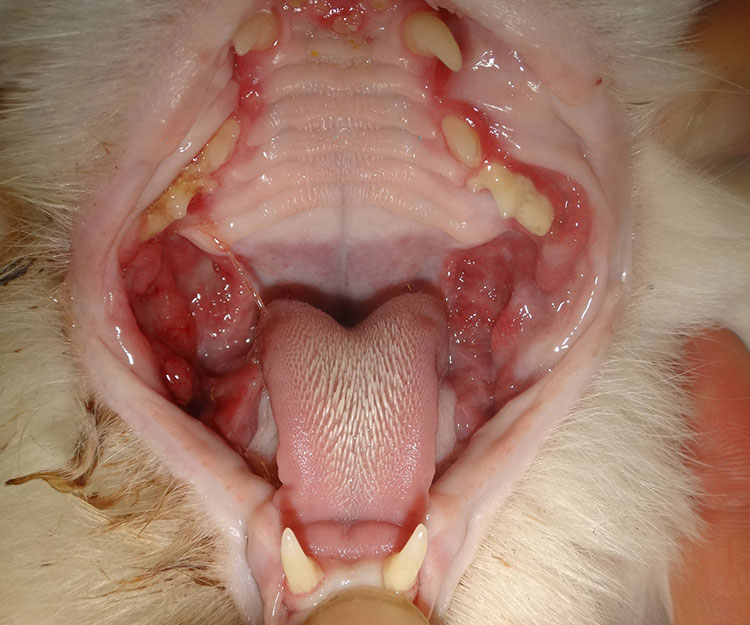
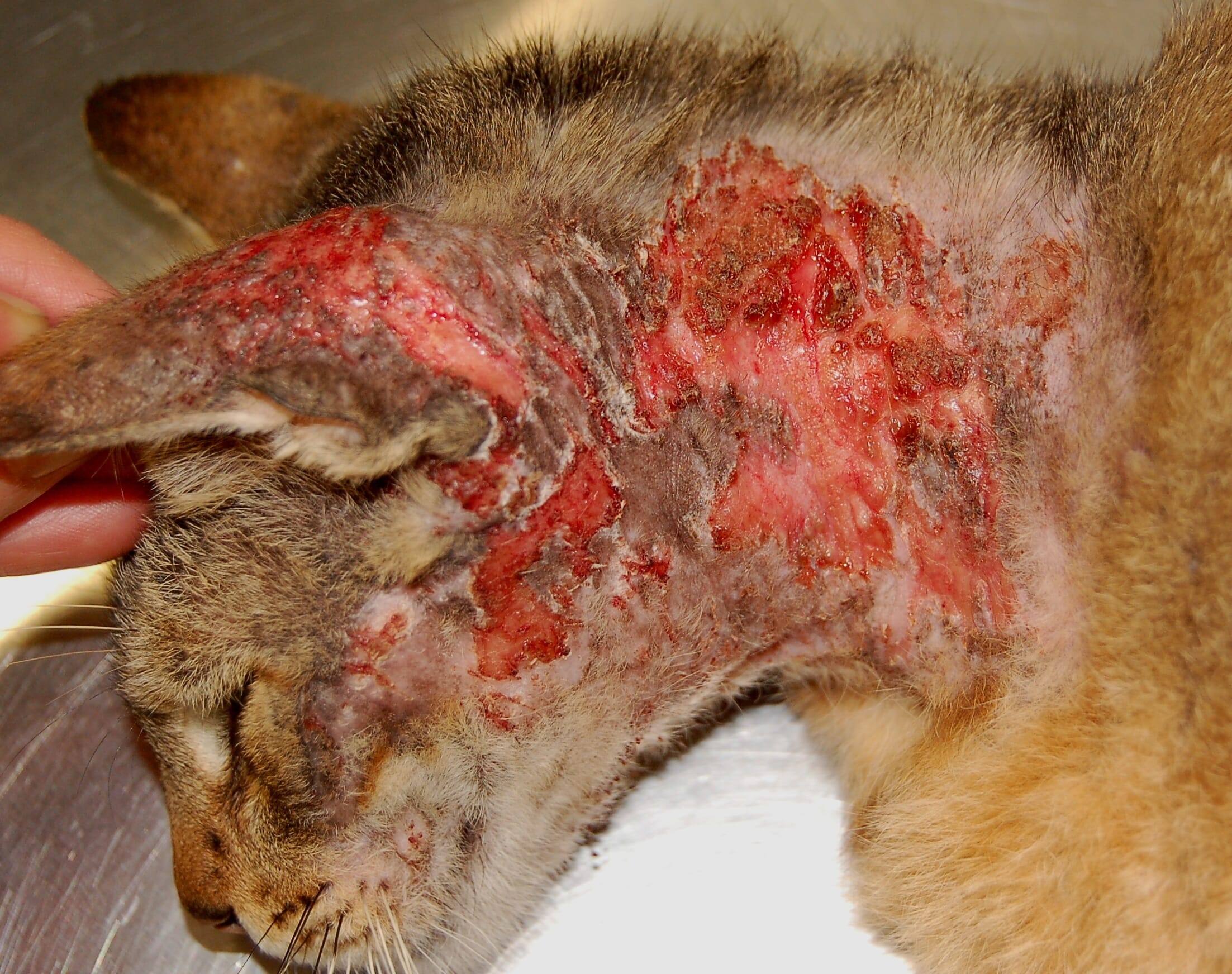
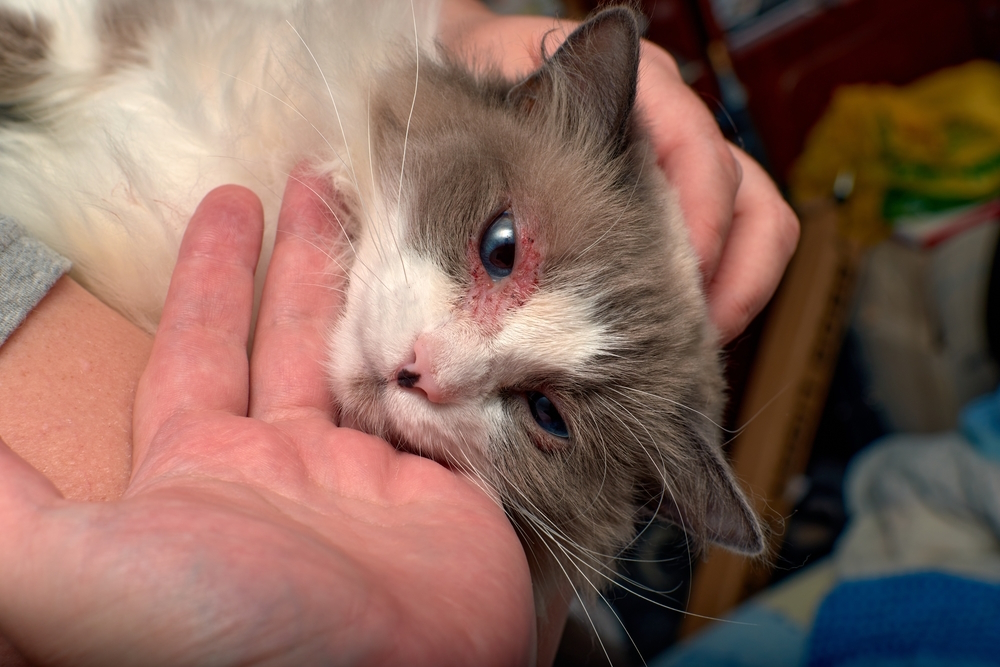
Cat dermatitis appears as red, inflamed skin with possible swelling, hair loss, and crusty patches. It may cause itching and irritation. Look for scabs, blisters, or sores on the cat’s skin, especially around the face, ears, and belly. Prompt treatment is essential to alleviate discomfort.
Conclusion
Cats can sometimes trigger dermatitis. It’s essential to know the signs. Watch for itching, redness, or skin changes. Consult a vet for proper guidance. Regular cleaning and grooming can help reduce risks. Consider hypoallergenic cats if allergies are severe. Your cat’s health and your well-being are important.
Balance love for your pet with personal care. Stay informed and proactive. This way, you can enjoy a healthy bond with your feline friend. Protect your skin while keeping your cat happy. Remember, understanding is key.

Similar Posts