What Causes Stress in Cats: Uncover Hidden Triggers

Have you ever noticed your cat acting differently, perhaps hiding more often or avoiding their favorite activities? It’s possible they’re experiencing stress.
Just like humans, cats can feel overwhelmed and anxious. Understanding what causes stress in your feline friend is essential for their well-being. You might be surprised at how many common factors can affect your cat’s mood. By recognizing these stressors, you can help create a more comforting environment for your pet.
Keep reading to uncover the secrets behind your cat’s stress and discover effective ways to soothe them, ensuring a happier and healthier life for your furry companion.

Credit: restorapet.com
Common Stress Indicators
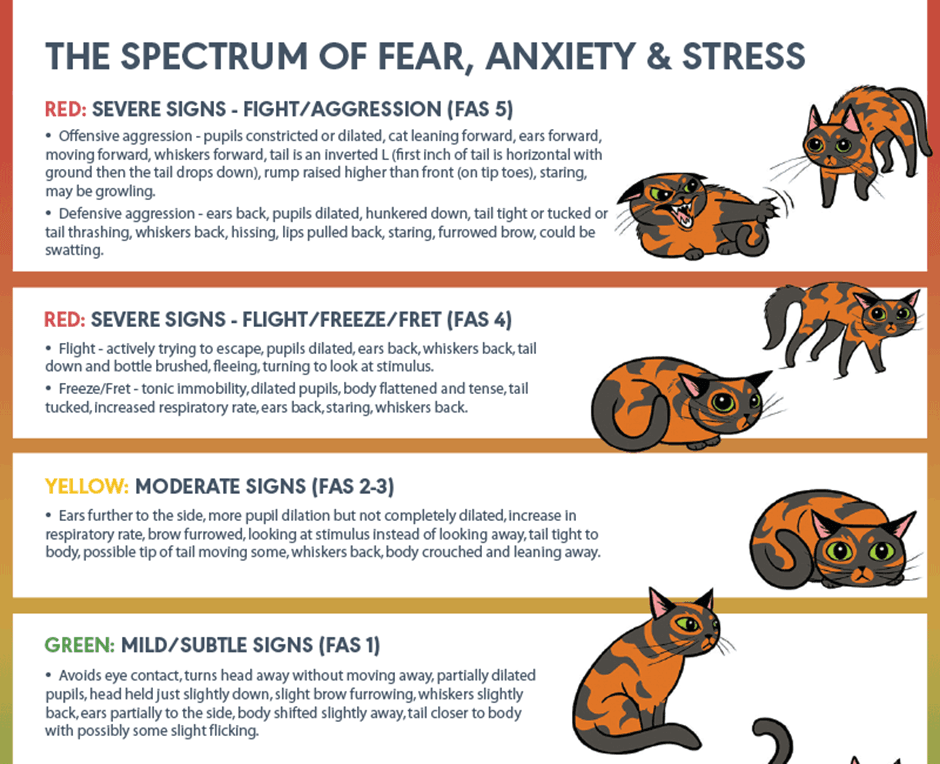
Stress in cats can manifest in various ways. Understanding common stress indicators helps in identifying and addressing their needs. Cats may show stress through behavioral changes, physical symptoms, and vocalization patterns.
Behavioral Changes
Cats often exhibit noticeable behavioral changes when stressed. Increased aggression or withdrawal might occur. A stressed cat may avoid social interactions. They could hide more frequently. Excessive grooming or scratching can be another sign. Changes in sleeping patterns are common. A stressed cat might sleep more or less.
Physical Symptoms
Physical symptoms in stressed cats are key indicators. Cats may experience changes in appetite. They might eat less or overeat. Vomiting or diarrhea can occur. Noticeable weight fluctuations might be present. Increased shedding is also a symptom. Cats may have dilated pupils during stress.
Vocalization Patterns
Vocalization changes are another stress indicator. Cats might meow excessively. Loud and frequent cries can signify distress. Some cats become quieter when stressed. They may purr less or stop completely. Growling or hissing may increase. Listen for unusual or new sounds.
Environmental Factors
Changes in routine, loud noises, or unfamiliar scents may cause stress in cats. They thrive in stable environments. Introducing new pets or people can also lead to anxiety.
Cats are incredibly sensitive creatures, and their environment plays a significant role in their overall well-being. Environmental factors can influence a cat’s stress levels, leading to behavioral changes and health issues. Understanding these factors can help you create a peaceful environment for your feline friend.Changes In Household
A new piece of furniture or a different layout in your living space might seem trivial to you but can be unsettling for your cat. Cats thrive on routine and predictability. A move to a new home or the arrival of a new family member can cause anxiety. Think about how your cat reacts when you bring a new pet home. Their territory suddenly feels different, and they may act out or hide more often. Keeping some familiar items like their favorite blanket or toys can help ease the transition.Loud Noises
Sudden loud noises can be alarming for cats and elevate their stress levels. Imagine how your cat reacts during thunderstorms or fireworks. These sounds can be terrifying and lead to a hiding spree under the bed. Consider creating a safe space for your cat during noisy events. A quiet room with soft music playing can help drown out the chaos outside. Your cat will appreciate a cozy corner where they feel secure.Overcrowding
Cats are territorial by nature and value their personal space. Living in a crowded environment with too many pets can lead to stress. They may feel threatened if they can’t find a quiet spot to call their own. If you have multiple cats, ensure each one has their own space, like separate feeding areas and litter boxes. Watch for signs of stress like frequent hissing or fighting. Providing vertical spaces like cat trees can also help each cat find their own territory. Do you notice any of these signs of stress in your cat? Identifying and addressing these environmental factors can significantly improve their quality of life. A calm and consistent environment is key to a happy and healthy cat.Social Interactions
Cats are social animals, but not all interactions are stress-free. Their social environment can greatly affect their well-being. Understanding these stressors can help improve your cat’s life. Let’s explore how social interactions can cause stress in cats.
New Pets
Introducing a new pet can unsettle your cat. Cats are territorial and may feel threatened by newcomers. They might hide or act aggressively. Gradual introductions can help reduce stress. Create separate spaces for each pet. This gives them time to adjust.
Lack Of Socialization
Cats need positive social experiences from a young age. Without these, they can become fearful. Socialization helps them feel secure and confident. Offer gentle interactions regularly. This builds trust and reduces anxiety.
Territorial Conflicts
Cats value their territory. Sharing space with others can lead to stress. They may mark territory or become aggressive. Provide enough resources like litter boxes and food bowls. This helps minimize conflicts and stress.

Credit: www.banfield.com
Routine Disruptions
Routine disruptions can be a significant source of stress for cats. Just like humans, cats thrive on predictability and routine. When their daily patterns are altered, they can become anxious and unsettled. Understanding the specific elements that contribute to stress can help you maintain a calm and happy environment for your feline friend.
Feeding Schedule Changes
Changes in feeding schedules can make your cat feel uneasy. If their meals are delayed or altered, they may become restless. Imagine waiting for dinner and it suddenly being served hours late. Your cat feels the same way. It’s not just about hunger; it’s about the anticipation of that regular meal time.
To minimize stress, keep feeding times consistent. If you need to change the schedule, do it gradually. This helps your cat adjust without feeling like their world has been turned upside down.
Altered Sleeping Patterns
Cats are creatures of habit, especially when it comes to sleep. If their sleeping patterns are disturbed, it can affect their mood and health. Moving furniture or changing your routine can lead to disrupted sleep for your cat.
Consider how you would feel if someone moved your bed every night. Your cat needs a stable environment to rest peacefully. Maintaining familiar sleeping spots and a consistent bedtime routine can help your cat feel secure and relaxed.
Travel And Relocation
Traveling or relocating can be particularly challenging for cats. New environments bring unfamiliar sounds and smells, which can be overwhelming. Have you ever felt disoriented in a new place? Your cat experiences the same kind of stress during travel or when you move home.
To ease this stress, create a familiar space for your cat. Bring along their favorite toys or blankets during travel. When relocating, set up their space with familiar items immediately. This helps them adjust to new surroundings more comfortably.
As you make changes to your routine, think about how they might impact your cat. Are there areas where you can provide more stability? Your efforts can make a big difference in reducing stress and ensuring your cat feels safe and loved.
Health Issues
Stress in cats can be triggered by a variety of health issues. Just like humans, cats experience discomfort and anxiety when their health is compromised. Understanding these health-related stressors can help you provide better care and comfort to your feline friend.
Chronic Pain
Imagine dealing with a nagging pain every day. Chronic pain can affect your cat’s mood and behavior significantly. Whether it’s arthritis or an untreated injury, persistent pain can lead to stress.
Observe your cat’s movements. Are they avoiding jumping onto their favorite spot? If so, they might be in pain. Consult your vet to address any signs of chronic pain. Pain relief can transform your cat’s life, turning stress into comfort.
Illness And Disease
Illness is a major stressor for cats. Even minor issues like a cold can make your cat feel uneasy. More serious diseases like kidney problems or diabetes can cause ongoing stress.
Regular vet check-ups are crucial. They can catch illnesses early, ensuring your cat receives the treatment they need. Have you noticed your cat being less playful or eating less? These could be signs of stress from illness.
Age-related Stress
Aging is inevitable and comes with its own set of challenges. Older cats may experience stress due to changes in their body and environment. Their senses might not be as sharp, leading to confusion or anxiety.
Consider creating a safe, comfortable space for your aging cat. Soft bedding and easy access to food and water can reduce stress. Have you thought about how you can make your home more accommodating for your senior cat?
As a cat owner, it’s important to recognize these health issues and take proactive steps. By addressing your cat’s health-related stressors, you can ensure they lead a happier, more comfortable life. What changes can you make today to support your cat’s well-being?
Credit: www.caerphillyvets.com
Sensory Overload
Cats may feel stressed due to sensory overload. Loud noises, crowded spaces, and sudden changes can overwhelm them. Keeping their environment calm helps reduce anxiety and improve their well-being.
Cats are sensitive creatures, and their senses can sometimes become overwhelmed by their environment. Sensory overload can lead to stress, which may manifest in various behavioral changes or health issues. Understanding the elements that contribute to this overload can help you create a more comfortable space for your feline friend.Strong Scents
Cats have a highly developed sense of smell, which they rely on to navigate their world. Strong scents, like those from cleaning products, perfumes, or even certain foods, can be overwhelming. Think about how you feel when a perfume is too strong—cats experience this tenfold. To help reduce stress, consider using unscented or lightly scented products around your home. If you notice your cat avoiding a particular area, it might be due to a smell they find overwhelming. What scents are present in your home that might be affecting your cat?Bright Lights
Cats are naturally nocturnal, so their eyes are adapted to see well in low light. Bright lights can be uncomfortable or even painful for them. If your home is brightly lit, your cat might be seeking refuge in darker areas. Consider using dimmable lights or providing spaces where your cat can escape the brightness. Observe your cat’s behavior: do they squint or avoid certain rooms? Adapting your lighting can make a significant difference in their comfort.Temperature Extremes
Temperature changes can be stressful for cats. They enjoy a consistent environment and can become uneasy when the temperature is too hot or too cold. If your home experiences temperature fluctuations, your cat might show signs of discomfort. Ensure your cat has access to warm spots in the winter and cooler areas in the summer. Have you noticed your cat seeking out particular places during different seasons? Providing temperature-controlled areas can help them feel more at ease. By paying attention to these sensory triggers, you can create a more harmonious environment for your cat. What small changes can you make today to ease your cat’s stress? Understanding their needs can lead to a happier, healthier pet.Dietary Concerns
Cats are sensitive creatures. Their diet plays a crucial role in their well-being. Stress in cats can often be linked to dietary issues. Understanding these concerns helps keep your feline friend calm.
Dietary problems can lead to stress in cats. Ensuring proper nutrition is vital. Let’s explore some common dietary concerns.
Food Allergies
Food allergies can cause stress in cats. Common allergens include beef, dairy, and fish. Symptoms might include itching, vomiting, or diarrhea. Identifying and eliminating allergens can reduce stress. A vet can help pinpoint the issue.
Nutritional Deficiencies
Nutritional deficiencies may stress your cat. Cats need specific nutrients like taurine and arachidonic acid. Lack of these can lead to health problems. Regular vet check-ups ensure your cat’s diet is balanced. A well-balanced diet supports a happy, stress-free cat.
Inconsistent Diets
Inconsistent diets can confuse and stress your cat. Cats thrive on routine, including meal times. Sudden changes in food can upset their system. Gradual transitions to new foods are best. Consistency in diet helps maintain their peace.
Preventive Measures
Loud noises, unfamiliar environments, and lack of routine often cause stress in cats. Regular playtime and a cozy space can help ease their anxiety. Providing a quiet, safe haven ensures they feel secure.
Stress in cats is not just a fleeting issue; it can lead to serious health and behavioral problems. Thankfully, there are preventive measures you can take to help your feline friend live a stress-free life. While you may not be able to eliminate every stressor, creating a supportive environment can make a big difference. Let’s dive into practical steps you can take to reduce stress for your cat. Creating Safe Spaces Cats love to feel secure. Imagine your cat as a tiny explorer who needs a safe base to retreat to. Creating safe spaces is all about providing cozy spots where your cat can feel protected. A corner with a soft blanket or a quiet room with a view can work wonders. Cats often find comfort in enclosed areas, like cardboard boxes or cat caves. Have you noticed your cat hiding during thunderstorms? That’s a sign they need a safe haven. Make it accessible, and let them know it’s okay to retreat. These spaces should be off-limits to other pets and loud noises, ensuring your cat can relax. Consistent Routines Cats thrive on routine. Imagine how unsettling it would be to have your daily schedule change unexpectedly. Consistent routines provide a sense of security for your cat. Set regular feeding times and stick to them. Ensure playtime happens at the same time each day. If you’ve ever changed your morning routine and noticed your cat acting out, you’ve seen firsthand how sensitive they can be to changes. Consistency in daily interactions can significantly reduce anxiety. Even a small deviation can unsettle them, so aim for predictability. Stress-Relief Toys Every cat needs a fun distraction. Stress-relief toys are more than just playthings; they’re tools for mental engagement. Toys like feather wands, puzzle feeders, or electronic mice can keep your cat occupied and reduce stress. They’re especially useful if your cat tends to get anxious when left alone. Have you tried using a laser pointer during your cat’s playtime? It’s a great way to keep them active and entertained. Choose toys that mimic hunting, which taps into your cat’s natural instincts. A well-chosen toy can be a great companion during lonely hours, keeping stress at bay. So, what steps will you take today to ensure your cat feels safe, secure, and stress-free? Remember, a little effort can lead to a happier, healthier feline friend.Frequently Asked Questions
How To Reduce Stress For Cats?
Create a calm environment with familiar scents and sounds. Provide a safe space for your cat. Engage in regular play sessions to distract and soothe. Use cat pheromone diffusers to promote relaxation. Maintain a consistent routine to reduce anxiety.
What Are Signs Of Stress In A Cat?
Cats show stress through hiding, excessive grooming, loss of appetite, aggression, and changes in litter box habits. They may also vocalize more and appear restless or withdrawn.
What Helps Anxiety In Cats Naturally?
Natural remedies for cat anxiety include pheromone diffusers, herbal supplements like valerian root, and regular playtime. Ensure a safe, quiet environment. Providing interactive toys and scratching posts can help. Consistent routines and gentle petting also ease stress. Consider calming music or white noise for relaxation.
Can A Cat Recover From Stress?
Yes, a cat can recover from stress with proper care. Ensure a calm environment and provide mental stimulation. Regular playtime and a balanced diet also help. Consulting a veterinarian for advice can be beneficial. Reducing stressors and ensuring comfort aids recovery.
Conclusion
Stress in cats can have many causes. Changes in their environment often trigger it. Other animals or loud noises might also stress them. Recognizing these stressors helps in managing them better. Providing a calm, safe space is crucial for their comfort.
Regular playtime and affection reduce anxiety. Keep their routine consistent. Also, observe their behavior for any signs of stress. Understanding your cat’s needs is key. A relaxed cat is a happy cat. With patience and care, you can help your feline friend feel at ease.

Similar Posts