When is Cats Mating Season: Unveiling Feline Secrets

Have you ever wondered when cats are most likely to mate? Understanding the timing of a cat’s mating season can be crucial for pet owners and animal lovers alike.
It’s the key to understanding your feline friend’s behavior and ensuring their wellbeing. Imagine knowing exactly when your cat might start displaying signs of being in heat or when stray cats become more active in your neighborhood. This knowledge can help you make informed decisions about breeding, spaying, or even adopting a new furry family member.
Dive into this article, and discover the secrets of a cat’s mating season that could transform your understanding of these mysterious creatures. You won’t want to miss the insights that could change the way you care for your cat.
:strip_icc()/will-heat-cycle-end-after-mating-554846-0287b41fab614446a08cf8eea4c6dbd6.jpg)
Credit: www.thesprucepets.com
Signs Of Mating Season
Understanding the signs of cat mating season can help you better care for your feline friends during this time. Mating season typically occurs as days grow longer in spring, and cats exhibit distinct behaviors. If you’re a cat owner, noticing these signs can prepare you for the changes your pet might undergo.
Behavioral Changes
During mating season, cats often display noticeable shifts in behavior. You might find your cat becoming more restless, pacing around the house or trying to escape outside. This increased activity is a clear indication that nature is calling.
Have you ever seen your cat suddenly acting more affectionate or rubbing against furniture more frequently? These actions are typical during this period. Cats are trying to signal their readiness to mate, displaying behaviors that might seem unusual at first glance.
Vocalizations
Cats tend to become more vocal during mating season. You may notice an increase in the frequency and volume of their meows, which can be startling if you’re not expecting it. This is a way for cats to communicate with potential mates, signaling their availability.
Have you been woken up by your cat’s loud meows at night? This is a common occurrence during mating season. These vocalizations can be persistent, echoing a cat’s desire to find a mate. It’s a fascinating yet sometimes challenging aspect of their natural behavior.
As you navigate through your cat’s mating season, consider how these signs affect your daily routine. Are there ways to manage these changes to ensure comfort for both you and your pet? Understanding these signals can create a harmonious environment during this unique time.
:strip_icc()/the-cat-mating-game-552391_v4-dabfffab635f4c0bad958505417544f3.png)
Credit: www.thesprucepets.com
Timing Of Mating Season
The timing of cat mating season can vary. Many factors influence it. Understanding these factors is crucial for cat owners. This knowledge helps manage cat behavior and health. It’s essential for breeding decisions too. Let’s explore the timing of this season.
Seasonal Patterns
Cat mating season often aligns with warmer months. Spring is a common time for mating. Cats are more active and social. Longer daylight hours trigger this behavior. Hormones play a significant role. More daylight means more hormone production. This leads to increased mating activities.
Geographical Variations
Geography affects the timing of cat mating season. In warmer climates, cats may breed year-round. Places with distinct seasons have specific mating times. Cats in colder regions breed mainly in spring and summer. Local environment influences these patterns. Understanding local breeding habits is helpful.
Biological Factors
Cats have unique biological factors that dictate their mating season. Understanding these factors helps in anticipating their breeding behaviors. Let’s delve into the critical aspects of a cat’s biology.
Hormonal Influences
Hormones play a vital role in a cat’s mating behavior. Female cats, or queens, experience hormonal changes that signal readiness to mate. These changes often occur due to increased daylight hours. Melatonin levels decrease, prompting the release of reproductive hormones. Male cats, or toms, also respond to these hormonal cues. They become more active and vocal.
Reproductive Cycle
The reproductive cycle of cats is polyestrous. This means they can go into heat multiple times a year. Typically, a queen enters estrus every two to three weeks during the season. Each cycle lasts for several days. Signs include increased affection, vocalizations, and restlessness. Understanding this cycle aids in managing and predicting mating times. It ensures a better environment for both pet owners and their feline companions.
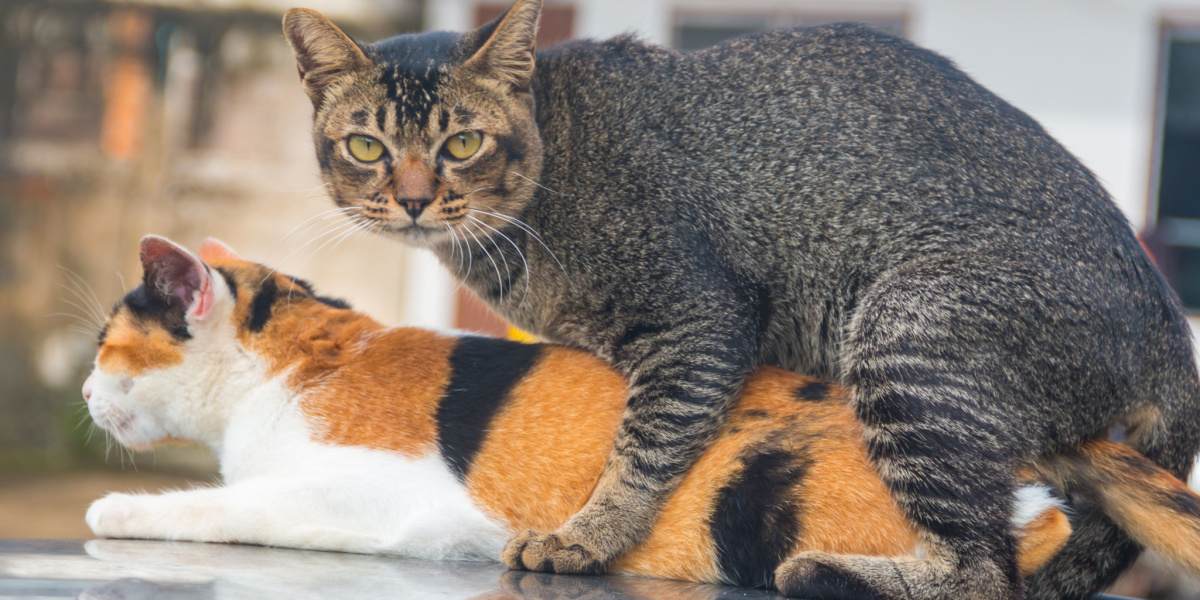
Credit: cats.com
Environmental Influences
Cats are fascinating creatures, and their mating habits intrigue many pet owners. Environmental factors significantly influence cats’ mating season. Understanding these influences can help pet owners manage their cats more effectively.
Temperature Effects
Warm temperatures encourage cats to mate. Cats prefer mild weather for mating. Cold seasons usually slow down their mating activities. In warmer months, cats are more active. They roam outside more often, seeking mates. This behavior increases the chance of mating.
Daylight Hours
Daylight plays a crucial role in cats’ mating season. Longer daylight hours signal breeding time. Cats respond to increased light by becoming more active. Shorter days tend to decrease mating activity. With more daylight, cats are more social. They engage more with other cats, which leads to mating.
Impact On Cat Behavior
Cats exhibit unique behaviors during mating season. Understanding these can help owners manage their pets more effectively. This period leads to noticeable changes in their behavior, often driven by instinct. These changes can be grouped into two main categories: territorial aggression and social interactions.
Territorial Aggression
Cats become more protective of their space. Male cats may roam wider areas to find mates. They often mark territory with scent or urine. This marking signals their presence to other cats. Aggressive encounters with other males can occur. Females might become defensive of their chosen areas. Scratching and clawing are common during this time.
Social Interactions
Social behavior shifts during mating season. Cats may seek more interaction with others. Males often display more vocalizations. These sounds attract mates and assert dominance. Female cats also become more vocal. They tend to show increased affection towards others. Nuzzling and rubbing are frequent displays. These behaviors strengthen social bonds among cats.
Managing Cats During Mating Season
Cats typically enter mating season in spring and fall. During this time, they may become more vocal and restless. Keep them comfortable and safe with a quiet space and plenty of toys.
Managing your cats during mating season can be a challenging yet rewarding experience. As spring approaches, cats become more active and curious, driven by their natural instincts. It is crucial to be prepared and informed to ensure the safety and well-being of your feline friends.Indoor Vs Outdoor Cats
Deciding whether your cat should be indoors or outdoors during mating season is crucial. Indoor cats are generally safer as they are less exposed to dangers like traffic and other animals. However, they might experience increased restlessness and vocalization. Outdoor cats, on the other hand, have more freedom to roam and express their instincts. But this also puts them at risk of fights, diseases, and unwanted pregnancies. You might need to weigh the pros and cons based on your cat’s personality and your living environment.Preventing Unwanted Litters
Preventing unwanted litters is a responsibility every cat owner should take seriously. Spaying or neutering your cat is the most effective method. Not only does it prevent pregnancies, but it also reduces aggressive behavior and health risks. If surgery is not an option, consider using indoor confinement or supervised outdoor time during peak mating months. Investing in a secure cat enclosure can also help manage their outdoor experiences. Are you prepared to handle a litter of kittens? Or would you prefer to prevent it altogether? Making the right choice can significantly impact both your life and your cat’s well-being.Health Considerations
Cats typically mate between early spring and late fall. It’s essential to monitor their health during this period. Stress and injuries can occur, so regular check-ups help maintain their wellbeing.
When the mating season for cats rolls around, it’s crucial to consider their health needs. This time can be stressful for both cats and their owners. Ensuring your feline friend is in peak health can make the process smoother.Nutritional Needs
During mating season, cats require extra energy. This means their diet might need a boost. You might notice your cat being more active or restless. Adding high-quality proteins to their meals can help. Look for cat food that lists meat as the first ingredient. This ensures they’re getting the nutrients they need. Also, consider consulting your vet about supplements. They can recommend specific vitamins or minerals that support reproductive health. Remember, a well-fed cat is a healthier cat.Veterinary Care
Regular vet check-ups are vital during this time. Your cat might not show obvious signs of illness, but subtle changes can occur. A vet can detect issues early and provide treatments if necessary. They might also suggest preventative measures to avoid complications. Have you thought about vaccinations? Keeping them up-to-date protects your cat from infections, especially when interacting with other cats. Lastly, if your cat seems unusually stressed or unwell, don’t hesitate to seek professional advice. Your vet is a valuable resource during mating season. By addressing these health considerations, you prepare your cat for a smoother, healthier mating season. How do you ensure your cat’s wellbeing during this time?Frequently Asked Questions
How Do I Know If My Cat Is In Mating Season?
Your cat shows increased affection, vocalizes more, and may exhibit restlessness. Males might spray urine to mark territory. Female cats may assume a mating position and display more frequent grooming.
Is Heat A Monthly Thing For Cats?
Cats experience heat cycles every two to three weeks during their breeding season. This period varies depending on the cat’s breed, age, and environment. Heat cycles continue until they mate or the breeding season ends. Regular vet check-ups help manage and understand your cat’s specific heat cycle needs.
How Long Is A Cat Mating Period?
A cat’s mating period typically lasts 4 to 7 days. During this time, female cats may exhibit increased vocalization and agitation. Males are drawn to the scent of a female in heat. The mating process involves multiple copulations over the duration of her receptive period.
What Happens To Cats During Mating Season?
Cats become more vocal and restless during mating season. Female cats enter heat, attracting males with scent. Males may fight over females, leading to territorial disputes. Hormonal changes cause increased roaming and marking behavior. Owners might notice frequent meowing or changes in behavior, indicating mating readiness.
Conclusion
Understanding cats’ mating season is important for pet owners. It helps in planning and preparing for potential litters. Cats typically mate in warmer months, often starting in spring. This knowledge can guide you in making informed decisions. Neutering or spaying your cat can prevent unwanted kittens.
Pay attention to your cat’s behavior for signs of mating season. This can include increased vocalization and restlessness. Being informed helps ensure your cat’s well-being. Always consult a vet for advice tailored to your cat. This ensures the best care for your furry friend.

Similar Posts