Why Does My Cat Make Funny Noises: Unravel the Mystery
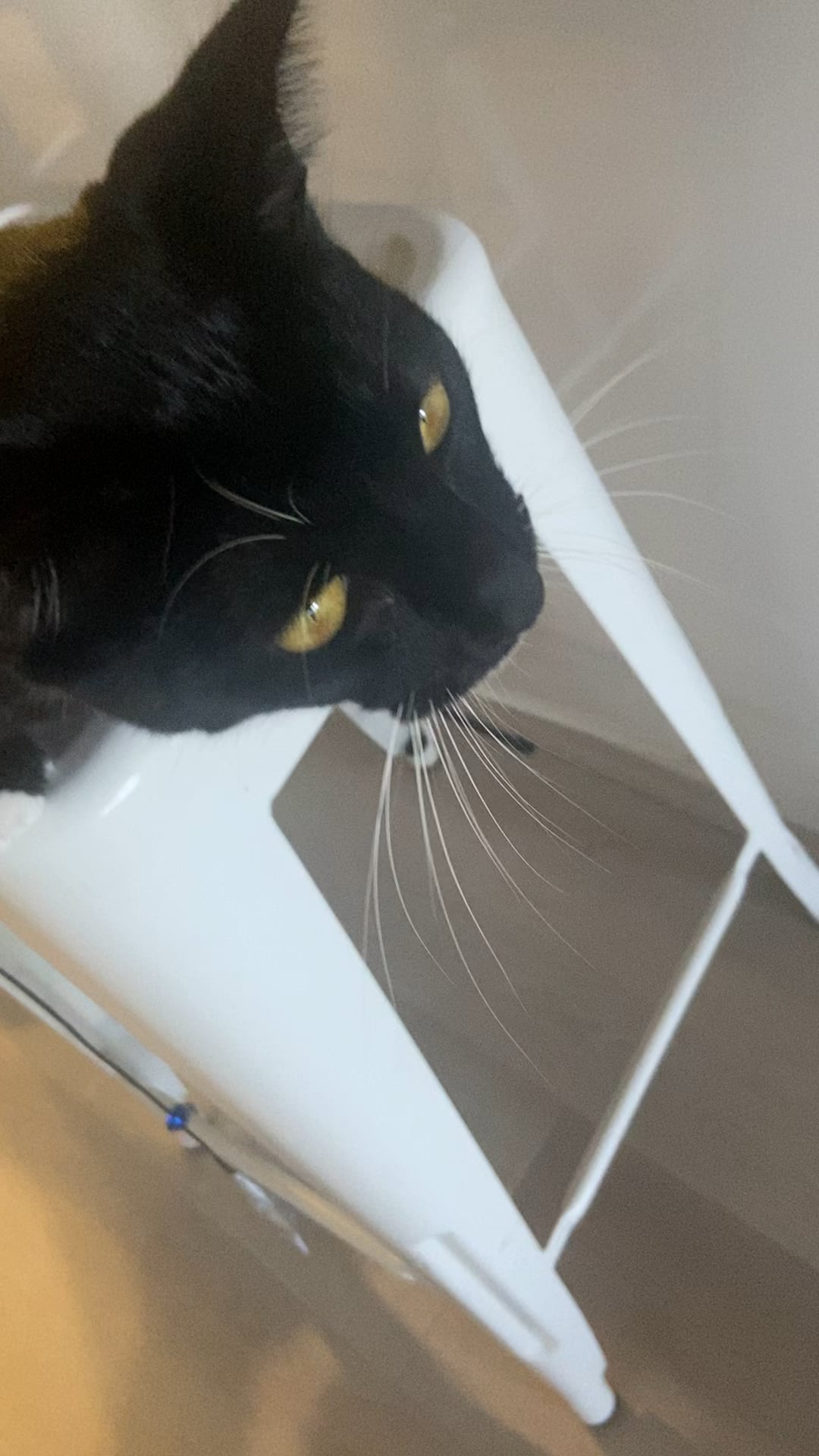
Have you ever found yourself puzzled by the quirky sounds your cat makes? Whether it’s a bizarre chirp, a sudden trill, or an unexpected growl, these curious noises can leave you wondering what’s really going on in your feline friend’s mind.
You’re not alone. Many cat owners are intrigued by these auditory mysteries and eager to understand the secrets behind them. Imagine uncovering the reasons for these sounds, and how they can actually reveal more about your cat’s emotions and needs.
Understanding these noises not only deepens the bond you share with your pet but also enhances your ability to cater to their well-being. Get ready to explore the world of feline communication and discover why your cat makes those funny noises, because the answers might surprise you and change the way you interact with your furry companion forever.
Common Cat Noises
Cats make a variety of sounds, each with its own meaning. Curious chirps often indicate excitement or a desire to play. Strange growls might signal discomfort or a territorial warning.
Understanding the variety of noises your cat makes can feel like learning a new language. Cats are notorious for their unique sound repertoire, each serving a different purpose and conveying distinct emotions. Whether it’s the soothing hum of a purr or the sudden hiss that startles you, these sounds are your cat’s way of communicating. Let’s delve into the common noises cats make and what they might mean.Purring
Purring is often synonymous with a happy cat. This gentle, rhythmic sound usually means your cat is content. However, cats also purr when they are nervous or in pain, making it a bit of a mystery. Next time your cat purrs, consider the context. Are they lounging in their favorite spot, or are they at the vet’s office?Meowing
Meowing is your cat’s direct line of communication with you. Each meow can be different; some are soft and sweet, while others are loud and demanding. Pay attention to the pitch and frequency. Is your cat hungry, or do they simply want some attention? I once had a cat who would meow incessantly until I opened the balcony door. It turned out he loved watching the birds!Hissing
A hiss is a clear sign that your cat is uncomfortable or scared. It’s a warning to back off. If your cat hisses often, it might be worth investigating their environment for stressors. Perhaps there’s a new pet in the house, or an unfamiliar visitor. Understanding the trigger can help you address their discomfort.Chirping
Chirping is a sound that often puzzles cat owners. It’s usually a mix of a meow and a purr, often heard when your cat spots a bird or a squirrel outside. This noise is thought to be a hunting instinct. It’s as if your cat is saying, “Look at that! I want to catch it!” So, the next time you hear that chirp, take a peek outside. There might be a feathered friend in the vicinity. Listening closely to these sounds and the situations in which they occur can deepen your bond with your feline friend. What noises does your cat make, and how do they communicate with you?Reasons Behind Cat Noises
Cats make funny noises for many reasons. They might be hungry, bored, or seeking attention. Understanding these sounds helps in knowing your cat’s needs.
Understanding the reasons behind your cat’s funny noises can be both a fascinating and practical endeavor. Cats use a variety of sounds to communicate, and each noise serves a purpose. Whether it’s a soft purr or a loud meow, these sounds are a window into your cat’s world. Let’s explore the common reasons behind these intriguing noises.Communication
Cats are natural communicators. They use sounds like meows, chirps, and purrs to interact with you and other animals. A meow might signal a greeting or a request for food. Cats even adjust the pitch and tone of their meows specifically for human ears. Have you noticed your cat’s meow changes when it’s hungry compared to when it’s just saying hello? That’s feline communication at work.Emotional Expressions
Cats express their emotions through sounds, just like humans do with laughter or sighs. Purring often indicates contentment, but it can also mean your cat is feeling anxious or unwell. Hissing or growling usually signals fear or aggression. If your cat is making these noises, it’s essential to pay attention to its body language. Is the tail puffed up? Are the ears flattened? These are clues to their emotional state.Health Indicators
Certain noises might be a sign of health issues. Unusual vocalizations, like excessive yowling, could indicate pain or discomfort. If your cat suddenly starts making strange sounds or changes its vocal pattern, a vet visit might be in order. Regular check-ups can help catch potential health problems early. Remember, your cat can’t tell you when something’s wrong, so listening to its sounds is crucial. Cats, with their myriad of noises, are trying to tell you something. Are you listening closely? Each sound is a piece of the puzzle that helps you understand your feline friend better. Next time your cat makes a funny noise, consider what it might be trying to communicate.Decoding Purring
Understanding why cats make funny noises can be puzzling. Cats purr, chirp, or trill for different reasons. These sounds may indicate contentment, curiosity, or a way to communicate with their owners.
Have you ever found yourself puzzled by the various sounds your cat makes? Among these, purring is perhaps the most mystifying yet soothing noise. Understanding why cats purr can reveal a lot about their feelings and health. Let’s dive into the intriguing world of feline purring and uncover the reasons behind this fascinating feline behavior.Contentment
When your cat curls up on your lap and starts to purr, it often signals pure contentment. This is a sound of happiness, much like a smile or a sigh of relief in humans. It’s their way of saying, “I’m comfortable and happy right now.” Imagine the bond you strengthen when you hear your cat purring next to you. This mutual trust and joy are why so many cat owners cherish these moments. Have you noticed your cat purring loudly while being petted? That’s a sure sign you’re doing something right.Stress Relief
Purring isn’t always a sign of joy; it can also be a coping mechanism for stress. Cats may purr when they feel anxious or threatened. It’s a self-soothing behavior, similar to how some people hum to calm their nerves. Next time your cat purrs in a new environment, pay attention. It might be their way of adjusting to unfamiliar surroundings. This sound can be a subtle clue that your feline friend needs some extra reassurance.Healing Mechanism
Did you know that purring has been linked to healing? The vibrations produced during purring can help with bone growth and recovery. Cats often purr when they are injured or sick, as these vibrations can stimulate healing processes. This self-healing aspect is fascinating and points to how incredible these creatures really are. If your cat is purring while unwell, it’s a gentle reminder of their resilience. Always monitor their behavior closely, and consult a vet if you have concerns. Purring, while a common sound, holds multiple layers of meaning. Each purr can tell you something different, depending on the context. By understanding these nuances, you can better care for your furry friend and strengthen the bond you share.The Many Tones Of Meowing
Cats are fascinating creatures, especially when it comes to their vocal expressions. Have you ever wondered why your cat makes so many different sounds? Each meow has its own meaning, like a secret language between you and your feline friend. Let’s dive into the variety of tones your cat uses to communicate.
Attention-seeking
Your cat may unleash a series of persistent meows when they want your attention. Perhaps they’re feeling a bit lonely or just want you to notice them. Have you ever been engrossed in a book only to be interrupted by your cat’s loud and demanding meows?
It’s their way of saying, “Hey, look at me!” A simple acknowledgment or a few minutes of play can often satisfy this need. Ignoring these calls might lead to more intense meowing. So, don’t be surprised if the volume increases when you don’t respond.
Hunger Signals
Another common meow is the hunger signal. Cats can be quite dramatic when it’s mealtime. Does your cat have a specific meow that echoes through the house every morning?
This particular sound is often more urgent and insistent. It’s like they’re saying, “Feed me now!” Pay attention to these cues. They can be a useful reminder to stick to feeding schedules. Consistency in meal times can help reduce these hunger-driven vocalizations.
Greeting Rituals
When you return home after a long day, you might be welcomed by your cat’s cheerful meow. This is part of their greeting ritual, a vocal handshake if you will. Have you noticed how it sounds more melodic and friendly?
These meows are their way of expressing joy at your return. Engage with your cat in these moments. A gentle pet or a soft spoken word can strengthen your bond. You might even feel that your cat’s greeting meows have a special tone reserved just for you.
Understanding these tones can enrich your relationship with your cat. Each meow is a clue to what they need or feel. Next time your cat serenades you with their vocal symphony, listen closely. What are they trying to tell you?
Interpreting Hissing
Understanding your cat’s behavior can be a puzzle. One common sound cats make is hissing. This noise often signals different things. To understand better, read about these situations when a cat might hiss.
Warning Sign
Hissing often serves as a warning sign. A cat may hiss to tell others to back off. This is their way to communicate discomfort. If a cat feels threatened, it will hiss to show it means business. It’s best to give your cat space in these moments.
Territorial Behavior
Many cats hiss to protect their territory. This is a natural instinct. New pets or people can make a cat feel its space is invaded. Hissing is their way of saying, “This is mine.” Respect their boundaries to keep the peace.
Fear Response
Fear can trigger a hissing reaction in cats. Loud noises or sudden movements may scare them. A scared cat feels vulnerable and hisses as a defense. Their goal is to scare away potential threats. Approach gently if you notice this behavior.

Credit: homeandroost.co.uk
Chirping And Chattering
Have you ever heard your cat make funny noises while watching birds? These sounds, often described as chirping or chattering, might leave you puzzled. Understanding these vocalizations can deepen your bond with your feline friend. Let’s explore why cats make these sounds and what they mean.
Bird Watching
Chirping often happens during bird watching. Cats focus intensely on their prey. This noise mimics the calls of birds, suggesting a hunting instinct. Watching birds excites your cat. The sound reflects anticipation of a catch.
Frustration
Chattering may indicate frustration. Your cat sees a bird but can’t reach it. This noise serves as an outlet for pent-up energy. The inability to hunt creates tension. Chattering helps release some of this stress.
Excitement
Excitement is a key reason for chirping. Cats feel thrilled during a hunt. The sound reflects their enthusiasm. This vocalization is a response to visual stimuli. It shows how engaged your cat is with its surroundings.
When To Consult A Vet
Our feline friends often surprise us with their unique sounds. Sometimes these noises are cute, but other times they might be concerning. Understanding when to consult a vet is crucial. Recognizing unusual vocalizations, sudden changes, or health concerns can help you decide.
Unusual Vocalizations
Cats have a wide range of sounds. A cat’s meow, purr, or chirp can vary. If your cat starts making strange or new noises, take note. These sounds might signal stress or discomfort. It’s best to observe your cat’s behavior closely.
Sudden Changes
Changes in vocal patterns can be a red flag. A quiet cat suddenly becoming loud needs attention. Sudden silence from a chatty cat is also a concern. These changes could indicate underlying issues. A vet’s opinion is crucial in these situations.
Health Concerns
Some sounds might indicate health problems. Wheezing or coughing can be signs of respiratory issues. Hissing and growling might show pain or fear. If your cat seems distressed, seek professional help. Timely intervention can prevent complications.
Credit: us.feliway.com
Tips For Cat Communication
Your cat’s funny noises might leave you puzzled. Is it just another quirky behavior or a sign of something more? Understanding these sounds is crucial for better communication with your feline friend. It’s time to decode those meows, purrs, and chirps and improve your bond with your cat. Below are some practical tips to help you navigate the world of cat communication.
Observing Body Language
Your cat’s body language speaks volumes. Have you noticed your cat’s tail flicking or ears twitching? These signals are more than random actions. A flicking tail might mean your cat is annoyed, while ears pointing forward suggest curiosity.
Pay attention to your cat’s posture. A relaxed body means comfort, while a tense posture might indicate stress. Next time you hear a funny noise, observe your cat’s body. Does their posture match the sound they’re making?
Responding To Sounds
When your cat makes a sound, they might be trying to communicate with you. Responding appropriately is key. If your cat meows loudly, they might be asking for food or attention. Try talking back to your cat in a calm voice.
Sometimes, just a gentle stroke or a reassuring word can make a difference. Have you tried mimicking your cat’s sounds? This can be an interesting experiment in strengthening your communication.
Creating A Calm Environment
A peaceful environment can reduce the frequency of strange noises. Cats thrive in calm spaces. Loud noises or sudden movements can stress them out, leading to unusual sounds. Think about creating a cozy corner with soft bedding and toys.
Limit disruptive sounds around the house. Is your music too loud? Or is there constant chatter? Try reducing the noise to see if your cat’s funny sounds decrease. Your cat will appreciate the tranquility.
Have you ever wondered how your cat feels amidst chaos? Prioritizing a serene setting not only minimizes odd noises but also enhances your cat’s well-being.
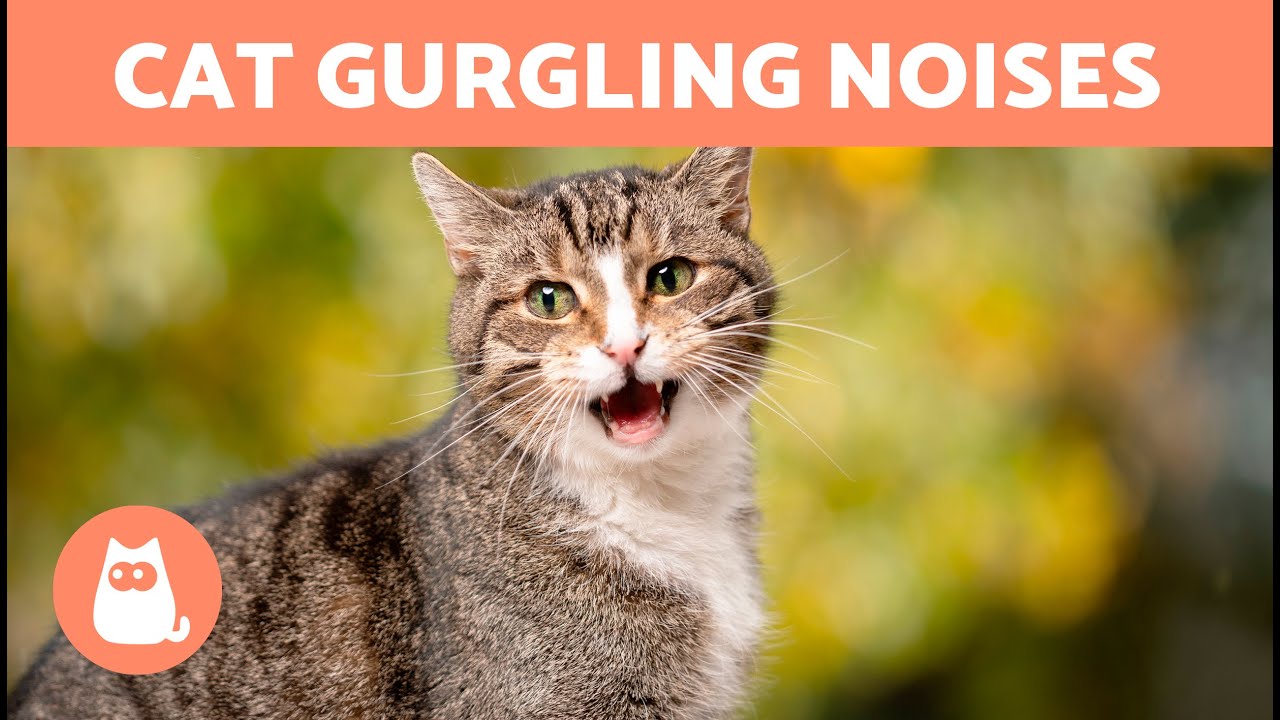
Credit: www.youtube.com
Frequently Asked Questions
Why Does My Cat Make Weird Noises?
Cats make weird noises to communicate, express emotions, or respond to stimuli. They might be hungry, excited, or scared. Each noise serves a specific purpose, indicating their feelings or needs. Monitor your cat’s behavior to understand these sounds better. If concerned, consult a vet for advice.
Why Does My Cat Make A Weird Humming Noise?
Cats often hum due to purring, expressing comfort or contentment. It can also indicate slight distress or anxiety. Observe your cat’s behavior for other signs. If the humming persists or is accompanied by unusual symptoms, consult a veterinarian to ensure your cat’s health and well-being.
What Does Trilling Mean In A Cat?
Trilling in cats is a friendly vocalization, often used to greet or get attention. It sounds like a mix between a purr and meow. Cats may trill to communicate with humans or other cats, expressing happiness or curiosity. This behavior is common in affectionate and social cats.
Why Is My Cat’s Body Making Weird Noises?
Your cat’s body might make weird noises due to digestive issues, respiratory problems, or stress. Consult a vet if the sounds persist or are accompanied by other symptoms. Regular check-ups and a balanced diet can help maintain your cat’s health and well-being.
Conclusion
Cats make funny noises for many reasons. Some are playful, others instinctual. Understanding these sounds strengthens your bond. Observe your cat’s behavior closely. Are they hungry, playful, or seeking attention? Each noise tells a story. Stay patient and listen. Over time, you’ll learn their language.
Responding appropriately can improve their happiness. Enjoy the unique quirks of your cat. They make life interesting and fun. A happy cat means a happy home. Cherish every meow, chirp, and purr. Each sound is a special moment. Your cat’s funny noises are part of their charm.
Embrace it.

Similar Posts