What Breed is My Tabby Cat: Unlocking Feline Mysteries
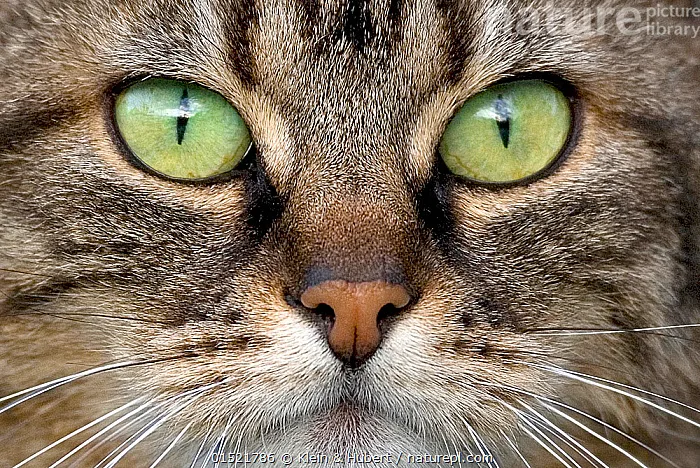
Have you ever gazed into your tabby cat’s striking eyes and wondered, “What breed is my tabby cat?” You’re not alone.
Many cat owners find themselves curious about the unique traits and origins of their feline friends. Understanding your tabby’s breed can unlock a deeper connection with your pet and provide insights into their behavior, health, and personality. Imagine being able to tailor care and companionship to perfectly suit your cat’s needs.
As you delve into this article, you’ll uncover the fascinating world of tabby cats, unraveling the mysteries behind their captivating stripes and spots. Prepare to be amazed by what you’ll discover about your furry companion.
Tabby Cat Characteristics
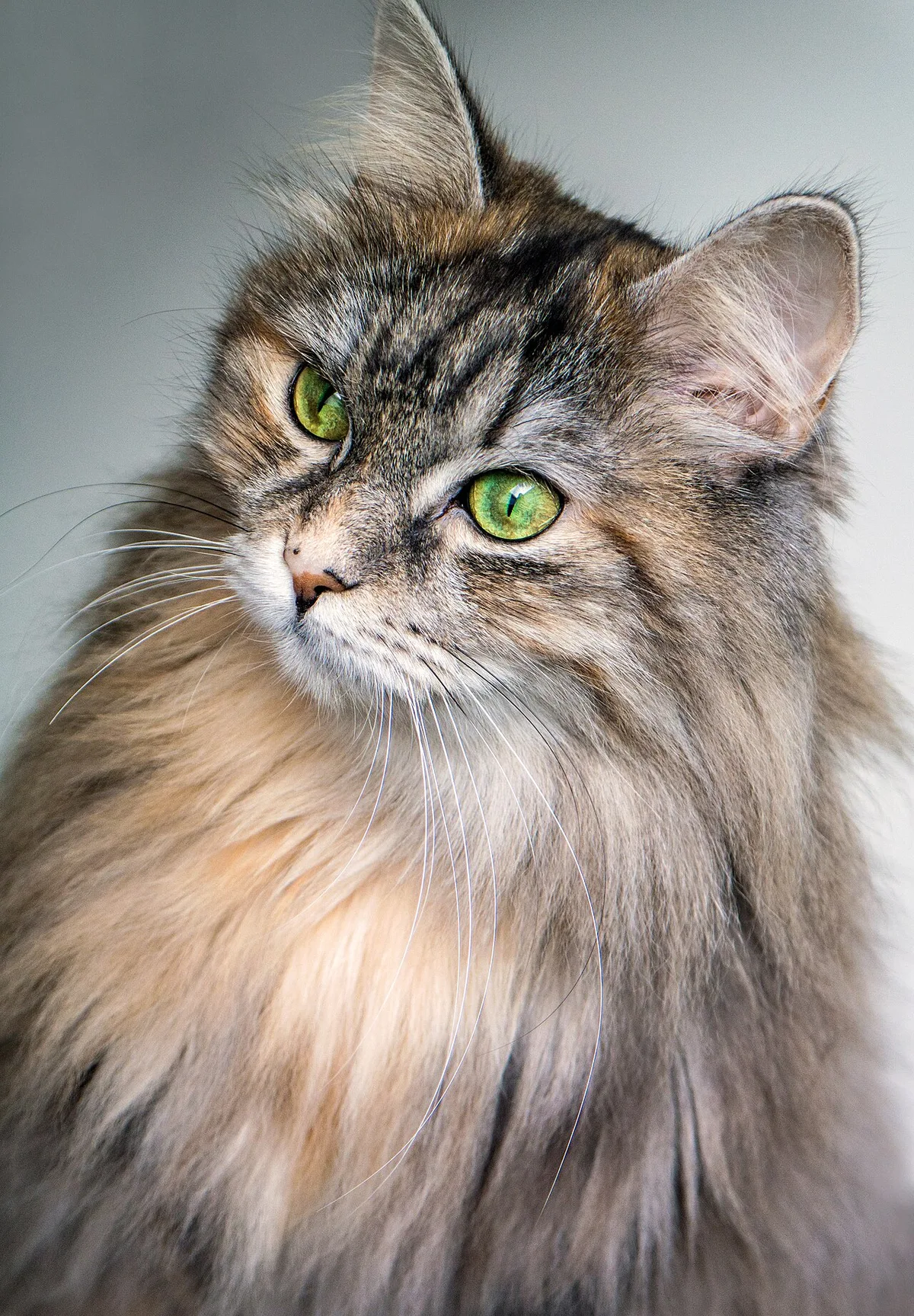
Tabby cats are loved for their unique and charming features. They are not a breed but a coat pattern found in many breeds. Each tabby cat has distinct characteristics that make them special. From their fascinating coat patterns to their varied colors, tabby cats captivate pet lovers everywhere.
Distinctive Coat Patterns
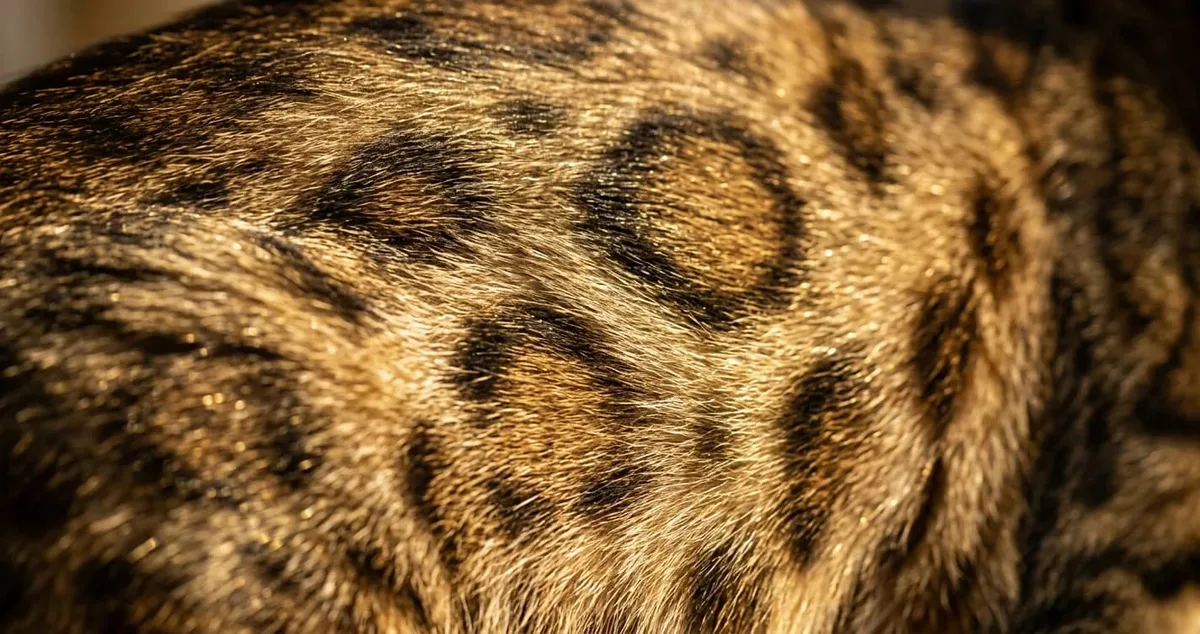
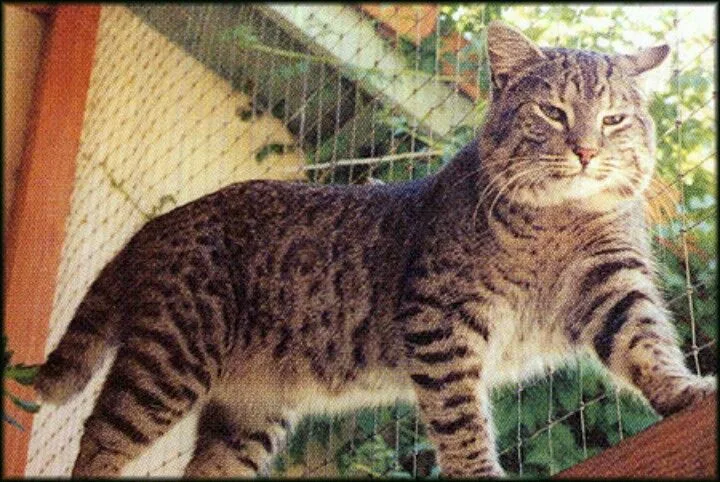
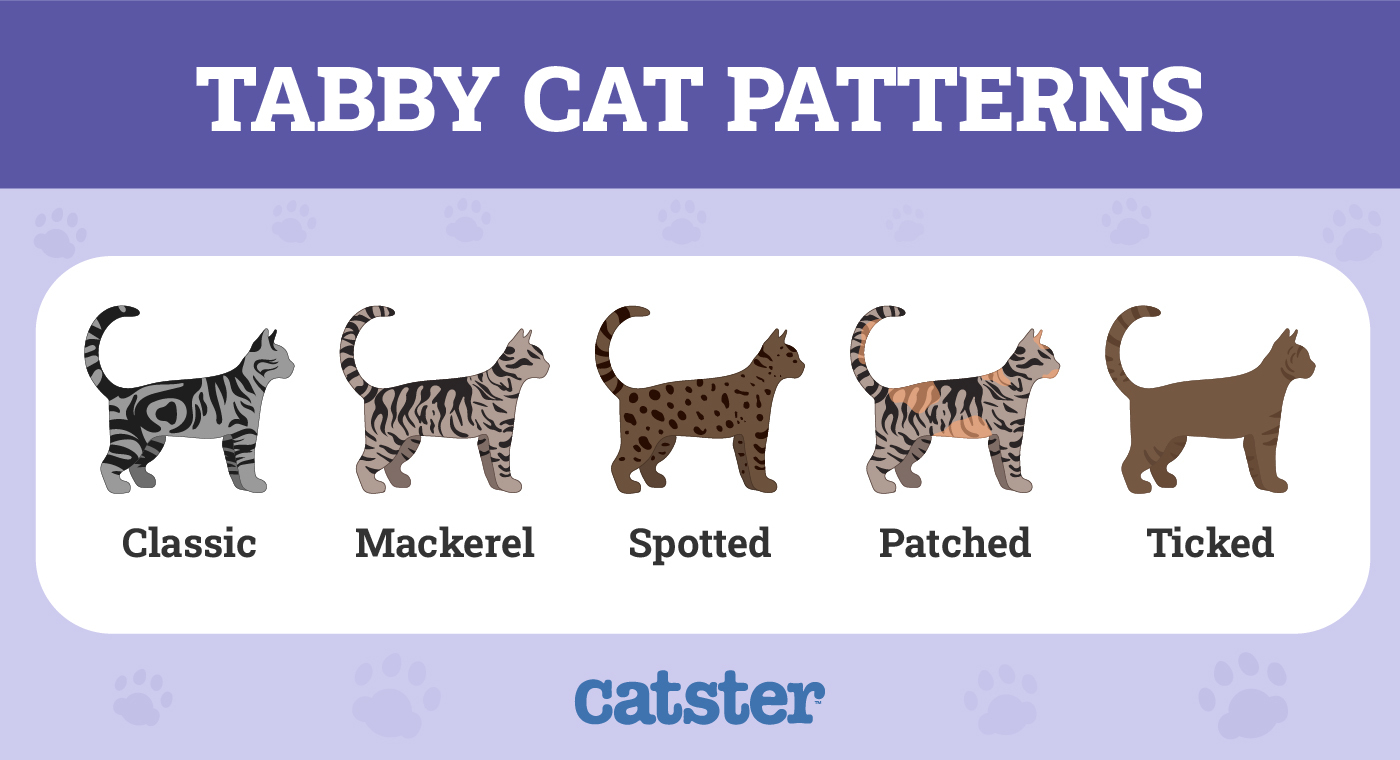
Tabby cats boast four main coat patterns. The classic pattern features swirls and a bullseye on the side. Mackerel tabbies have narrow, parallel stripes down their sides. Spotted tabbies display spots of different sizes. Ticked tabbies show a flecked or freckled appearance.
Each pattern has its own unique charm. The patterns are not just beautiful. They also help the tabby blend into its surroundings. This blending serves as a natural camouflage in the wild.
Common Color Variations
Tabby cats come in many color variations. Brown tabbies are the most common, with deep brown and black stripes. Orange tabbies, often called ginger, have a warm, fiery hue. Silver tabbies have a striking gray and black combination.
There are also blue tabbies, which appear grayish. These color variations add to the tabby’s allure. Each color brings out the pattern in a unique way. This variety makes tabby cats both diverse and fascinating.
Genetic Origins Of Tabby Cats
Tabby cats are a beloved and popular choice among pet owners, but many wonder about their genetic origins. Understanding where these charming felines come from can deepen your appreciation for your tabby companion. Let’s dive into the fascinating world of tabby genetics.
Historical Background
Did you know that tabby cats trace their lineage back to ancient times? The word “tabby” itself is derived from the French word “tabis,” meaning a type of striped silk. This reflects the cat’s distinctive coat patterns.
Throughout history, tabby cats have been associated with various cultures and regions. They were often seen in ancient Egypt, where cats were revered and even worshipped. Their unique markings were admired and celebrated.
These markings have been preserved over centuries, largely due to the adaptive advantages they provided. Tabby patterns helped cats blend into their surroundings, making them skilled hunters.
Breeding And Genetics
The tabby pattern is not confined to a single breed. It’s a genetic trait that can appear in various cat breeds. The gene responsible for the tabby pattern is the agouti gene, which controls the distribution of pigments in each hair.
There are several types of tabby patterns, including classic, mackerel, spotted, and ticked. Each pattern is a result of different genetic combinations, making your tabby cat uniquely yours.
Breeders often select for specific tabby patterns to achieve desired looks in certain breeds. This selective breeding has contributed to the wide variety of tabby cats we see today.
As you look at your tabby cat, consider the rich tapestry of history and genetics that brought them to your home. Isn’t it fascinating how these patterns have evolved and persisted over time? Understanding your cat’s genetic origins can deepen your bond and appreciation for your furry friend. What unique patterns does your tabby cat display, and how do they connect to their ancestral roots?
Popular Tabby Cat Breeds
Tabby cats are adored for their unique coat patterns and friendly demeanor. They come in various breeds, each with distinct traits. Knowing the breed of your tabby can help understand its behavior and needs. Let’s explore some popular tabby cat breeds, each offering its own charm and personality.
American Shorthair
The American Shorthair is a classic choice for cat lovers. Known for its robust build and playful nature, this breed is highly adaptable. Its coat is dense and often sports beautiful tabby markings. American Shorthairs are friendly and get along well with families and other pets.
Maine Coon
Maine Coons are famous for their large size and gentle disposition. These majestic cats have long, bushy tails and tufted ears. Their tabby patterns are striking, with varied colors and designs. Maine Coons are intelligent and enjoy interactive play. They are also known for being affectionate and loyal.
Bengal
Bengals are exotic and energetic. Their coats resemble wild cats with bold spots and marbling. Bengals are active and love climbing and exploring. They have a sleek, athletic body and a confident stride. These cats are sociable and enjoy human interaction. Bengals are perfect for those who want a lively feline companion.

Credit: www.dailypaws.com
Identifying Your Tabby Cat’s Breed
Identifying your tabby cat’s breed can be an exciting journey. Tabby cats are diverse, with various breeds sharing similar coat patterns. Knowing your cat’s breed can enhance your understanding of its needs and characteristics. Let’s explore the clues to uncover your tabby cat’s breed.
Physical Traits
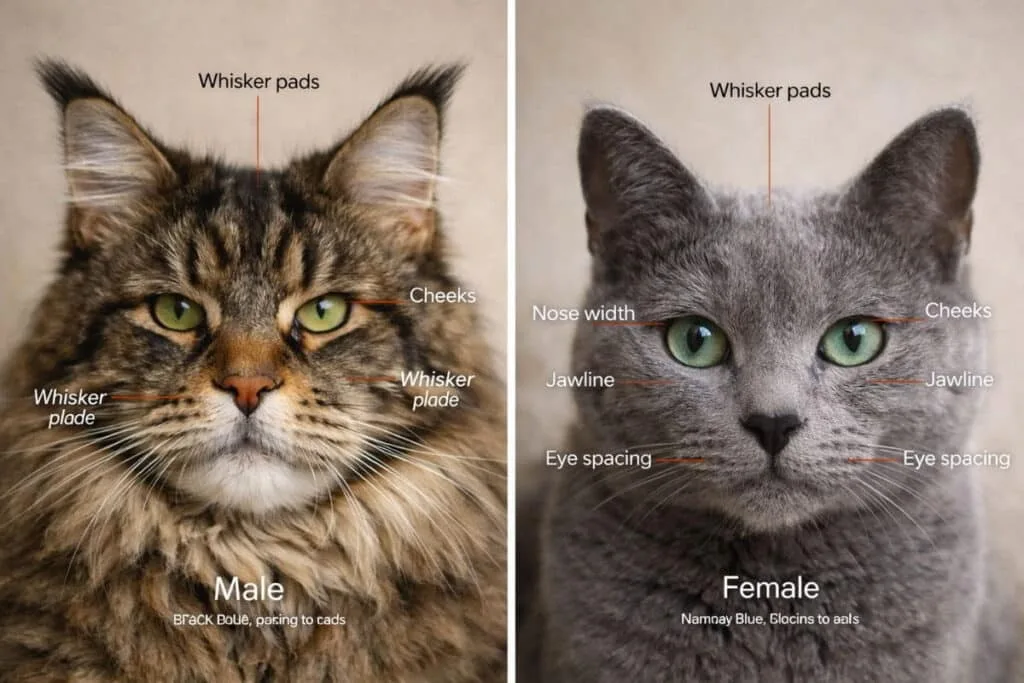
Start with your cat’s size. Some tabbies are large, like the Maine Coon. Others are small, like the Singapura. Coat texture offers hints too. A silky coat might suggest an Abyssinian breed. Notice your cat’s ear shape. Rounded ears are common in British Shorthairs. Tail length can vary. A short tail might belong to a Manx. Patterns on the coat provide clues. Classic swirls could indicate an American Shorthair. These traits provide valuable insights.
Behavioral Indicators
Behavior reveals much about breed. Active cats might be Bengals. Calm demeanor suggests a Persian breed. Vocal cats often belong to the Siamese family. Social tabbies might be Ragdolls. Independent cats could be Norwegian Forest breeds. Watch how your cat interacts. Playfulness might hint at an Exotic Shorthair. These behaviors highlight unique traits of different breeds.
Consulting A Professional
Trying to figure out the specific breed of your tabby cat might feel like solving a complex puzzle. It’s not always just about the stripes and spots. Sometimes, you need a professional to help piece things together. Consulting a professional can be incredibly helpful in understanding the unique traits and lineage of your tabby. Whether you’re curious about health, behavior, or simply the pride of knowing your cat’s breed, taking expert advice can shed light on your feline friend’s ancestry.
Veterinarian Advice
Veterinarians are often the first experts you turn to for advice on your tabby’s breed. These professionals have a wealth of knowledge on feline genetics and physical characteristics. They can provide insights based on your cat’s appearance, behavior, and even health history.
Consider scheduling a visit to discuss your tabby’s traits. Ask about specific features that might hint at your cat’s breed. You might be surprised by how much a vet can tell just by observing your cat’s fur patterns and body structure.
Have you ever thought about why your tabby has certain habits or health quirks? A veterinarian might connect these dots to specific breeds, offering a deeper understanding of your cat’s unique nature.
Genetic Testing
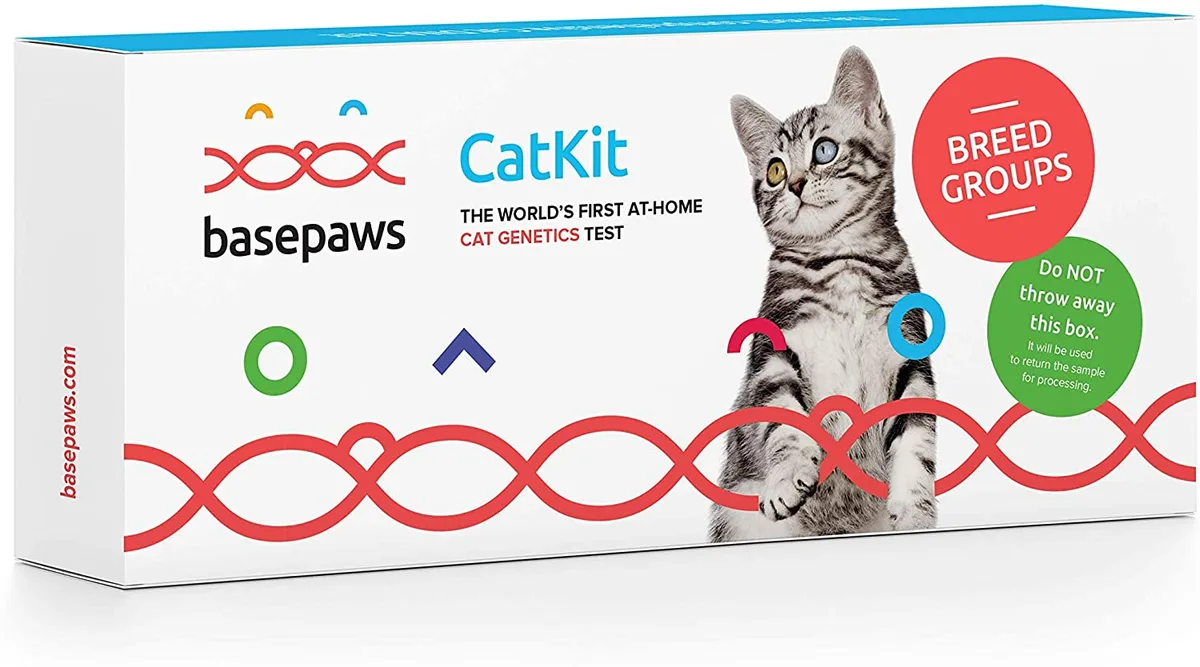
Genetic testing has become a popular method for cat owners to discover their tabby’s breed. This process involves analyzing your cat’s DNA to identify specific breed markers. It’s an exciting option if you’re eager to uncover precise breed information.
Imagine receiving a detailed report on your tabby’s lineage. These tests can reveal fascinating details about your cat’s ancestry and breed composition. It’s like opening a window into your tabby’s past.
Before diving into genetic testing, consider its cost and accuracy. While it offers insightful data, the results might surprise you by revealing mixed breed backgrounds rather than a single breed. What does this mean for your tabby’s identity? It might deepen your appreciation for your cat’s unique genetic makeup.
Consulting professionals—whether veterinarians or genetic testers—can transform your quest to identify your tabby’s breed. Have you tried seeking expert advice for your tabby? The journey might offer more than just answers; it might deepen the bond with your feline companion.

Credit: www.reddit.com
Caring For Your Tabby Cat
Many tabby cats belong to breeds like the American Shorthair or Maine Coon. Each breed has unique patterns and colors. Understanding your tabby’s breed helps provide better care and meet its specific needs.
Caring for your tabby cat involves understanding its unique needs. These lovable felines come in various breeds, each with specific care requirements. Ensuring your tabby cat is happy and healthy requires attention to diet, exercise, and play.Diet And Nutrition
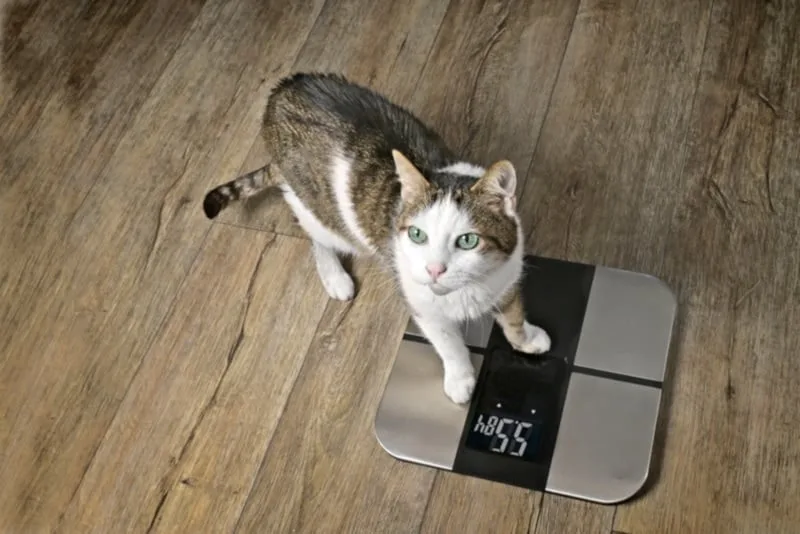
A balanced diet is crucial for your tabby cat’s health. Provide high-quality cat food rich in protein. Cats need taurine, an essential amino acid, for heart and eye health. Fresh water should always be available. Cats can become overweight easily. Monitor food portions to prevent obesity. Consult a vet for personalized dietary advice.Exercise And Play
Regular exercise keeps your tabby cat fit and active. Engage them with toys that encourage movement. Laser pointers or feather wands work well. Interactive play strengthens your bond. Create a stimulating environment with climbing trees or scratch posts. Encourage exploration indoors for mental stimulation. Aim for daily play sessions to keep them entertained.Tabby Cats In Culture
Tabby cats are not a specific breed; they are identified by their unique striped or spotted coat patterns. This coat pattern can be found in various cat breeds, including Maine Coons and American Shorthairs. Exploring the cultural significance of tabby cats reveals their popularity and presence in folklore and art.
Tabby cats have woven themselves into the fabric of culture, captivating humans with their distinctive coats and charming personalities. Their unique patterns have not only made them popular pets but have also earned them a place in stories, art, and folklore. Let’s delve into how tabby cats have influenced culture and captured the human imagination.Famous Tabby Cats
In literature and film, tabby cats have left their paw prints. Think of Garfield, the lasagna-loving comic strip tabby who has entertained readers worldwide with his sardonic wit. Garfield’s appeal lies in his relatable laziness and love for food, traits that many of us see in our own pets—and perhaps in ourselves. Another notable tabby is the Cheshire Cat from Lewis Carroll’s “Alice in Wonderland”. Known for his mischievous grin and cryptic advice, he adds a layer of mystery and whimsy to the story. His presence asks us to question reality and embrace the absurd. Do you have a tabby in your life that mirrors these famous felines? Observing your cat’s quirks can be a fun way to connect stories and reality.Symbolism And Folklore
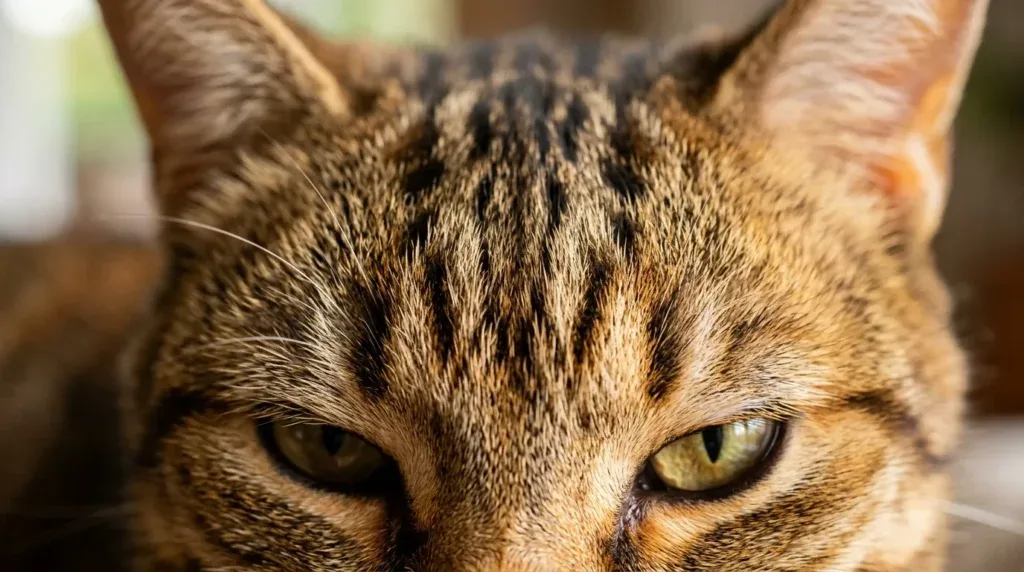
Tabby cats have also played symbolic roles in various cultures. In ancient Egyptian society, cats were revered and often associated with the goddess Bastet, a symbol of home, fertility, and protection. While not all Egyptian cats were tabbies, their distinct markings were often depicted in art. In folklore, tabby cats have been considered both omens of good luck and harbingers of mischief. Some cultures believe a tabby’s “M” marking on the forehead is a sign of protection, a legacy believed to be bestowed by religious figures. Consider the stories from your own culture. Are tabby cats seen as symbols of fortune or wisdom? Reflecting on these narratives can enhance your appreciation for your feline friend. Tabby cats, with their rich cultural presence, remind us that our pets are more than just companions. They are storytellers, symbols, and cherished figures in the tapestry of human culture. How has your tabby cat influenced your personal story?
Credit: www.thesprucepets.com
Frequently Asked Questions
What Breed Is A Standard Tabby Cat?
A standard tabby cat isn’t a specific breed. It’s a coat pattern found in many cat breeds. Common tabby breeds include the American Shorthair, Maine Coon, and British Shorthair. The tabby pattern features stripes, spots, or swirls and an “M” shape on the forehead.
How Can I Tell What Breed My Cat Is By Picture?
Use online tools or apps to compare your cat’s picture with breed databases. Consult a vet or breeder for expert advice. Pay attention to physical features like fur pattern, size, and facial structure to identify the breed.
What Breed Of Cat Is Grey With Stripes?
The American Shorthair is a common grey cat breed with stripes. Another popular option is the grey tabby. These cats have distinct patterns and a friendly temperament, making them a favorite among pet owners.
What Breed Is A Tabby For Insurance?
A tabby is not a specific breed but a coat pattern found in various cat breeds. For insurance, specify the cat’s actual breed, like Maine Coon, Abyssinian, or American Shorthair, combined with the tabby pattern. Check with insurers for coverage details on mixed breeds or specific patterns.
Conclusion
Identifying your tabby cat’s breed can be a fun journey. Understanding their features helps in better care and bonding. Look at coat patterns, body shape, and behavior. Each detail offers clues about their lineage. Consult a vet for more precise insights.
Enjoy discovering unique traits of your feline friend. Celebrate their individuality, regardless of breed. Every cat is special in its own way. Keep observing, learning, and appreciating. Your tabby cat is a wonderful companion. Embrace the mystery and beauty they bring.
Happy cat parenting!

Similar Posts