How to Reduce Cat Anxiety: Proven Strategies for Calm
Are you tired of seeing your beloved feline friend stressed out and anxious? Your cat’s well-being is important, and reducing their anxiety can lead to a happier, healthier life for them—and a more peaceful home for you.
Imagine a world where your cat feels calm and content, snuggled up beside you without a care in the world. Sounds perfect, right? In this guide, you’ll discover practical, easy-to-follow steps to help reduce your cat’s anxiety. Learn how to create a serene environment and make simple changes that will have a big impact on your cat’s mood.
Don’t let stress take over your cat’s life. Read on to find out how you can transform their anxiety into tranquility.
Credit: yourpetandyou.elanco.com
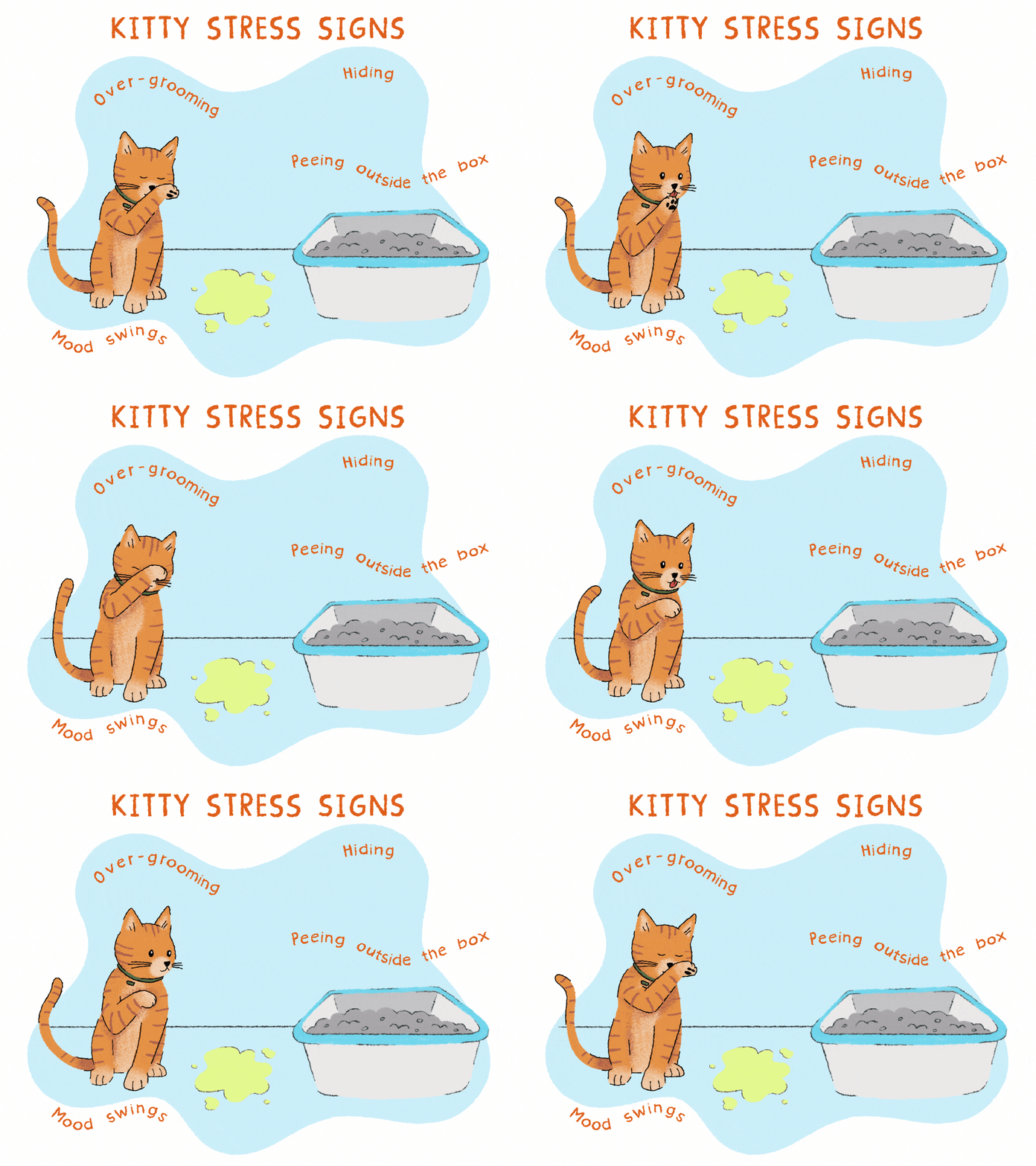
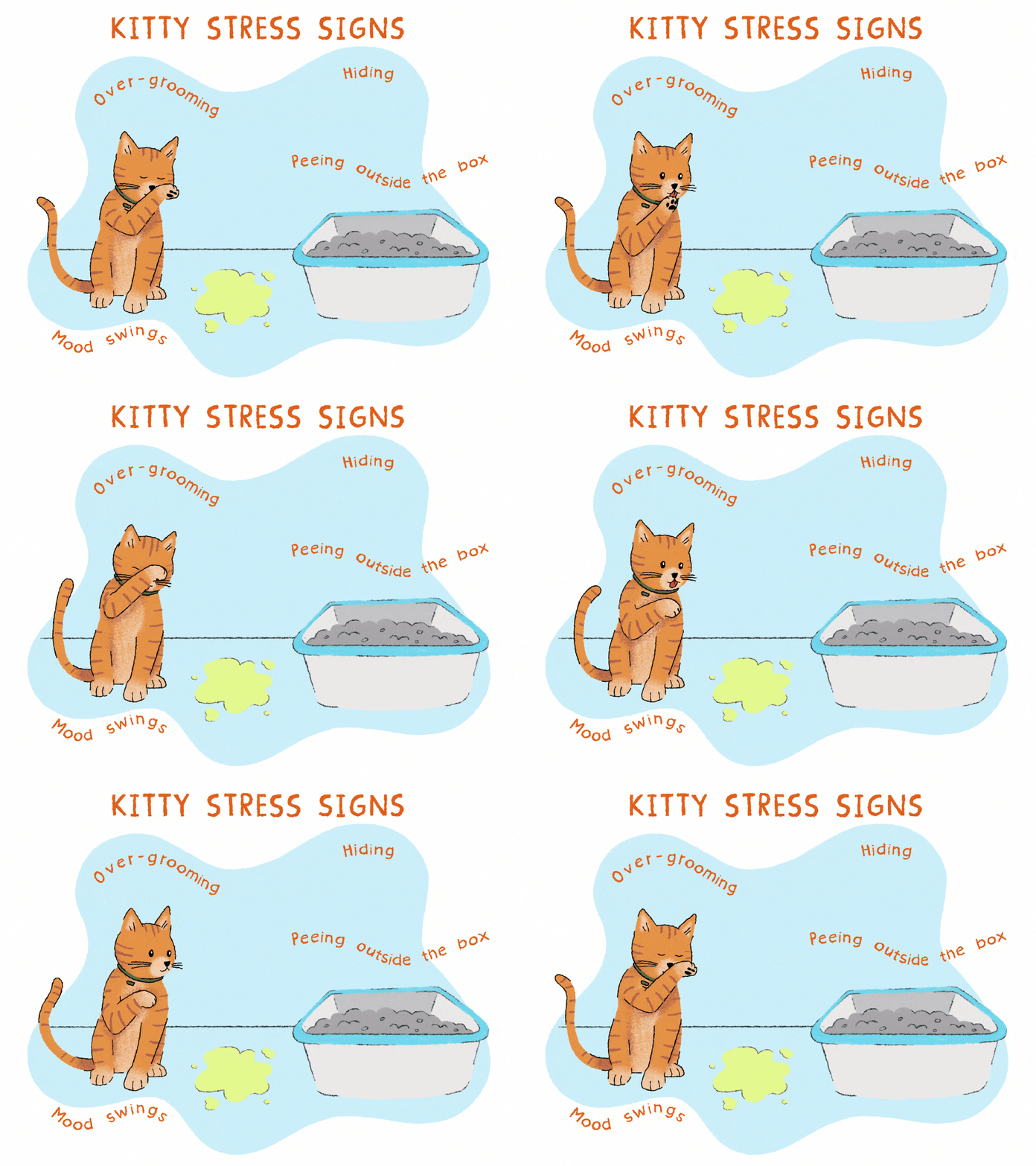
Identifying Signs Of Cat Anxiety
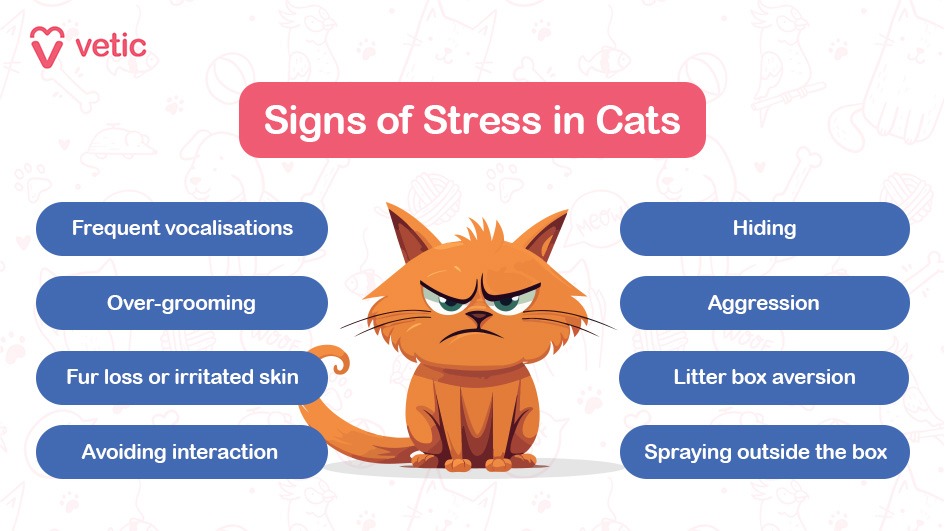
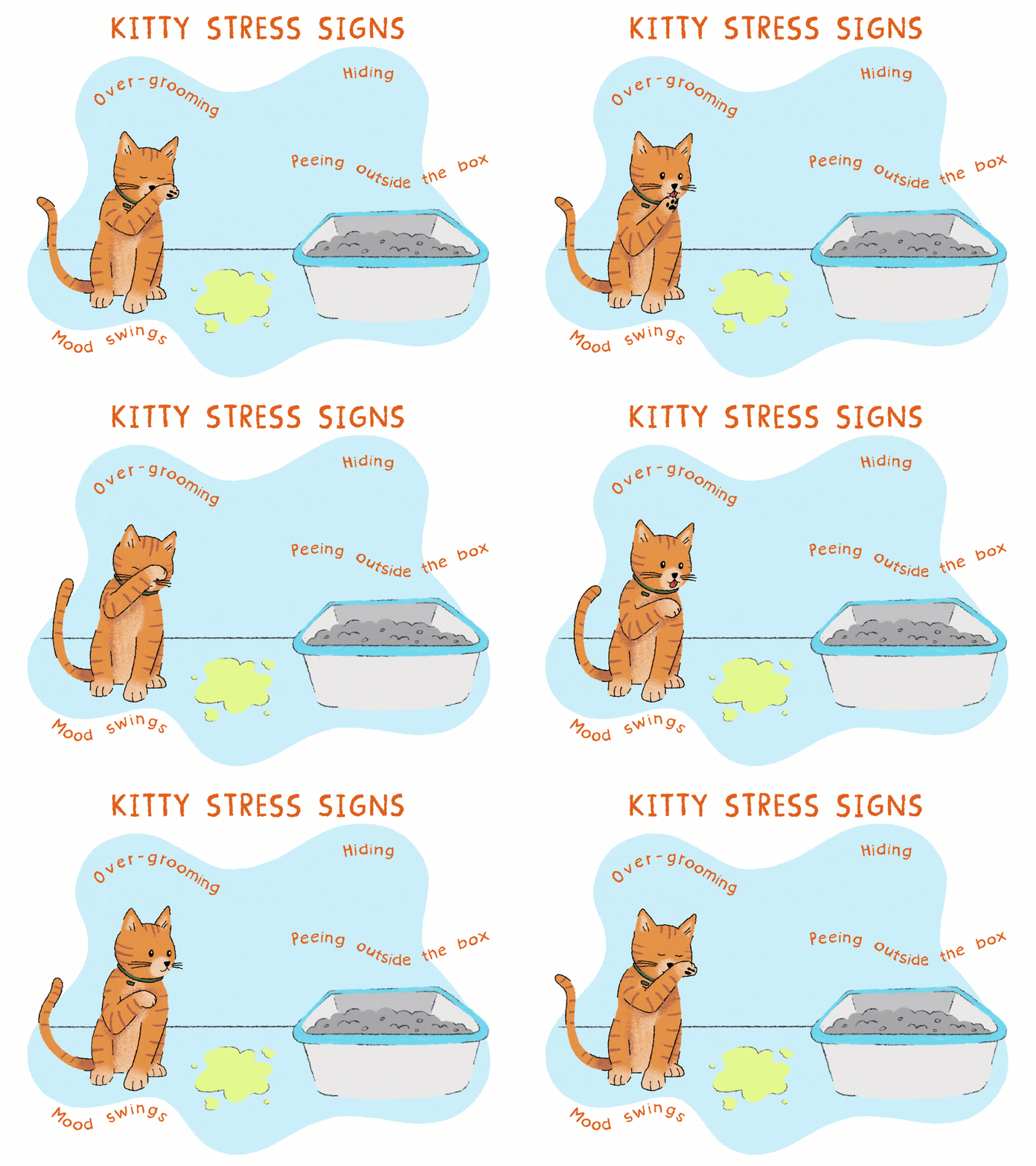
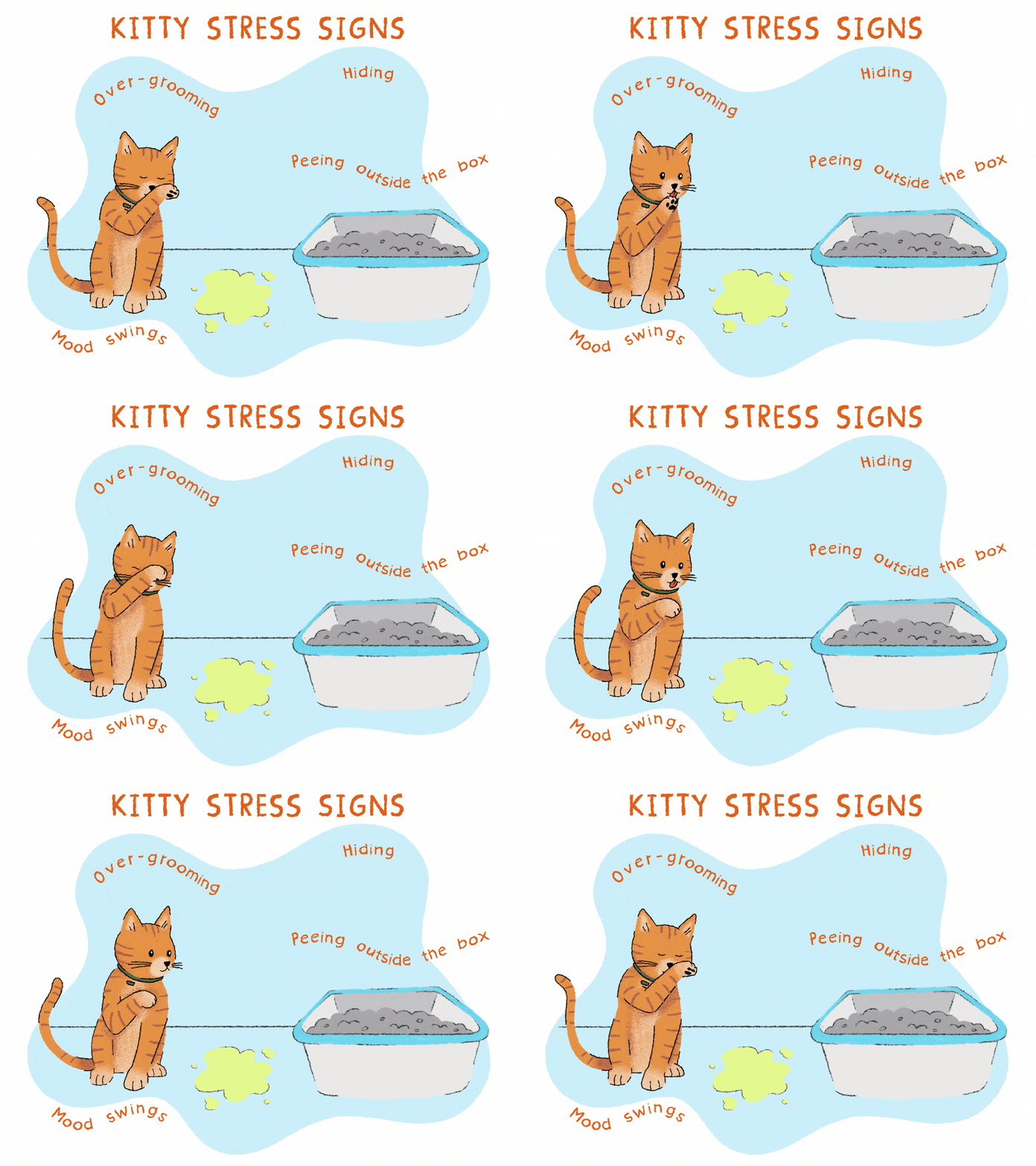
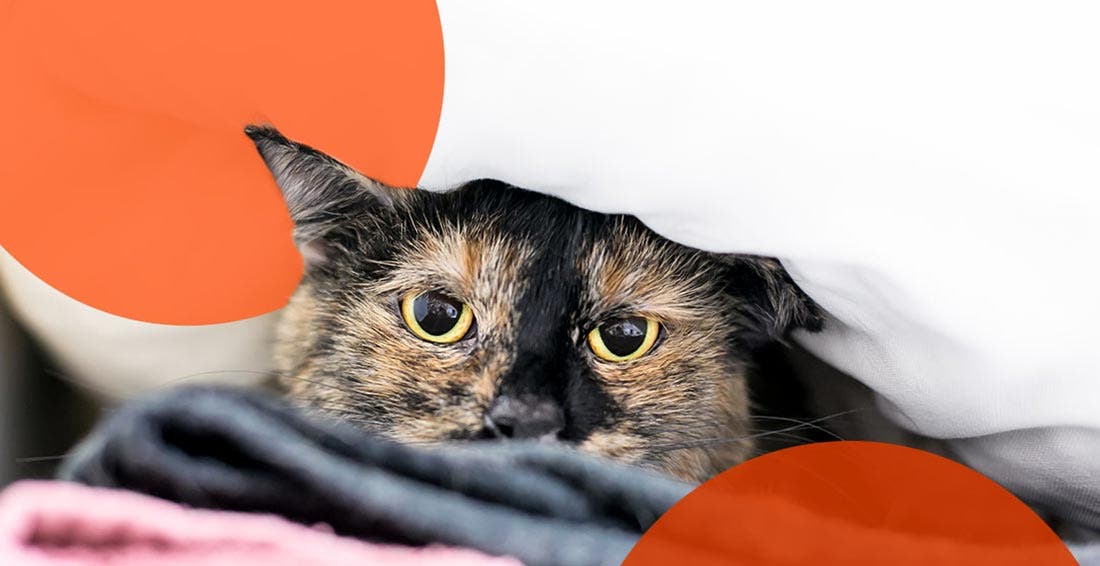
Spotting anxiety in cats involves watching for signs like hiding, excessive grooming, or aggression. To ease their stress, create a calm environment with familiar scents and routine. Engaging playtime and interactive toys can also help distract and soothe your feline friend.
Identifying signs of cat anxiety is crucial for every cat owner. Cats are sensitive creatures, often hiding their stress behind a calm facade. Recognizing these signs early can help you address the issue and ensure your furry friend remains happy and healthy.Changes In Eating Habits
Has your cat suddenly stopped eating? A drop in appetite is often a red flag. On the flip side, some cats might eat excessively when anxious. Keep a close eye on their feeding patterns and note any sudden changes.Altered Sleeping Patterns
Cats are known for their love of sleep, but anxiety can disrupt their routine. Are they waking up more frequently or sleeping less? Monitor their sleeping habits. An anxious cat might become restless and struggle to settle down.Excessive Grooming
Is your cat grooming more than usual? While grooming is a natural behavior, obsessive grooming can indicate stress. If you notice bald patches or irritated skin, it might be time to dig deeper into the cause.Increased Vocalization
Has your cat become more vocal? Excessive meowing can be their way of communicating distress. Pay attention to the tone and frequency. Cats often use vocalization to express their discomfort or seek reassurance.Unusual Aggression
A gentle cat suddenly acting out might be reacting to anxiety. Are they swatting or biting more? Such behaviors can be their defense mechanism against perceived threats. Evaluate any changes in their environment that might be triggering this aggression.Withdrawal From Social Interaction
Is your usually sociable cat hiding away? Anxiety can cause cats to withdraw from their human companions. If they’re avoiding interaction, it might be time to assess any recent changes in their surroundings or routine. Recognizing these signs isn’t just about observation; it’s about empathy and connection. As you learn to identify these changes, ask yourself: What might your cat be trying to tell you? Your proactive approach can make all the difference in easing their anxiety.
Credit: restorapet.com
Creating A Safe Environment
Reducing anxiety in cats begins with creating a safe environment. Cats need a peaceful and comfortable space. This helps them feel secure and reduces stress. A calm atmosphere promotes relaxation and happiness. Let’s explore ways to create a safe haven for your feline friend.
Quiet Spaces
Provide your cat with quiet spaces in your home. Cats seek refuge from noise and chaos. Choose a spot away from loud appliances. This could be a corner in a less frequented room. Make sure it’s a place where they can retreat and relax. Silence helps them regain calm and balance.
Comfortable Bedding
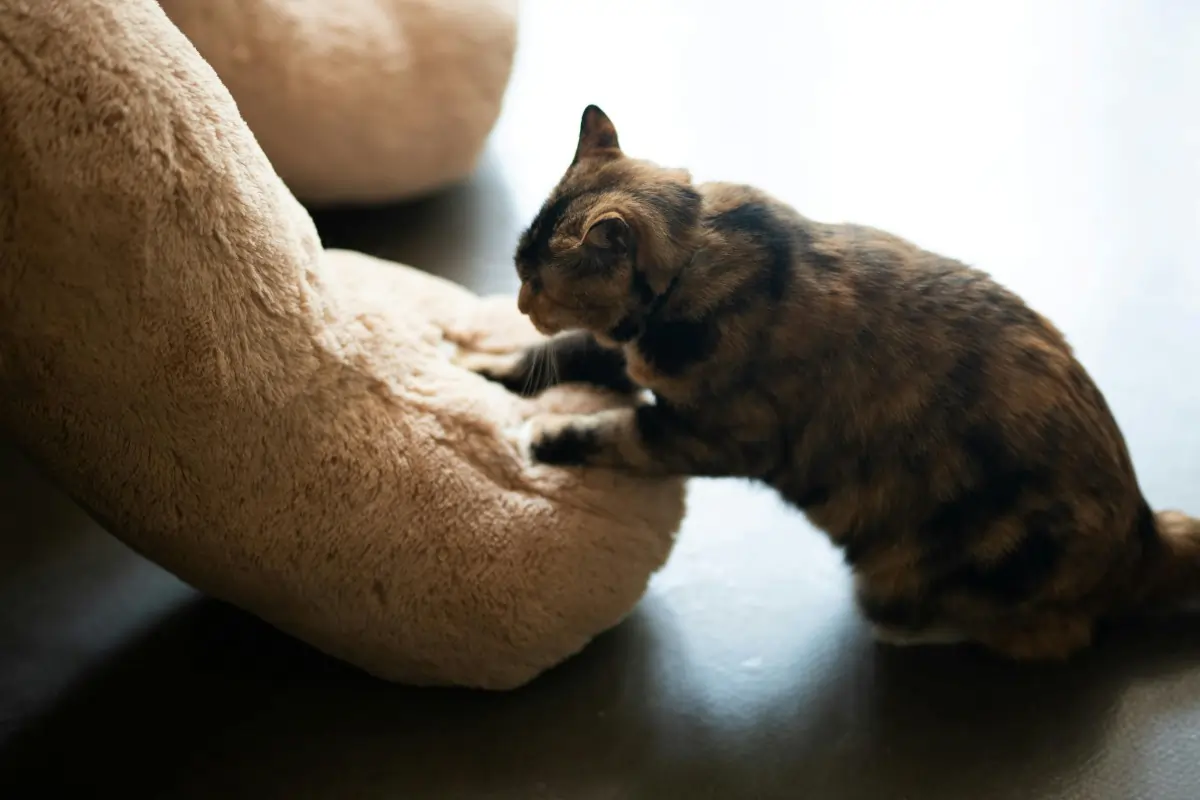
Invest in comfortable bedding for your cat. Soft and plush materials work best. Cats love to snuggle and feel cozy. Place the bedding in their quiet space. This adds to their sense of security. Keep the bedding clean and free from allergens. Regular washing ensures a fresh and inviting space.
Routine And Consistency
Routine and consistency can reduce anxiety in cats. Cats thrive on predictability. A stable routine helps them feel secure. Sudden changes can stress them. Establishing a consistent routine can make a world of difference. Let’s explore how a routine can help, focusing on feeding schedules and playtime rituals.
Feeding Schedule
Feeding your cat at the same time daily helps a lot. It creates a sense of security. Cats learn to expect food at certain times. This reduces anxiety related to hunger. Use a quiet spot for feeding. Avoid disturbances during meals. Consistent feeding schedules support a calm and happy cat.
Playtime Rituals
Regular playtime is crucial for your cat’s mental health. It provides exercise and relieves stress. Schedule play sessions at the same time each day. Cats look forward to this time. Use toys your cat loves. Interactive toys can engage your cat more. Keep play sessions short but consistent.
Routine and consistency in playtime create a safe environment. Your cat knows what to expect. This reduces anxiety significantly.
Interactive Play And Exercise
Interactive play and exercise are vital for reducing cat anxiety. Cats, like humans, need physical activities to stay healthy. Engaging them in play can ease stress and improve their mood. Regular play sessions provide mental stimulation, keeping cats happy and relaxed. It helps build trust and strengthens the bond between you and your feline friend.
Toys For Engagement
Cat toys come in many forms and sizes. Balls, feather wands, and laser pointers are popular options. These toys capture your cat’s attention and encourage movement. Puzzle toys are great for mental stimulation. They challenge your cat to think and solve problems. Interactive toys can keep a cat entertained for hours.
Physical Activity Benefits
Exercise is crucial for a cat’s overall health. It helps maintain a healthy weight, reducing the risk of obesity. Physical activity strengthens muscles and improves agility. It can also prevent boredom, reducing unwanted behavior. Regular exercise promotes better sleep patterns, ensuring your cat rests well.
Calming Techniques
Calming techniques can help ease your cat’s anxiety. Create a quiet space with soothing music and soft lighting. Regular playtime and gentle petting can also reduce stress and promote relaxation.
Calming techniques can help reduce cat anxiety. Cats get anxious for many reasons. Loud noises, new environments, and changes in routine can upset them. Using calming techniques creates a peaceful atmosphere. This helps your cat feel safe and relaxed. Below are some effective methods to calm anxious cats.Music And Sound Therapy
Playing soft music can soothe your cat. Classical music works well. It creates a serene environment. Music blocks out stressful noises. This helps reduce anxiety. Sounds of nature, like rain or birds, can also calm cats. Try different sounds to see what your cat likes.Aromatherapy Options
Certain scents can calm anxious cats. Lavender has relaxing properties. Chamomile can also soothe nerves. Use essential oils carefully. Cats are sensitive to strong smells. Place scented items where your cat spends time. This helps create a calming space. Always check with a vet about safe options.Behavioral Training
Calm your cat’s nerves with behavioral training techniques. Create a peaceful environment. Engage your feline with gentle play and soothing routines.
Behavioral training can be a powerful tool in reducing cat anxiety. Cats, much like humans, can feel stressed or anxious due to changes in their environment or routine. By using behavioral training techniques, you can help your cat feel more at ease and confident. This not only improves their well-being but also strengthens your bond with them. One of the most effective ways to address cat anxiety through behavioral training is withPositive Reinforcement
. Rewarding your cat for calm behavior encourages them to repeat it. Use treats, petting, or verbal praise when your cat exhibits calmness. This method works wonders because cats respond well to positive experiences. Imagine your cat feeling relaxed during a thunderstorm. Instead of hiding, they lie beside you, purring. By consistently rewarding their calm behavior, they associate storms with positive outcomes. Start small; reward them when they stay calm in mildly stressful situations. Gradually, you can build up to more challenging scenarios.Gradual Exposure
is another key technique. This involves introducing your cat to anxiety-triggering situations in small doses. Begin by exposing them to a milder version of the stressor. If your cat is afraid of the vacuum cleaner, start by placing it in the room without turning it on. Allow your cat to explore and get used to its presence. Gradually increase the exposure by turning it on for short periods. Combine this with positive reinforcement. With patience, your cat will become desensitized to the noise. Have you tried using behavioral training for your cat’s anxiety? What worked best for you? Share your experiences in the comments and help others learn from your journey!Dietary Considerations
Understanding the dietary needs of your anxious cat can make a big difference. Proper nutrition supports their emotional well-being and can reduce anxiety levels. A well-balanced diet ensures that your cat gets the nutrients they need for a calm disposition. Here, we explore key dietary considerations to help manage your cat’s anxiety effectively.
Nutritional Needs
Every cat needs a balanced diet to stay healthy. Protein is crucial for their energy and muscle strength. Cats are obligate carnivores, which means they need meat. Ensure their diet includes high-quality protein sources. Taurine is an essential amino acid for cats. It supports their heart and eye health. Make sure their food contains adequate taurine. Omega-3 fatty acids can also help reduce inflammation. They promote brain health, which can lower anxiety levels.
Supplements For Calmness
Supplements can aid in calming an anxious cat. L-theanine is a popular supplement that reduces stress. It promotes relaxation without causing drowsiness. Another supplement, tryptophan, can improve mood. It increases serotonin levels, which helps calm the mind. Fish oil supplements are rich in omega-3s. These support brain health and can ease anxiety symptoms. Always consult your vet before adding supplements. They can guide the right choice for your cat’s needs.

Credit: www.facebook.com
Professional Help
Reducing cat anxiety can sometimes require professional help. While loving care at home is essential, some situations demand expert intervention. Whether it’s unusual behavior or chronic stress, professionals can offer tailored advice and support. Let’s dive into how veterinary advice and animal behaviorists can be crucial in managing your cat’s anxiety.
Veterinary Advice
A visit to the vet is often the first step in addressing your cat’s anxiety. They can rule out medical issues that might be causing stress. Health problems, like thyroid imbalances or pain, can lead to anxiety.
Vets can prescribe medications or supplements if needed. Some cats benefit from calming pheromone diffusers or specific diets. These solutions can help your cat feel more relaxed and secure.
Regular check-ups can help you monitor your cat’s progress. Your vet can adjust treatments as necessary. Have you ever noticed how a simple vet visit can bring peace of mind?
Animal Behaviorists
Animal behaviorists specialize in understanding and modifying pet behavior. They can provide insights into why your cat might be anxious. This understanding can lead to effective strategies to reduce stress.
Behaviorists often suggest behavioral modification techniques. These can include desensitization or positive reinforcement. Such techniques can be empowering for both you and your cat.
Working with a behaviorist can be a game-changer. You can learn how to create an environment that minimizes triggers of anxiety. Imagine transforming your home into a sanctuary for your cat’s well-being!
Seeking professional help doesn’t mean you’re failing as a pet owner. It’s a proactive step towards enhancing your cat’s quality of life. Have you considered how professional guidance could make a difference for your anxious cat?
Monitoring Progress
Monitoring your cat’s progress is crucial in reducing their anxiety. Observing changes helps in understanding what works and what doesn’t. It ensures you are on the right path to a happier and more relaxed cat.
Tracking Changes
Keep a journal of your cat’s behavior. Record their mood every day. Note any signs of stress like hiding or aggression. Document positive changes too. Pay attention to their body language. Watch for signs of calmness or playfulness. This helps identify trends over time. It’s essential for understanding your cat’s progress.
Adjusting Strategies
Strategies might need tweaks based on your observations. If your cat shows improvement, keep doing what works. If anxiety persists, try new methods. Consider different calming techniques. Experiment with various toys or activities. Consult your vet if needed. They can offer advice tailored to your cat. Adjusting strategies ensures optimal care for your furry friend.
Frequently Asked Questions
How Do I Stop My Cat From Being So Anxious?
Create a calm environment by providing hiding spots and interactive toys. Maintain a consistent routine for feeding and playtime. Use pheromone diffusers or sprays to reduce stress. Ensure your cat has access to a scratching post and cozy resting areas.
Consult a vet if anxiety persists.
What Are The Signs Of Anxiety In Cats?
Signs of anxiety in cats include excessive grooming, hiding, and aggressive behavior. Cats may also show increased vocalization, trembling, or loss of appetite. Frequent urination outside the litter box can indicate stress. Changes in sleeping patterns and destructive behavior are other common symptoms of feline anxiety.
What Calms Cats Naturally?
Natural remedies for calming cats include catnip, pheromone diffusers, and soothing music. Create a cozy, quiet environment and maintain a routine. Consider using calming supplements or herbs like valerian root. Regular playtime and petting can also help reduce stress and anxiety in cats.
What Are Common Signs Of Cat Anxiety?
Cats may show anxiety through excessive grooming, hiding, or aggressive behavior. Other signs include loss of appetite and frequent meowing. Observing these behaviors can help identify stress triggers. Addressing these signs early can prevent further stress. It’s important to consult a vet for persistent issues.
Conclusion
Helping your cat feel calm is important. Try these tips today. Make a cozy space for your cat. Use soothing sounds or scents. Play gentle music to ease their nerves. Regular routines help them relax. Spend time with them daily.
Play, cuddle, and talk softly. Notice their behavior changes. Seek advice from a vet if needed. Love and patience go a long way. Your efforts can make a big difference. A happy cat means a happy home.

Similar Posts